There Is a Frequency That the Wealthiest Families Have Used for Generations and Most People Will Never Know It Exists
>>> Open the Door <<<

You lace up your shoes for a long walk. Your phone stays in your pocket. Hours later, you check your fitness app. Zero steps. That empty counter hits hard, especially after a full day on your feet. Background step tracking means the app counts your steps even when closed or your phone locked. It powers apps like Google Fit, Samsung Health, and Pedometer.
This glitch strikes Android and iOS users alike. Common culprits include battery savers that pause apps, missing permissions for sensors, or power modes that limit activity. On Android, aggressive optimization kills tracking. iOS users face background refresh blocks or low power settings.
Lucky for you, fixes exist. This guide covers top causes and step-by-step solutions for both platforms. You’ll restart tracking in minutes. Follow along to get reliable counts that match your real movement and keep your fitness goals on track.

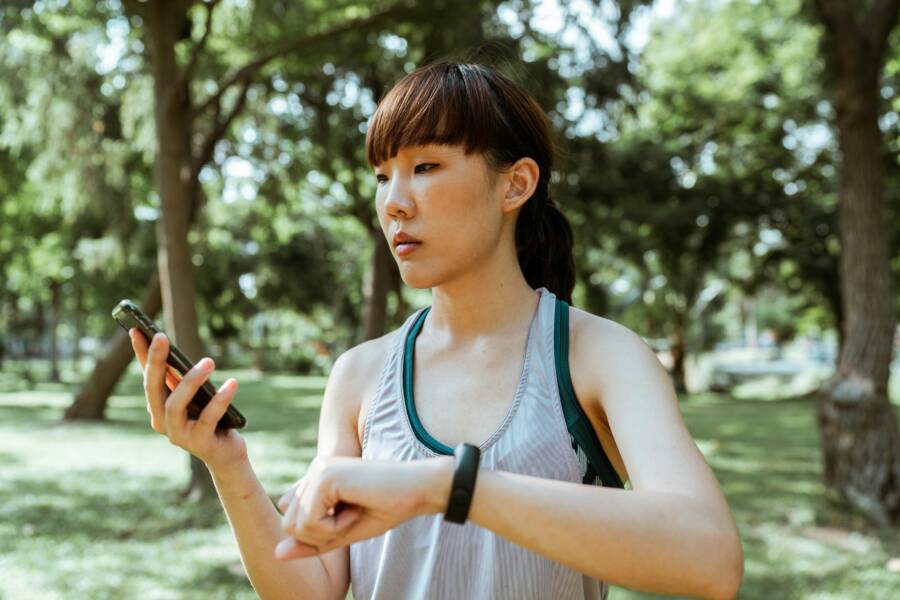
Photo by Lisa from Pexels
What If the Only Thing Between You and the Life You Deserve Is a Hidden Wealth Code Waiting to Be Activated
>>> Open the Door <<<

Why Fitness Apps Stop Tracking Steps in the Background
Fitness apps rely on your phone’s sensors to log steps quietly. When that fails, you lose data from walks, errands, or daily hustle. Battery savers top the list of villains. On Android, these features halt apps to save power. Picture this: you hike a trail, but your app shows nothing because a saver paused Google Fit mid-stride.
Permissions play a big role too. Apps need access to motion sensors or location for accurate counts. Without them, tracking stops cold. Say you grant basic access but skip body sensors; indoor steps vanish.
Power modes add trouble. Android’s Doze mode sleeps apps when idle. It ignores your step sensor during a commute. iOS Low Power Mode does the same, throttling background work. Your evening jog? Uncounted.
Outdated apps or crashes worsen it. A buggy update might freeze tracking. Do Not Disturb settings can block notifications and sync too. During a busy workday, steps from office pacing disappear.
These issues steal your progress. One forgotten walk equals thousands of lost steps. Daily totals drop, motivation fades. Spot the cause, and you reclaim every stride.
Fix Background Step Tracking on Android Phones
Start simple on Android. Restart your phone to clear glitches. Update the fitness app and your OS through Google Play and Settings. These quick moves fix half the problems. Test with a short walk after each change. Track progress in real time.
Samsung, Pixel, or other brands share core steps. Brand tweaks appear below. Patience pays off; full fixes take 10 minutes.
Disable Battery Optimization for Your App
Battery rules choke apps first. Turn them off for reliable tracking.
- Open Settings > Apps (or Apps & notifications).
- Tap your fitness app, like Google Fit.
- Go to Battery > Battery usage.
- Select Unrestricted or turn off Optimized.
This lets the app run freely. Optimization pauses sensors to save juice, but it kills step counts.
On Xiaomi or Huawei, check extra spots. Dive into Security > Battery > your app > No restrictions. Test it: lock your phone, walk 10 minutes, unlock. Steps should appear.
Why it works? Apps need constant sensor access. Optimization blocks that. Users report 100% tracking after this tweak.
Grant Full Permissions and Enable Location
Sensors demand permission. Missing ones halt everything.
- Settings > Apps > your app > Permissions.
- Enable Physical activity, Body sensors, and Location (set to Allow all the time).
- If prompted, turn on Nearby devices.
Location boosts accuracy. Some apps cross-check GPS with steps for better data, especially outdoors.
Walk around your block. Check the app. Counts flow in, even with screen off.
Turn Off Doze Mode and Adaptive Battery
Doze and adaptive features sleep apps aggressively.
What If the Only Thing Between You and the Life You Deserve Is a Hidden Wealth Code Waiting to Be Activated
>>> Open the Door <<<
For Doze:
- Settings > Battery > Battery optimization.
- Find your app > Don’t optimize.
Disable Adaptive Battery:
- Settings > Battery > Adaptive Battery > Off.
These modes limit background work. Your steps during a locked-phone commute get ignored otherwise.
Quick test: Put phone in pocket, stroll for five minutes. Refresh the app. Data appears if fixed.
Restore Step Tracking on iPhone and iPad
iOS handles background tasks tightly. Restart your device first. Update the app via App Store. Force-quit and relaunch too. These basics revive most trackers. Walk outside to test; GPS aids verification.
Thousands of People Were Struggling With Money Until They Discovered This One Ancient Secret Hidden in Sound
>>> Unlock It Now <<<

Health app ties in for many. Ensure it shares data if linked.
Enable Background App Refresh
iOS blocks refresh by default to save battery. Flip it on.
- Settings > General > Background App Refresh.
- Choose Wi-Fi & Cellular or On.
Per-app check:
- Settings > your fitness app.
- Toggle Background App Refresh on.
Closed apps need this to poll sensors. Without it, steps stop when you switch apps.
Take a brisk walk. Unlock to see counts update seamlessly.
Check Motion and Fitness Permissions
Motion data fuels steps. Grant access fully.
- Settings > Privacy & Security > Motion & Fitness.
- Toggle your app on.
If using Apple Health:
- Open Health > Sources > enable your app.
Set location to Always in Privacy & Security > Location Services > your app.
Test outdoors. Phone locked, movement tracked. Indoors works too with sensors alone.
Avoid Low Power Mode and Reset Location Services
Low Power Mode throttles everything.
Turn it off:
- Settings > Battery.
- Toggle Low Power Mode off.
Reset location if stuck:
- Settings > Privacy & Security > Location Services.
- Scroll down > Reset Location & Privacy.
Clear app cache: Offload app in Settings > General > iPhone Storage > your app > Offload App, then reinstall.
These clear glitches. Power mode pauses sensors; resets refresh permissions. Walk a loop post-fix. Counts match your effort.
Bonus Tips for Reliable Background Tracking
Keep apps current. Updates patch tracking bugs fast.
Sync over Wi-Fi. It saves battery and ensures data sticks.
Restart your phone weekly. It clears hidden glitches without effort.
Try Google Fit as backup. It integrates well across devices.
Watch battery drain. Unrestricted apps use 2-5% extra daily; worth it for accuracy.
Stuck still? Contact app support with device model and OS version.
What fitness app do you use? Share in comments; your fix might help others.
Conclusion
Android fixes center on battery tweaks, permissions, and Doze mode. iOS demands background refresh, motion access, and no low power. Apply these, and steps track nonstop.
Reliable counts fuel your fitness wins. You see real progress, stay motivated.
Try the steps today. Drop your results below. What changed for you? Keep moving; every step counts.
Thousands of People Were Struggling With Money Until They Discovered This One Ancient Secret Hidden in Sound
>>> Unlock It Now <<<