Thousands of People Were Struggling With Money Until They Discovered This One Ancient Secret Hidden in Sound
>>> Unlock It Now <<<

Ever been frustrated by a camera flash that refuses to turn off, lighting up your photo and your day at the same time? You’re not alone. On smartphones, a stubborn LED can show up from a software hiccup, a rogue app, or a simple setting mixup, turning a normal shot into a glare story.
This post walks you through fast, practical fixes that work on both iPhone and Android devices. You’ll learn how to reset the camera state, identify apps that might be keeping the LED on, and apply quick hardware checks without diving into complex troubleshooting. The goal is clear: get your photos back to normal with minimal fuss.
What If the Only Thing Between You and the Life You Deserve Is a Hidden Wealth Code Waiting to Be Activated
>>> Open the Door <<<

By the end, you’ll have a reliable checklist you can pull out anytime the flash acts up. We’ll cover common reasons behind the problem, plus step by step actions you can take right away. Whether you shoot with a well known smartphone or a newer model, you’ll gain confidence in diagnosing and solving the issue efficiently.
Understanding Why Your Phone Flash Stays Lit Constantly
Your phone’s camera flash might light up and refuse to quit, even when you expect it to blink once and stop. This constant glow often stems from built-in features designed to help in tough lighting, but they can glitch or get stuck. Common culprits include focus aids, manual overrides, and mode switches that treat the LED like a permanent torch. Let’s break down the top reasons so you can spot what’s happening on your device.
There Is a Frequency That the Wealthiest Families Have Used for Generations and Most People Will Never Know It Exists
>>> Open the Door <<<

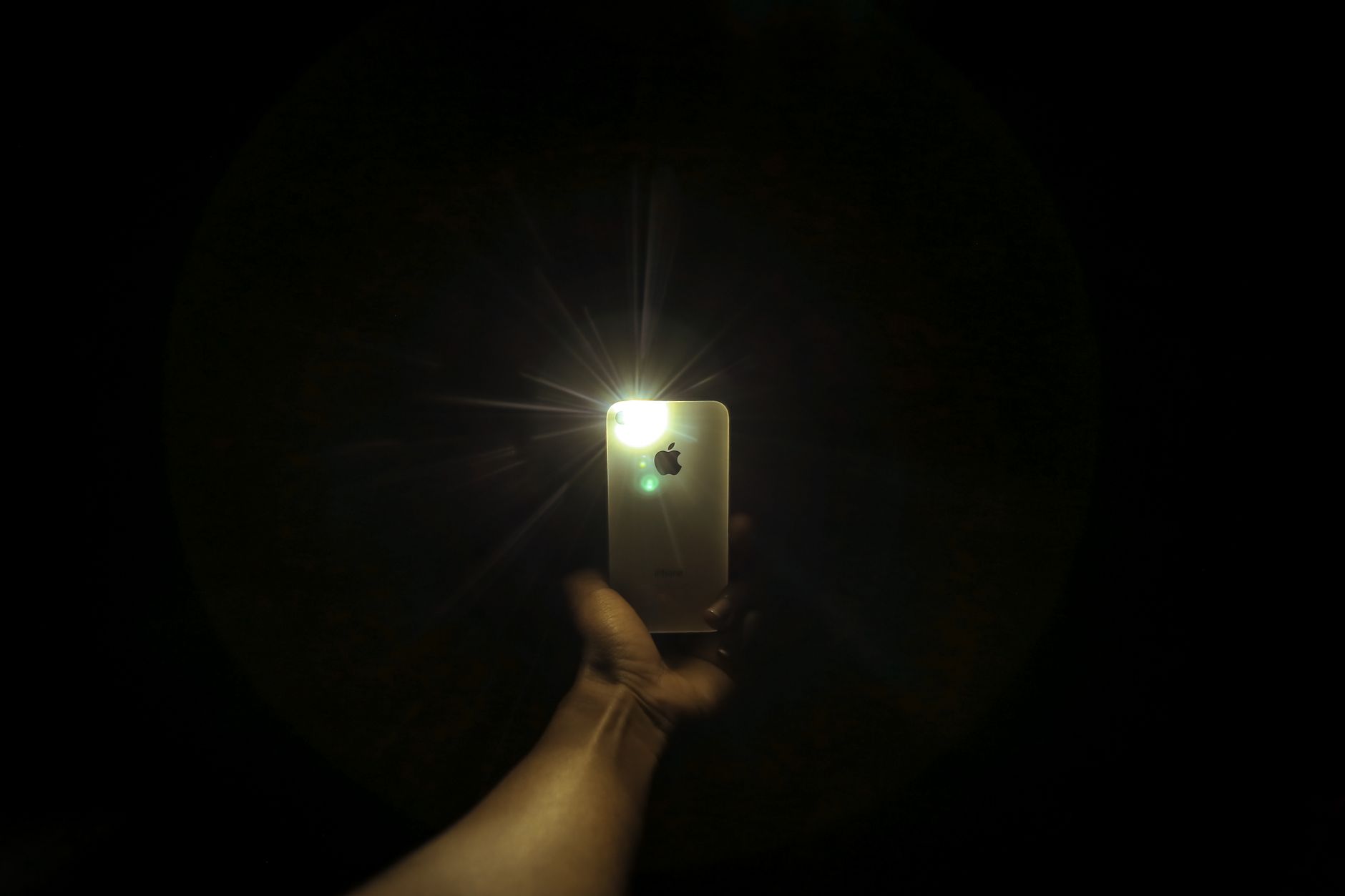
Photo by Gift Habeshaw 🇪🇹
The Autofocus Assist Lamp Mistake
Smartphones use the flash LED as an autofocus assist lamp in dim conditions. This pre-shot burst helps the camera lock focus on subjects before the main photo snap. Normally, it pulses briefly then shuts off.
In pitch-black rooms or heavy shadows, the assist lamp might stay lit longer. The camera keeps it on to gather enough light data, thinking conditions demand it. You see a steady glow, not the quick flash for exposure.
This differs from the photo flash itself. The assist acts like a spotlight for the lens to “see” better first. Users often mistake it for a malfunction because it lingers seconds past the shot.
Check your surroundings. Cover the lens partly or add ambient light to test. Forums like this Early Bird Club thread discuss similar issues where low light tricks the system into prolonged use.
Accidentally Locking Flash to ‘Always On’ Mode
You tap into the camera app, spot the flash icon, and switch it to “on” for one low-light pic. That setting sticks around, overriding auto mode and keeping the LED blazing for every shot.
On Android, look for the lightning bolt icon in the viewfinder; it shows “ON” instead of “AUTO.” iPhone users find it in the top-right corner during preview. Once locked, it ignores light sensors and stays constant.
This happens during quick mode changes or third-party apps that save preferences oddly. Your smartphone treats it as a deliberate choice, like flipping a room light switch to permanent.
Quick symptoms to watch:
- Flash ignites before you press shutter.
- Icon stays lit in the app.
- No change even in bright daylight.
Reset by swiping to “AUTO” or “OFF.” For details, see Business Insider’s Android guide. Simple tap fixes most cases without restarts.
When Video Mode Causes Continuous Light Issues
Switch to video recording, and the camera app might enable flash as a continuous light source. It provides steady illumination, unlike photo bursts, to avoid flicker in footage.
If you snap stills while recording or forget to exit video mode, the LED remains on. Some apps blend modes poorly, treating photos like video frames with torch support.
Picture this: you hit record in a dark space, then tap photo button mid-clip. The flash locks in video-style constancy. Battery drains fast, and subjects squint under the glare.
Android and iPhone both offer video torch options. Exit fully to photo mode to stop it. Videos like this Android tutorial show toggles that end the issue quick.
Test by force-closing the camera app via recent apps menu. Restart confirms if mode hangover caused the hold.
Quick Fixes: Restarting the Camera Application Properly
If the flash sticks on during a photo session, a quick restart of the camera app can clear temporary errors and reset the camera’s state. This move is simple, safe, and often resolves flickering or stuck LEDs without diving into deeper settings. Think of it as giving the smartphone a fresh start, like rebooting a computer when an app misbehaves. Below are straightforward, proven steps you can follow on both iOS and Android devices.
Fully Closing and Relaunching the Camera App
A complete close and relaunch of the camera app is a reliable first step. It clears temporary memory and resets the camera process, which often stops an LED from staying on.
On iPhone (iOS):
- From the Home Screen, swipe up from the bottom and pause in the middle of the screen to access the app switcher.
- Swipe left or right to locate the Camera app.
- Swipe the Camera app preview upward to close it.
- Open the Camera app again from the Home Screen or App Library. If you’re unsure whether the app was truly closed, repeat the swipe gesture and ensure the Camera card disappears from the switcher before reopening.
This method is recommended by Apple support for unresponsive apps and is a safe way to reset the camera state. If you need a visual guide, you can check how to close an app on iPhone at Apple’s official support page.
Useful link: Close an app on your iPhone or iPod touch
On Android:
- Tap the Recent Apps button (the square or the Overview button) to bring up all open apps.
- Find the Camera app in the list.
- Swipe the Camera app off the screen or swipe it away to force-close it.
- Reopen the Camera app from your home screen or app drawer.
For Android users, force closing clears the app’s current session and can resolve stuck flash issues caused by lingering background tasks. If you want a quick reference, many guides illustrate how to close apps on Android phones via the recent apps screen.
Useful link: How to close apps on your Android phone
After you relaunch, test by taking a photo in a standard lighting condition to see if the flash behaves normally. If the problem persists, proceed to the next quick check.
- Quick tip for both platforms: a full device restart can sometimes help if closing the app alone isn’t enough. This ensures all camera processes are reset and can clear stubborn glitches.
Checking for Stuck Flashlight or Torch Settings
Sometimes the flashlight function gets confused with the camera flash. The main flashlight might stay on because the software treated it as a permanent light source, even when the camera is not actively using it. Turning off the flashlight in the quick settings panel or control center can resolve this misbehavior.
iPhone and iOS devices:
- Swipe down from the top-right corner (iPhone X and newer) or swipe up from the bottom edge (earlier models) to access Control Center.
- Look for the flashlight icon and ensure it is off. A lit icon means the flashlight is active and may appear as though the camera flash is stuck.
- If the icon is on, tap it to turn off the flashlight. After turning it off, re-open the Camera app and test in normal photo mode.
If the flashlight remains stubborn or reactivates unexpectedly, consider resetting the iPhone’s flashlight settings or verifying that no automation is re-lighting the LED.
Relevant reference: Turn the iPhone flashlight on or off
Android devices:
- Swipe down to open Quick Settings.
- Find the flashlight/torch tile and ensure it is off.
- If it was on, tap it to turn off, then retest the camera.
Sometimes third-party apps or automation shortcuts can trigger the flashlight outside of the Camera app. If you notice the LED turning on without intent, review any recent app installs or routines that might control the torch.
Useful reference: Open & close your Camera app on your Pixel phone
Why this matters: the torch can operate independently of the camera app, and when it stays on, it can create the impression that the camera flash is stuck. Turning the flashlight off at the system level ensures you aren’t chasing a phantom LED.
- Quick diagnostic check:
- After turning off the flashlight, open the Camera app and switch to a basic auto mode.
- Take a photo in a well-lit room and observe whether the flash remains idle.
- If the LED stays off during typical daytime shots, you’ve likely eliminated the root cause.
If you’re still seeing the LED stay on after these steps, a deeper look at third-party camera apps or a software update may be needed. In many cases, updating the camera app or the device’s OS resolves recurring torch-related quirks.
- Additional reading and guides:
- Open & close your Camera app on your Pixel phone
- Turn Off Flashlight on iPhone and Fix Flashlight Issues
Internal and external references provide practical, device-specific steps to ensure your smartphone’s camera functions return to normal quickly. If you want to explore more detailed troubleshooting, you can consult the official support resources linked above.
Adjusting Flash Settings in Your Camera App
When your camera’s LED refuses to quit, adjusting the flash settings can be the quickest path back to normal photos. This section walks you through practical, targeted tweaks you can apply right away. You’ll learn how to switch between flash modes, reset related preferences on Android, and check for issues caused by third party camera apps. Each step is designed to be simple, repeatable, and effective so you can snap confidently again.
Switching from ‘On’ to ‘Auto’ or ‘Off’
Understanding the visual cues in your camera app helps you move fast when the flash acts up. Most devices show a small lightning bolt icon to indicate flash status. Here’s how to approach switching modes and testing:
- Lightning bolt with A or Auto: This is the recommended starting point. Set the flash to Auto, then take a few test shots in varying light. If the LED still activates unexpectedly, you have a stronger case for the issue being something other than auto exposure.
- Lightning bolt with On: This indicates the flash is forced to stay on. If you see this icon, try switching to Auto first to let the phone decide based on lighting, then test again. If the problem persists, move to Off as a last resort.
- Lightning bolt with an X or Off: This means the flash is disabled for still photos. If you’re troubleshooting, switch to Auto or On temporarily to observe how the camera behaves, then return to Off if needed.
Test procedure you can reuse:
- Set the flash to Auto and take a photo in a dim room. Observe whether the LED fires only as needed.
- If the LED stays on or behaves oddly, switch to Off for a few shots in the same lighting to confirm the change sticks.
- If Auto still misbehaves, try a quick restart of the camera app or the device to clear any stuck state.
If you want a quick reference that covers both iPhone and Android, you can check the basic guidelines in these guides: Use iPhone camera tools to set up your shot and a practical Android turn-off tutorial How to turn off auto flash. These resources illustrate how the icons and modes map to real actions on each platform.
Resetting Camera App Preferences (Android Specific)
If the flash keeps returning to a constant glow after you’ve switched modes, a reset of the camera app preferences can clear stubborn misconfigurations. On Android, clearing data resets all camera settings to their defaults, which often resolves persistent glitches.
- Open your device’s Settings and navigate to:
- Apps > Camera > Storage > Clear Cache and then Clear Data.
- After clearing data, reopen the Camera app and test in a familiar lighting scenario. You should see the app behave as if it were freshly installed.
A quick reference from a community and support guides: clearing the cache and data can fix camera quirks on Android devices, especially when the camera app seems to hold onto old preferences. For example, guides from Samsung community members outline the exact path and emphasize that clearing data resets all custom camera settings back to default—this is often the simplest fix for stubborn glitches. If you want to see a concrete walkthrough, you can review discussions like the Samsung Community post on clearing cache and safe mode testing.
Tips to keep in mind:
- Clearing data erases custom presets, saved scenes, and any tweaks you made in the camera app.
- After the reset, reconfigure your preferred settings slowly and test after each change to isolate what works for you.
If you’d like more context on Android camera troubleshooting, the Asurion guide on Android camera issues provides additional steps that pair well with a data reset, including software updates and basic force restarts.
Checking Third-Party Camera Applications
If you use a camera app other than the stock launcher, the persistent flash issue may live there rather than in the default app. Third-party apps can hold onto their own flash settings or override device defaults, triggering the LED to stay on even when the stock camera behaves normally.
- Open the third-party camera app and check its flash mode. Set it to Auto or Off and test with a few photos.
- Compare results by switching back to the default camera app and taking shots in the same lighting. If the default app behaves correctly while the third-party app does not, the source of the issue is likely the third-party app.
- Review recent app installations or updates that might introduce new flash behavior or automation that reactivates the torch unexpectedly.
Real-world notes and community discussions highlight how third-party apps can complicate flash behavior across both iPhone and Android ecosystems. For a sense of how other users troubleshoot this path, you can explore threads discussing third-party camera behavior and how to isolate the source of the issue. If you want a quick starting point, see discussions around camera performance with third-party apps and flash behavior, which often point to testing the stock camera as the simplest diagnostic.
She Pressed Play on a Strange Audio Track and Within Days Her Financial Reality Started Shifting in Ways She Could Not Explain
>>> See How It Works <<<

Helpful links for deeper dives:
- Apple discussions on camera behavior with third-party apps
- General guidance on flash and torch issues across devices
By confirming whether the problem vanishes in the default camera app, you can pinpoint the source quickly. If the default app is clean but a third-party app is not, consider updating or removing the troublesome app until you find a stable setup.
External resources to help you troubleshoot:
- Why isn’t my device’s camera flash working? Help Center guidance that covers general fixes
- A basic guide to third-party app interference with camera features
If you want, you can look up quick, platform-specific tips for managing third-party apps and camera permissions through official support pages. Keeping your device up to date minimizes the chance of flash quirks caused by older software.
Links you may find useful as you troubleshoot:
- Why isn’t my device’s camera flash working? Help Center
- Camera issues with third-party apps on iOS and Android discussions
In summary, start with the stock camera app and its Auto mode, then test with a few test shots. If issues persist, reset camera preferences on Android and check third-party apps for mischief. A measured approach keeps you from chasing phantom LEDs while you restore normal photo quality.
Deep Troubleshooting: System and Software Solutions
When the camera flash stays on during phone photos, the issue is rarely just a hardware fault. Often the culprit is software or a temporary system state that can be fixed with targeted tweaks. This section focuses on robust, proven approaches that users can apply quickly. The goal is to reset the software footing so the flash behaves normally again, without jumping to a factory reset unless truly necessary. Throughout, you’ll find practical steps that work on both iPhone and Android devices, with clear guidance you can follow in a few minutes.
The Power Cycle: Completely Restarting Your Phone
A full restart clears temporary memory where glitches that affect hardware control, like the flash circuit, can hide. Think of it as giving the entire system a fresh start. Restarting is a safe, non-destructive step that often resolves stuck LEDs before you consider more drastic moves like a reset.
- Why it helps: temporary memory and stuck processes get flushed, and the camera subsystem reinitializes cleanly.
- How to do it: power off the device completely, wait 15–30 seconds, then power back on and test in normal photo mode.
If your device is acting oddly again after the restart, proceed to the next steps. For iPhone users, Apple’s guidance covers force reboots when devices become unresponsive, which can be a quicker path if a standard restart isn’t enough. See: Force restart iPhone. For Android users, a device restart can also clear stubborn camera states.
Helpful references:
- Force restart iPhone: https://support.apple.com/guide/iphone/iph8903c3ee6/ios
- Why isn’t my device’s camera flash working? Help Center: https://help.backmarket.com/hc/en-us/articles/5679608007580-Why-isn-t-my-device-s-camera-flash-working
Updating Your Smartphone’s Operating System and Camera Software
Software updates often fix bugs that affect core components, including the camera processing unit and flash behavior. Keeping the OS and the camera app current ensures you have the latest stability improvements and safety patches. Check both major platforms in their respective update sections.
- On iPhone: go to Settings > General > Software Update.
- On Android: Settings > System > Software Update (varies by manufacturer). If you use a manufacturer launcher, also check the preloaded camera app and any built-in updater.
Why this matters: updates close gaps that cause the LED to stay on due to misinterpreted sensor data or faulty exposure logic. In many cases a straightforward update resolves the issue without further steps.
Helpful references:
- If the camera or flash on your iPhone, iPad, or iPod touch isn’t working: https://support.apple.com/en-us/102514
- Why isn’t my device’s camera flash working? Help Center: https://help.backmarket.com/hc/en-us/articles/5679608007580-Why-isn-t-my-device-s-camera-flash-working
When a Factory Reset Might Be Necessary
A factory reset is a last resort. It wipes all data and returns the device to its original software state, which can resolve deep software conflicts that simple resets cannot. If you reach this step, back up all important data first. This ensures you can restore photos, messages, apps, and settings after the reset.
- What it does: restores the system to factory defaults, removing apps, custom settings, and data.
- Why it fixes deep issues: it eliminates software corruption, misconfigured permissions, and stubborn background processes that may keep the flash active.
Before you proceed, confirm that you have a complete backup. Then follow the device’s instructions for performing a factory reset. After the reset, install essential apps gradually and test the camera flash with each step to ensure the problem does not return.
External references for deeper guidance:
- For iPhone users, general reset guidance: Apple support resources linked above
- Android factory reset basics: manufacturer support pages
Take this step only if the other fixes fail to stop the flashlight from staying on during photos. It’s powerful, but it also erases personal data and settings.
If you want a quick sanity check before resetting, review third party camera apps and reset camera app preferences as a lighter alternative. Sometimes the clash is caused by a misbehaving app rather than the system itself.
External resources to support your decision:
- How to force your device to restart (Android and iOS tips)
- Android camera issues and resets: a practical approach to clearing app data and caches
Bottom line: use a factory reset only after you’ve exhausted non-destructive options and you’ve backed up everything you value. A careful, staged approach keeps you in control and minimizes data loss.
External links sprinkled for practical context:
- How to turn off auto flash on Android: https://www.youtube.com/watch?v=d-ps9H5wKOI
- Turn the iPhone flashlight on or off: https://support.apple.com/en-us/102514
Key takeaways from this section
- Start simple with a full device restart to clear transient faults.
- Keep software up to date; many flash glitches are fixed in updates.
- Reserve a factory reset for when nothing else clears the problem and you have a complete backup.
- Always verify the issue using the stock camera app first, then test third party apps for interference.
Hardware Failure: Recognizing When It’s Time for Repair
Recognizing when a hardware issue is the culprit behind a camera flash stuck on is essential. This section helps you differentiate between software quirks and actual flash hardware faults. You’ll learn to spot clear signs, decide when to seek professional help, and avoid wasted time chasing fixes that won’t solve the root cause. If the LED stay on despite your best software tweaks, it’s time to consider repair options or a warranty check.
Signs Your Flash Hardware Might Be Damaged
- The flash flickers erratically when you are not taking photos. This isn’t a normal pre-flash or autofocus assist; it’s an indicator that the LED driver or wiring could be failing.
- The phone’s LED light doesn’t illuminate at all when you try to take a picture. The flash could be burnt out or the control circuitry may be damaged, preventing any light from triggering.
- The phone overheats near the camera area after long usage or during attempts to use the flash. Heat build up around the camera module often points to a failing driver, short, or defective LED component.
- Symptoms persist across apps and across both photo and video modes. If both native and third party apps show the same behavior, the odds favor a hardware fault rather than a software quirk.
- There is a noticeable rattle, loose housing, or unusual stiffness around the camera bump. Physical looseness can affect the LED alignment or the circuitry that drives the flash.
When you observe these signs, you’re comparing a hardware fault to a software glitch. A flicker that appears with no app interaction or a complete failure to light up typically signals hardware trouble rather than a misconfigured setting. For a quick sanity check, test in a well lit environment and compare results between the stock camera app and a trusted third-party option; if the issue remains, you’re more likely facing hardware failure. For additional context on common hardware symptoms, see guidance on device camera issues from reputable repair guides.
Photo: Exploded view of smartphone components showcasing intricate technological design.
Photo by Dan Cristian Pădureț — https://www.pexels.com/@paduret
Seeking Professional Help and Warranty Checks
If software updates, resets, and app troubleshooting don’t fix a perpetually stuck flash, it’s wise to connect with a professional. Start with the manufacturer’s support or an authorized service center, especially if your device is still under warranty. A hands-on assessment can confirm whether the issue is confined to the flash module or part of a broader camera unit fault.
- Check your warranty status first. Many brands provide online tools to verify coverage. If you’re eligible, repairs may be covered or offered at a reduced cost.
- Contact the manufacturer support team. Explain the issue clearly, noting when the flash sticks, any abnormal heating, and whether it affects video as well as photos.
- Consider a reputable repair shop if the device is out of warranty. Look for experienced technicians who specialize in your model and offer a clear inspection process, transparent pricing, and a parts warranty.
To determine warranty coverage, use official channels:
- Apple devices: check coverage at the official Apple Check Coverage page and input your device serial. If you have AppleCare, the plan details will show there.
- Android devices: many manufacturers provide online tools to verify warranty status and available service options.
If you prefer quick reading on common repair paths, explore trusted repair networks that offer camera module diagnostics and replacement services. For example, professional camera repairs for smartphones are commonly available through established chains, and they can provide a same-day assessment in many locations. Be sure to ask for a written estimate before any work begins, and verify whether the service includes a warranty on parts and labor.
External references to help you plan:
- Why isn’t my device’s camera flash working? Help Center
- Smartphone camera repairs | uBreakiFix by Asurion
If you’re deciding between a DIY approach and professional service, err on the side of caution with hardware faults. A poorly performed repair can introduce new issues or void existing warranties.
Images and real-world guidance:
- Exploded view of smartphone components to understand where the LED driver sits and how it connects to the mainboard.
Photo by Dan Cristian Pădureț — https://www.pexels.com/@paduret
Tips for a smoother repair decision:
- Gather your device’s model, purchase date, and any prior service history before contacting support.
- Back up data before any service that might require resetting or firmware reinstallation.
- If you’re near a manufacturer store, scheduling an appointment typically reduces wait times.
Useful resources for warranty checks and repair options:
- Apple Check Coverage: https://checkcoverage.apple.com/
- Find warranty information for Android devices: official manufacturer support pages
- Manufacturer-supported repair services: store locator pages for major brands
If you want, you can browse channel partners and certified repair options in your region to compare turnaround times and pricing before making a choice. This approach keeps you informed and reduces the risk of unnecessary replacements.
Conclusion
Most flash issues start with a simple setting or app state, not a hardware failure. Begin by checking the camera app settings, then force close the app and retry, and if needed update the OS and camera software. If the LED still behaves oddly, test with a different camera app and watch for third party interference or broken permissions. Only after these steps should you suspect hardware symptoms or a deeper software conflict.
Across devices, many fixes are quick and reversible, which makes this problem highly solvable for most smartphone users. A calm, methodical approach saves time and avoids unneeded repairs. If you’re back to normal auto exposure, you can continue capturing great moments without the fear of accidental glare. If you want, share your experience and which step finally fixed your camera flash.
Thousands of People Were Struggling With Money Until They Discovered This One Ancient Secret Hidden in Sound
>>> Unlock It Now <<<