Thousands of People Were Struggling With Money Until They Discovered This One Ancient Secret Hidden in Sound
>>> Unlock It Now <<<

Running out of storage never hits at a good time, especially when a new game is calling your name. If your phone shows the message not enough space for games, this guide will help you fix it quickly and keep gaming smooth.
You’ll learn quick fixes that work on both Android and iPhone, from freeing up storage to managing game data more efficiently. We’ll cover simple steps you can take now and longer term strategies to prevent future space crunches, so you can keep enjoying your favorite titles without interruption.
Why your phone shows not enough space for games
When a new game pops up and your device says not enough space, it can feel like a roadblock just when you want to play. This section breaks down why that message appears and what really eats into your storage. By understanding the different storage components and where to look first, you’ll spot the true bottlenecks and take quicker, smarter action.
Understand how phones store games and data
Games use space in several distinct ways, and confusing them leads to wasted time freeing the wrong things. Here’s a simple way to picture it:
He Was Drowning in Bills and Burnout Until a Simple Daily Ritual Rewired His Brain for Wealth in Less Than a Week
>>> Start Your Shift Today <<<

- App size is the core footprint of the game that you see when you download it. Think of this as the “box” the game comes in. For many games, this is a few hundred megabytes to a couple of gigabytes.
- App data includes everything the game creates and keeps as you play: saved games, progress, character data, settings, and unlocked content. You can imagine this as the “contents” inside the box. If a game saves a lot of progress or outfits, its data can grow substantially over time.
- Cache is temporary data the game stores to speed things up. It may include downloaded resources, level assets, or preloaded game maps. Cache helps the game load faster but can balloon if the app isn’t regularly cleaned up.
To bring this to life, think about a photo-heavy game. The app size covers the initial install, the app data stores your progress and saved files, and the cache holds recently loaded textures or levels for quick access. If you’re short on space, you might find that a large game with many saved files and a growing cache is the main culprit, even if you don’t notice it at first.
For further reading on how app size, data, and cache differ in practice, see expert breakdowns and comparisons from reputable sources. What’s the difference between device storage and iCloud storage? and How to Free Up Storage on Your Phone: iPhone vs Android provide solid context on how these components interact across platforms.
Different storage places you should know
Your phone has several places where data can live, and not all of them are equal in how easy they are to manage. Here are the main spots to consider:
- Internal storage: This is what most people refer to as the phone’s main storage. It holds the operating system, apps, app data, and local media. If you’re running out of space, the first place to check is internal storage usage.
- External options on Android: A microSD card can add extra space for media and some apps. Not all apps can store data on the card, and some Android devices limit which data can be relocated. If you frequently save large games or video content, a microSD card offers a straightforward expansion path.
- iPhone storage: iPhones use built-in flash storage with no user-accessible expansion. When space runs short, you’ve got a few options like offloading unused apps, enabling iCloud backups, or moving photos and videos to the cloud. In the long run, choosing a higher-capacity model helps avoid frequent fan-out storage decisions.
- Cloud storage: Data can stay in the cloud if you move or back up certain content. Photos, videos, and documents often sit in iCloud, Google Drive, or similar services. This keeps your device storage free while letting you access files later.
Understanding these locations helps you decide where to free space first. If you’re juggling several large games, moving media to the cloud or pulling off older apps can free up meaningful space without sacrificing access to your essential data.
If you want deeper guidance on storage options, check out practical overviews from trusted sources like Apple’s guidance on device versus cloud storage and general tips for freeing up space on iPhone and Android. What’s the difference between device storage and iCloud storage? and How to Free Up Storage on Your Phone: iPhone vs Android offer useful comparisons and concrete steps.
How to quickly check available space on iPhone and Android
Knowing where to look is half the battle. Below are straightforward, step-by-step checks for both platforms, highlighting total space, used space, and which large apps you might consider managing.
- iPhone quick check:
- Open the Settings app.
- Tap General, then iPhone Storage.
- Review the bar at the top for total vs. available space and scan the list of apps to identify the biggest space hogs.
- Tap any large app to see its data usage and options like Offload App or Delete App.
- Useful tip: iOS also suggests storage-saving recommendations under the same screen, such as storing photos in iCloud and reviewing large attachments. For more details, see Apple’s official steps: How to check the storage on your iPhone and iPad.
- Android quick check:
- Open Settings and go to Storage.
- Review the breakdown of used space by apps, media, and other data.
- Tap Apps to see individual app sizes and data usage, then decide what to clear or uninstall.
- If your device supports it, consider moving photos to cloud storage or an external SD card to free internal space. If you want a practical walkthrough, this guide is helpful: How to Check Storage Space on Phones (Android & …)
If you’d like to compare how much space apps typically take on iOS versus Android, you’ll find credible analysis that shows app sizes and growth after installation. For example, a roundup of app size comparisons discusses how iOS apps tend to be larger on initial install, with Android apps growing differently over time. Do iPhone or Android Apps Use More Storage? We … and Why iOS Apps Take More Storage Than Android and What You Can Do About It offer useful insights for understanding these dynamics.
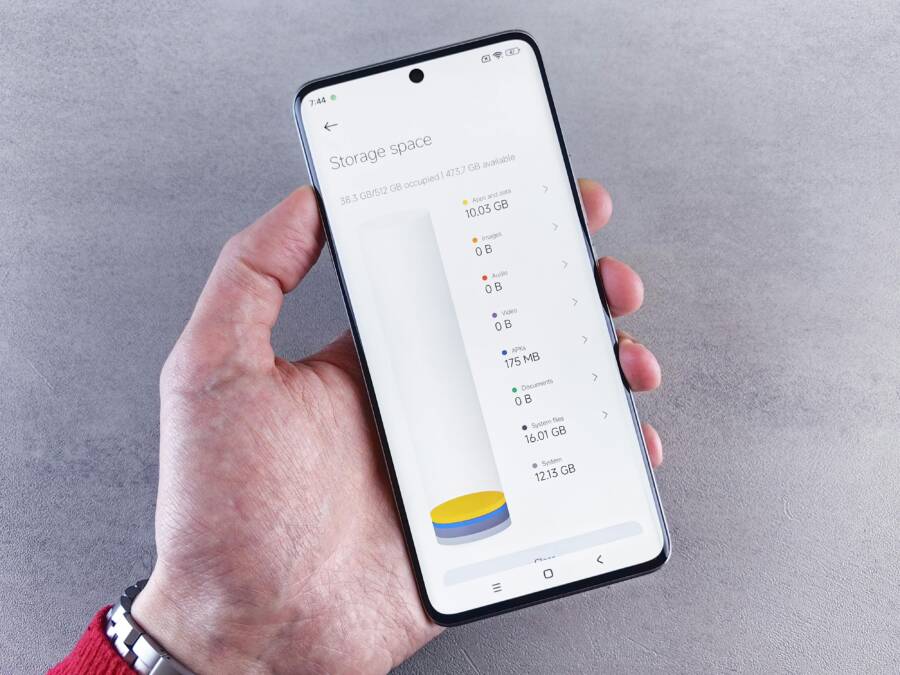
Images can help you visualize where space is going on your phone. Consider a photo that shows a phone screen with a storage chart, like this one:

Photo by Andrey Matveev
This quick check habit makes it easier to act fast when a game download fails due to storage limits. If you want to dig deeper, the official guidance from Apple and Android cover more nuances about storage management on each platform. What’s the difference between device storage and iCloud storage? and How to Check Storage Space on Phones (Android & …) are solid starting points.
If you want the next sections tailored to a particular device model or a specific set of steps, I can adjust the guidance to fit your audience’s typical devices and use cases.
Quick wins to reclaim space now
When your device tells you there isn’t enough space for games, you don’t have to wait for a big cleanup. These quick wins target the main culprits—apps, data, and media—so you can reclaim space fast and get back to gaming. Each step is designed to be practical for both Android and iPhone, with clear notes on what might be lost and how to prevent it.
Clear app caches and temporary files
Clearing caches can free up a surprising amount of space without touching your personal data. Here’s how to do it and what to expect on each platform.
- Android
- Go to Settings > Apps and select a specific app.
- Tap Storage and then Clear cache. If you want to free more space, you can also use Clear data, but that will reset the app to its initial state.
- Note: Clearing cache removes temporary files only. Your saved games, progress, and settings stay intact. If you’re unsure, proceed with the cache option first.
- Quick tip: Clearing cache for several large apps can add up quickly. You’ll likely notice a renewed response time and a small bump in free space.
- iPhone
- iOS handles cache differently. You won’t see a universal “clear cache” button. Instead, you can offload apps to reclaim space without losing data.
- How to offload: Settings > General > iPhone Storage. Tap an app and choose Offload App. This removes the app binary but preserves documents and data. Reinstalling the app restores your progress.
- If an app is stubborn about space, consider temporarily deleting and reinstalling it. Your data will usually be preserved within the app’s store data when you re-download, but verify you’re not relying on local-only data.
- Remember: Offloading is a safe first step, but if you truly need space fast, a targeted delete may be necessary.
Why this matters: caches speed up your games, but they aren’t essential long term. Regularly trimming the cache keeps your device lean and responsive without risking your core data. For more details on how device and cloud storage relate, see official guidance from Apple and Android.
External references to explore:
- Clear your cache and cookies on iPhone
- How to clear app cache on your phone
Delete or offload unused games
Not every game needs to stay on your device. Free up space by either offloading or deleting apps, and learn to identify the big space hogs in your library.
- What’s the difference between offloading and deleting
- Offloading (iPhone): Removes the app itself but keeps its documents and data. Reinstalling the app later brings back your progress and settings without starting from scratch.
- Deleting (iPhone and Android): Removes both the app and its data from the device. If the game stores progress on cloud or across accounts you can sign back in later, you’ll regain access, but local saves may be lost unless they’re synced.
- Android offers similar options, including “Uninstall” or “Clear data” for a fresh start. Some apps may offer their own cloud sync, so you can re-download later and pick up where you left off.
- How to identify large or rarely used games
- On iPhone: Settings > General > iPhone Storage shows a list of apps with their sizes. Tap a large game to see options like Offload or Delete.
- On Android: Settings > Storage > Apps shows per-app sizes. Look for games with the biggest footprint; sort by size if your device supports it.
- Quick heuristic: prioritize games you haven’t opened in weeks or those installed long ago with large caches and local saves.
- Practical steps you can take now
- Scan your library for apps over a certain threshold (for example, anything bigger than 1 GB).
- Offload or delete a handful of the largest, least-used games.
- Recheck free space and attempt a new download. If space remains tight, repeat with the next set.
Why this matters: games accumulate a lot of data over time, from saved progress to extra assets. Offloading gives you a quick way to reclaim space without sacrificing your game library entirely. For deeper reading on the offload vs delete distinction, see credible guidance on both iPhone and Android platforms.
External references to explore:
- Difference between offload and delete apps iPhone Android
- How to check storage space on iPhone and Android
Move photos, videos, and media to cloud or computer
Media files are the biggest space eaters for many users. Moving photos, videos, and other media to the cloud or a computer can free substantial space while keeping access to your memories.
- Cloud storage options to consider
- Apple iCloud, Google Drive, and OneDrive are common choices. Each offers automatic photo backup options and selective sync so you can keep a lean local library.
- For a broad look at top cloud storage apps, see guides that compare options and highlight ease of setup. This helps you pick the best fit for your workflow.
- Quick setup steps:
- Enable auto-backup for photos and videos in the cloud app.
- Choose whether to keep originals or optimize storage on the device.
- Verify that the cloud app is linked to the correct account and that backups completed before you delete local files.
- Uploading to the cloud step by step
- Install the cloud app from the store and sign in.
- Turn on camera roll or gallery backup.
- Run a backup on a reliable Wi-Fi connection.
- After backup completes, verify a sample file in the cloud to confirm everything is in place.
- Optional: enable “free up device storage” or “optimize storage” options if your platform offers them.
- Local computer backups as a safe alternative
- Connect your device to a computer with a cable and copy your media folders. On Windows, you can use File Explorer; on macOS, Finder works well.
- Regularly back up your entire media library to an external hard drive for an extra layer of safety.
- This approach keeps your memories accessible even if you switch devices later.
Why this matters: media files grow fast, especially videos and high-res photos. Cloud backups reduce the strain on your device while preserving access, and local backups offer a dependable second option. For readers seeking a broader view of cloud storage best practices, see cloud storage reviews and setup guides.
External references to explore:
- The best cloud storage apps in 2025
- Best cloud storage for photos
- Best cloud storage for ease of use
Tips to keep future space under control
- Set up automatic backups for media so your device stays lean.
- Review large apps and media every few months to prevent surprises.
- Consider upgrading storage capacity if you frequently hit the limit.
This quick-win framework helps you reclaim space fast and keeps your smartphone ready for the next big download. If you’d like, I can tailor these steps to your exact device model and the specific games in your library.
Reorganize apps and game data for space efficiency
When your phone screams not enough space for games, it’s easy to panic. The answer isn’t always a big reset or a new device. Reorganizing how apps and game data are stored can unlock substantial breathing room with minimal risk. This section walks you through practical, platform-aware strategies to reclaim space by moving, offloading, and tidying data. Think of it as a careful reorganization of a crowded wardrobe: you keep what you truly use, relocate what can live elsewhere, and clear out the rest without losing your favorite content. Below are targeted steps you can take now, plus a few longer term habits to keep space under control.
Offload or reinstall large games without losing progress
Offloading is a smart move on iOS and a useful option on Android for reclaiming space while preserving your game progress. The idea is simple: remove the game’s app binary but keep its documents and data so you can pick up where you left off after you reinstall.
- On iPhone:
- Go to Settings > General > iPhone Storage.
- Tap a large game and choose Offload App. This removes the app while keeping its data.
- When you’re ready to play again, reinstall the app from the App Store. Your saved progress, settings, and unlocks return with the app.
- If space is extremely tight, you can delete the app entirely, but be mindful that local saves could be lost if they aren’t synced to the cloud or a game account.
- On Android:
- Some devices and apps support a similar approach, but the exact steps vary by manufacturer. A common path is to open Settings > Apps, select a game, and look for an option to Uninstall with data preserved or a similar offload-like feature. If your device doesn’t offer a formal offload option, you can uninstall the game and rely on cloud saves or account-based progress when you reinstall.
Why this matters: offloading lets you reclaim space quickly without giving up your game library. When you’re ready to dive back in, you’ll resume right where you left off instead of starting over. If you want a deeper dive on how offloading compares with full deletion on both platforms, see guides that compare “offload vs delete” in practical terms. For example, you can explore how offloading works on iOS and Android and what data is preserved in each case.
- External reference to explore: What Does Offload App Mean? A Complete Guide to Offloading Apps on iPhone and Android
- Another practical step-by-step on iOS offloading: How to Offload Apps on iPhone 14: A Step-by-Step Guide to Free Up Space
Tip: to minimize future friction, enable automatic offloading when available. That way, your device trims space in the background while you continue playing. If you’re curious about how to best manage game data and progress across platforms, a quick read on cloud-backed saves can be helpful. See guides that summarize backup approaches for Android and iPhone saves.
- External reference to explore: How to backup your game data
Example in practice: you’ve got a 4 GB title with 2 GB of local saves and assets. Offloading the app binary frees several hundred megabytes immediately. When you reinstall, your progress reappears because the game’s cloud or account save has stored the critical data. This keeps your library intact and your device lean.
He Was Drowning in Bills and Burnout Until a Simple Daily Ritual Rewired His Brain for Wealth in Less Than a Week
>>> Start Your Shift Today <<<
Clear game saves and per game storage
Games pile up data over time. Clearing saves or per-game data can create noticeable space, but you should do it with a plan. The key is to back up saves first and know when it’s safe to clear caches or data within a game.
- Back up saves before clearing data
- Many games support cloud saves or account-based progress. Confirm you’re signed in and that cloud saves are enabled.
- For Android, some games store progress in Google Play Games or the app’s own cloud service. Check the game’s settings for “Backup” or “Cloud Save” options.
- For iOS, iCloud or the game’s own cloud service often holds progress. Verify you’re connected to the right account and that backups completed successfully before any cleanup.
- When it is safe to clear cache or data within a game
- Cache clearing is generally safe and won’t remove your core progress. It can erase temporary assets that the game re-downloads as needed.
- Clearing data within the game is riskier. It resets progress if the game does not rely on cloud sync. Only clear data after you’ve confirmed a reliable cloud save or account-based backup.
- Practical approach you can follow now
- Open the game’s settings and locate cloud save or backup options. Ensure they’re enabled and that recent saves show up in the cloud.
- If the game offers a built-in “Clear cache” option, try that first. If you don’t see a cache option, you can clear the app cache via the system settings on Android.
- If you must free more space, consider clearing per-game data only after confirming a solid backup. Then reinstall the game to repopulate data from the cloud when possible.
Why this matters: you can reclaim space without losing your hard-earned game progress. The safest route is to back up first and use cloud saves as your safety net. If you want practical guidance on safe backups and the best timing to clear per-game data, check out recommended guides on cloud save management and in-game data handling.
- External reference to explore: Will Clearing Data Delete Your Mobile Game Progress? – ExpertBeacon
- Backup-focused Android guidance: How to backup your game data
Tips to prevent data from creeping back
- Run a quarterly check on per-game data usage and cloud save status.
- Keep a small, organized list of games that use the most space and monitor their updates.
- When you uninstall a game, always confirm your saves are safe before removing the app completely.
Move or relocate game data to external storage if supported
Relocating large game assets to external storage is an efficient way to expand usable space on Android devices that support SD cards. When the option exists, moving heavy data out of internal storage can dramatically cut down on space used by games.
- Simple steps for Android users
- Check if your device supports moving apps or data to an SD card. Not all games permit relocation of their data, and some device brands restrict what can be moved.
- If supported, go to Settings > Apps or Settings > Storage, select the game, and look for an option to move to SD card. The wording varies by device, but the action is the same: relocate large data folders from internal storage to the SD card.
- After the move, monitor performance. Some games may fetch data from the card more often, which can affect load times or stability on slower cards.
- If you ever need to revert, you can move the data back to internal storage.
- Additional tips
- Use a fast microSD card (Class 10 or UHS-rated) to minimize any potential lag when assets load from external storage.
- Organize the SD card with a dedicated games folder to simplify backups and transfers later.
Why this matters: for many users, games are the single largest space user. If your device supports it, moving assets to an SD card can create a sizable headroom on internal storage. This approach keeps your favorite titles installed while freeing the space you need for new downloads.
- External reference to explore: How to move apps to an SD card and recover storage
- Additional support: Moving apps to SD card on Android
Note: if you don’t have an SD card option on your device or if the game data cannot be moved, focus on offloading, cloud backups, or selective deletion of large, rarely used games. Sometimes a combination of these steps yields the best results.
Bulletproof habit to keep space in check
- Schedule a monthly review of your top space users—games, media, and large apps.
- Prioritize cloud backups for media and game progress to limit what stays on the device.
- Consider a storage expansion plan if you frequently run into space constraints.
This section equips you with practical moves to reclaim space without sacrificing your gaming library. If you’re unsure which steps to start with on your specific device, I can tailor the guidance to your model and the games you play. For further reading, explore the linked guides to offloading, cloud backups, and SD card moves to see how different platforms handle these tasks.
Long term storage habits for gamers
Keeping storage under control is a long term habit, not a one time fix. For gamers, this means a steady rhythm of backing up saves, cleaning up data, and planning for future capacity. With a practical approach, you can enjoy more titles without constantly chasing space. Below are targeted practices you can adopt now and carry forward.
Set up automatic backups for photos and saves
Backups protect your progress and your memories without you thinking about it. Start by enabling automatic backups for game saves and media, then pick the cloud or local options that fit your workflow.
- Cloud backup on iPhone and Android
- Photos and videos: turn on automatic backup in the Photos app on iOS or in Google Photos/OneDrive on Android. Choose “backup over Wi-Fi only” to avoid data surges, and enable “sync while charging” if you want to run backups without draining the battery.
- Game saves: many games support cloud saves tied to your account. Ensure you’re signed in with the same account across devices and verify that recent saves show up in the cloud.
- Practical tip: keep cloud backups enabled for photos and progress so you can offload local copies without losing access to memories or in-game milestones.
- Useful references: Back up your photos automatically and guides comparing device storage versus cloud storage can help you pick the best setup.
- Local and cross-device backups
- Use a computer or external drive as a secondary backup. Regularly copy your photos and game saves to a safe drive. This gives you an extra layer of protection if the cloud is temporarily unavailable.
- If you share a device with others, consider separate backup folders to keep everyone’s data organized and easy to restore.
- Quick-start plan: set a monthly backup window on a Sunday, so you’re covered even if you forget.
- Selection guidelines
- Prioritize automatic backups for media and cloud saves for games you care most about.
- Keep a small, clearly labeled archive for older game saves that you don’t expect to revisit soon.
- Do not rely on a single backup location. A dual approach reduces risk.
External references to explore:
- Auto Backup Photos to Google Drive on iPhone, Android, Computer
- The best cloud storage apps in 2025
Why this matters: automatic backups remove the guesswork and protect both your memories and your game progress. A dependable backup habit keeps you playing longer without worrying about space or data loss.
Regularly review installed apps and data
A monthly review helps you spot wasted space before it becomes a problem. It also reveals which apps and games truly earn their place on the device.
- Quick monthly cleanup checklist
- Check usage by app size and data.
- Identify large but unused games and media folders.
- Review cached data and clear what’s safe to remove.
- Confirm cloud backups for important saves and photos.
- Inspect downloads folder for duplicates or outdated files.
- Step-by-step routine
- Open Settings and inspect storage. Note the top space consumers.
- Tap into big apps to see their data footprint. Decide whether to offload, delete, or relocate data.
- Review media folders. Move old videos and photos to cloud storage or a computer.
- Run a final check of cloud backup status for game progress and media.
- Reassess the need for any remaining large apps. If something hasn’t been used in months, consider removing it.
- For iPhone users, offload apps when available to reclaim space without losing data. For Android, use the app-specific storage controls to clear data or uninstall as needed.
- Quick wins you can apply now
- Offload or uninstall the largest, least-used games.
- Move photos and videos to the cloud or a computer to free several gigabytes at once.
- Disable automatic video downloads for apps you rarely use.
External references to explore:
- How to Free Up Storage on Your Phone: iPhone vs Android
- 7 easy steps to organize and declutter your phone
Why this matters: a monthly audit keeps your device lean and responsive. It also helps you tune your setup for future games, so you don’t hit space constraints when new titles land.
Consider storage expansion or device upgrade when needed
At a certain point, upgrading storage or the device itself makes sense. Knowing when to act helps you avoid friction and keeps gaming habits sustainable.
- Signs it’s time to upgrade or expand
- You consistently exhaust internal storage despite regular cleanups.
- Large game installs, updates, and media exports push you over the limit.
- You frequently rely on external SD cards but notice slower performance or app compatibility issues.
- Your planned device purchase aligns with long term gaming needs, not just a quick fix.
- Choosing a store- or model-based path
- If you can’t expand storage on your current phone, assess models with higher built-in capacity or better efficiency for gaming data.
- Consider phones that balance storage with RAM and battery life, since larger apps and caches benefit from ample memory and sustained performance.
- For Android users, ensure the device supports moving apps or data to an SD card where feasible. For iPhone users, plan for higher storage tiers or cloud-forward workflows.
- How to decide the right capacity
- Estimate your typical game library size plus ongoing saves. Add a buffer for future titles and media.
- If you already hit 75–80% of storage regularly, upgrading now can avoid future bottlenecks.
- Look for devices that offer a practical path to cloud backups, fast storage, and good app support for large games.
- Practical plan
- List your top five games by storage footprint and estimate monthly growth.
- Compare upcoming devices and their storage options, including any expansion possibilities.
- Weigh the cost of higher storage against the convenience of cloud backups and offline access.
External references to explore:
- Phone Storage: How Much Do You Really Need? – Optimum
- Buying a new phone? This is how much smartphone storage you need – Tom’s Guide
Why this matters: the right storage capacity reduces future headaches. A well-chosen upgrade keeps your gaming library accessible and ready for the next big release, without constant archiving and juggling.
If you’d like, I can tailor these steps to your exact device model and the games you play. The goal is to keep your gaming library intact while maintaining headroom for new titles and updates.
When to reset or seek help
If the storage message sticks around after your best cleanup efforts, you may need to decide between a reset and getting help. This section lays out clear guidelines so you can act with confidence. You’ll learn when a soft reset is enough, what to expect from a factory reset, and when it’s smarter to contact support. The goal is to reclaim space without losing access to your games or data.
Soft reset and troubleshooting before a reset
A soft reset solves many quick storage and performance hiccups without touching your data. Think of it as giving your device a quick refresh to close stuck processes and clear temporary files.
- Quick reboot checklist
- Restart your phone. A simple power cycle can clear stuck apps and refresh memory.
- Close background apps you don’t need. On most devices, swipe away apps you aren’t using.
- Check for a software update. Updates often include storage and performance fixes.
- Clear app caches for the biggest space offenders. On Android, go to Settings > Apps, pick a large game, then Storage > Clear cache. On iPhone, offload the app if needed to reclaim space without losing data.
- Recheck available space after the reboot. If space has opened up, try the game download again.
- Quick diagnostic steps
- Review recent downloads and large media files. If you’ve added several large apps or videos, move or delete them temporarily.
- Toggle airplane mode for 30 seconds to reset network connections, then reconnect to Wi-Fi for a clean download.
- Run a single app install to confirm the issue is not a broader system problem.
- When to skip the reset
- If the issue resolves after a reboot and cache cleanup, you don’t need a reset.
- If only one app is misbehaving, focus on that app’s data and cache rather than a system-wide reset.
For deeper guidance on safe resets and device preparation, you can review expert steps from trusted sources on factory resets and device recovery.
- Useful references:
- Start Fresh: How to Factory Reset an iPhone or Android device
- How to Factory Reset Your Android
Photo:  Photo by Kelvin Valerio
Factory reset or dedicated data wipe
If soft resets and targeted cleanups don’t restore enough space, a factory reset can clear all data and return the phone to its original state. This is often the last resort before upgrading devices.
- What to back up before a reset
- Photos and videos to cloud storage or a computer.
- Contacts, calendars, and app data stored locally or in the cloud.
- Game saves that aren’t cloud-synced; confirm cloud saves are active when possible.
- Messages and other documents you value.
- How to prepare for the reset
- Ensure you have a complete backup across cloud and local storage.
- Sign in to the correct accounts on your new setup, so you can restore easier.
- Note down essential app logins and credentials you might need after reinstalling.
- What to expect after a factory reset
- The device returns to its default settings with a clean slate.
- You’ll need to reinstall apps, reconfigure accounts, and restore data from backups.
- Large games and media can be restored from cloud saves or re-downloaded as needed.
- Post-reset steps to reclaim space
- Reinstall only the apps you use, starting with game essentials.
- Rebuild your media library from cloud backups to avoid piling up files again.
- Revisit storage settings to enable automatic backups and smarter storage management.
If you’re unsure about the exact steps for your model, consult platform guides that explain how to reset while preserving data where possible. For reference, review guides on factory resets for iPhone and Android.
She Pressed Play on a Strange Audio Track and Within Days Her Financial Reality Started Shifting in Ways She Could Not Explain
>>> See How It Works <<<

- External references to explore:
- How to Factory Reset Your Phone and System Settings
- Factory Reset Android Phone Guide
Photo: none
If problems persist, contact support
When storage issues persist after careful resets and cleanup, reaching out to support can prevent data loss and provide device-specific guidance. Have a concise details packet ready to speed up troubleshooting.
- Details to collect before you contact support
- Device model and current OS version.
- Exact error message and when it occurs (app install, update, or during gameplay).
- Recent changes like new apps, OS updates, or failed backups.
- A short description of what you tried already (soft reset, cache clears, offloading).
- Screenshots or screen recordings of the issue, if possible.
- How to reach help
- Check the official support site for your device maker. They often offer live chat, email, or phone options.
- If you use a carrier or retailer support line, have your device IMEI or serial number handy.
- For Android devices, you can consult the Android Help center for storage tips and guided support.
- What you can expect from a support session
- The agent will ask for device details and steps you’ve taken.
- They may guide you through a diagnostic check or request a factory reset as a last resort.
- You’ll receive action items, including potential software updates or warranty considerations.
- When it’s sensible to escalate
- If the device is under warranty and a bug is suspected.
- If the issue blocks the device from normal use and no other fix works.
- If data loss risk is high and you need expert backup and restore assistance.
If you want more guidance on what information to prepare before you contact support, you can review general storage help resources from platform providers.
- Useful references:
- Free up space – Android Help
- Not enough storage on iPhone discussions
- How to factory reset your Android
Images are optional as your layout requires. If you want a visual cue, a simple diagram or photo of a phone with storage indicators can help readers quickly scan the section.
This set of steps gives you a clear path from a soft reset to expert help. Use it to decide the right move for your situation, keep your library intact, and stay in the game. If you’d like, I can tailor the guidance to your device model and the games you play.
Conclusion
freeing space for games on a smartphone doesn’t have to be hard. Start with quick wins like clearing caches, offloading large apps, and moving photos to the cloud. Build a simple plan: back up saves, remove unused titles, and keep a small folder of big space users for monthly checks. If you still hit the limit, consider data relocation options or a storage upgrade to keep your smartphone ready for the next big download.
Thousands of People Were Struggling With Money Until They Discovered This One Ancient Secret Hidden in Sound
>>> Unlock It Now <<<