Thousands of People Were Struggling With Money Until They Discovered This One Ancient Secret Hidden in Sound
>>> Unlock It Now <<<

Seeing the no SIM card error can stop your phone from making calls, sending texts, or using data, even when you know there’s a SIM inside. It’s frustrating to lose signal right when you need it most. This guide breaks down the common causes and simple fixes you can try at home.
The most likely culprits are small hardware glitches or a software hiccup. A loose or dirty SIM card, a worn SIM tray, or a rest that didn’t complete can trigger the message. Sometimes the problem wanders in through a recent update or a settings change, and that’s fixable with a few quick steps. If you’ve got a smartphone that’s locked to a carrier, that can also block a different SIM from working. The good news is that most no SIM card problems don’t require a trip to the shop.
In this guide you’ll find clear, step by step fixes for both Android phones and iPhones. You’ll learn how to check the SIM and tray for dirt, reseat the card, reset network settings, and test the SIM in another device. We’ll cover quick software checks like restarting the phone and installing any pending updates. By the end, you’ll know whether the issue is something you can fix at home or if it’s time to contact your carrier or a technician.
If you’re tired of the connection drops and the constant no SIM card alerts, you’re in the right place. This straightforward approach keeps the steps simple and practical, so you can get back to using your smartphone with confidence. The guidance here is designed for real world use, not for technical jargon, so you can act quickly and move on with your day.
There Is a Frequency That the Wealthiest Families Have Used for Generations and Most People Will Never Know It Exists
>>> Open the Door <<<

Common Reasons Your Phone Shows No SIM Card Error
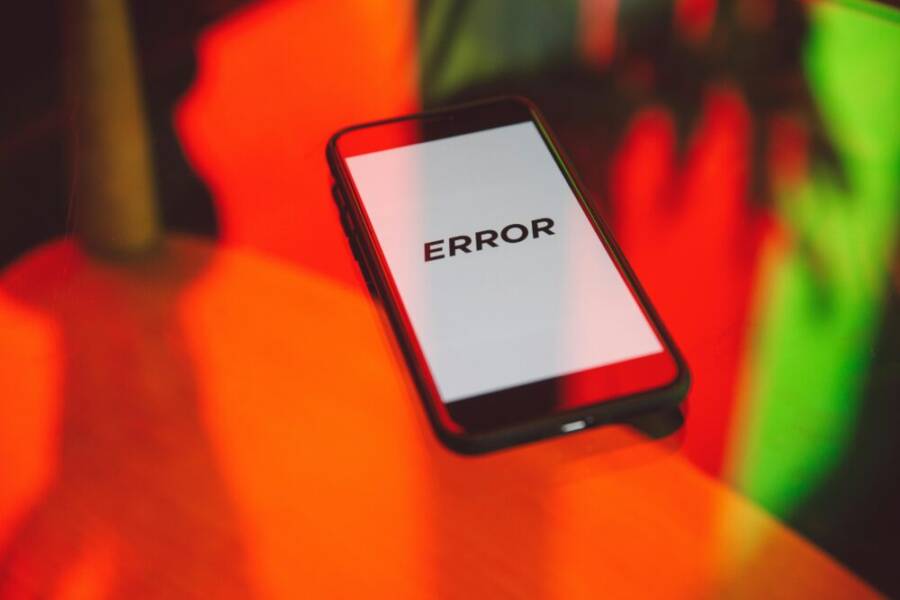
When you see a No SIM Card message, it often points to a simple, fixable cause. Below are the three most common culprits and how to verify or address them quickly. Each subsection includes practical checks you can perform without special tools. If one fix doesn’t solve the problem, move to the next item methodically. A little patience goes a long way with these quirks.
 Photo by Polina Zimmerman
SIM Card Not Seated Right
Even a tiny shift in the SIM card can trigger a No SIM Card warning. If the card isn’t locked into the tray properly, the phone won’t read it consistently. This issue is common after a drop, a bump in your pocket, or when the tray was reinserted too forcefully.
- Signs it might be happening: the screen shows the No SIM Card message after you set the phone down or after you’ve just pulled the device from a pocket or bag. You might notice occasional SIM read errors when you move the device.
- Quick check method: power off the phone, eject the SIM tray, and inspect for any misalignment. Reinsert the SIM with the notch in the tray aligned to the same direction it came out. Gently press the tray back in until it sits flush with the chassis. If your device uses a SIM holder inside the slot, reseat the card by removing and reinserting it carefully.
- Extra tips: if you have a dual-SIM setup, test each SIM individually to see if one slot is faulty. If re-seating the SIM doesn’t help, the issue could be a bent tray or a damaged contact inside the SIM reader.
If this fix resolves the problem, you’re done. If not, try the next cause to narrow down the culprit. For more on this issue from different perspectives, see resources that discuss loose connections and tray wear.
For additional context and user experiences, you can read: No SIM Card advice from recognizable tech sources.
- External reference: Why does my Android phone say, “No SIM Card”? (Asurion) https://www.asurion.com/connect/tech-tips/android-phone-no-sim-card/
Dirty or Bent SIM Card
Dirt, oils, and grime can coat the SIM’s copper contacts, making poor contact with the reader. A bent SIM card can also fail to register because the device’s reader detects a misaligned edge.
- How to inspect: use a bright light and gently remove the SIM card from its tray. Check the contacts for visible dirt or smudges. If you see grime, wipe the card with a clean microfiber cloth. Never use liquids on the copper contacts; use a dry cloth or a small amount of isopropyl alcohol if absolutely necessary, then dry completely.
- What to look for: scratches, nicks, or a slightly bent edge. A tiny bend can throw off the reader’s alignment and trigger the No SIM Card message. If you notice any damage, replace the SIM card if possible. If you’re unsure, visit your carrier store to get a fresh SIM or verify its status.
- How to clean safely: power down, remove the SIM, and wipe the contacts gently. Let it air dry completely before testing. Reinsert and test the phone.
If the SIM is clean and straight but the problem persists, the fault may lie with the device’s reader or software. Consider testing the SIM in another phone to confirm the card itself is fine. For broader guidance on SIM integrity, see expert tips on SIM maintenance and common reader issues.
For more on dirty or bent SIM cards, check out community discussions and guidance from reputable sources.
- External reference: iPhone/Android Says ‘No SIM’? Here’s Why & How to Fix It (DHgate) https://smart.dhgate.com/iphone-android-says-no-sim-heres-why-how-to-fix-it/
Software or Network Glitches
Software glitches or network settings can trigger a No SIM Card message even when the hardware is fine. Updates, misconfigured APN settings, or carrier profile hiccups can cause the reader to misbehave.
- Why this happens: after a system update, some devices reset network preferences or misread carrier settings. A misbehaving profile can also block the device from recognizing the SIM.
- Start with the simplest fix: restart the device. A quick reboot resets many temporary issues and refreshes network connections.
- Next steps if needed: check for pending system updates and install them. Sometimes an older bug is corrected by a newer patch. You should also verify that airplane mode isn’t stuck on and that Wi-Fi calling is configured correctly if your carrier supports it.
- More thorough options: reset network settings to default. On Android, you’ll find this under Settings > System > Reset options > Reset Wi-Fi, mobile & Bluetooth. On iPhone, go to Settings > General > Reset > Reset Network Settings. Note that this will erase saved Wi-Fi networks and passwords, so have those on hand.
If software resets don’t fix the problem, the issue may be deeper—like a faulty modem in the device or a carrier restriction. In those cases, contact your carrier or bring the device to a qualified technician for a deeper diagnostic.
For further reading on network-related fixes and common glitches, see: Troubleshooting ‘No SIM Card Detected’ Error from telecom resources.
- External reference: Airtel no SIM Card Detected – Troubleshooting guide
Quick Fixes to Get Your SIM Detected Fast
When a phone shows No SIM Card, it can feel like a small glitch with big consequences. Most of the time, the issue is something you can fix at home in minutes. These quick checks focus on simple hardware seating, quick toggles, and a couple of light software resets. Each fix is chosen to help you get back online without a lot of fuss.
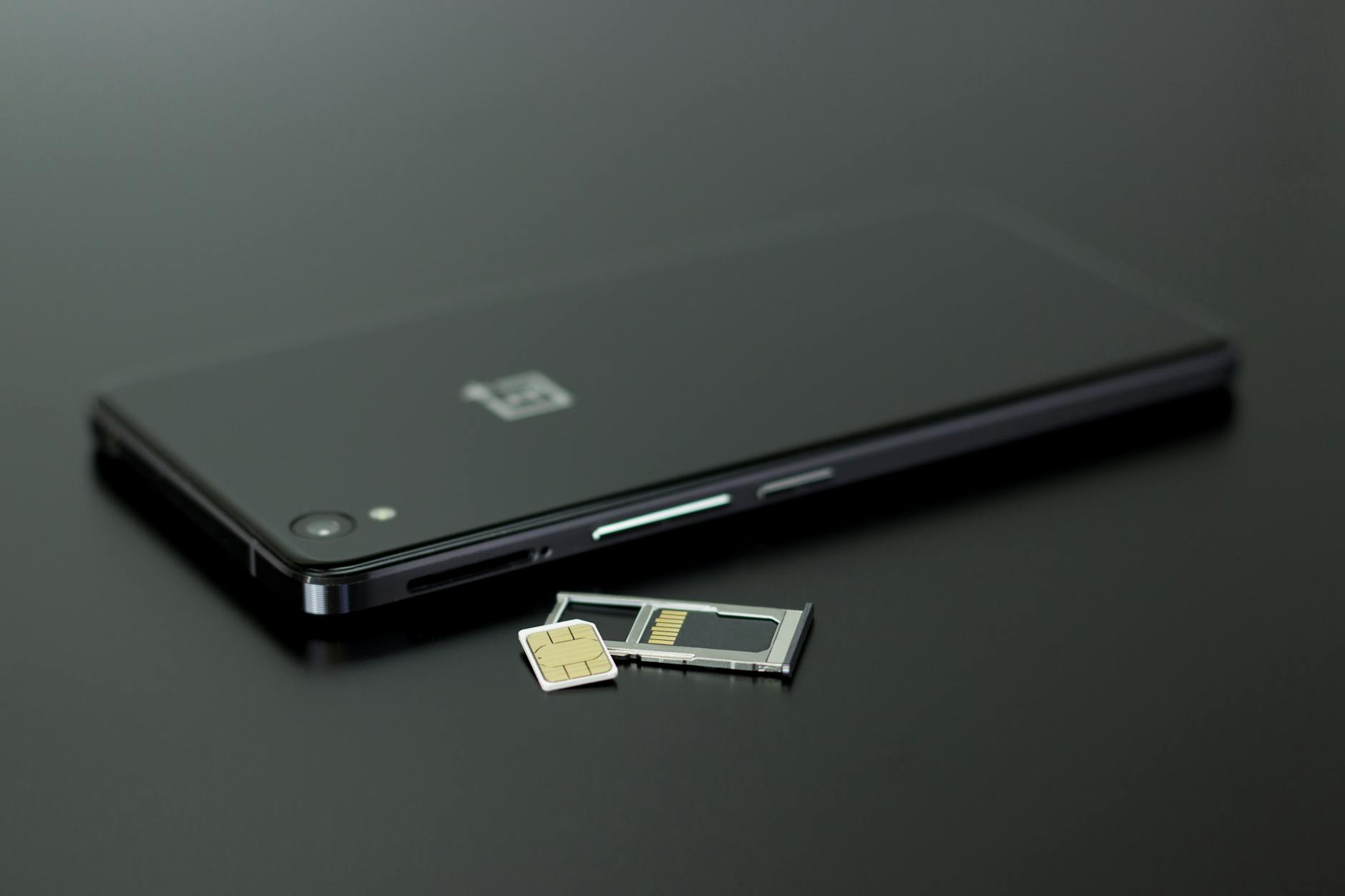 Photo by Silvie Lindemann
There Is a Frequency That the Wealthiest Families Have Used for Generations and Most People Will Never Know It Exists
>>> Open the Door <<<
Restart Your Phone Properly
A clean restart can clear minor software hiccups that block the SIM reader. Think of it as a quick reboot for your smartphone’s brain.
- Step-by-step: press and hold the power button, choose Restart, wait for the device to come back to life. Once it’s on, check the signal status.
- Why it helps: restarts refresh network components and often reset misbehaving carrier profiles.
- Quick tip: if you’re in a rush, a long press followed by a soft restart usually does the job. If the problem persists, move to the next fix on the list.
If a restart solves the issue, you’re done. If not, try the next approach. For extra context on why this works, you can read practical guides from tech resources that cover basic troubleshooting steps.
External reference: Fix “No SIM” on iPhone & Android | iDR Tech
Turn Airplane Mode On and Off
toggling Airplane mode can reset network radios without a full reboot. Do this for both major operating systems to cover your bases.
- How to do it: swipe down from the top right (iPhone) or swipe down from the top (Android) and toggle Airplane mode on, wait 15 seconds, then turn it off. Recheck your signal.
- Why it helps: the radio resets can clear stuck network settings and force the device to re-detect the SIM.
- Pro tip: if you’re testing a dual SIM setup, use airplane mode after removing one SIM to verify the other isn’t causing the issue.
If this quick toggle doesn’t fix the problem, there’s one more simple hardware check worth doing. It’s easy, fast, and can save you a trip to the shop.
External reference: Discussion thread on airplane mode and SIM detection
Remove and Reinsert the SIM Tray
A fresh seating often solves No SIM Card errors caused by alignment or dust.
- Preparation: power off the phone before touching the SIM tray.
- How to do it: use the SIM tool to eject the tray, inspect for dust, fingerprints, or a bent edge. Align the notch on the SIM with the tray, then reinsert until it sits flush with the chassis.
- Extra checks: if your phone uses a secondary SIM, test each slot individually to identify a faulty tray or reader.
- Aftercare: reinsert the tray firmly and power on the device to test.
If reinsertion fixes the issue, you’re set. If not, you may be dealing with a reader problem or software conflict that requires deeper investigation. For more context on SIM seating and common reader issues, see reliable discussions from tech communities.
External reference: No SIM Card advice from recognizable tech sources
By following these quick, practical steps, you can often restore mobile service in minutes. If the problem continues, the next step is to test the SIM in another device or contact your carrier for a replacement SIM. A little patience goes a long
He Was Drowning in Bills and Burnout Until a Simple Daily Ritual Rewired His Brain for Wealth in Less Than a Week
>>> Start Your Shift Today <<<

Clean Your SIM and Check for Damage
A reliable SIM read is essential for calls, texts, and data. When you see the No SIM Card message, the fix is often simple: clean the card, inspect the tray, and confirm the software isn’t at fault. This section guides you through careful cleaning and visual checks that you can perform in minutes. Follow these steps in order, and you’ll know whether you can fix it at home or need a replacement SIM.
How to Clean the SIM Card Gently
Dust, oils, and fingerprints can interfere with the contact points on the SIM card. A gentle cleaning routine restores a clean surface without risking damage.
- Use a dry microfiber cloth to wipe the copper contacts on the card. Avoid liquids, especially near the contacts, and never spray cleaner directly on the card.
- If there’s stubborn grime, you can use a tiny amount of isopropyl alcohol on the cloth, then dry the card completely before testing. Let it air dry fully to prevent moisture from entering the device.
- After cleaning, reinsert the SIM with the notch oriented the same way it came out. A misaligned card can trigger a read error even if the card is clean.
If cleaning doesn’t resolve the issue, the reader inside the phone might be dirty or damaged. In that case, testing the SIM in another device can help confirm whether the problem is with the card or the phone. For additional guidance on safe cleaning methods, see reputable resources on No SIM Card fixes and SIM maintenance.
External reference: Why does my Android phone say, “No SIM Card”? (Asurion) https://www.asurion.com/connect/tech-tips/android-phone-no-sim-card/
Inspect the SIM Tray and Phone Slot
A close look at the SIM tray and the reader in the phone helps rule out dust, debris, or bent edges. A tiny particle or a slightly bent tray can prevent the phone from reading the SIM reliably.
- Power off the phone before removing the tray. Inspect the tray for any bend, scratch, or foreign material. If the notch alignment looks off, the card may not sit flush.
- Use a flashlight to check inside the slot for dust, lint, or tiny fibers. If you see debris, a blast of compressed air can help remove it. Be careful not to shove anything into the slot.
- Reinsert the tray with the notch on the card aligned to the notch on the tray. Push in gently until it sits flush. If your device has dual SIM, test each slot one at a time to identify a faulty tray or reader.
- After reassembly, power the device back on and check for signal.
If the tray or reader shows obvious damage or the error persists after cleaning, a deeper diagnostic may be needed. For more context on keeping the SIM path clean and avoiding common reader issues, explore community discussions and professional tips.
External reference: SIM card failure discussions and guidance from Apple support communities. https://discussions.apple.com/thread/254418437
Advanced Fixes: Update Software and Reset Networks
When the No SIM Card message sticks around after basic checks, the next moves are often software updates and resets of network settings. These steps address misconfigurations that hardware checks can miss. They’re safe to try at home and can save you a trip to the store. Follow the subsections below in order to systematically rule out software issues before diving into more drastic fixes.
Update Your Phone Software
Keeping your operating system current helps fix known bugs that can cause SIM recognition problems. Updates often include carrier profile refinements, stability improvements, and security patches that improve how the device reads your SIM and connects to networks.
- How to approach: check for pending updates on Android and iPhone. Install them, then restart the device to apply changes.
- What you’re aiming for: a refreshed modem/firmware stack and corrected carrier settings that the update brings in.
- Quick test after update: insert or reinsert the SIM, then verify signal bars appear and your carrier name shows up.
Why this matters: software updates can address issues caused by recent changes to the network stack or carrier profiles. If you’re unsure where to start, see official guidance from device makers and carriers for updating the system and carrier settings. For Apple devices, you’ll often see guidance about carrying out updates and checking for carrier settings updates alongside iOS updates. For Android devices, manufacturers may vary, but the process generally lives in Settings > System > Advanced > Software Update or Settings > About Phone > Software Update.
If you want to read more on how updates fix SIM recognition, these resources explain the typical sequence and what to expect after installing updates:
- https://support.apple.com/en-us/108914
- https://www.asurion.com/connect/tech-tips/android-phone-no-sim-card/
Carrier settings updates can also play a role. After a major update, a carrier tweak may be required for the SIM to read correctly. If you see a prompt to update carrier settings, accept it. If not, you can still check for a carrier update in your device’s settings menu. Apple devices typically show this under Settings > General > About when available.
External links for context and deeper steps:
- If you see ‘invalid SIM’ or ‘no SIM’ on your iPhone or iPad, Apple Support article. https://support.apple.com/en-us/108914
Reset Network Settings Only
If updating software doesn’t fix the issue, a network settings reset can wipe problematic configurations without erasing personal data like photos or apps. Think of it as returning the phone’s network rules to factory defaults.
- Exact paths you’ll follow:
- Android: Settings > System > Reset options > Reset Wi-Fi, mobile & Bluetooth
- iPhone: Settings > General > Reset > Reset Network Settings
- What it does: clears saved Wi-Fi networks, Bluetooth pairings, and mobile network settings. It resets APN, VPN, and preferred network modes back to default.
- Pros:
- Simple and safe for most users
- Won’t erase personal files
- Cons:
- You must re-enter Wi-Fi passwords and re-pair Bluetooth devices
- If the SIM issue was tied to a carrier profile, it may reappear until the carrier settings refresh
After the reset, reinsert the SIM if needed and test the connection. If the No SIM Card message returns, you may have a hardware fault or a more stubborn software issue. In that case, moving to a full factory reset becomes more reasonable, but use that as a last resort.
For deeper reading on network resets and their effects on both Android and iPhone, check these references:
- Apple: If you see no SIM or invalid SIM on iPhone or iPad. https://support.apple.com/en-us/108914
- Android and iOS network reset overview. https://www.androidpolice.com/reset-network-settings-android-ios/
Factory Reset as Last Home Fix
When all else fails, a factory reset wipes the slate clean. This is the most thorough software fix, returning the device to its out-of-the-box state. Make sure you back up everything first; you’ll lose apps, data, and settings otherwise.
- Backup first:
- Android: back up to Google Drive or local storage. Confirm photos, messages, and app data are included.
- iPhone: back up to iCloud or a computer with iTunes/Finder.
- Full erase steps:
- Android: Settings > System > Reset options > Erase all data (Factory data reset)
- iPhone: Settings > General > Transfer or Reset iPhone > Erase All Content and Settings
- What to expect: after the reset, you’ll set up the device as new or restore from a backup. The SIM should be recognized if the issue was software-related.
- Aftercare: re-install essential apps and verify the SIM status before restoring everything. If the problem persists, the fault is likely hardware or carrier-related, and you should contact your service provider or a repair technician.
Before you commit to a factory reset, consider a professional diagnostic if you’re unsure about the cause. A reset will solve software glitches but won’t fix a damaged SIM reader or a faulty modem.
For practical guidance and cautions about factory resets, see:
- Apple and iPhone factory reset guidance. https://support.apple.com/en-us/HT204247
- General reset procedures for Android devices. https://www.androidpolice.com/reset-network-settings-android-ios/
Tips to make the process smoother:
- Use a fresh backup to avoid losing recent messages and photos.
- Have your essential apps re-download ready, and jot down important account logins.
- If you’re unsure about the backup quality, perform a quick test by restoring a small subset of data first.
If after a factory reset the device still shows No SIM Card, the issue is likely hardware or a carrier restriction. In that case, you’ll want to check the SIM tray for damage or bring the device to your carrier or an authorized service center for a deeper diagnostic. For more on hardware-focused diagnostics, see discussions and official guidance from carriers and device makers.
When to Call Your Carrier or Repair Shop
If you’ve tried the quick at-home fixes and the No SIM Card message persists, it’s time to decide whether to escalate to your mobile carrier or a repair shop. This section helps you recognize the telltale signs that point to a network, SIM, or hardware fault that needs professional attention. Think of this as your decision compass: it shows when a human expert is the fastest route back to reliable service.
Signs you should contact your carrier first
- The SIM works in another phone but not in yours. This points to a problem with your device’s reader rather than the SIM itself.
- You see a carrier error prompt after updates. When a system update is followed by a new no-SIM message, carrier settings or a profile issue could be the root cause.
- You’re seeing “No SIM” in multiple locations or services, and airplane mode toggles or resets haven’t helped.
- You have a plan that requires an active account, and you suspect a billing hold or network restriction is in place.
What to tell the carrier when you call: model and OS version, whether the SIM works in another device, symptoms you observed (beginning of the issue, after which actions it happens, whether it appears in both SIM slots if you have a dual-SIM device). If they confirm a network-side issue, they can offer specifics or a SIM replacement.
For context on typical carrier-related prompts and steps, Apple’s guidance covers no SIM or invalid SIM scenarios that can involve carrier settings updates. https://support.apple.com/en-us/108914
When a repair shop is the right move
- The SIM reader inside the phone appears damaged or dirty after cleaning and inspection, and the issue follows the device rather than the SIM.
- The SIM works in another phone, but the problem repeats after a repair or drop. This can indicate a bent or misaligned reader, a loose internal connector, or a damaged motherboard.
- You’ve tried software resets, a factory reset, and the problem persists. If software fixes fail, hardware diagnostics become essential.
If you’re unsure whether the problem is hardware or software, a qualified technician can run a diagnostic. They can also check for internal corrosion, loose cables, or degraded modems that aren’t user-serviceable.
External sources discuss hardware-focused diagnostics and when a repair is warranted, including guidance from device makers and repair communities. For broader hardware considerations, see conversations and official guidance from carriers and manufacturers.
What to expect during a professional diagnostic
- Initial assessment: technician will verify SIM read/write behavior and test with multiple SIMs to isolate the fault.
- Estimated turnaround: minor issues can be diagnosed in an hour or two, while deeper hardware problems may take longer or require part replacements.
- Potential outcomes: a bent SIM tray, a damaged SIM reader, or a faulty modem can necessitate part replacement. In some cases, the device may be deemed non-reparable and require a replacement.
If you prefer guidance from practical troubleshooting scenarios, check experienced threads and tech tips discussing no SIM card issues and when to seek professional help. https://www.asurion.com/connect/tech-tips/android-phone-no-sim-card/
Gather the right information before you call or visit
- Model and exact OS version. This helps the agent or tech pinpoint known issues for your device family.
- Whether the SIM is new, and if it works in another phone or in multiple slots on your device.
- A concise timeline: when the problem first appeared, what steps you tried, and any recent updates or changes.
- Any error messages or status indicators you’ve seen besides “No SIM,” such as “Invalid SIM” or carrier-specific prompts.
Bringing a fresh snapshot of the situation helps speed up the resolution. If you’re leaning toward a DIY path, you can still use this checklist to explain the problem clearly to a technician or carrier representative.
Quick pointers to keep the process efficient
- Have a backup plan for data in case a factory reset becomes necessary. Backups prevent data loss if you proceed with more drastic steps.
- Bring a spare SIM if you have one. This makes it easier to confirm whether the issue is the card or the device.
- Ask about service options and timelines. Some carriers offer mail-in diagnostics or on-site visits, which can save you time.
If you want a practical overview of when to pursue hardware checks versus software fixes, you can review hardware-focused discussions and official guidance from carriers and device makers.
She Pressed Play on a Strange Audio Track and Within Days Her Financial Reality Started Shifting in Ways She Could Not Explain
>>> See How It Works <<<
