
He Was Drowning in Bills and Burnout Until a Simple Daily Ritual Rewired His Brain for Wealth in Less Than a Week
>>> Start Your Shift Today <<<

If your smartphone keeps flashing the message cannot move file, you’re not alone. This hiccup happens more often than you might think and it can stall simple tasks like organizing photos or moving documents. In this post, you’ll learn a clear, step by step plan to fix it on both Android and iPhone.
First, we’ll break down the common causes in plain terms. You might be running low on storage, dealing with a file name that’s too long, or finding the file is in use by another app. You’ll get quick fixes you can try right away, plus guidance for when you’re moving files between devices.
Next, you’ll see a practical, cross platform approach that covers quick wins and transfer specific tips. We’ll explain how to check storage, rename files, close apps, and adjust transfer settings so moves succeed. If you run into a tougher case, you’ll have a checklist to decide whether you need professional help or a more advanced tweak. By the end, you’ll have a reliable plan to get your files where you want them, fast, with confidence.
Understand why your phone says it cannot move the file
When your device won’t move a file, it can feel frustrating. The message often hides a simple issue behind a small hurdle. By checking a few common causes, you can usually move the file quickly. Below are the most frequent culprits and how to fix them on both Android and iPhone.
Thousands of People Were Struggling With Money Until They Discovered This One Ancient Secret Hidden in Sound
>>> Unlock It Now <<<

 Photo by Polina Zimmerman
File is in use by another app
A file can get locked if another app is actively using it. This is common when you’re editing a photo in a photo app, downloading a file in the background, or if a transfer is still in progress. When a file is in use, the system blocks moves to prevent corruption or incomplete writes.
What to do now:
- Close related apps: Exit the photo editor, document viewer, or any app that might be accessing the same file.
- Wait a moment: Give the device a few seconds to finish any active operation.
- Try again: Attempt the move after closing apps and waiting a bit.
- If a file is large or part of a batch transfer, pause the transfer and then retry the move.
Quick scenario to visualize: you snap a photo, open a second app to edit it, then try to move the original photo while the edit is still saving. The system may block the move until the edit completes. In this case, wait for the edit to finish, then move the file.
For more on this, you can review discussions about moving files within the Android data area and similar topics here: Can’t move or copy files in the android/data file and Cannot move files into the data folder. If you’re on iPhone, permissions in special folders can also play a role, see the Mac and iOS guidance here: If you can’t move or copy an item on Mac and related discussions.
Destination folder restrictions and permissions
Some folders are protected or shared by the system or apps. Moving into system folders or app-specific directories may be blocked to protect important data or prevent accidental changes. This is especially true when you try to move items into directories that the OS reserves for itself or that another app controls.
What to check:
- Choose a user-created folder: Pick a location you own, like a dedicated “Documents,” “Media,” or a folder you created yourself.
- Check permissions: Ensure you have write access to the destination. On Android, this usually means having storage permissions granted; on iPhone, ensure the target album or location allows edits.
- If you’re unsure, Copy then Paste: Copy the file to the destination and delete the original if you’re confident in the copy, or use Paste to move if your device supports it.
Example: You want to move a video into a “Videos” folder you created on your device. If you try to move into a system folder like “Downloads” or a shared folder used by another app, you may hit a block. Move to your own folder instead, or use Copy then Paste to accomplish the transfer.
To dig deeper, explore guidance on moving files with correct permissions on Mac and iOS here: If you can’t move or copy an item on Mac. For Android permission specifics, you can reference discussions about data folder access: Can’t move or copy files in the android/data file.
Not enough storage space
Files can fail to move when the destination or the source lacks free space. Android and iPhone both require some headroom to perform file writes. If the system can’t allocate space for the new location, the move will fail.
How to verify and fix:
- Check available space: On Android, look in Settings > Storage. On iPhone, open Settings > General > iPhone Storage to see available space and recommendations.
- Free up space quickly:
- Delete unused apps or large, rarely accessed files.
- Move photos and videos to the cloud or a computer.
- Offload unused apps if your device supports it.
- Consider alternate storage: If you have a microSD card (Android) or iCloud/Another cloud account (iPhone), move or copy items there as a temporary solution.
A practical picture of the problem: you try to move a high-resolution video to a folder, but the device displays that you’re out of storage. Freeing space resolves the issue and lets the move complete.
For additional strategies, see how to fix storage-related errors on Android here: 6 Ways to Fix “Insufficient Storage Available” on an Android and guidance on freeing iPhone storage: How to Free Up Your iPhone’s Storage by Deleting Data You Don’t Need.
Temporary file system or app glitches
Sometimes a small bug, a build-up of cached data, or a hiccup in the file system can block moves. This is usually quick to fix with a few routine steps.
Simple remedies to try:
- Clear app caches: For apps involved in the move, clearing their caches can release locked data and refresh their state.
- Update apps and OS: Make sure both the apps you’re using and the system are on the latest version.
- Restart the device: A quick reboot clears temporary issues and resets processes that might be stuck.
- Check for OS updates: System updates often include fixes for file handling and storage issues.
If you’re dealing with stubborn glitches, this sequence helps most readers. After a restart, attempt the move again. If problems persist, consider testing the move with a different file type or a different destination to see if the issue is isolated to one item or folder.
For additional tips on clearing caches and managing app data, see these resources: Clear cache (iPhone and Android) and How To Clear App Cache and Data On Android, iOS, and Windows. If you’re troubleshooting on a Mac, you can review guidance here: If you can’t move or copy an item on Mac.
If you still feel stuck after these steps, restarting is a reliable fallback. A fresh start often clears the path for the file to move where you want.
External resources and practical reads:
- For Android file movement behaviors and unlock tips, see this discussion: Can’t move or copy files in the android/data file
- Mac users can reference Apple’s guidance for moving items on macOS: If you can’t move or copy an item on Mac
Photo by Polina Zimmerman Credit and image: Photo by Polina Zimmerman
Quick fixes you can try right now (Android and iOS)
When a file won’t move, it’s usually something quick and fixable. These fast, step-by-step tips work on both Android and iPhone. You can try them in a few minutes to push the transfer across the finish line. Think of them as your first-aid kit for file moves on a smartphone.
Close apps using the file and restart your phone
To safely close apps and reboot, follow these steps:
- Close the app currently using the file. Swipe it away or force stop if needed.
- Return to your home screen and repeat with any other apps that might touch the file.
- Restart the device by powering it off, waiting 10 seconds, then turning it back on.
- Try the move again once the reboot completes.
Free up space and manage storage
Reclaiming storage can unblock moves quickly. Start with these actions:
- Delete duplicate or large files you don’t need.
- Move photos and videos to cloud storage or a computer.
- Clear app caches and offload unused apps if available.
- Check the storage gauge to see if you have enough headroom for the write operation.
Try a different destination or rename the file
Sometimes the issue is a path or a name. Do this:
- Move the file to a different folder or create a new one and retry.
- Rename the file to remove problematic characters or overly long names.
- If possible, confirm the file extension matches what the destination expects.
Update apps and retry the transfer
Keeping software current reduces friction. Steps to take:
- Check for app updates related to the file manager or launcher.
- Install any available OS updates.
- After updating, retry the move to verify the issue is resolved.
Fixes for transfers and device to device or computer moves
When you’re moving files between devices or to a computer, a few simple settings tweaks and practical checks can save you a lot of frustration. This section covers practical, non-technical steps you can apply right away to smooth out transfers between Android, iPhone, and computers. You’ll learn how to set up USB transfers correctly, keep devices connected without interruptions, and minimize wireless transfer interference. Think of these as your quick win playbook for reliable file moves.
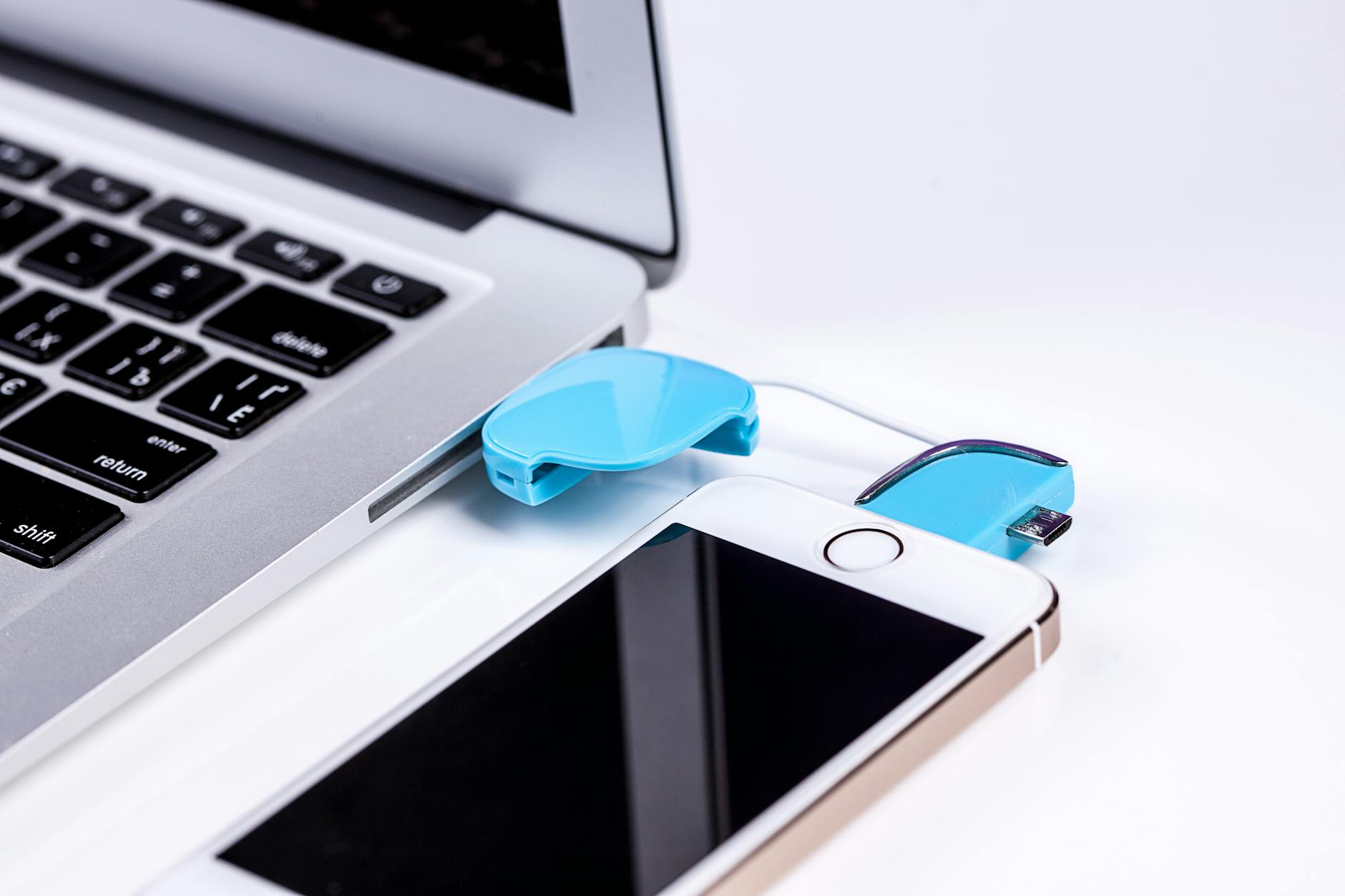 Photo by Pixabay
What If the Only Thing Between You and the Life You Deserve Is a Hidden Wealth Code Waiting to Be Activated
>>> Open the Door <<<

Check USB settings and use a reliable cable
Getting a stable USB transfer starts with the right connection mode and a high-quality cable. Most devices offer a couple of modes when you connect via USB, and picking the right one is key to a smooth move.
- USB connection modes you’ll encounter
- MTP (Media Transfer Protocol): The standard mode for moving files like photos, videos, and documents between your device and a computer. This mode keeps file metadata intact and supports a broad range of file types.
- PTP (Picture Transfer Protocol): Primarily for photos; it moves media files but can restrict some non-media file types. Use this if you only need to move images or if a device won’t cooperate with MTP.
- Choosing the transfer mode
- When you connect your phone, look for a notification that lists the USB option. Tap it and select File Transfer or Transferring files (MTP) on Android. For iPhone, selecting the right option usually becomes obvious once you connect to a computer.
- If your computer doesn’t recognize the device, try switching to PTP or back to MTP. Some devices behave better with one mode over another, especially with certain computers or operating systems.
- Cable quality matters
- A sturdy, well-made USB-C or Lightning cable reduces data errors and disconnections. Cheap cables are more prone to intermittent drops and slower transfer speeds.
- If you’re moving large files, use a cable with solid data wiring and braided shielding. A good cable can shave minutes off a long transfer and prevent corruption mid-write.
Practical tips to keep in mind
- Always verify the device appears in your file manager after you select a transfer mode.
- If a transfer stalls, swap to a different USB port and try again.
- For frequent moves, invest in a single, reliable cable and keep spares in your travel kit.
External resources for USB configuration across devices can help you choose the best default setup and understand how each option behaves:
- How to Change Default USB Configuration on Galaxy devices
- Change default USB setting | Motorola Support US
- Android USB Options and related settings
Keep devices connected and avoid interruptions during transfers
Nothing derails a transfer faster than a sleepy screen, a device that runs out of juice, or an unexpected interruption. A quiet, uninterrupted transfer is the ally of a clean file move.
- Power and display considerations
- Keep both devices charged or connected to power. If a device runs low, the system may throttle or suspend background tasks.
- Avoid letting screens sleep during the transfer window. A brief screen timeout can pause activity that your transfer relies on.
- Don’t unplug during a transfer
- Removing the cable or disconnecting a wireless link mid-transfer can corrupt or abort the move.
- If you must pause, use the pause or cancel options provided by the transfer app or OS and resume when both ends are ready.
- Quick readiness checklist
- Both devices are plugged in or charged
- Screen timeout set to a longer interval or temporarily disabled during the move
- USB cable firmly connected and recognized by the computer or other device
- Transfer window is the only active task to minimize CPU interruptions
- The destination folder is accessible and not locked by another app
A real world scenario: you’re moving a folder of photos from a phone to a computer. If your charger dies halfway through or the phone goes to sleep, the move will stall. Following the checklist helps you stay in control and reduces dropout risk.
For broader guidance on keeping a stable connection during transfers, you can consult sources about USB or data transfer best practices on Android and Mac ecosystems:
- Articles about USB connection settings and file transfer behavior
- Guides on keeping devices connected during data transfers
Reduce interference with network settings during wireless transfers
Wireless transfers can be convenient, but background network activity can interfere with the speed and reliability of the move. A simple, situational adjustment can help when moving data wirelessly between Android and iPhone.
- When to consider temporary network changes
- If you notice slow transfers or frequent interruptions, a brief switch to airplane mode can reduce competing network tasks on both devices.
- Turning off real-time network optimizers in some apps can lessen background activity that competes for bandwidth.
- How to do it safely
- Enable airplane mode for a short window only if you’re actively transferring. After the transfer, disable it to resume normal network activity.
- Keep other tasks intact while you perform the move. If you’re in the middle of streaming or a video call, weigh the trade-off before cutting off service.
- Important cautions
- This approach is situational. It’s best used when the transfer is the primary task and you’re not relying on live network services on the devices.
- Monitor other apps for any unexpected behavior after you re-enable connections.
A quick example: you’re moving a large video file from Android to iPhone over a local Wi-Fi link. If the video chat app on one device floods the network, pause that app or enable airplane mode for the duration of the transfer to ensure the move completes.
Helpful resources for wireless transfer tips and troubleshooting between Android and iPhone include guides on Move to iOS compatibility and cross platform transfer methods. These sources offer practical steps for common hitch points and situational problem solving:
- What To Do When Move to iOS Is Not Working
- Transferring data between Android and iOS
In practice, wireless transfers shine when both devices are near each other and free from competing tasks. If you need to move many large files, a wired transfer often remains the quicker and more reliable option.
External links to reinforce best practices for wireless transfers:
- How to fix common Move to iOS issues
- Discussions about cross platform data transfer between Android and iOS
By keeping these guidelines in mind, you can reduce dropouts and complete moves more predictably. Whether you’re moving a handful of documents or a library of photos, a calm setup and a clear plan will save time and frustration.
Photo by Polina Zimmerman Credit and image: Photo by Polina Zimmerman
Note: If you need to move files between specific apps or services, consider checking the app’s official support pages for any known quirks with USB or wireless transfers. This can help you tailor the approach to the tools you actually use.
She Pressed Play on a Strange Audio Track and Within Days Her Financial Reality Started Shifting in Ways She Could Not Explain
>>> See How It Works <<<

External resources and practical reads
- Android file movement behaviors and unlock tips: https://support.google.com/files/thread/264354044/can-t-move-or-copy-files-in-the-android-data-file
- Apple guidance for transferring files between device types: https://support.apple.com/guide/mac-help/mchlp1770/26/mac/26
This section provides practical, ready-to-use steps to improve transfers across devices and between devices and computers. The next sections will dive into quick fixes you can try right now, including specific actions to close apps, free up space, or rename files to remove bottlenecks.
When to reset or seek professional help
Knowing when to reset your device or call in a pro can save you time and frustration. This section lays out practical signs that point you toward a factory reset, safer alternatives, or professional data recovery. You’ll find clear indicators, what to expect, and how to choose a reputable service if needed.
 Photo by Helena Lopes
Back up your data before drastic fixes
Before you try any major fix, back up photos, documents, and app data. A quick precaution now prevents big headaches later. Here’s a simple, actionable plan.
- Photos and videos: Enable cloud backup or copy to a computer. On Android, use Google Photos or local folders; on iPhone, use iCloud Photos or a computer backup.
- Documents and app data: Check which apps offer their own backups (note-taking apps, messaging apps, and document editors). Use built-in backup options or export local files.
- Verify backups are complete: Open the backup location and spot-check a few items. For cloud backups, confirm the latest timestamp matches your last edits. For computer copies, open a couple of files to confirm readability.
- Keep it organized: Create a dedicated backup folder on your computer or a cloud drive. Name folders by date and device so you can locate them quickly.
Why this matters: if you end up needing a factory reset or professional help, you’ll have a reliable restore point. It also makes moving data to a new device smoother. For extra guidance, consider official backup workflows like Android Auto Backup and iPhone backup options as a starting point, and know that many platforms offer end-to-end backups you can rely on.
External resources:
- Back up user data with Auto Backup on Android https://developer.android.com/identity/data/autobackup
- How to back up your iPhone and Android phone https://www.asurion.com/connect/tech-tips/how-to-back-up-your-iphone-and-android-phone/
Factory reset and safer alternatives
A factory reset can erase the problem, but it also wipes your data and settings. Use it only when other options fail or you’re preparing to hand the phone to someone else. Here’s a calm, practical approach to decide what to do.
- When to consider a factory reset
- Repeated file move errors that persist after clearing caches, updating apps, and rebooting.
- The device behaves oddly across several apps, not just one game or gallery.
- You’ve backed up all important data and want a clean slate to rule out software glitches.
- What to expect
- All apps and data will be removed; the device returns to its out-of-box state.
- Some issues tied to account or app configurations may require re-authentication after the reset.
- Safer alternatives to try first
- Network reset or forget Wi-Fi networks to rule out connectivity glitches affecting transfers.
- Clear app data for the specific file manager or cloud storage app, then reopen and retry.
- Free up space and run OS updates; sometimes a small cache or temporary file is the root cause.
- Steps to perform
- Back up first (per section above).
- Navigate to Settings > System or General Management > Reset options.
- Choose “Factory data reset” and follow prompts.
- After reset, restore from your backup and test the file move again.
If you’re unsure about the best path, start with clearing app data, updating all software, and testing with a different file. Those steps are quick, low-risk, and often enough to clear up stubborn issues.
External guidance:
- How to factory reset an Android phone: A Privacy-focused guide https://nym.com/blog/android-factory-reset
- What happens when you factory reset a device https://preyproject.com/blog/the-complete-guide-to-factory-reset
Data recovery options and when to seek professional help
If data loss or inaccessible files linger after troubleshooting, it may be time to explore recovery options. Here’s a concise roadmap to help you decide quickly and confidently.
- Data recovery options (quick overview)
- Software-based recovery: For recently deleted items or single-file issues, recovery apps can recover data from internal storage or SD cards.
- Cloud restoration: If data was backed up, restore from cloud storage or last good backup.
- Professional services: When data is highly valuable or the device suffered hardware damage, a specialized service can recover data using advanced tools.
- Signs you need professional help
- No visible response after all standard fixes, especially for photos, irreplaceable documents, or large quantities of data.
- Physical damage indicators such as water exposure, screen delamination, or a device that won’t power on.
- Your data is worth more than the cost of professional recovery, and time is a factor.
- How to find reputable service providers
- Look for established firms with transparent pricing, clear guarantees, and a published list of supported devices.
- Check reviews and case studies, plus certifications from data security groups.
- Ask about privacy, encryption, and no-data-no-recovery guarantees.
- Obtain a written evaluation and estimate before any work begins.
Keep it reassuring: most common data loss scenarios have a path forward. Start with non-destructive options, then escalate to professional help if needed. When you choose a pro, confirm they offer a free evaluation and a clear description of the process and expected turnaround.
External resources:
- Android Data Recovery Services https://drivesaversdatarecovery.com/data-recovery-services/devices-supported/smartphones-and-tablets/android-data-recovery/
- Secure data recovery for Android https://securedatarecovery.com/services/android-data-recovery
- Android data recovery: Retrieve your lost files https://www.datacarelabs.com/blog/how-to-retrieve-lost-files-android-data-recovery/
Short, reassuring takeaway: back up first, try safer fixes, and if the data matters, you have reputable options. If you’re unsure which route to take, start with a non-destructive approach and move forward from there.
Images and visual tips
- Use a calm, practical photo that shows a person deciding between options on a smartphone. This reinforces the idea of measured steps rather than panic.
In the next section, you’ll find quick fixes you can try right away. These actions are designed to unblock most common file move issues without a full reset, keeping you in control and minimizing disruption.
Conclusion
Fixing a cannot move file issue comes down to a few solid checks: confirm you have enough storage, move or rename to non restricted folders, and close apps that might be locking the file. These quick steps usually clear up the problem on both Android and iPhone, keeping your workflow smooth on your smartphone. Back up your data first so you can retry moves without worry, and consider testing with a different file or destination to confirm the root cause. If you found this guide helpful, share your experiences or questions in the comments so we can tailor future tips to your setup. Remember, most file move blocks come from storage limits, permissions, or a momentary glitch, so a calm, methodical approach often resolves it quickly the next time you run into a cannot move file on Android or cannot move file on iPhone.
Thousands of People Were Struggling With Money Until They Discovered This One Ancient Secret Hidden in Sound
>>> Unlock It Now <<<