There Is a Frequency That the Wealthiest Families Have Used for Generations and Most People Will Never Know It Exists
>>> Open the Door <<<

Phones suddenly forget saved WiFi networks can be a real hassle. It disrupts work, streaming, and home comfort, especially when you rely on trusted networks daily. In this guide we’ll walk through a clear, practical plan that starts with quick fixes and moves to deeper troubleshooting. You’ll see steps for both iPhone and Android so you can pick the path that fits your device.
First, try the fastest wins. A simple restart on your phone and your router can clear minor glitches that trigger forgetful behavior. Then reconnect to your usual network and re enter the password. If the issue reappears, the problem is likely tied to settings or the network itself rather than a single glitch.
Next, check a few common culprits that can cause saved WiFi networks to vanish. Power saving and aggressive WiFi sleep settings can turn off or mis manage connections. Private or randomized MAC addresses can make your phone look like a new device to the router, triggering a fresh authentication. A quick review of these options on both iPhone and Android usually resolves most cases.
If quick fixes don’t help, we move to deeper checks. Resetting network settings removes all saved networks and related WiFi data, so you’ll need to re enter passwords. Updating the phone’s software and the router’s firmware can fix known bugs that cause networks to forget. If multiple devices share the same router, look at DHCP settings and firmware stability to rule out router side problems.
Thousands of People Were Struggling With Money Until They Discovered This One Ancient Secret Hidden in Sound
>>> Unlock It Now <<<

Finally, know when to call in support. If the problem sticks after a full reset and updates, there may be a hardware issue with the phone’s WiFi radio. For enterprise networks or complex campus setups, check the authentication method and certificates with your IT team. If you’re still stuck, a quick consult with the manufacturer’s support can save you hours of trial and error.
Throughout this guide you’ll find a practical, step by step approach designed for readers who want results without digging through complex tech. By starting with quick wins and ending with solid fixes, you’ll regain reliable connectivity and peace of mind. If you want a tailored checklist, tell me your phone model and whether this happens at home, work, or on public networks.
What causes a phone forget saved WiFi networks
When your phone suddenly forgets saved WiFi networks, it can feel like a plumbing problem in the digital world. Networks that used to connect automatically now require a password or a fresh join. The root cause is rarely one tiny bug; more often, a mix of settings, network behavior, and device policies. Below you’ll find five focused factors that commonly trigger this issue, plus quick actions to test or fix them on both iPhone and Android smartphones.
Software updates and sync conflicts
OS updates can reset or disturb saved networks. A new system build might change how networks are stored or greeted by the WiFi stack, causing saved entries to disappear or require reauthentication. Cloud sync services can also clash across devices. For iPhone, iCloud Keychain can conflict if a password isn’t updated everywhere, while Android users relying on Google Backup might see mismatches after a device switch. Quick checks: confirm that the network is listed in the iCloud Keychain or Google Password Manager, and verify both devices are sharing the same saved credentials. If issues persist, try turning off syncing for WiFi passwords on one device and re-enabling after a fresh connection. For reference, see how MAC addresses and syncing intersect with network behavior: https://wifi-helpcenter.nokia.com/hc/en-us/articles/360056890733-Issues-with-random-MAC-addresses-Android-10-iOS-14-or-later
Private or randomized MAC addresses and privacy features
Many devices now use private or randomized MAC addresses to boost privacy. Routers may treat a new MAC as a brand-new device, prompting a fresh authentication flow and a forgotten network entry. On iPhone and Android, you can disable private MAC for trusted networks, then rejoin after turning it off. This often resolves missing saved networks on known routers. Practical tip: disable private MAC only for networks you trust, reconnect, and re-save the password. (If you want deeper context, see MAC address randomization behavior in Android and iOS: https://source.android.com/docs/core/connect/wifi-mac-randomization-behavior)
Auto network switching and Wi Fi Assist like features
Automatic switching between WiFi and cellular can cause a network to momentarily disappear from the saved list as devices prioritize better signals. On iPhone, disable features like WiFi Assist or smart network switching in Settings > Cellular or Settings > WiFi. On Android, look for Smart Networking or Adaptive WiFi in Settings and turn it off for the affected network, then re-connect manually. This keeps your phone anchored to the right network and avoids unintentional forgetfulness. For a broader view of mobile networking behavior, see discussions about how devices manage WiFi and cellular handoffs: https://discussions.apple.com/thread/254825974
DHCP leases and router side issues
DHCP leases control how long an address is assigned to a device. Short leases or aggressive router defaults can make a device seem new each time it reconnects, which can appear as if the network was forgotten. Router tweaks can help: extend the DHCP lease time, ensure there’s no client limit, and verify that the router isn’t dropping the device due to a fixed IP conflict. If you manage a home network, check the DHCP settings and confirm the router’s firmware is up to date. Learn more about DHCP behavior on devices and routers: https://www.ietf.org/archive/id/draft-ietf-madinas-use-cases-16.html
Power management and enterprise management
Battery saver modes can loosen background WiFi processes, causing connections to drop or forget networks. Enterprise management (MDM) policies may restrict how saved networks are stored or reconnected, especially on corporate devices. For everyday use, disable aggressive power-saving settings when testing networks and review any installed MDM profiles to ensure they aren’t blocking auto-join. If you’re in an enterprise environment, coordinate with IT to check profile settings and network policies. Helpful context on device management and network behavior: https://discussions.apple.com/thread/254825974
If you’d like to tailor fixes to your exact scenario, share your phone model and whether this happens at home, work, or on public networks. The more details you provide, the faster you’ll pinpoint the cause and reclaim reliable connections.
Fast, safe fixes you can try right now
When a phone forgets saved WiFi networks, the quickest path back to reliable connectivity is to reestablish trust with the network. These fixes are designed to be tried in minutes, not hours. You’ll see practical steps for both iPhone and Android, plus quick explanations of why each move helps. Treat this like a small maintenance check on your smartphone and home network, so you can get back to browsing, streaming, and working without interruptions.
Forget and re join the network
A simple forget and rejoin can clear a corrupt entry and force a fresh handshake. On iPhone, go to Settings > Wi‑Fi, tap the network, then Forget This Network and confirm. Reconnect by selecting the network and entering the password. On Android, open Settings > Network & Internet > Wi‑Fi, long-press the network, choose Forget, then reconnect. This clears stale data and prompts a clean authentication, often resolving the issue quickly. Learn more about iPhone networking here and Android steps here.
Disable Private Address / MAC randomization for the network
Turning off private MAC for the trusted network helps many devices reestablish a stable handshake. On iPhone, go to Settings > Wi‑Fi, tap the info button next to the network, and disable Private Address. On Android, open the network settings for the same SSID and disable MAC randomization. After rejoining, save the password again. This reduces the chance the router sees the device as new every time, restoring consistency for your smartphone connections. More context on private addresses for Apple devices and Android devices is available here and here.
Turn off auto network switching features
Auto switching between WiFi and cellular can pull networks in and out of the saved list. On iPhone, Settings > Wi‑Fi or Settings > Cellular and disable WiFi Assist or Smart Network Switching for the current network, then reconnect manually. On Android, look for Smart Networking or Adaptive WiFi in Settings and turn it off for the affected network, then reconnect. This helps keep the device anchored to the right network and prevents unintended forgetfulness. See related discussions on iPhone auto-switching and Android behavior here.
Restart devices and reset network settings as a last resort
If the issue persists across multiple networks, a full reset may be needed. A network reset removes all saved networks and WiFi data, so you’ll need to reenter passwords. On iPhone, go to Settings > General > Transfer or Reset iPhone > Reset > Reset Network Settings. On Android, Settings > System > Reset options > Reset Wi‑Fi, mobile, and Bluetooth. Before a reset, back up passwords and note critical connections. This step is a last resort, but it often cures stubborn forgetfulness. For guidance on when to reset and how, see support resources here and here.
He Was Drowning in Bills and Burnout Until a Simple Daily Ritual Rewired His Brain for Wealth in Less Than a Week
>>> Start Your Shift Today <<<

Deeper fixes for stubborn cases
When quick resets and simple toggles don’t restore your saved WiFi networks, deeper checks can pin down the underlying cause. This section guides you through more advanced steps that often resolve stubborn forgetfulness. You’ll test router behavior, verify network policies, and ensure account syncing is aligned across devices. Think of it as a precision pass after the warm-up rounds.
Update OS and router firmware
Keeping both your phone and router on current software closes the gap for known bugs and compatibility issues. On iPhone or Android, check for OS updates in Settings > General > Software Update or Settings > System > Software Update. For routers, log in to the admin panel and apply any available firmware updates from the manufacturer. After updating, restart both devices and rejoin your network. This step often resolves memory gaps caused by older software. For more on MAC address privacy interactions with updates, see https://wifi-helpcenter.nokia.com/hc/en-us/articles/360056890733-Issues-with-random-MAC-addresses-Android-10-iOS-14-or-later
Check router settings and DHCP configuration
DHCP behavior can make a device appear forgotten if leases are too short or clients are limited. Start by extending the DHCP lease time, ensuring there isn’t a strict client limit that drops devices. Disable MAC filtering temporarily to test, then reenable with trusted devices only. After adjusting, reconnect the smartphone to the network and confirm the device receives an IP as expected. If issues persist, review the router’s logs for DHCP requests from your phone. See Apple’s guidance on DHCP and router settings for reference: https://support.apple.com/en-us/102766
Manually set a static IP for testing
Assigning a temporary static IP helps determine if DHCP is the culprit. On your phone, open the Wi‑Fi settings for the network and switch from DHCP to a manual IP, using an address within the router’s subnet (for example, 192.168.1.x). Enter the router’s gateway and DNS if needed, then test the connection. If the device connects reliably, switch back to DHCP after testing. This confirms whether the issue is DHCP-related and not a broader network problem.
Check account sync and cloud backups
Mismatched credentials can trigger password re-asks when devices share networks. Ensure iCloud Keychain on iPhone and Google Password Manager on Android are up to date and synced across devices. Verify both phones are signed in to the same account family or Google account, then re-save the network passwords if needed. If you’re using multiple devices, temporarily disable syncing for WiFi passwords on one device and re-enable after rejoining. For guidance on recommended settings for routers and Apple devices, visit https://support.apple.com/en-us/102766
When to contact support or consider hardware checks
If your phone keeps forgetting saved WiFi networks, there are two practical paths: quick checks you can do yourself and signs that point to hardware or router issues. This section helps you decide when to push for support and what specifics to gather. A quick consultation with the right experts can save hours of back and forth. For context, hardware concerns usually show up as consistent behavior across multiple networks or after updates.
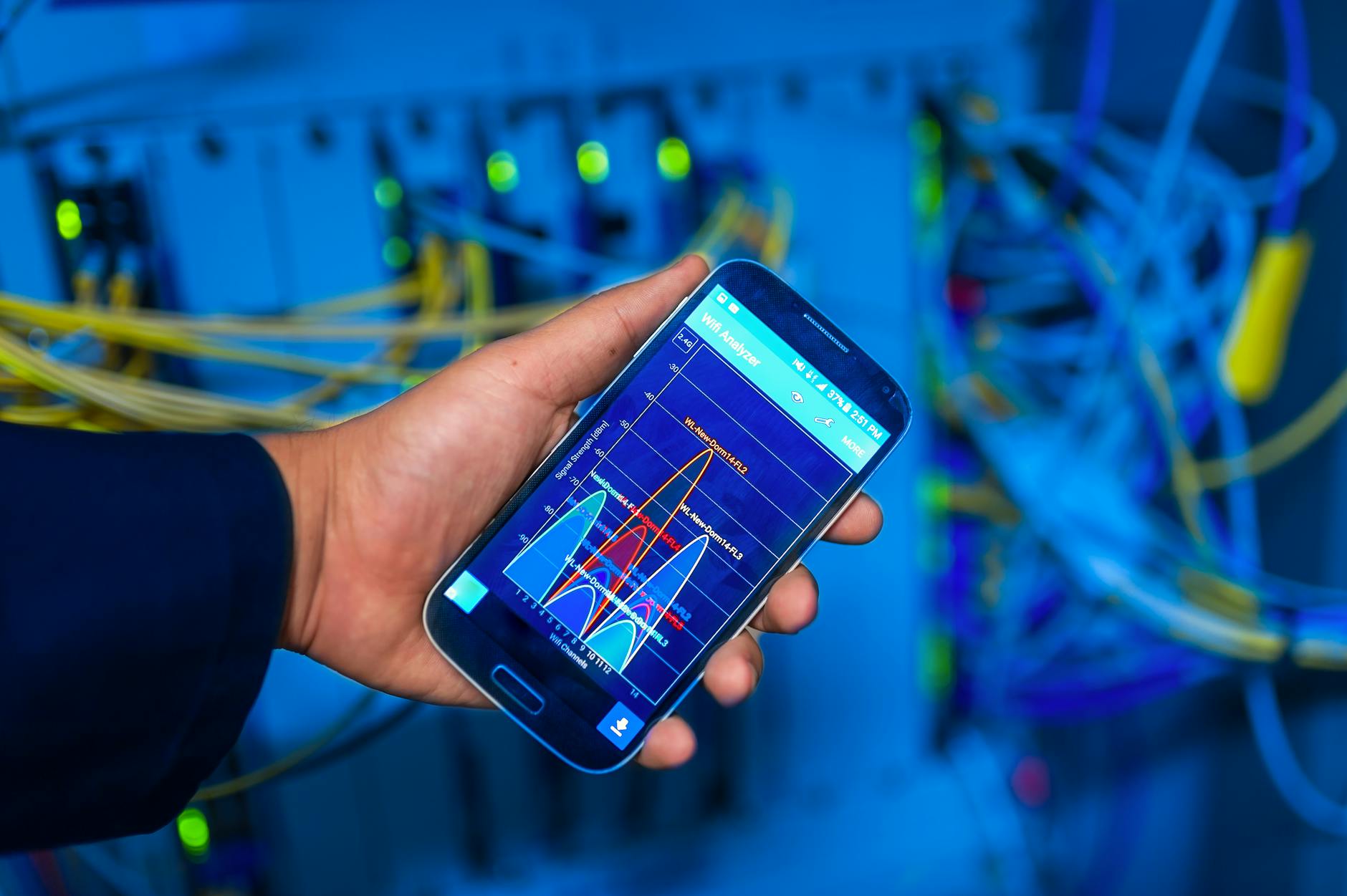 Photo by panumas nikhomkhai
Hardware symptoms to watch for
- Repeated, automatic disconnections across multiple networks
- The device forgets saved networks only after a brief, failed auto-reconnect
- WiFi icon shows weak or unstable signal despite strong router lights
- The phone heats up or cools unusually during WiFi activity
- Other devices connect fine to the same router while your phone struggles
If you notice these patterns, it’s wise to test with a known good network and a different router for comparison. A faulty WiFi module or antenna often presents as intermittent reliability rather than a single network issue. For guidance on how hardware problems relate to network behavior, Apple’s support resources offer a solid baseline you can reference: https://support.apple.com/en-us/111786
What to tell support to speed up help
- Exact model and OS version: iPhone or Android, current release, and when the issue started
- A short description of the symptoms: “forgets saved networks after update,” “needs reauthentication at home and work,” etc
- Steps you’ve already tried: restart, forget and rejoin, disable private MAC, reset network settings
- List of networks affected and whether other devices connect normally
- Router make, model, and firmware version, plus any recent changes to DHCP or security settings
Keep this checklist handy when you contact support. It helps them reproduce the problem quickly and reduces back-and-forth. If you want a quick reference, Apple’s guidance on WiFi connection issues can be a useful model for how to frame the problem: https://support.apple.com/en-us/111786
What If the Only Thing Between You and the Life You Deserve Is a Hidden Wealth Code Waiting to Be Activated
>>> Open the Door <<<

Prevention tips to avoid future wifi forgets
Even with good troubleshooting, you want ongoing stability so saved networks stay put. These prevention tips focus on how networks behave at home and how devices learn to trust your router. Implementing them can reduce the chances of future forgets and keep your smartphone connected without manual reentry.
Use DHCP reservations or static IP for home networks
DHCP reservations lock a device to a specific IP address every time it connects. This prevents the router from reassigning a new address that can confuse devices and trigger reauthentication prompts. For a printer or smart speaker, this is especially helpful because other devices rely on consistent addressing to discover them. In a typical home network, set a reserved IP for frequently connected devices and keep the rest on dynamic IPs. This approach stabilizes the local network, reducing the chance of a forgetful moment. Learn more about how DHCP reservation benefits devices like printers and phones: https://support.google.com/googlenest/answer/6274660?hl=en-NZ
Keep device and router software up to date
Software updates fix bugs and improve compatibility between phones and routers. Create a simple routine: check for OS updates weekly, install them, then test your primary WiFi network. Do the same for your router once a month or after a major firmware release. After updating, reboot both devices and reconnect to ensure the new software is working well. Regular updates minimize memory gaps and sudden forgets. For background reading on router firmware updates, see Apple’s guidance and independent reporting: https://support.apple.com/en-us/102766
Manage cloud sync settings across devices
Consistent sign-ins and synced passwords across devices reduce conflicts that can cause reauthentication prompts. Make sure iCloud Keychain on iPhone and Google Password Manager on Android are both active and synchronized. Confirm all devices part of the same account family or Google account so saved networks align. If you notice mismatches after updates, temporarily disable syncing for WiFi passwords on one device and re-enable after you reconnect. This keeps saved credentials harmonized across phones and tablets: https://support.google.com/googlenest/answer/6274660?hl=en
Conclusion
A phone that forgets saved WiFi networks usually improves with a clear, ordered approach. Start with quick wins like forgetting and rejoining the network, turning off private addresses for trusted networks, and disabling auto network switching on your smartphone. These small steps fix many cases without touching deeper settings and often restore stable connections.
If the issue persists, dig into deeper checks. Update your OS and router firmware, extend DHCP leases if possible, and verify cloud sync of passwords across devices. Manually testing with a static IP can reveal DHCP as the culprit, and reviewing account sync helps align credentials across your devices. In a busy home or office, these adjustments protect against recurring forgetfulness and keep your smartphone connected.
For ongoing reliability, implement proactive habits. Keep devices and routers up to date, use DHCP reservations for frequent networks, and limit aggressive power saving during network testing. These measures reduce the chance of future disconnects and make your everyday connectivity more dependable. If you still face trouble after trying these steps in order, reaching out to support with a concise report speeds up resolution.
If you found this guide helpful, share which fix finally stuck the issue for your device. Have questions about a specific model or network setup? Drop a note in the comments and tell us your smartphone and network environment. Your experience can guide others and help refine tips for future updates.
He Was Drowning in Bills and Burnout Until a Simple Daily Ritual Rewired His Brain for Wealth in Less Than a Week
>>> Start Your Shift Today <<<