What If the Only Thing Between You and the Life You Deserve Is a Hidden Wealth Code Waiting to Be Activated
>>> Open the Door <<<

If you value privacy, you’re not alone. Lock screen quick reply is a handy feature, but it can expose messages to anyone who picks up your phone. In simple terms, it lets you respond to texts right from the lock screen without unlocking the device. That convenience can come at a cost if someone else can read or reply to messages.
This post explains how to disable quick reply on lock screen across Android and iPhone, without sacrificing the alerts you rely on. You’ll learn why this matters for everyday use, and how to adjust settings so you stay in control of what’s visible and what remains private. We’ll break down platform differences and walk through device specific steps so you can act quickly, even on a borrowed phone. By the end, you’ll know how to tighten lock screen privacy while keeping essential notifications.
We’ll start with a clear, practical overview of what to expect. You’ll see how the feature works on common Android skins and on iOS, and you’ll get a sense of what changes when you tweak notification settings. If you’re juggling multiple devices, you’ll find guidance that covers both the broad approach and per app tweaks. The goal is a safer lock screen without losing important alerts that keep you connected. Think of it as a small, smart adjustment that reduces risk without slowing you down.
There Is a Frequency That the Wealthiest Families Have Used for Generations and Most People Will Never Know It Exists
>>> Open the Door <<<

The guide includes actionable steps you can follow today. We’ll cover general, device specific, and app level options so you can decide which route best fits your routine. You’ll also find quick troubleshooting tips in case a setting seems stubborn or a maker’s update changes the path forward. If you’re curious about privacy, you’ll appreciate the quick payoff: less exposure on the lock screen means fewer chances for unauthorized replies.
She Pressed Play on a Strange Audio Track and Within Days Her Financial Reality Started Shifting in Ways She Could Not Explain
>>> See How It Works <<<

Whether you’re new to smartphone security or simply tightening up after a recent incident, this guide helps you take back control. It’s about a cleaner, more private lock screen that still delivers the notifications you need. And it’s all centered on practical, achievable steps you can implement now.
What lock screen quick reply is and why it matters
Lock screen quick reply lets you respond to messages without unlocking your phone. It appears as buttons or one-tap responses right on the lock screen. While handy during a busy moment, it can expose parts of a message to anyone who handles the device in public. Understanding what counts as quick reply versus a read-only preview helps you decide when to keep it on or turn it off. For more background, see Apple’s guidance on controlling what information appears on the iPhone lock screen and camera-ready tips for securing you messages. https://support.apple.com/guide/iphone/control-access-information-lock-screen-iph9a2a69136/ios
What counts as quick reply on the lock screen
- Quick reply vs read-only previews: Quick reply lets you send a response directly from the lock screen, while a read-only preview simply shows a snippet of the message.
- Concrete examples: Tap a “Reply” button to send a one-line response, select a prewritten message like “On my way” or “I’ll call you back,” or use a short custom reply. Read-only previews show who messaged you and a few words of the message without allowing a reply.
- Why it matters: With quick reply, you can keep conversations moving even when your hands are full, but at a glance the message content can reveal sensitive details if you’re in a public space.
Privacy risks of leaving quick reply enabled
- What can be exposed: Names, message previews, and the ability to reply. This can reveal personal details in crowded or shared spaces.
- Who it affects: Anyone who handles the device in public, on public transport, or in a shared office. It also matters for devices passed to a coworker or family member for a moment.
- Real-world scenarios: You hand your phone to a barista, a colleague, or a friend to check a quick detail. They might see your message content or reply on your behalf. That exposure is why many users weigh the trade-off between convenience and privacy. For more context, see discussions about risks of showing text previews on the lock screen. https://diligex.com/2019/07/the-risk-of-showing-text-message-previews-on-your-lock-screen/
When you might want to keep it enabled
- Convenience is a factor: In busy moments, hands-free replies save time. If you’re juggling tasks or moving between meetings, quick replies can help you stay responsive without pulling out your phone.
- Balancing privacy: If you work in a private space or only see trusted people around, you may tolerate the risk. Use app-by-app tweaks to limit what can be seen while keeping the function active for the apps you trust.
- Practical approach: Keep quick reply turned on for messaging apps you trust, and disable it for apps with sensitive content. When in doubt, it’s safer to treat lock screen previews as limited by default and adjust only where needed. For broader context on lock screen controls, see Apple’s guidance and security-focused discussions. https://support.apple.com/guide/iphone/control-access-information-lock-screen-iph9a2a69136/ios
Platform differences: Android vs iPhone
When you disable lock screen quick reply, you gain control over what people can see while your phone is momentarily unattended. Android and iPhone approach this differently, reflecting their design philosophies and notification systems. Below we break down what to expect on each platform and share practical steps you can take now. If you’re juggling multiple devices, you’ll appreciate how small tweaks on each side keep you in the driver’s seat without slowing you down. For quick context, Android devices vary by maker and version, while iPhone follows a more uniform path inside iOS.
Android variations you should know
On Android, per‑app lock screen settings matter a lot. The exact path to disable quick reply or to hide content changes by device skin and OS version, so you may see different labels like “lock screen preferences” or per‑app notification controls. It helps to review each messaging app’s lock screen behavior and decide where to restrict replies. Some devices let you completely block lock screen access to quick settings while still showing banners or previews for messages, which can be handy in a busy smartphone environment. If a setting seems stubborn, check the device maker’s support pages or community threads for model‑specific steps. For quick guidance, see Samsung’s notification controls and Pixel lock screen changes as examples of how vendors implement these options. https://www.samsung.com/us/support/answer/ANS10002524/ https://9to5google.com/switch-lock-screen-notification-view-pixel-android-16/
Android users should also consider how quick settings access on the lock screen is handled. Some skins allow you to disable the entire quick settings panel from the lock screen, while others let you hide only sensitive content within notifications. The result is a balance between staying informed and maintaining privacy. If you rely on quick replies for certain apps, you can often keep those active but restrict the visible content or limit which apps can respond from the lock screen. For a broader view of how lock screen controls are evolving on Android, see community discussions and platform‑specific guides. https://android.stackexchange.com/questions/247344/any-way-to-disable-the-quick-settings-panel-on-the-lockscreen-on-android-12-and
Tip: If you’re using a Google Pixel, the new lock screen notification views may alter how previews appear. Adjust the view to “compact” or “full” to fit your privacy needs. This is a good reason to review the lock screen settings after any OS update. https://9to5google.com/switch-lock-screen-notification-view-pixel-android-16/
iPhone approach on iOS
On iPhone, the path to disable quick reply is a straightforward write‑up inside Settings. Open Settings > Face ID & Passcode (or Touch ID & Passcode on older models). Enter your passcode, then toggle off the option labeled Reply with Message. This stops you from replying directly from the lock screen. For extra privacy, adjust Show Previews to “Never” or “When Unlocked” so message content isn’t visible unless you unlock the device first. These changes help protect sensitive info while still letting you see who reached out. If you occasionally want previews, you can tailor this setting by contact or app as a more granular approach. For more background, see guides from MacRumors and privacy-focused resources. https://macrumors.com/how-to/disable-reply-with-message-locked-iphone https://macrumors.com/how-to/disable-notification-previews-iphone-ipad
Beyond the core steps, you can hide message previews for added privacy on iPhone as well. This is especially useful in shared spaces or when you leave your phone unattended. A simple toggle can prevent sensitive content from appearing on the lock screen, while still delivering alerts you don’t want to miss. For a practical checklist, Asurion’s tips offer actionable ideas to secure iPhone lock screen notifications. https://www.asurion.com/connect/tech-tips/how-to-hide-messages-on-iphone-lock-screen/
Step by step: how to disable quick reply on the most common devices
If you value privacy but still want to stay in control of your notifications, disabling quick reply on the lock screen is a smart move. Below are device‑specific, practical steps you can follow to keep sensitive content private while preserving essential alerts. See how the paths differ between Pixel and stock Android, Samsung Galaxy devices with One UI, and iPhone models on iOS. For each, I’ve included quick notes to help you decide where you want to restrict access without losing important notifications.
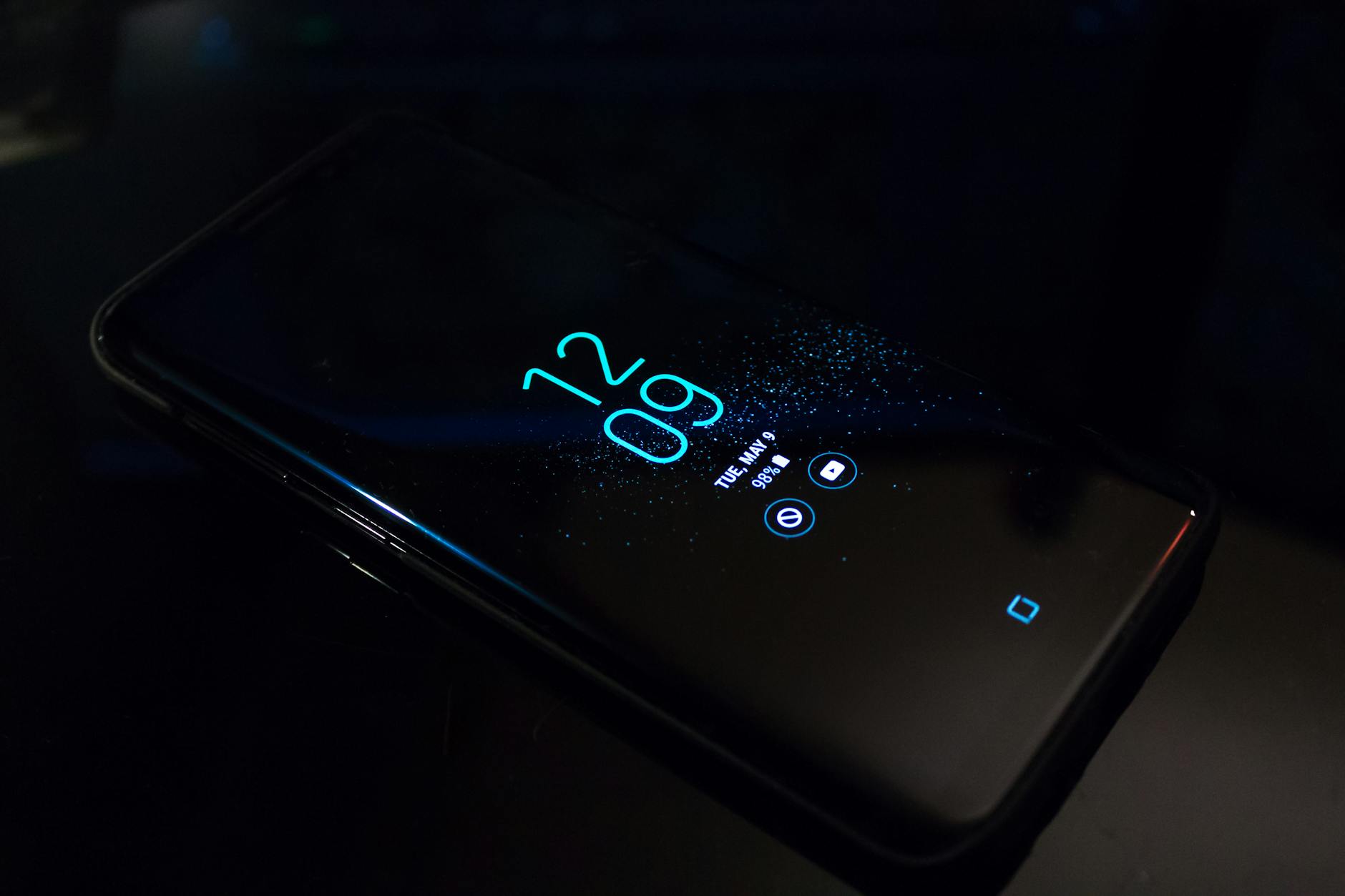 Photo by Noah Erickson
Pixel and stock Android devices
On Google Pixel and other stock Android devices, you’ll often find the most direct paths vary by OS version but share common naming. Start by navigating to Settings, then Notifications, and look for Lock screen or Lock screen notifications. From there you can choose to hide content or turn off notification previews. If you’re on Android 14 through 16+, you may see options like “Hide sensitive content on lock screen” or per‑app toggles that specifically control whether a quick reply button is visible on the lock screen. It’s worth reviewing each messaging app’s lock screen behavior because some apps keep quick reply enabled even when system previews are restricted. For Pixel‑specific guidance on notification views and lock screen behavior, see discussions in the Pixel community and official support pages. See https://9to5google.com/switch-lock-screen-notification-view-pixel-android-16/ and https://support.google.com/pixelphone/thread/248980617/disable-quick-settings-on-lock-screen?hl=en
- Quick path to start: Settings > Notifications > Lock screen notifications; choose “Hide content” or disable previews for sensitive apps.
- If your device supports per‑app controls, toggle off quick reply for messaging apps you don’t want on the lock screen.
- Tip: after OS updates, recheck these settings as vendor changes can relocate the controls.
Photo by Noah Erickson
She Pressed Play on a Strange Audio Track and Within Days Her Financial Reality Started Shifting in Ways She Could Not Explain
>>> See How It Works <<<
Samsung Galaxy devices with One UI
One UI often places lock screen controls under a few slightly different menus, and the steps change with version updates. A typical route starts with Settings > Lock screen and Always On Display (AOD) or Settings > Notifications > Lock screen notifications. From here you can disable the quick reply option or restrict what appears on the lock screen. Some One UI versions let you turn off the control center or quick settings from the lock screen, which reduces the chance of accidental replies. If you’re using One UI 6 or newer, look for Lock Screen Notifications and adjust per‑app visibility. Samsung’s own guides provide model‑specific details, and there are community threads that highlight variations across One UI versions. Learn more with Samsung’s resources and third‑party guides. https://www.samsung.com/ca/support/mobile-devices/galaxy-phone-customize-notifications-and-what-displays-on-your-lock-screen/ and https://www.samsung.com/ae/support/mobile-devices/where-can-i-find-the-lock-screen-notification-settings-in-one-ui-7/
- Path examples: Settings > Lock screen and AOD > Secure lock settings; alternatively Settings > Notifications > Lock screen notifications.
- If the option exists, disable the ability to pull down or interact with quick settings from the lock screen to minimize exposure.
- For certain One UI versions, you can tailor per‑app visibility so you still get alerts without enabling full quick reply.
Photo by Samsung
iPhone models on iOS
On iPhone, the standard route is simple and consistent across recent iOS versions. Go to Settings > Face ID & Passcode (or Touch ID & Passcode on older models). Turn off the switch next to Reply with Message to stop replying directly from the lock screen. If you want to fine tune what content appears, adjust Show Previews to Never or When Unlocked. Steps may vary slightly with major iOS updates, but the basic approach remains the same: disable quick reply, then adjust previews for added privacy. For broader context, see how iPhone privacy controls help manage lock screen content. Useful references include MacRumors guides on disabling reply with message and notification previews. https://macrumors.com/how-to/disable-reply-with-message-locked-iphone and https://www.asurion.com/connect/tech-tips/how-to-hide-messages-on-iphone-lock-screen/
- Core route: Settings > Face ID & Passcode > Reply with Message off.
- Extra privacy: Show Previews set to Never or When Unlocked depending on your preference.
- If you occasionally want previews, you can adjust per‑contact or per‑app settings as a compromise.
Photo by [No photo credit needed here]
Extra privacy tweaks to consider
Smartphone security isn’t a one-and-done fix. Small adjustments on the lock screen can drastically cut the risk of exposing private messages while keeping you connected. In this section, we focus on two practical angles: limiting what appears on the lock screen and applying per‑app controls for sensitive apps. These tweaks work across devices and help you stay in control without losing essential alerts.
Hide message previews and control what shows on lock screen
Showing fewer details on the lock screen reduces the chances someone nearby reads or responds to your messages. On iPhone, you can turn off reply options and adjust previews to Never, so content stays private until you unlock. On Android, use per‑app notification settings to hide content or disable quick reply for apps that handle sensitive information. For example, keep quick reply active for a trusted messaging app, but turn off previews for banking or email apps. See how Apple and Android approaches differ in official guides and vendor support pages for the latest paths. https://support.apple.com/guide/iphone/control-access-information-lock-screen-iph9a2a69136/ios https://support.google.com/pixelphone/thread/248980617/disable-quick-settings-on-lock-screen?hl=en
Real‑world tip: after a system update, revisit Show Previews and per‑app toggles, because manufacturers often relocate these controls. If you’re in a shared space, a quick check now can save you from a surprised glance at a private message. For iPhone users, consider also disabling previews for messages from contacts you don’t trust to avoid accidental exposure in public. See cultural context on how previews can impact privacy in practice. https://macrumors.com/how-to/disable-notification-previews-iphone-ipad
Lock screen access for apps with sensitive info
Per‑app controls let you decide which apps can interact with the lock screen. For sensitive apps like email or banking, restrict lock screen actions so you can see alerts without enabling replies or quick actions. On Android, disable content or the ability to respond directly from the lock screen for those apps. On iPhone, keep a tight grip by disabling Reply with Message for apps that handle confidential information, then use per‑contact or per‑app tweaks to fine tune what you see. This approach keeps the notifications you rely on while blocking risky interactions. For deeper steps, explore Android and iPhone official guidance and trusted privacy resources. https://support.google.com/android/answer/9079661?hl=en https://macrumors.com/how-to/disable-lock-screen-notification-previews-on-iphone-and-ipad
In practice, you might set banking and email to show content when unlocked but hide all content on the lock screen. For messaging apps you trust, allow previews but keep the reply option off on the lock screen. Small, thoughtful adjustments like these are worth it for daily peace of mind. If you want a broader view, How-To guides from reputable outlets summarize per‑app controls across platforms. https://www.howtogeek.com/716707/how-to-hide-sensitive-notifications-on-android/
Troubleshooting common issues
When you disable lock screen quick reply, you may still run into a few hiccups. This section helps you quickly identify where things can go wrong and how to fix them. You’ll learn how third party apps can bypass some protections, what to do when changes don’t take effect, and how to verify your settings with a simple test. Think of this as a practical troubleshooting playbook you can follow without pulling out your hair. If you’re juggling multiple devices, use these fixes as a quick cross check to stay in control of what shows up on the lock screen.
Third party apps still allowing replies
Some apps implement their own lock screen actions, which means their quick reply buttons can persist even after you adjust system settings. To disable in‑app lock screen options, open the app and look for privacy or security sections. Common paths include: Settings > Notifications or Settings > Lock Screen within the app. Turn off any option that says Lock screen reply, Lock screen messages, or similar wording. If you use messaging apps like WhatsApp or Telegram, confirm per‑app controls so you know exactly which apps can respond from the lock screen. For extra context, see guidance on how third party apps handle lock screen content and replies. https://mobileinternist.com/whatsapp-quick-reply-disable
Photo by Sarah Blocksidge
When changes don’t take effect
If your changes don’t appear to apply, start with a quick reboot. A fresh start clears lingering settings and refreshes notifications. After reboot, reopen the settings and verify the options again. If you recently installed a major update, recheck per‑app toggles and system level controls, because updates can relocate or rename options. If the issue persists, check for a software update and install any available patches. Finally, revisit both device and app settings after the update to confirm they’re still in place. For Android, vendor guides on lock screen controls can help; for iPhone, refer to Apple’s control access pages. https://www.samsung.com/ca/support/mobile-devices/galaxy-phone-customize-notifications-and-what-displays-on-your-lock-screen/ https://macrumors.com/how-to/disable-reply-with-message-locked-iphone
Testing and verification
A simple test confirms you’ve got it right. Lock the device, then send a message to your phone. If the quick reply option is gone or blocked, you’ve succeeded. For added privacy, ask a trusted friend to test in a public space to ensure no previews or quick replies are visible when the phone is unattended. If you still see a quick reply option, review both OS level and per‑app settings again and repeat the test. This quick loop helps you confirm results and catch any overlooked tweaks. For more on testing lock screen privacy, see Apple’s and Android community resources. https://macrumors.com/how-to/disable-notification-previews-iphone-ipad
Photo by [No photo credit needed here]
Conclusion
Tightening lock screen privacy is a small change with a big payoff for your smartphone security. The core idea is simple: disable quick reply where you don’t need it, and limit what can be seen before you unlock. On iPhone, turn off Reply with Message and fine tune Show Previews to Never or When Unlocked. On Android, apply per app controls to hide content or block inline replies, and consider secure lock screen options when needed. These steps keep alerts useful while cutting exposure.
A practical approach keeps convenience in mind. Keep quick reply active for trusted messaging apps, but block it for sensitive accounts like banking or email. After a software update, double check these settings, since vendors move paths around. In many cases a quick reboot helps confirm changes took effect.
This is about balance. You want timely alerts without inviting unintended replies in public spaces. If you’re testing with a friend in a busy area, you’ll appreciate how clean the lock screen looks and how messages stay private until you unlock. Have tips or questions from your own device? Share them and join the conversation. Your next step is to review your notifications now and lock down what matters most. Protect privacy on the lock screen starting today.
He Was Drowning in Bills and Burnout Until a Simple Daily Ritual Rewired His Brain for Wealth in Less Than a Week
>>> Start Your Shift Today <<<
