She Pressed Play on a Strange Audio Track and Within Days Her Financial Reality Started Shifting in Ways She Could Not Explain
>>> See How It Works <<<

Are you tired of waking to unwanted ads on your phone’s lock screen? You’re not alone. This guide explains why lock screen ads appear and how to stop them fast.
We’ll walk you through simple steps for both Android and iPhone, from turning off built in ad features to blocking pesky notifications. By the end, you’ll know how to remove lock screen ads and keep your device private and distraction free.
Start with quick fixes you can apply now, then move to longer term solutions if the ads keep showing up. This plan helps you stop lock screen ads, safeguard your data, and restore trust in your device.
Where lock screen ads come from and how they show up
Lock screen ads can feel invasive, but understanding their source helps you spot and stop them quickly. In this section, we break down the main origins on Android and iPhone devices, explain how ads end up on the screen, and share quick checks you can perform right away. Think of it like trimming a hedge: you’ll want to know which branches are putting ads there, so you can prune them without touching the rest of your phone’s settings.
What If the Only Thing Between You and the Life You Deserve Is a Hidden Wealth Code Waiting to Be Activated
>>> Open the Door <<<

Android sources of lock screen ads
On Android, lock screen ads usually appear because an app or feature is injecting content or notifications onto the lock screen. Here are the typical culprits, explained in plain terms, with a quick first-check tip for each:
- Built-in lock screen content services from the device maker or carrier: Some devices offer lock screen customization options that can display content or promos. These are often labeled as vendor features or “wallpaper/content” tools. Quick check: open your device’s lock screen settings and look for any options labeled with the manufacturer or carrier name. If you find a toggle for lock screen content, consider turning it off to test whether the ads disappear.
- Third party apps with overlay permissions: Apps that request screen overlay or display over other apps can place banners or ads on the lock screen. They might also show ads within the app when you unlock. Quick check: review all recently installed apps and their permissions, especially “Draw over other apps” or “Display over other apps.” Revoke overlays from any app you don’t recognize or trust.
- Notification permissions for apps: Apps with broad notification access can push ads or promotional content that become visible on the lock screen when the device is locked. Quick check: go to Settings > Notifications and scan for apps with unusual or aggressive notification patterns. Disable or limit notifications for apps that feel out of place.
- Browser push notifications: Some browsers can push notifications that appear on the lock screen, especially if you’ve enabled web push from a site. These can surface as ads or promoted content when you first wake the phone. Quick check: review your browser’s site permissions and push notification settings; disable sites that you don’t recognize or trust.
- Apps that slipped past the Google Play policy: Some apps comply with basic requirements but still use aggressive ad practices. If you notice ads appearing outside the app you’re using, the culprit is often an app that started to push ads on the lock screen. Quick check: consider uninstalling suspicious apps or ones that recently gained updates that correlates with the ads.
To spot the issue fast, start with the simplest check: which app did you last install or update before the ads appeared? If turning off a feature or uninstalling an app stops the ads, you’ve identified the source. If the ads persist, you may need to review more thorough device-wide settings or consider a factory reset as a last resort.
If you want to learn more about common Android lock screen ad sources and how to disable them, you can explore guidance from device makers and reputable Android support resources:
- Samsung guidance on lock screen ads and how to stop them: https://www.samsung.com/uk/support/mobile-devices/why-are-there-ads-on-my-lock-screen-and-how-can-i-get-rid-of-them/
- Community threads discussing persistent lock screen ads and app permissions: https://support.google.com/android/thread/241153779/i-continously-get-ads-of-random-apps-while-i-am-working-on-my-phone-it-is-affecting-my-work-help-me?hl=en
- A report on lock screen ad experiments and how they show up in some Android builds: https://www.phonearena.com/news/nothing-is-testing-shady-ads-on-the-lock-screen-with-its-latest-beta-software_id175182
- A practical video guide on removing lock screen ads on Android: https://www.youtube.com/watch?v=Wjlk6hbAlAU
For smartphone users who want a quick handle on the issue, this is exactly where to start: check installed apps for overlay or notification permissions, review built in lock screen features, and reset any browser push settings you don’t recognize. If you’re unsure about a specific app, you can temporarily disable it and see whether the ads stop.
iPhone lock screen ad sources
On iPhone, lock screen content tends to come from a different mix of sources. The most common pathways involve configuration profiles, apps that push notifications, Safari web push permissions, and device management profiles. Here’s how these can work together to display content on the lock screen and what to look for:
- Configuration profiles and device management profiles: These are settings packaged as profiles that can control many aspects of how your iPhone behaves, including what shows up on the lock screen. Quick check: go to Settings > General > VPN & Device Management (or Profiles & Device Management on older iOS versions). If you see profiles from unknown sources or ones you didn’t install, remove them. These profiles can reconfigure notification or lock screen behavior.
- Apps with push notifications: Apps can send notifications that appear on the lock screen when the phone is locked. If a message or promo seems persistent, the related app is likely the source. Quick check: review all installed apps for notification patterns and disable alerts for any app you don’t recognize or need.
- Safari push permissions (Web Push): With iOS 16.4 and later, Safari supports web push notifications for sites saved to the home screen. If you’ve added a site to the home screen, it can prompt occasional notices that surface on the lock screen. Quick check: open Settings > Safari > Notifications or Settings > Notifications and inspect sites allowed to push, especially any that you did not intentionally enable.
- Device management profiles in corporate or school settings: Some iPhones used for work may receive management profiles that can deliver prompts or content on the lock screen. Quick check: if your device is managed by your employer or school, talk to IT about changing how notifications are delivered or removing unwanted prompts.
These mechanisms can work together in the following way: a configuration profile or a device management policy might enable certain notification channels, while individual apps or web push permissions push specific content to the lock screen. When you unlock, you can often see the underlying source by checking the associated app or site.
To identify and address iPhone lock screen ad sources, consider these practical steps:
- Review profiles and device management: Settings > General > Profiles & Device Management. Remove any profile you don’t recognize.
- Audit notification settings by app: Settings > Notifications, then inspect each app’s lock screen presentation and alert style.
- Check Safari web push: Settings > Safari > Notifications. Disable sites you don’t trust or remember enabling.
- Look for work-related management: If the device is managed by a company or school, coordinate with IT to adjust what appears on the lock screen.
If you want deeper context about iOS web push and how it can surface on the home screen, these resources offer solid overviews:
- iOS Web Push Notifications and what you need to know: https://frizbit.com/blog/ios-web-push-notifications/
- Setting up and understanding web push notifications on iOS and iPadOS: https://pushalert.co/documentation/ios-web-push
- A guide to web push on iOS and iPadOS by PushEngage: https://www.pushengage.com/documentation/setting-up-web-push-notifications-for-ios-ipad/
- Apple support on managing notifications on iPhone: https://support.apple.com/guide/iphone/change-notification-settings-iph7c3d96bab/ios
In both ecosystems, the pattern is clear:广告 content slips in via permissions, profiles, and active notification channels. Your best defense is a disciplined review of what you’ve enabled, who granted it, and whether you still need it. By verifying these factors, you’ll reclaim control of your lock screen and keep smartphone use focused and private.
Fast actions you can take now to stop ads on both Android and iPhone
Waking up to ads on your lock screen is more than a nuisance. It’s a sign that apps and settings are tapping into your device’s display and notification channels. The quickest path to reclaim control is a mix of quick spot checks and targeted setting changes you can do today. Below you’ll find practical steps you can take right away on both Android and iPhone. Think of these as a first aid kit for your lock screen, with a few longer term adjustments to keep things clean going forward.
Check apps and notification permissions
Reviewing recently installed apps and revoking permissions for anything unfamiliar or ad heavy is your first line of defense. Start with the simplest checks and work your way to tighter controls. On Android, look for apps that requested “Draw over other apps” or broad notification access. On iPhone, examine each app’s notification permissions and how they interact with the lock screen.
- Android quick checks:
- Review recently installed apps in the Play Store or your app drawer. If an app feels suspicious or aggressively pushes content, uninstall it.
- Disable overlay permissions for unknown apps. Go to Settings > Apps & notifications > Special app access > Draw over other apps. Turn off for any app you don’t trust.
- Tighten notification access. Open Settings > Notifications, then inspect apps with notification access. Disable or limit for those that seem to flood the lock screen.
- iPhone quick checks:
- Inspect app notifications. Open Settings > Notifications and review how each app presents alerts on the lock screen. Turn off Lock Screen previews for apps that don’t need it, or disable notifications entirely for apps you don’t use often.
- Limit background content. If an app pushes banners or promos, adjust its notification settings rather than removing it entirely.
- Reconsider site permissions. If a site you saved to the home screen uses web push, it can surface notices on the lock screen. Review and remove sites allowed to push.
If you want official guidance on how to manage these controls, you can review Apple’s and Google’s support resources for notification management and permission handling:
- Apple: Change notification settings on iPhone
- Android: Manage your ad privacy settings on Android
- Google: Remove unwanted ads, pop-ups & malware on Android
Pro tip: Keep a running list of apps you recently installed or updated before the ads appeared. If disabling one feature stops the ads, you’ve found the source. If not, move to the next section and tighten the reins on content delivery from browsers and profiles.
Turn off lock screen content features
Many phones offer lock screen content options that can display previews, banners, or promotions. Turning these off is often enough to stop most lock screen ads.
- Android: Vendor lock screen services and content features sit in the device’s lock screen settings. Look for options labeled with the device maker or carrier name. If you see a toggle for lock screen content, switch it off to test whether ads disappear.
- iPhone: iOS can show content through banners or quick actions from certain apps and web pushes. You’ll want to disable any non essential lock screen content.
Quick access paths to reach these settings:
- Android: Settings > Lock Screen (or Home screen) > Lock screen preferences. If you see “Content” or “Notification content” toggles, disable them and test.
- iPhone: Settings > Notifications for individual apps, plus Settings > Safari > Notifications for web push instances. For device-level controls, Settings > Face ID & Passcode or Settings > Notifications can also influence what appears on the lock screen.
A practical approach is to disable content features for a few days and observe whether the lock screen remains clean. If ads reappear after re enabling a feature, you’ve pinpointed the culprit.
If you’d like deeper background on how these features operate, see:
- Samsung guidance on lock screen ads and how to stop them
- Apple guide on changing notification settings for iPhone
Block browser push notifications
Browser push notifications are a common route for ads to surface when you wake your device. Stopping them at the browser level prevents many quiet promos from appearing on the lock screen.
- Android (Chrome, Edge, Firefox):
- Open the browser settings and navigate to Site settings or Notifications.
- Remove trusted sites that you don’t recognize or need.
- Disable prompts for sites asking to send notifications.
- Consider turning off all push notifications if you rarely use browser alerts.
- iPhone (Safari):
- Open Settings > Safari > Notifications.
- Review sites granted permission and disable any you don’t remember enabling.
- If you see persistent push prompts from a site, remove the site from your Home Screen or disable its web push permission.
If you want more guidance, Apple and Google provide official steps to manage notification prompts and browser permissions:
- Change notification settings on iPhone
- Use notifications on your iPhone or iPad
Be mindful of sites you’ve saved to your home screen. Safari web push permissions can surface as lock screen notices if the site was added as a shortcut. Periodically audit those saved shortcuts and remove anything you don’t recognize.
Review device admin and overlay permissions
Some apps request to draw over other apps or gain device admin rights. These permissions are powerful and can be abused to display content on the lock screen. It’s vital to review and revoke these permissions from suspicious apps.
- Android:
- Check for “Display over other apps” in Settings > Apps & notifications > Special app access > Draw over other apps.
- Look for device admin rights in Settings > Security > Device admin apps. Remove admin access for any unfamiliar app.
- If you spot an app with both overlay and admin rights, remove it immediately or reset the device to a known good state.
- iPhone:
- While iOS uses stricter controls, device management profiles can grant broad control over notifications and lock screen behavior. Go to Settings > General > Profiles & Device Management. Remove any profile you didn’t install or don’t recognize.
- Review app permissions under Settings > Privacy to ensure apps don’t have more access than needed.
- If you’re on a managed device, coordinate with IT to adjust or remove restrictions.
These steps may feel technical, but they’re straightforward. The goal is to eliminate apps that gain too much control over your display. If you’re unsure about a particular app, remove it and recheck the lock screen ads.
For deeper context on admin and overlay controls on both platforms, see:
- Control access to information on the iPhone Lock Screen
- Turn notifications on or off for a specific app – Apple Support
What’s next
After you complete these checks, restart your phone and monitor for a day or two. If the lock screen ads persist, you may need to consider a more thorough clean up, such as a factory reset. Make sure to back up your data first and choose a restore option that minimizes the chance of re introducing the problematic apps.
If you’d like additional reading on related topics, these resources offer practical guidance on notification hygiene and device security:
- Manage your ad privacy settings on Android
- Turn notifications on or off for a specific app – Apple Support
- Use notifications on your iPhone or iPad
With these steps, you can take quick action to stop lock screen ads on both Android and iPhone. A little diligence today keeps your smartphone experience clean, private, and distraction-free.
How to remove adware and clean your phone step by step
Waking up to ads on your screen can be frustrating. The good news is you can tackle adware with a clear, methodical approach. This section walks you through a practical, section-by-section plan to identify the source, remove it, and restore a clean lock screen experience on both Android and iPhone. Follow the steps, keep notes, and test after each change to confirm progress.
Use safe mode to identify the culprit
Safe mode lets you run your device with only essential software active. That makes it easier to see if a third-party app is causing the ads. Here’s how to use it on Android and iPhone, and how to interpret what you see.
- Android
- Enter safe mode: press and hold the Power button, then tap and hold Power off until Safe mode appears. Confirm to reboot into safe mode.
- Observe for 15–30 minutes: if the lock screen ads disappear, a third-party app is the likely culprit. Take note of any apps installed or updated right before the ads started.
- Next steps: in safe mode, you can uninstall recently added apps or those with suspicious behavior. Reboot normally to see if the ads return.
- iPhone
- iPhones don’t have a universal “safe mode” like Android, but you can isolate behavior by restricting apps and testing. Start by turning off all nonessential apps and performing a restart. If the issue clears, re-enable apps one by one to identify the source.
- You can also test by removing configuration profiles or managed settings if the device is part of a work setup. If ads vanish in a controlled test, the culprit is tied to a specific app or profile.
- When testing, keep the phone in a baseline state and reintroduce potential sources one at a time to confirm impact.
Tip: keep a simple log of what you disabled and when the ads stop or return. A quick review can reveal whether the problem is app-based, a browser setting, or a profile. If you want deeper context on safe mode principles, see how other experts outline the process for Android and iPhone users.
External resources for deeper context:
- Android safe mode guidance and troubleshooting steps
- Apple support on managing notifications and profiles on iPhone
Uninstall suspect apps and revoke permissions
If safe mode points to a culprit, the next step is to remove the suspect apps and clamp down on permissions that feed ad delivery. This approach minimizes risk while preserving data.
- Step-by-step removal on Android
- Review recently installed apps in the Play Store or app drawer.
- Prioritize apps that request overlay permissions or access to notifications.
- Uninstall suspicious apps or those updated recently before ads appeared.
- After uninstalling, reboot and check if ads still appear.
- If needed, revoke overlay permissions for any remaining apps: Settings > Apps & notifications > Special app access > Draw over other apps. Turn off for questionable apps.
- Revisit notification settings: Settings > Notifications. Disable or limit notifications for apps that seem out of place.
- Step-by-step removal on iPhone
- Open Settings > Notifications and audit how each app presents alerts on the lock screen.
- Disable alerts for apps that push unsolicited promos or banners.
- Review Safari site permissions and web push permissions in Settings > Safari > Notifications.
- If the device is managed by a work profile, coordinate with IT to adjust or remove restrictions.
- Remove or disable problematic apps and then reboot to verify results.
Tips to stay ahead
- Check reviews and recent installs for red flags like aggressive advertising policies.
- Look for apps with “Draw over other apps” or broad notification access and revoke them if possible.
- When in doubt, temporarily disable an app to test whether the lock screen ads stop.
External guidance and examples:
- Guidance on stopping pop-up ads on Android and how to review permissions
- Apple support on managing app notifications and how to handle alerts
Reset settings and network configurations
If removing apps doesn’t fully solve the issue, consider non-destructive resets to clear adware footprints without wiping your data. This keeps personal content intact while returning default behavior to key systems.
There Is a Frequency That the Wealthiest Families Have Used for Generations and Most People Will Never Know It Exists
>>> Open the Door <<<

What to reset, and why
- Network settings: resets Wi-Fi, Bluetooth, and cellular settings that could be exploited by misbehaving apps or profiles. This helps resolve connectivity oddities that sometimes accompany adware behavior.
- App permissions: a fresh sweep of permissions can prevent apps from reactivating ad channels after reinstallation.
- Browser settings and site data: clearing site data and permissions can stop browser-driven pushes or redirects from resurfacing.
Important note: these resets aim to preserve your data while clearing customized settings, like network credentials and app permissions. They usually remove saved networks, paired Bluetooth devices, and some device-specific preferences, but messages, photos, and contacts stay intact.
If you’d like a practical walkthrough, here are relevant steps:
- Android: reset network settings via Settings > System > Reset options > Reset network settings.
- iPhone: reset network settings via Settings > General > Transfer or Reset iPhone > Reset > Reset Network Settings.
Outdoor analogy: think of this as giving your phone a gentle refresh, like reconfiguring a home Wi-Fi network after moving to a new apartment. You’re not deleting memories, just tuning the pipes.
Helpful resources
- How to reset network settings on Android or iOS
- Guidance on managing app permissions after a reset
Factory reset as a last resort
If adware or persistent lock screen ads keep returning despite prior steps, a factory reset becomes a sane last resort. This wipes the device clean and removes everything that could be driving the issue.
When to consider it
- The ad problem continues after expert cleanup attempts.
- You notice signs of a broader security breach or malware that resists removal.
- You’ve exhausted safe mode testing, app removal, and non-destructive resets without lasting results.
Before you reset, back up your data. Choose a backup method that minimizes reintroduction of the problematic apps after restore. Create a local backup of essential items and a cloud backup of key data.
Back-up checklist
- Photos and videos: keep copies on a computer or trusted cloud service.
- Contacts: export to a vCard file or sync to a cloud account.
- Notes and documents: save to a secure location or cloud.
- App data: some apps offer independent backups; use those when possible.
Post-reset plan
- Restore only essential apps first, then test for ads before restoring all data.
- Reinstall apps from trusted sources, and avoid sideloading unknown apps.
- Review permissions and notification settings carefully to prevent a repeat.
External references for factory reset guidance and data backup:
- Guidance on factory resets and data backup best practices
- Apple support resources on resetting iPhone while preserving data
When to seek professional help
Sometimes the issue is deeper than user-level controls. Consider professional help when adware persists or you suspect a security breach. A qualified technician or device manufacturer support can diagnose whether a rootkit or other advanced threat is present.
Red flags that warrant professional help
- Ads return after a factory reset or after a fresh OS install.
- You notice unusual battery drain, data usage spikes, or unfamiliar profiles that reappear after removal.
- You can’t identify a source, or the device feels compromised beyond typical adware.
What to discuss with a pro
- Symptoms and timeline of the ad behavior.
- Apps installed recently and their behavior.
- Whether the device is part of a managed environment (work device).
Reach out to:
- Device manufacturers’ support lines or official service centers.
- A trusted local technician with experience in mobile security.
- Your enterprise IT department if the device is managed by your employer.
Helpful pointers
- Bring logs or notes about when ads appear and what you changed prior to each incident.
- Ask for a clean reimage or OS reinstall option if available, and insist on a trusted data restore plan.
External resources
- Guidance on recognizing when to seek professional help for persistent adware
- Device manufacturer support channels and official service options
With these steps, you can take decisive action against lock screen ads and adware. A steady, methodical approach protects your data, restores a calm smartphone experience, and reduces the chance of recurrence. If you’re following along, you’ll have a solid recovery plan that you can adapt to any future hiccup in how your device behaves. Remember, the goal is a clean, distraction-free smartphone you can trust.
Android vs iPhone: device specific steps you should know
Stop lock screen ads fast with practical, device-specific actions. This section broken into Android and iPhone steps will help you test and disable the sources quickly. You’ll learn where ads usually come from, how to adjust vendor features, and the most reliable ways to stop interruptions on your smartphone.
 Photo by Sarah Blocksidge
Android specific steps
Follow these Android focused steps to curb lock screen ads. They cover vendor features like Glance style content, overlay permissions, and launcher or lock screen settings. Tackle them in this order for best results.
- Disable vendor lock screen content and Glance-like features
- Go to Settings > Lock Screen or Home screen. Look for options labeled with the manufacturer or carrier name. If you see a toggle for lock screen content or “At a glance” type modules, turn it off. After turning off, test by locking and waking your phone to see if the ads disappear.
- If you can customize what Glance or similar content shows, reduce it to a minimal or empty state. Some devices let you choose what appears on the lock screen; select fewer or no promos.
- Review overlay and display over other apps permissions
- Open Settings > Apps & notifications > Special app access > Draw over other apps. Revoke overlays from apps you don’t recognize or trust.
- If a recent app had overlay privileges, remove it or disable the permission, then reboot to confirm.
- Tighten notification permissions
- Settings > Notifications. Scan for apps with broad access or unusually aggressive prompts. Disable notifications for those apps or switch to a quieter alert style.
- For apps you still need, set them to show on the lock screen only when relevant.
- Check browser push settings
- If you use Chrome, Edge, or another browser, go to Site settings > Notifications. Remove sites you don’t recognize and block prompts from new sites.
- Clear browser data if needed and reset permissions for web push.
- Inspect launcher and home screen settings
- Some launchers insert ads or banners on the first wake. Replace a suspicious launcher with a clean option from the Play Store, or return to the manufacturer’s stock launcher.
- Recheck any theme or wallpaper apps that might load ad content into the lock screen preview.
- Quick checks to pinpoint the source
- Note the last app installed or updated before ads appeared. If the ads stop after disabling a particular feature or uninstalling an app, you’ve found the culprit.
- If ads persist, consider a broader device reset or factory reset as a last resort, but backup first.
Helpful resources for Android users
- Change app permissions on your Android phone. https://support.google.com/android/answer/9431959?hl=en
- Manage your ad privacy settings on Android. https://support.google.com/android/answer/13720755?hl=en
- How to customize what Glance shows on my lock screen. https://support.google.com/android/thread/307449589/can-i-customize-what-glance-shows-on-my-lock-screen?hl=en
iPhone specific steps
iPhone steps center on configuration profiles, device management checks, and how Safari push notifications and personalized ads can surface on the lock screen. Use these steps to regain control quickly.
- Remove configuration profiles and device management you don’t recognize
- Go to Settings > General > Profiles & Device Management. If you see profiles from unknown sources, remove them. Profiles can reconfigure how notifications appear on the lock screen.
- If the device is managed by a work or school account, coordinate with IT to adjust what shows on the lock screen.
- Audit app notification settings
- Settings > Notifications. Review each app’s lock screen presentation. Turn off Lock Screen previews for apps that don’t need them or disable notifications entirely for apps pumping promos.
- For apps you keep, set a calmer alert style to reduce lock screen clutter.
- Check Safari web push permissions
- Settings > Safari > Notifications. Disable sites you don’t remember enabling. If a site was saved to the Home Screen and asks for push notifications, remove or disable its permission.
- Manage web push via home screen shortcuts
- If you added a site to the Home Screen, it may prompt occasional notices on the lock screen. Remove the shortcut or revoke its web push permission to stop alerts.
- Review device management and privacy settings
- Settings > Privacy to ensure apps don’t have more access than needed.
- If your device is part of a managed environment, work with IT to adjust restrictions on notifications.
- Quick checks to identify the culprit
- If ads vanish after removing a profile or turning off a specific app’s notifications, you’ve pinpointed the source.
- When in doubt, test one change at a time and monitor the lock screen behavior.
Helpful resources for iPhone users
- Install or remove configuration profiles on iPhone. https://support.apple.com/guide/iphone/install-or-remove-configuration-profiles-iph6c493b19/ios
- Device management restrictions for iPhone and iPad devices. https://support.apple.com/guide/deployment/restrictions-for-iphone-and-ipad-de dep0f7dd3d8/web
- Safari browsing management declarative configuration for Apple devices. https://support.apple.com/guide/deployment/safari-browsing-management-declarative-depb514ccd65/web
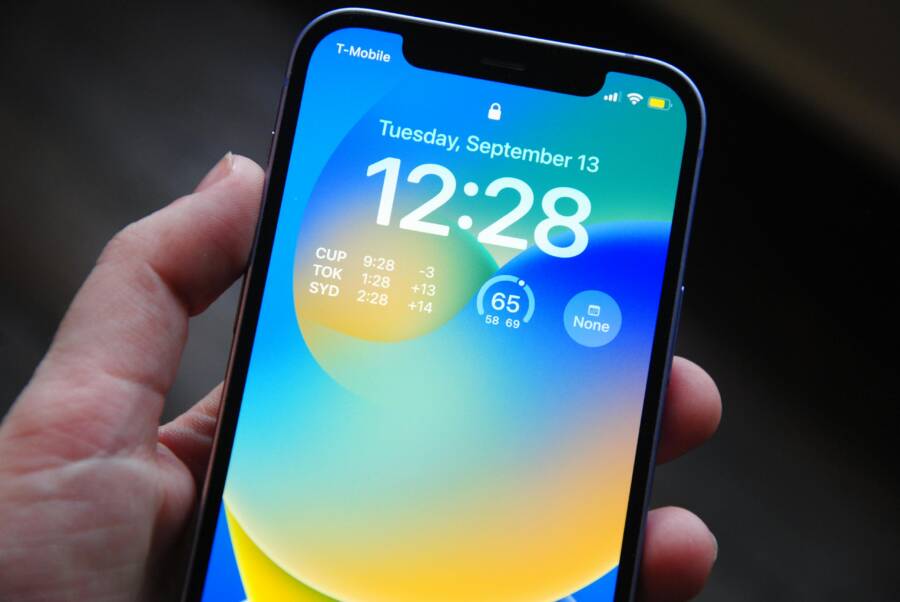
Images and visuals can simplify the steps. If you’re following along with a smartphone in your hand, a clear, close-up shot of the lock screen helps readers recognize what to look for. Include a caption like: “Lock screen settings screen capture showing where to disable at a glance features.”
What to do next
- After applying the above steps, restart your device and monitor for a day or two. If ads persist, you may need a deeper clean up or a factory reset as a last resort. Always back up data first.
- Keep a simple log of changes. A quick note on what you disabled helps you identify the real source if ads reappear.
- If you want extra reading on related topics, follow official help guides from Google and Apple for notification management and profile handling.
Prevention and everyday habits to keep ads away
Ads on the lock screen can be invasive and frankly frustrating. The best defense is a simple, repeatable routine you can follow every day. This section covers practical habits, quick checks, and small adjustments that reduce ad delivery across both Android and iPhone. Think of these as your daily smartphone hygiene — easy to maintain and effective over time.
Keep software and apps updated
Regular updates are the first line of defense against adware and intrusive content. Each new OS and app version patches security holes, tightens permission rules, and improves how notifications are handled. Delayed updates leave gaps that opportunistic apps can exploit to show ads on the lock screen.
- Why updates matter: Security patches close known vulnerabilities that ad networks or shady apps may try to abuse. An up to date device reduces the chance of unexpected promos slipping through.
- How to enable automatic updates:
- Android: Settings > System > Advanced > System update and enable automatic updates. For apps, open the Play Store > Menu > Settings > Network preferences > Auto update apps, choose over any network or only over Wi-Fi.
- iPhone: Settings > General > Software Update and turn on Automatic Updates. In the App Store, Settings > App Store > Automatic Downloads, enable App Updates.
- What to watch for after updates: recheck notification behavior and lock screen previews, as some changes can reset or modify how content appears.
If you want to stay current, you can glance at trusted sources that track iOS and Android security patches. For example, reputable outlets highlight when Apple or Google push critical fixes that impact how ads are delivered. You’ll find guidance like “Apple patches multiple vulnerabilities in iOS and iPadOS” and practical reminders to keep devices up to date. Links: https://www.malwarebytes.com/blog/news/2025/07/apple-patches-multiple-vulnerabilities-in-ios-and-ipados-update-now, https://www.aarp.org/personal-technology/operating-system-updates/, https://cybernews.com/security/cisa-updates-rules-for-iphone-and-android-security/
Choose apps wisely and limit permissions
The apps you install and the permissions you grant directly shape what can appear on your lock screen. Ad heavy apps tend to request overlays, broad notifications, or special access that lets them push ads when the device is locked.
- How to pick trustworthy apps: favor apps from reputable stores, read recent reviews, and check the developer’s track record. Look for red flags in the permissions requested.
- Permissions to avoid or limit:
- Overlay or display over other apps
- Broad notification access
- Access to sensitive data not essential to the app’s function
- Practical checks before installation:
- Read the app’s privacy section in the store listing.
- Review user reviews for mentions of ads or aggressive marketing.
- Check what the app claims to do and compare it with the permissions it asks for.
- What to do if you’ve already installed risky apps: revoke overlays and notification access, then monitor for changes. If ads persist, consider uninstalling the app.
If you want guidance from industry sources, credible material covers how to spot malicious apps and factors for safe downloads. For further reading, see:
- How To Spot Malicious Apps: 16 Key Factors For Safe Downloads: https://www.forbes.com/sites/alexvakulov/2025/01/13/how-to-spot-malicious-apps-16-key-factors-for-safe-downloads/
- Understand app privacy & security practices with Google Play’s Data safety section: https://support.google.com/googleplay/answer/11416267?hl=en
Regularly review push notifications and profiles
Monthly attention to notifications and profiles prevents drift. A quick audit can reveal profiles or push channels that quietly reintroduce ads on the lock screen.
- Simple monthly checklist:
- Review notification settings by app and adjust lock screen previews or entirely disable for unfamiliar apps.
- Check for any configuration or device management profiles you don’t recognize and remove them if needed.
- Inspect browser push permissions and site data, especially for sites saved to the home screen.
- Confirm there are no lingering overlay permissions on apps you’ve updated recently.
- Quick wins to implement now:
- On Android, Settings > Notifications, and disable unusual or aggressive prompts.
- On iPhone, Settings > Notifications and disable Lock Screen previews for apps you don’t need visible on wake.
- Why this matters: many ads ride on trust signals built by notifications and profiles. Keeping these lean reduces the chance of promotions showing up when you wake your device.
For deeper context, you can explore resources on notification management and profiles:
- Apple: Change notification settings on iPhone
- Google: Remove unwanted ads, pop-ups & malware on Android
Build a simple daily habit: a 5-minute lock screen check
Turn vigilance into a routine. A short daily ritual helps you catch changes fast before they become a persistent problem.
- Step by step:
- In the morning, quickly review the last installed or updated apps.
- Check a fresh lock screen by turning off the phone for a moment and waking it up.
- If you notice any new ads, retrace the most recent change: app install, permission tweak, or profile addition.
- Quick prompts to keep in mind:
- If an app required overlay permissions, consider whether that permission is essential.
- If a browser site asked to send notifications, decide if you truly want it to push alerts.
- Smartphone tip: keeping a small log can be helpful. Note when ads appear and what you changed. It makes troubleshooting faster and reduces guesswork.
For practical readers who want a quick reference, a few official guides cover how to manage notifications and profiles on iPhone and Android. See the links above for reliable steps.
By adopting these everyday habits, you cut down the channels ads use and preserve a calmer, more private lock screen experience. Regular updates, cautious app choices, and a monthly review create a strong defense that fits into any busy lifestyle. If you stay consistent, you’ll notice fewer interruptions and a more trustworthy smartphone experience.
Conclusion
Stopping lock screen ads comes down to a clear, repeatable routine: review apps and their permissions, disable built-in ad features, and curb browser and site notifications. When you spot the source, remove it, then test wake cycles to confirm the fix. A quick daily check keeps your smartphone free from surprise promos and protects your privacy.
What If the Only Thing Between You and the Life You Deserve Is a Hidden Wealth Code Waiting to Be Activated
>>> Open the Door <<<
Make this guide part of your routine by bookmarking it and sharing practical tips with friends. If you have a tip that worked for you, drop it in the comments so others can benefit.
Thousands of People Were Struggling With Money Until They Discovered This One Ancient Secret Hidden in Sound
>>> Unlock It Now <<<
