
There Is a Frequency That the Wealthiest Families Have Used for Generations and Most People Will Never Know It Exists
>>> Open the Door <<<

Public WiFi can feel convenient, but its risks are easy to miss. If you’re not careful, hackers and shady hotspots can slip into your data, apps, and accounts. This guide cuts through the noise and shows practical steps you can take right away.
In this post we focus on smartphone use on public networks. You’ll learn simple habits that reduce risk without slowing you down, plus quick checks to verify what you’re connecting to. by the end, you’ll have a clear plan for safer browsing on the go.
You’ll come away with actionable steps you can apply today. Expect tips on using a VPN, choosing trusted networks, protecting sensitive actions, and keeping your device updated. These strategies are practical, easy to implement, and designed to keep your information private while you’re out and about.
Assessing public WiFi safety
Public WiFi can be convenient, but it brings real risks to your smartphone. By learning to assess safety before and during use, you can protect your data without slowing down your day. This section covers common threats, how to verify networks, and the signs of legitimate login pages. Use the guidance below as a quick check before you connect, and as a refresher when you’re on the go.
She Pressed Play on a Strange Audio Track and Within Days Her Financial Reality Started Shifting in Ways She Could Not Explain
>>> See How It Works <<<

Recognize common public WiFi risks
Public networks are easy to join but easy to abuse. Here are the main risks you should watch for, with plain-language explanations and practical signs to look for.
- Eavesdropping and data interception: When a network isn’t properly secured, others on the same hotspot can see what you type, including passwords and credit card numbers. On your smartphone, this can show up as unusual login prompts, unexpected requests for sensitive data, or pages that load slowly and then suddenly reset.
- Malware distribution on open networks: Some hotspots push malicious content or redirect you to unsafe sites. A shady page may look legitimate but push a malware installer or require you to download a file. If you notice unfamiliar prompts or unusual app behavior after connecting, pause and reassess.
- Rogue (fake) hotspots: Attackers can set up networks that look exactly like the real venue network. They may lure you into connecting, then capture traffic or inject malicious content. Signs include networks with names that are close to the venue’s real name but not identical, or a prompt to sign in that appears on a page you don’t recognize.
- Unsecured or poorly designed login pages: Some public networks present login pages that aren’t served over HTTPS or look suspiciously designed. Insecure pages can expose your data, and even legitimate pages might prompt for more information than needed.
- Device exposure and tracking: Even when you don’t log in, advertisers and trackers can monitor your activity on some networks. This can lead to targeted ads or data leakage about your location and browsing.
Practical signs to watch for:
- The login page asks for more information than necessary (for example, a social security number or full card details).
- The URL begins with http instead of https, or the padlock icon is absent or broken.
- You’re redirected to pages with odd logos, typos, or requests for permissions that don’t fit the venue.
- The network name changes mid-session or prompts you to sign in again after you’ve already connected.
Impact on your smartphone is real. Even a small slip can expose credentials or enable malware to run in the background. Stay calm, verify the network, and apply safer habits before you start using public WiFi.
Helpful resources:
- For a deeper dive into risks and practical safety steps, check out this guide from Norton (Public Wi-Fi: A guide to the risks and how to stay safe) which outlines interception, malware, and identity theft risks. https://us.norton.com/blog/privacy/public-wifi
- If you’re in another region or looking for a different perspective, Netgear’s overview on public WiFi risks and solutions offers clear, actionable guidance. https://www.netgear.com/au/hub/wifi/mobile/public-wifi-security-risks/
Verify the network name and avoid spoofed networks
Verifying the exact network name before you connect is the simplest and most effective defense. It prevents you from accidentally joining a rogue hotspot and reduces the chance you’ll land on a page you don’t trust.
- Check with staff or venue signage: The simplest path is to ask a staff member which network to use. If there’s a business center or cafe, they’ll typically spell out the exact SSID. This step alone cuts out most spoofed networks.
- Look for the official network in your device settings: On iOS and Android, you’ll see a list of available networks. Choose the one that matches the venue’s name exactly, not a close misspelling or a playful variant.
- Be wary of odd names or prompts to sign in on unfamiliar pages: If the network name looks odd or the device prompts you to sign in on a page that seems off, don’t connect. It’s a sign the network might not be legitimate.
- Confirm any captive portal requirements before logging in: Some networks require you to log in or accept terms on a splash page. If you didn’t expect a login, pause and verify with staff.
iOS and Android tips, kept simple:
- iOS: After selecting a network, watch for a banner or prompt that appears at the top of the screen. If you aren’t sure, open Safari and try to navigate to a site; if you’re redirected to a login page, ensure it’s the venue’s official portal.
- Android: The WiFi screen shows notification icons when a captive portal is detected. If you see a sign-in screen unexpectedly, double-check the network name and try again with the correct SSID.
A quick practical approach:
- Before you connect, ask for the exact network name.
- Confirm the name on the device and with staff.
- If anything feels off, skip the connection and ask for a better alternative, like your own hotspot.
Relevant guidance and safety checks from reputable sources can help you stay vigilant. For example, public WiFi risk summaries from Norton and Netgear provide clear reminders about spoofed networks and safe login practices. https://us.norton.com/blog/privacy/public-wifi https://www.netgear.com/au/hub/wifi/mobile/public-wifi-security-risks/
Understand captive portals and login prompts
A captive portal is a login page or acceptance screen that appears when you connect to a public network. It’s how the network manages access, and you may need to agree to terms or sign in before you can browse.
- What to expect: After connecting, your browser or the first app you open will be redirected to a login or terms page. Some portals require a phone number, email, or a quick signup. Others just ask you to accept terms of service.
- How to tell if a page is legitimate: Look for HTTPS in the URL and a legitimate domain that matches the venue or network operator. A padlock icon is not a guarantee of safety on a captive portal, but it helps. Be cautious if the portal asks for sensitive data beyond what is necessary for access.
- What to do if you’re unsure: If you’re in doubt, avoid entering personal information. Use a known, trusted method to connect, such as enabling a personal hotspot from your own data plan or asking staff for an alternative connection. If you must continue, minimize what you share—avoid logging into banking apps or apps with sensitive data on a public portal.
- Alternatives and safer steps: Instead of entering credentials on a portal, open a trusted app or website you know to confirm you’re connected, or use a VPN to encrypt traffic while you browse. If you frequently need secure access on the go, consider a portable personal hotspot or a data-centric plan as a safer baseline.
When a portal looks suspicious, trust your instincts. If the page design seems poorly done, if the logo looks off, or if you’re asked to provide more information than necessary, leave the portal and disconnect. You can then ask for a direct connection method from staff or switch to a safer alternative.
For more background on how public WiFi can be exploited and how to protect yourself, see Vanderbilt’s overview of public Wi-Fi risks and stay-safe tips. https://tdx.vanderbilt.edu/TDClient/33/Portal/KB/PrintArticle?ID=286
If you want a broader view on avoiding risky public WiFi, Astound’s guide highlights key threats and practical protections you can apply right away. https://www.astound.com/learn/internet/public-wifi-risks/
Putting it all together: when you see a captive portal, Treat it with caution. Confirm legitimacy, limit the data you share, and use your safer alternatives if anything seems off. A thoughtful approach here keeps your smartphone and your information safer, whether you’re at a cafe, airport, or hotel lobby.
Links you can consult for more detail:
- Norton on public Wi-Fi risks and safety steps. https://us.norton.com/blog/privacy/public-wifi
- Netgear’s guidance on public WiFi security risks and practical protections. https://www.netgear.com/au/hub/wifi/mobile/public-wifi-security-risks/
If you’d like, I can tailor this section to match a specific region or venue type, or weave in additional real-world examples to help readers recognize common portal designs.
Step by step: connecting safely on your phone
Connecting to public WiFi can be convenient, but it comes with real risks. If you want to browse, shop, or message safely, you need a simple, repeatable routine. The following steps break down the process into clear actions you can take every time you use public networks. This section covers preparation, network selection, privacy tools, and safe usage habits that keep your information private without slowing you down.
 Photo by Stefan Coders
Prep your phone with safety settings
Before you ever connect, tune your phone for safety. A little setup goes a long way toward protecting your data on any public network.
- Turn off auto connect: Auto joining known networks can expose you to spoofed or malicious hotspots. Manually pick networks you trust.
- Enable a strong lock screen: A passcode, fingerprint, or face unlock protects your device if it’s lost or stolen in a public place.
- Update the OS: Install the latest security patches. Updates close known vulnerabilities and improve protection against new threats.
- Enable Find My or similar: This helps you locate, lock, or erase your device if it goes missing.
- Review privacy settings: Limit location sharing, ad tracking, and app-specific data access. On iOS and Android, tighten app permissions you don’t need.
- Consider a privacy-conscious browser and do-not-track settings when available.
Extra tips you can act on now:
- Enable a timeslot-based automatic lock after idle time, so you’re protected if you forget to lock your screen.
- Use a clean, minimal home screen so you’re less tempted to tap suspicious prompts on public portals.
For further safety checks, reputable sources offer practical reminders about staying safe on public WiFi. Norton’s guidance covers interception, malware, and identity protection, while Netgear highlights common risks and practical protections. Norton: Public Wi-Fi safety · Netgear: Public WiFi safety risks
Choose a trusted network and connect securely
Selection matters. A strong, legitimate network means less risk and fewer odd login prompts. Here’s how to pick wisely and stay secure while you connect.
- Look for strong network names: Prefer networks that clearly belong to the venue (for example, the cafe name plus “_guest” or “WiFi”). Be wary of networks with similar but slightly altered names.
- Avoid open networks: Whenever possible, choose networks that require a password. If you must use an open network, pair it with a VPN and avoid sensitive actions.
- Prefer HTTPS: When you browse, ensure sites use HTTPS. This adds a layer of encryption between you and the site, reducing the risk of eavesdropping.
- Be cautious with non-secure pages: If a login page or form asks for sensitive data on a page without HTTPS, back out and use a different connection.
Practical approach:
- Verify the SSID with staff or signage at the venue. If something feels off, skip the connection.
- On iOS and Android, confirm the exact network name before tapping to connect. If a captive portal appears, verify it matches the venue.
Quick context from trusted guides:
- Norton’s public WiFi safety overview highlights interception risks and practical steps to stay safe online. https://us.norton.com/blog/privacy/public-wifi
- Netgear’s overview explains common risks and practical protections for public WiFi. https://www.netgear.com/au/hub/wifi/mobile/public-wifi-security-risks/
Use a VPN and secure apps
A VPN creates a private tunnel for your online activity, so others on the same network can’t easily see what you do or which apps you use. This simple tool makes public WiFi much safer.
He Was Drowning in Bills and Burnout Until a Simple Daily Ritual Rewired His Brain for Wealth in Less Than a Week
>>> Start Your Shift Today <<<

- Why a VPN helps: It encrypts data in transit, even on questionable networks, reducing the chance of eavesdropping.
- How to enable it: Install a reputable VPN app, then toggle it on before you start browsing. Some devices offer built-in VPN options you can enable in Settings.
- Free vs paid options: Free VPNs can be tempting but may limit speed or data and sometimes monetize your activity. Paid options usually offer stronger security and fewer data limits. If you’re unsure, start with a well-known, reputable service and upgrade if you need more features.
- Check app permissions: Some apps request broad access. Review permissions and disable anything unnecessary, especially on public networks.
- Apps with built-in encryption: Many messaging and banking apps encrypt data by default. Still, rely on the VPN for an extra layer of protection when connected to public WiFi.
Quick setup example:
- Install a trusted VPN, enable it in the app, and switch on “Always-on VPN” if your device supports it. Then browse as usual, keeping sensitive actions like banking to a VPN-protected session.
For additional guidance, Vanderbilt provides an overview of public WiFi risks and smart safety steps, while Astound offers actionable protections you can apply right away. Vanderbilt public Wi-Fi safety · Astound public WiFi risks
Limit data, turn off sharing, and sign out after use
Public networks encourage quick checks, but they can tempt you to leave data streams open. Taming data and sharing reduces exposure.
- Limit data usage: If your plan has caps, monitor usage during public sessions. Some apps can eat data quietly in the background.
- Turn off file sharing: Disable feature sharing for photos, documents, and device discovery on both iOS and Android.
- Avoid syncing sensitive data: Pause automatic backups or real-time sync while on public WiFi. If needed, do it later on a trusted connection.
- Sign out when finished: Log out of accounts and close sessions when you’re done. This prevents session hijacking if someone else gains access to your device later.
Practical reminder:
- Before you leave, verify that your email, cloud, and bank apps show you’re signed out or have ended sessions. This small habit stops lingering access for others.
In case you want more in-depth safety steps, Norton and Netgear offer solid grounding on what to watch for and how to protect yourself. Norton: Public WiFi safety · Netgear: Public WiFi safety risks
If you’d like, I can tailor these tips to a specific region or venue type, or add real-world examples to help readers recognize common network prompts.
Extra safety habits for on the go
When you’re away from a private network, small habits make a big difference. These quick, practical tips keep your data safer without slowing you down. Think of your smartphone as a pocket-sized security guard: it’s with you everywhere, so it should help you stay protected in real time.
Avoid sensitive actions on public WiFi
Public networks are convenient, but they aren’t private. Avoid performing tasks that involve personal data while connected to a public hotspot.
- Banking, shopping, and logging into accounts with sensitive data should wait for a private, trusted connection. If you must access these services, switch to your mobile data or a trusted personal hotspot first.
- Use apps that offer end-to-end encryption and rely on your cellular data when possible. Even then, limit the amount of sensitive information you handle on open networks.
- Pause real-time syncing for banks, passwords managers, and payment apps while on public WiFi. You can resume once you’re on a secure network.
Why this matters: public networks can expose credentials, enable session hijacking, or prompt you to enter sensitive information on insecure pages. A careful approach reduces risk and gives you flexibility to handle tasks once you’re back on a safe connection.
Helpful resources you can consult for broader guidance:
- Norton on public WiFi safety and practical steps to stay protected https://us.norton.com/blog/privacy/public-wifi
- Netgear’s overview of risks and protections for public WiFi https://www.netgear.com/au/hub/wifi/mobile/public-wifi-security-risks/
Keep software and apps up to date
Software updates are not just about new features; they fix security flaws that could be exploited on public networks.
- Enable automatic updates where possible. Your phone can install critical security patches without you lifting a finger, closing gaps that hackers might target.
- Regularly update apps too. App updates often include important fixes for vulnerabilities or permission changes that protect your data.
- Don’t delay updates due to a temporary slowdown. Updates are essential safety improvements, especially when you’re often on shared networks.
- Check update notes quickly. If an update mentions security improvements or vulnerability fixes, prioritize it.
Practical tip: set your device to install updates overnight or during idle periods so you stay protected without interrupting your day. A smartphone that stays current is a safer companion on the go.
For additional guidance, reputable sources offer clear reminders about why updates matter:
- Vanderbilt’s overview of public WiFi safety and smart steps (refer to their safety guidance) https://tdx.vanderbilt.edu/TDClient/33/Portal/KB/PrintArticle?ID=286
- Astound’s quick protections you can apply right away https://www.astound.com/learn/internet/public-wifi-risks/
Enable built in security features on your phone
Modern smartphones come with a suite of built in protections. Turning these on gives you a strong baseline against common on the go risks.
- Network protection: Use your device’s built in features to monitor how data moves over networks and to alert you to suspicious connections.
- App permission controls: Review and limit what each app can access. Turn off location, microphone, and data access when it isn’t needed, especially on public networks.
- Device encryption: Ensure your device is encrypted so even if it’s lost, data remains unreadable without your unlock method.
- Strong lock screen: A robust passcode, fingerprint, or face ID adds a layer of defense if your phone is misplaced in a busy public place.
- Privacy settings: Tighten ad tracking and data sharing across apps. A lean privacy posture reduces the amount of data that could be exposed on shared networks.
How to act now: in your phone’s settings, enable these protections and review permissions at least every few months. Small tweaks accumulate into meaningful safety gains.
If you want extra context on core protections, these resources offer practical perspectives:
- Norton on public WiFi safety and protective steps https://us.norton.com/blog/privacy/public-wifi
- Netgear’s guidance on public WiFi risk and protections https://www.netgear.com/au/hub/wifi/mobile/public-wifi-security-risks/
Bringing it all together, using built in features alongside updates strengthens your smartphone against common on the go threats. A well protected device is less vulnerable to risky hotspots and shady login pages, letting you stay connected with confidence.
What to do after you finish using public WiFi
After you finish a session on a public network, a quick follow-up routine helps protect your data and devices. These steps are simple but effective, and they prevent lingering risks from sessions you’ve just completed. Think of this as the final sweep to seal your digital perimeter before you move on with your day.
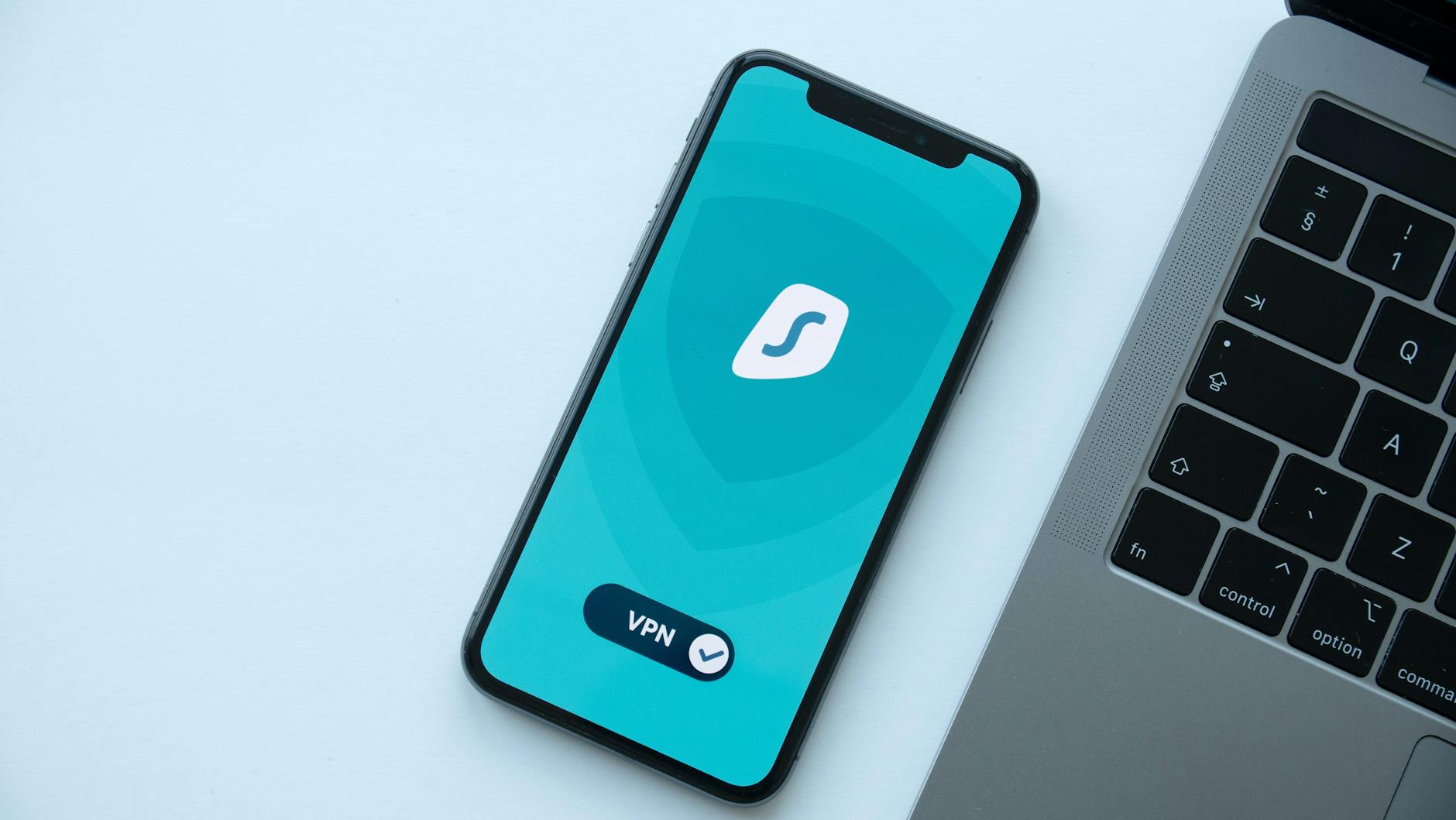 Photo by Dan Nelson
Check for signs of compromise and clear data
When you’re done using public WiFi, take a moment to review recent activity and clear anything that could expose you to risk. Start with a quick audit of what happened during the session and then tidy up any traces left behind.
Thousands of People Were Struggling With Money Until They Discovered This One Ancient Secret Hidden in Sound
>>> Unlock It Now <<<

- Review recent activity: Open your device’s security and privacy logs, and look for unfamiliar apps or strange login prompts that appeared during the session. If you see anything suspicious, sign out of affected accounts and run a quick security check on those apps.
- Clear saved networks: Remove the public network from your saved list to prevent automatic re-connection in the future. On iOS or Android, forget the network and confirm it’s removed.
- Remove unknown profiles or VPNs added for the session: Some networks push profiles or VPN configurations to your device during a session. Go to your VPN or device management settings and remove any profiles you don’t recognize. If you didn’t install a VPN yourself, keep an eye out for unusual tunnel apps and delete them.
- Recheck login pages you used: If you entered credentials on a captive portal, log out of those accounts and consider changing passwords if you suspect any exposure. Use a password manager to generate strong, unique passwords across sites.
- Run a quick privacy sweep: Verify location permissions, ad trackers, and app data access. Revoke any permissions you didn’t intend to grant for the session, especially for apps opened during the public WiFi use.
For added guidance, reputable sources emphasize logging out of accounts and securing connections after a public session. See Norton’s tips on staying safe and secure after using public WiFi, plus Netgear’s practical protections. https://us.norton.com/blog/privacy/public-wifi https://www.netgear.com/au/hub/wifi/mobile/public-wifi-security-risks/
Review app permissions and connected devices
Public sessions can leave behind apps or devices that remain linked to your accounts. A quick audit helps close those backdoors and keeps your accounts in your control.
- Quick permission audit: Go through your most-used apps and confirm they only have access to what they truly need. Revoke location, microphone, or contact access if it isn’t essential. This reduces what apps can do when you’re on open networks in the future.
- Check signed-in devices: Open your account settings on key services (your email, cloud storage, social networks) and review the list of connected devices. Remove any device you don’t recognize or no longer use.
- Revoke unfamiliar connections: If you notice unusual connections, sign out remotely where possible and revoke access. That reduces the risk of session hijacking.
If you want further context on post-session hygiene, Vanderbilt and Astound offer practical reminders about safe usage after public WiFi. https://tdx.vanderbilt.edu/TDClient/33/Portal/KB/PrintArticle?ID=286 https://www.astound.com/learn/internet/public-wifi-risks/
By completing these checks, you close the loop on a public WiFi session. You protect your accounts, reduce residual risk, and set up a safer path for your next connection.
External resources you can consult for deeper guidance:
- Norton on public WiFi safety and practical steps https://us.norton.com/blog/privacy/public-wifi
- Netgear on public WiFi risk and protections https://www.netgear.com/au/hub/wifi/mobile/public-wifi-security-risks/
If you’d like, I can tailor these checks to a specific region or device lineup, or add examples to illustrate how these reviews look in real life.
Conclusion
Safely using public WiFi comes down to a small, repeatable routine you can apply every time you connect, with your smartphone protected at the start. Remember to verify the exact network name, enable a reliable VPN, and limit sensitive actions on open networks. By staying mindful of captive portals, keeping OS and apps up to date, and turning off unnecessary data sharing, you reduce risk without slowing your day. Share your experiences or questions in the comments so we can refine these steps together and keep you connected with confidence.
She Pressed Play on a Strange Audio Track and Within Days Her Financial Reality Started Shifting in Ways She Could Not Explain
>>> See How It Works <<<