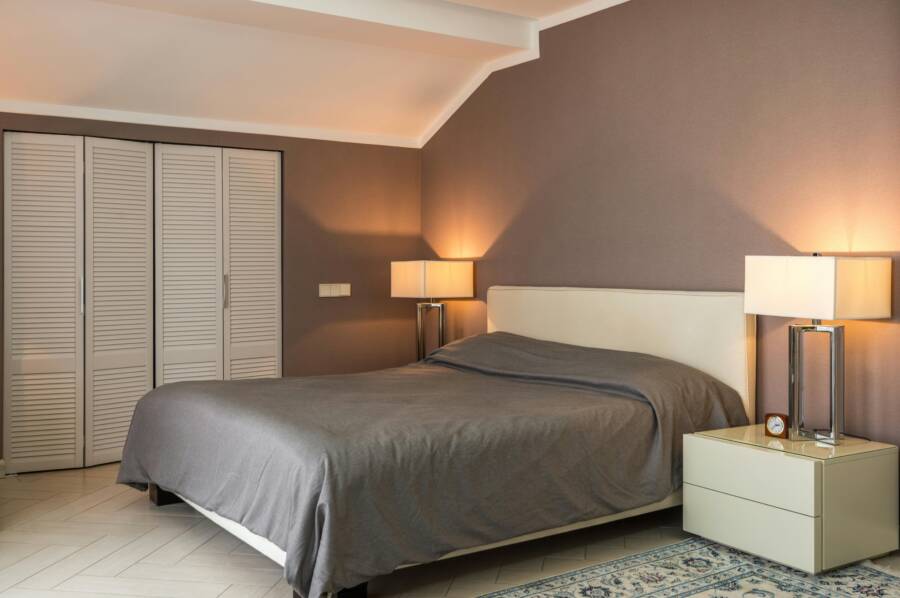
If you want a sturdy nightstand without breaking the bank, you can build one with materials from Home Depot. The project is straightforward, especially if you keep the design simple. A basic nightstand adds handy storage beside the bed and gives you the satisfaction of a custom piece you made yourself. This guide walks you through planning, cutting, assembling, and finishing a compact nightstand that fits most bedrooms.
Imagine a small cabinet that holds a lamp, a book, and a glass of water, all within easy reach. A simple design makes that vision easy to achieve. You’ll learn which materials to buy, how to cut them safely, and how to assemble a durable piece that looks good in any decor. By the end, you’ll have a reliable nightstand that you can finish in a weekend.
Planning your nightstand first saves time later. Think about where it will sit, how much storage you want, and which finish you prefer. A clean, uncomplicated design stays versatile and affordable. If you ever change your mind, you can modify the finish or add a small drawer without starting over.
Planning your nightstand
- Decide on dimensions: A common size is about 18 inches wide, 14 inches deep, and 24 inches tall. This is a compact form that works beside most beds.
- Choose a style: A simple box with a back panel is fast to build and very sturdy. If you want a softer look, add a curved edge or a light bead along the edges.
- Storage idea: A single open shelf under the top keeps small items organized. If you prefer concealed storage, plan for a shallow drawer in the future.
- Material choice: Plywood for the panels keeps things flat and stable. Solid wood boards give a warmer, more traditional feel but cost a bit more.
Materials and tools you can get at Home Depot
Stock up with practical materials and reliable tools that you can reuse on future projects. Here is a straightforward, budget-conscious list to keep the project smooth.
- Lumber and panels
- 3/4 inch plywood sheet or solid pine boards for the panels
- Back panel, 1/8 to 1/4 inch plywood or hardboard, cut to fit the back
- Fasteners and adhesives
- Wood glue
- 1 1/4 inch or 1 1/2 inch wood screws
- 6d or 8d finish nails for extra holding power
- Top and storage parts
- Top panel, 18 x 14 inches (cut from plywood or a ready-made board)
- Bottom open shelf panel, 18 x 14 inches
- Finishing supplies
- Sandpaper (120 grit and 220 grit)
- Wood filler for minor gaps
- Stain or paint and a compatible clear finish such as polyurethane
- Optional hardware
- Simple knob or small pull for the front edge if you ever add a drawer
- Tools (if you don’t have them)
- Table saw or circular saw with a guide
- Drill/driver with bits for wood and a countersink
- Clamps for securing pieces while glue dries
- Sander or sanding block
- Measuring tape and square
- Paintbrush or rag for applying finish
Cutting and assembling the basic box
A clean, rectangular box is the backbone of a sturdy nightstand. The goal is to create a rigid frame that the top and back can attach to securely.
- Cut the pieces
- Top panel: 18 inches by 14 inches
- Bottom panel: 18 inches by 14 inches
- Left side panel: 24 inches by 14 inches
- Right side panel: 24 inches by 14 inches
- Back panel: 18 inches by 24 inches
- Dry fit
- Start by laying out the top and bottom panels between the two side panels. The sides should create a shallow box with an open front.
- Place the back panel against the rear edges to check fit. Let it sit flush with the back edges of the sides and top.
- Glue and fasten
- Apply a thin bead of wood glue along the joints.
- Clamp the pieces tightly and drive screws from the inside or use finish nails for a clean look.
- Predrill holes near the corners to prevent splitting.
- Add the back
- Attach the back panel with nails or screws. Make sure it sits flat and square to keep the box true.
- Sand and fill
- Lightly sand the outside to remove rough edges. If there are small gaps, fill with wood filler and sand smooth after it dries.
Optional shelf and design tweaks
- If you want a lower shelf, cut an additional panel to 18 x 14 inches and position it about halfway up the inside of the box. Attach the shelf with small vertical supports or by screwing through the sides into cleats.
- For a more decorative touch, you can add a slim front trim. A 1 to 2 inch wide strip of wood along the front edge can give a polished look and help hide the top edge where it meets the sides.
Finishing the nightstand
Finish is what makes a plain box feel like a finished piece. The approach you take depends on whether you prefer a natural wood look or a painted surface.
- Prep the surface
- Sand with 120 grit first, then finish with 220 grit for a smooth surface.
- Wipe away the dust with a clean tack cloth.
- Choosing a finish
- A warm stain followed by a clear polyurethane gives a classic look that highlights the wood grain.
- Paint provides a solid color and can be a great match for a modern bedroom. Use a primer first to prevent bleed through.
- Applying finish
- If staining, apply with a clean cloth, wipe off excess, and let dry per the product directions. Lightly sand between coats for a smooth result.
- If painting, apply at least two thin coats, letting each coat dry completely. Finish with a clear topcoat to protect the surface.
- Edges and soft touches
- Sand edges slightly rounded or eased for a softer look and safer feel around edges.
Hardware and final assembly considerations
- Optional knobs
- If you plan to add a drawer in the future, consider using a simple knob or drawer pull on the front of a future panel.
- Feet or glides
- Small rubber feet or modern metal glides protect the floor and give the nightstand a more finished stance.
- Alignment checks
- Before the finish sets, double-check the box is square by measuring the diagonals. If one diagonal is longer, adjust by gently shimming the affected corner.
A practical, budget-friendly approach
- Cost awareness
- The most affordable path uses plywood panels and a simple paint or stain finish. Plywood is stable and easy to work with, and it handles glue well.
- If you already have some wood on hand, this project can often be done with minimal extra purchases.
- Time planning
- With a straightforward cut and assembly, you can complete the build in a weekend, especially if you spread out the finishing steps over two days.
Design variations to inspire your next project
- Open shelf with a touch of contrast
- Paint the exterior and leave the interior shelf in a natural wood tone or a contrasting color for visual interest.
- Brushed metal legs
- Replace the plain legs with metal hairpin legs for a mid-century vibe. Attach them to the bottom corners for a light, airy look.
- Tall and slim
- Narrow the width to 14 inches and increase the height to around 28 inches for a vertical silhouette that echoes a bookshelf look.
- Drawer option
- If you want a drawer, plan for a shallow 4 inch high drawer inside the box. You can install a pre-made drawer kit from Home Depot and a small pull that matches the finish.
Maintenance and care tips
- Cleaning
- Wipe the surface with a soft, damp cloth and dry immediately. Avoid harsh chemicals that can dull the finish.
- Protecting the finish
- Use coasters for drinks and avoid placing hot items directly on the surface.
- Refinish when needed
- If the surface shows wear, a light sanding and another coat of finish can refresh the look and extend the life of the nightstand.
A quick timeline to finish
- Day 1
- Cut, dry fit, and glue the main box. Attach the back panel after the glue dries.
- Day 2
- Sand thoroughly and apply the first coat of finish or paint. Let dry, then apply a second coat.
- Day 3
- Add any hardware, protect with a topcoat, and wipe away any dust. Place the nightstand in its spot and enjoy.
Making it your own
- Personal touches
- Choose a top that matches the bed or a nearby dresser. If you prefer a lighter feel, choose a pale stain or white paint. For a rich look, go for walnut or espresso tones.
- Reuse and recycle
- If you have scrap plywood or boards, you can cut them into small interior supports or a decorative trim. Small scraps add both function and charm.
Conclusion
A simple nightstand built with Home Depot materials is a rewarding project that pays off every night. With a compact footprint, straightforward cuts, and a finish that matches your decor, you gain a sturdy, attractive piece that can be customized over time. The key is to keep the design uncomplicated and to plan ahead for finishing. When you finish the build, you’ll have a practical home improvement win and a piece that reflects your style.
If you try the project, share your results and any tweaks you made. A small, well built nightstand can be the starting point for more DIY furniture projects. And if you want to expand on this idea, you can add a drawer later or switch to a two tone finish for a bolder look. The most important step is to get started. With the right materials from Home Depot and a clear plan, you can build something that lasts and looks great in your room.