She Pressed Play on a Strange Audio Track and Within Days Her Financial Reality Started Shifting in Ways She Could Not Explain
>>> See How It Works <<<

Ever lose a great article because your notes are scattered across apps and devices? A simple, on your phone content library keeps everything you value in one place, so you can find it in seconds not minutes. This guide shows you how to build a lean, fast system that fits in your pocket.
Think of a content library as a personal toolbox for ideas, images, tips, and files you reach for often. You’ll save time because you won’t hunt through folders, chats, and bookmarks. You’ll stay organized because access becomes predictable and consistent, even when you switch between tasks or places.
The setup is small at first but scalable as your needs grow. Start with a single folder for essentials, a quick tagging habit to group related items, and a simple naming scheme that makes sense to you. You’ll learn which apps work best on your smartphone so you can move smoothly between content types without friction. The payoff is clear: faster references, fewer missed ideas, and more momentum during commutes, breaks, or flexible work hours.
By the end you’ll have a practical, portable system you trust. This post walks you through choosing the right tools, organizing your files, and keeping the library tidy over time. Ready to turn scattered bits into a reliable reservoir you can pull from anytime.
What If the Only Thing Between You and the Life You Deserve Is a Hidden Wealth Code Waiting to Be Activated
>>> Open the Door <<<

Pick Free Apps That Make Building Easy
When you want a lean, quickly accessible content library, the tools you choose matter as much as the system you set up. Free apps that fit your phone and your habits can dramatically speed up how you save, categorize, and retrieve ideas. In this section, you’ll discover practical, no-cost options that work well for casual and power users alike. These picks keep your library portable, searchable, and organized without adding clutter or cost. A simple setup today pays off with smoother workflows tomorrow.
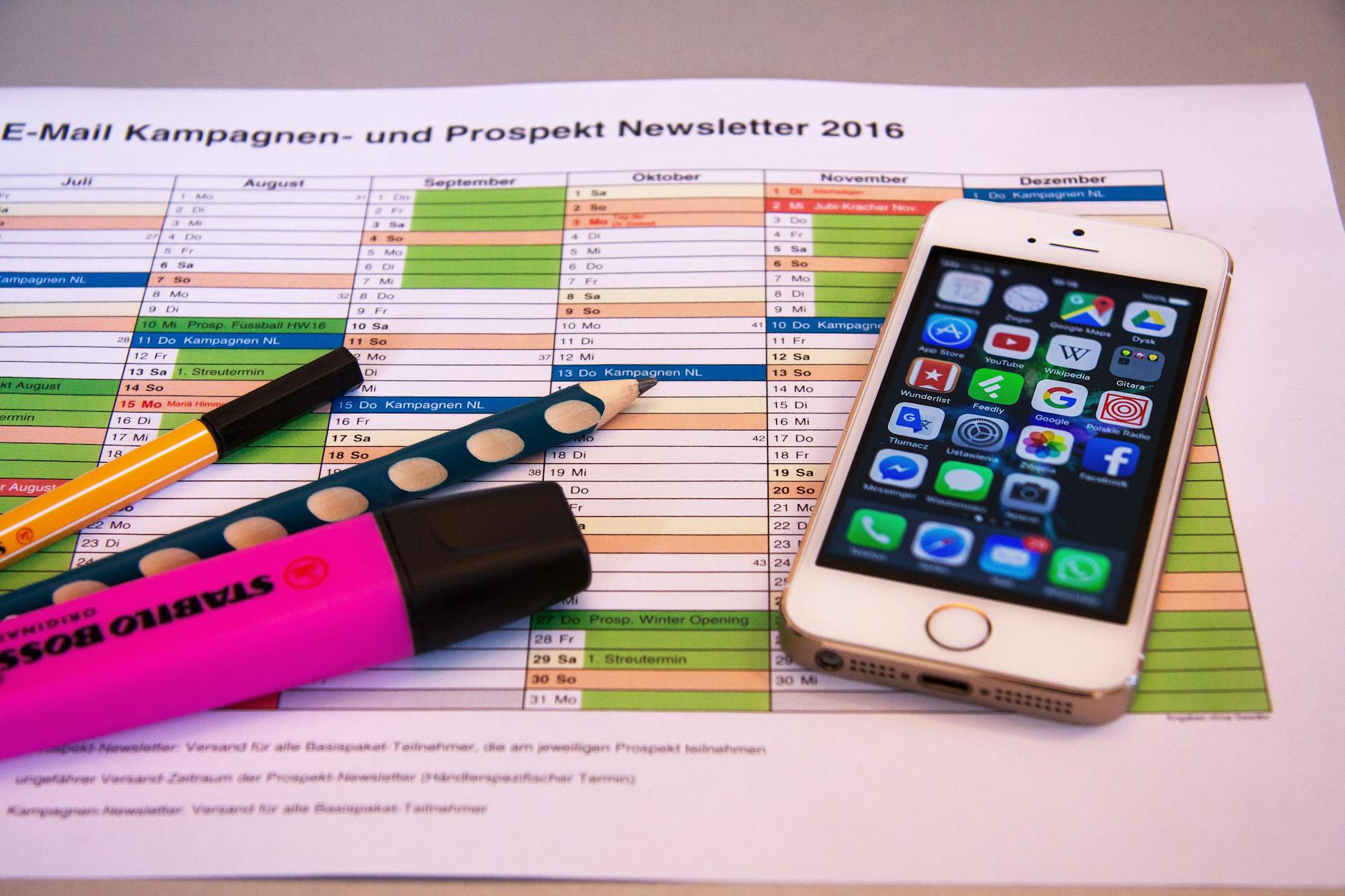 Photo by https://www.pexels.com/@pixabay
Start with Your Phone’s Built-in Notes App
Your phone’s Notes app is often the best starting point for a snackable content library. It’s fast, private, and always available offline. Start by creating a single hub folder named “Library” or “References.” Inside, add your most-used notes for quick access. For iOS users, organizing with folders helps keep related items together, while Android equivalents let you create nested labels or folders. The trick is simple naming and a few automation habits: give each note a clear title, add a short summary, and include a few tags in the body text.
Pin important notes so they stay at the top of the list. In iPhone’s Notes, you can pin by long-pressing a note and choosing Pin Note, or swiping right and tapping pin. On Android, look for the pin option in the overflow menu or directly within the note editor. If you frequently reference the same items, keep a dedicated “Pinned” note with links or quick highlights that you can copy from anywhere. Regularly prune stale items to keep your library lean and fast. A clean Notes setup reduces search time and keeps your workflow frictionless.
He Was Drowning in Bills and Burnout Until a Simple Daily Ritual Rewired His Brain for Wealth in Less Than a Week
>>> Start Your Shift Today <<<

Use Pocket to Save Articles in Seconds
Pocket is a free and versatile way to capture reading material for later. It shines when you want to save articles, videos, and other content without chasing web pages. Start by signing in and installing the Pocket browser extension or using the share sheet from any app. The sign-up is quick, and the extension makes saving a one-click action. When you save something, it goes offline, so you can read it without an internet connection later.
Pocket’s organization is simple: you can tag items, archive what you’ve finished, and search your saved content quickly. If you use Pocket across devices, your offline library stays in sync, which means you can pull up a breakdown of a topic while you’re on a plane or in a cafe. Add a few well-chosen tags like “recipes,” “tech tips,” or “travel notes” to speed up later retrieval. Use it as a fast gatekeeper for content you want to read later, without cluttering your primary notes or bookmarks. For quick setup references, see guides on using notes and folders in your ecosystem, such as how to organize notes on iPhone and how to manage folders in Notes. Links:
- https://support.apple.com/guide/iphone/organize-in-folders-ipha61270292/ios
- https://support.apple.com/en-us/118442
- https://thesweetsetup.com/the-ultimate-guide-to-apple-notes/
Set Up Folders and Tags for Smart Organization
A well-structured folder and tag system is the backbone of a portable content library. When you group items by purpose and label them with precise tags, your phone becomes a fast, reliable reference tool. This section covers how to create clear categories and efficient tags that scale with your needs. You’ll learn practical starter categories and a simple tagging workflow you can adopt today, plus how to search with confidence so you waste less time hunting and more time using what you saved.
Choose Categories That Fit Your Life
Start with a handful of broad categories that cover your daily needs. Think of these as the main shelves in your digital cabinet. Five to seven starter categories give you structure without overcomplicating things. Examples include Health, Finance, Work, Personal projects, Travel, Hobbies, and Recipes. If you’re primarily using notes on a phone, keep categories in a single Notes folder or use labels that mirror these themes. As you add items, ask: does this belong in Health or in Personal Projects? If you find overlap, use subfolders or nested labels to retain clarity. Over time, you’ll refine categories to fit evolving routines. For instance, a “Health” folder can split into “Fitness” and “Nutrition” to prevent crowding.
To keep the system usable on a smartphone, limit categories on the fly. If a new item doesn’t fit neatly, place it in a catchall category like “Inbox” and move it later. The key is consistency: pick a naming pattern and stick to it. If you’re using Notes on iPhone, folders help keep related items together; on Android, nested labels offer a similar effect. A simple naming convention speeds up retrieval and reduces decision fatigue. For inspiration on how to structure notes and folders, see guides on organizing Apple Notes with tags and folders. Links: https://support.apple.com/guide/iphone/organize-with-tags-iphedddbfdf9/ios
Add Tags to Find Stuff Fast
Tags are the fastest way to locate related items across folders. Start with a concise tagging scheme of 5–15 tags that map to your top interests and tasks. Examples include #work, #recipe, #finance, #travel, #reading, #ideas, and #family. Tag consistently wherever you save content, not just in one app. This makes it possible to pull up a topic from any folder or note, instantly.
Demonstrate a practical tagging workflow: as you save an article, note, or image, add 1–3 tags in the body or metadata. Use a short, descriptive phrase like “quick recipe” for fast meals, or “meeting notes” for work-related content. When you need to review, use the search bar and filter by tag to see all items tied to a theme. If you use multiple services, confirm that tags sync across devices for a seamless lookup experience. For further context on tagging in Notes and how it helps, check Apple’s guidance on tags and smart folders. Links: https://support.apple.com/guide/iphone/organize-with-tags-iphedddbfdf9/ios
Capture Content from Web, Apps, and Camera
A practical content library on your phone thrives on three sources: web pages, app content, and moments captured with your camera. In this section, you’ll learn quick, reliable ways to save web clips, organize photos and scans, and keep everything searchable and easy to retrieve later. The goal is a fast, portable workflow that reduces friction and keeps your ideas at your fingertips no matter where you are. Think of your library as a living toolbox you can tap into in seconds, not minutes.
He Was Drowning in Bills and Burnout Until a Simple Daily Ritual Rewired His Brain for Wealth in Less Than a Week
>>> Start Your Shift Today <<<
Save Web Clips Without Losing Them
Saving online content should feel effortless, not like a treasure hunt. Start by using your phone’s share sheet to push articles, recipes, and how-to guides into your library app. The trick is to decide where to store long-term vs temporary reads. For iOS users, saving a web page directly to Apple Notes or a dedicated note works well. You can keep a single “Library” note or folder and drop items there, then add a one-line summary and a few tags. On Android, use a similar approach with folders or labels, ensuring the link stays intact. Offline access is a big win here, so verify that the item downloads automatically when saved. If you want a focused path, many guides show how to clip webpages to notes step by step. For reference, you can explore Apple’s Notes tips and related guides on organizing notes and tags:
- https://support.apple.com/guide/iphone/organize-in-folders-ipha61270292/ios
- https://support.apple.com/en-us/118442
- https://thesweetsetup.com/the-ultimate-guide-to-apple-notes/
Store Photos and Scans Right Away
Photos and scans deserve immediate action so they don’t get buried. When you snap a picture or scan a document, route it into a dedicated library folder or album named “Library” or “References.” Use consistent naming so you can search later by topic or date. A simple rule of thumb is to rename files with a short, descriptive label and the date (e.g., “Recipe-AvocadoToast-0425.jpg”). For projects that involve many images, add a quick tag in the metadata or within the file name to group related shots. If you’re scanning documents, save the high-res version and a compressed copy for quick viewing. Organize scans by type, like “Receipts,” “Invoices,” or “Notes,” and keep a small percentage in a central inbox for items that need later sorting. This approach reduces clutter and speeds up retrieval. For quick onboarding, see practical notes and folder guides for iPhone and Android:
- https://support.apple.com/guide/iphone/organize-with-tags-iphedddbfdf9/ios
- https://support.apple.com/guide/iphone/organize-with-tags-iphedddbfdf9/ios
Access and Update Your Library Daily
Your content library stays powerful when you access it every day and keep it current. Check it during coffee breaks or commutes to pull up tips or ideas fast. Updates prevent outdated info from piling up. On your smartphone, built-in tools make this habit simple and reliable. You avoid frustration and build trust in the system over time.
Search and Share in a Snap
Finding what you need should feel instant. Most apps like Notes offer strong search that works offline. Open your library app, type a keyword, tag, or phrase, and results appear in seconds. For example, search for “recipes” to see all related notes at once. If you’re using Pocket or similar apps, your results are ready to view offline as well, which is a lifesaver on planes or trains.
Sharing is just as quick. Long-press the item, tap Share, and choose Messages, Mail, or another app to send a full note, a link, or a screenshot. You can also share saved items from Pocket with a single tap. To maximize speed, keep a few pinned notes at the top of your list so you can reach them without digging. For deeper guidance, see Apple’s notes search tips and Keep’s search help:
- https://support.apple.com/en-us/102651
- https://support.google.com/keep/answer/3187168
Tips to sharpen your search:
- Use exact phrases in quotes for precise results.
- Filter by tags to narrow down quickly.
- Check the pinned items first for your most-used references.
Backup to Avoid Losing Your Collection
Backups are your safety net. Free options like iCloud for iPhone or Google Drive for Android keep everything safe and synced. Once turned on, changes auto-upload, so your latest notes stay current across devices.
For iPhone Notes, enable iCloud syncing by going to Settings, tapping your name, selecting iCloud, and turning on Notes. This keeps your library up to date on every device. Android users with Google Keep can ensure sync in the app settings tied to their Google account; it automatically links to Google Drive.
Set up auto-sync with these quick steps:
- Open Settings on your phone
- Find your account or iCloud section
- Toggle sync for Notes or the app
- Verify storage limits and adjust as needed
Test the setup by creating a note on one device and checking another. If space runs low, remove stale items first. For more detailed guidance, check Apple’s iCloud Notes backup steps and Google Keep backup guidance:
- https://support.apple.com/en-us/HT202599
- https://support.google.com/keep/answer/3394662
Regular backups make your daily library a reliable tool rather than a fragile collection. Your smartphone becomes a dependable hub for saved content, ready whenever you need it.
Conclusion
A simple content library on your phone pays off from day one. You learn faster because you know exactly where to look, and you waste less time hunting for ideas. The core benefits are clear: quicker references, fewer interruptions, and a lean setup that stays useful as your needs grow. This approach stays affordable because it relies on free apps and built in features you already use on your smartphone.
Recap the main steps and benefits as you wind down. Start small with a single library folder, a tight set of categories, and a handful of tags. Use your phone’s notes and a free saver like Pocket to capture content quickly. Regular pruning keeps the system fast, while daily checks turn scattered ideas into ready to use references. The payoff is steady: a portable toolbox you can trust no matter where you are.
A no cost, no fuss mindset keeps this method approachable. You don’t need new tools or paid plans to enjoy real gains. The key is consistency: name things clearly, tag with purpose, and save content where you already spend time. Over time this builds a personal archive you can rely on for research, writing, or quick decisions.
Take the next step today. Start with one category you reach for most, then add others as your library proves its value. Share your first category in the comments so others can learn from your setup. If you want more, expand gradually and keep the system simple. Your smartphone is the hub, not a hurdle.
She Pressed Play on a Strange Audio Track and Within Days Her Financial Reality Started Shifting in Ways She Could Not Explain
>>> See How It Works <<<