Thousands of People Were Struggling With Money Until They Discovered This One Ancient Secret Hidden in Sound
>>> Unlock It Now <<<

Are you a creator who wants to shave minutes off every day without losing quality? This post reveals the best phone shortcuts that speed up your workflow and help you publish faster, stay organized, and stay in the creative zone.
You’ll see practical ideas across four core areas: automation and workflows, camera and editing shortcuts, social and outreach, and a practical starter kit you can try today. With simple steps and real examples, you’ll learn how to turn your smartphone into a powerful, time saving tool.
By the end, you’ll have a clear set of shortcuts you can implement right away to boost your creator workflow, cut down on busywork, and keep content flowing on a predictable schedule. This guide uses practical tips you can trust, optimized for quick publishing and smoother production on the go.
Why phone shortcuts save time for creators
Smartphones are not just cameras and social apps. They’re tiny production hubs you carry everywhere. The most powerful benefit comes from tiny, reliable automations that run in the background or with a single tap. When you lean into phone shortcuts, you reduce frictions, protect your creative flow, and free up brainspace for ideas. The result is faster publishing, fewer missed steps, and more consistent output week after week.
She Pressed Play on a Strange Audio Track and Within Days Her Financial Reality Started Shifting in Ways She Could Not Explain
>>> See How It Works <<<

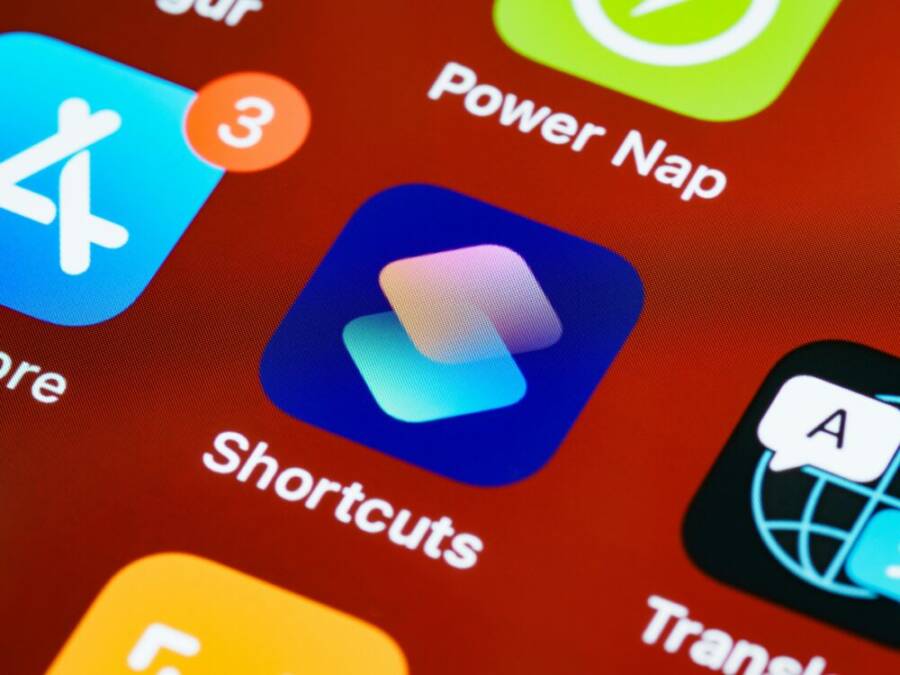
 Photo by Brett Jordan
Save minutes with automation
Small automations compound into real time savings across your day. Start with a few reliable patterns and expand as you see what you actually use. Here are practical ideas you can implement this week:
- Auto organize files after a shoot: A shortcut can move new media into year/month folders, group by project, and strip out duplicates. This eliminates the dreaded “where did I save that clip?” moment.
- Rename media in bulk: Create a naming convention that includes date, project code, and shot type. Run a single shortcut to rename batches of files as soon as you finish recording.
- Drafts to teammates: A quick command can send a link to your latest draft, along with a brief summary and key notes. This speeds review without leaving your camera app.
- Start recording or live streaming with one command: A single tap can launch your camera, enable the mic, switch to a preferred lighting profile, and start streaming or recording. It’s a tiny push to get into the flow.
iOS Shortcuts and Android equivalents make this easy. On iPhone, Shortcuts can chain actions across apps, trigger from a widget, or run when you enter a location. Android users can rely on app automations or Tasker style workflows to achieve similar results. Try starting with these starter ideas:
- Create a “Shoot Day” automation that files everything by project, labels clips with a tag, and uploads a raw sample to your cloud storage.
- Build a “Review Circle” shortcut that shares a link to your latest draft with teammates and sets a reminder to gather feedback within 24 hours.
- Set up a one-tap “Live Prep” shortcut that checks battery, turns on Do Not Disturb, tests mic input, and alerts you when the stream starts.
For more on ready-to-build automations, see starter ideas from popular guides like Appy Pie Automate, which outlines practical iPhone automation ideas and how to set them up, and other curated lists that gather the best Shortcuts solutions. You can explore these references to spark your own setups:
- 10 iPhone Automation Ideas—and How to Set Them Up
- The 35 Best Shortcuts for iOS 2025
- Shortcuts and automations
Stay in flow with one tap actions
One tap should feel like a doorway into your creative process, not a hurdle to jump. Designing a single tap that triggers filming, lighting checks, audio tests, and posting helps you preserve momentum from concept to publish. Here’s how to build a practical routine:
- Capture: A tap starts your camera, enables a quick auto-exposure profile, and toggles your preferred frame rate. If your scene requires stabilization, the shortcut can also enable it and lock focus on the subject.
- Light checks: The same tap runs a quick light test. It captures a 3-second histogram or frame, then suggests adjustments if exposure drifts beyond an acceptable range. You’ll know instantly if you need to tweak brightness or add a fill.
- Quick edits: After capture, apply a minimal, non-destructive edit preset. A “cinematic” or “bright” preset can be applied with one tap, with the option to tweak contrast or saturation slightly.
- Publish: The final step uploads to your chosen platform, adds your caption template, attaches a thumbnail, and schedules a posting time if you want to stagger releases.
To build this, map out a simple flow you can repeat daily. Start with the essential steps you perform every shoot, then layer on small quality improvements that don’t slow you down. The goal is a smooth, repeatable sequence that minimizes decisions during the moment of creation. If you want a concrete blueprint, look at the curated shortcut libraries and example flows available from top enthusiasts and developers.
Keep your tools consistent across apps
Consistency beats complexity when you publish across multiple platforms. A standard set of shortcuts for naming, saving assets, and applying templates speeds up production and ensures your brand looks the same everywhere. Here are practical consistency patterns that work across most creator workflows:
- Uniform file naming: Use a fixed pattern like
YYYYMMDD_Project_ShotType_Sequenceso you can search and sort quickly. A single shortcut can apply this naming rule to any new media you save. - Consistent captions: Maintain a caption template that includes your handle, a short hook, and a call to action. A one-tap action can fill in the core fields, leaving only the details to add before publishing.
- Fixed thumbnail workflow: Use a single shortcut to generate or select a thumbnail from the best frame, apply your brand overlay, and attach it to your post metadata. This eliminates the guesswork during the final edit stage.
- Asset organization: Save assets to platform-specific folders but keep a universal index that lists where every asset lives. A quick glance through the index tells you where to find a clip for an update or a b-roll insert.
Having a reliable naming and asset handling system reduces the mental load of publishing. It also makes collaboration easier. When teammates know your naming conventions and template rules, they can contribute without back-and-forth clarifications. If you’re ready to start, test a small standard set this week and look for bottlenecks you can streamline next.
Get inspired by practical guidance on Shortcuts that unify your workflow across apps. For example, comprehensive lists of recommended shortcuts can help you pick a starting point and adapt them to your own setup:
- Shortcuts and automations
- The best Shortcuts for iOS 2025
External resources provide real-world examples and templates that you can adapt to your own process. Start with a few that match your current bottlenecks, then expand as you gain confidence.
Images and visuals can reinforce these concepts. A clean dashboard photo showing a well-organized shortcut hub or a tutorial screen can help readers visualize the workflow. If you include visuals, caption them with a note about how the layout mirrors the reader’s own screen and how the shortcuts can be hit with one tap.
- Photo by Brett Jordan, used to illustrate a well organized home screen with common shortcut apps.
If you want more depth, you can explore detailed examples of automation templates and how creators have built end-to-end flows. The core idea remains the same: define a small, repeatable action, then connect it to a bigger outcome with a single command. This approach keeps your time investment low while producing predictable results.
External links for further reading
- 10 iPhone Automation Ideas—and How to Set Them Up
- The 35 Best Shortcuts for iOS 2025
- Shortcuts and automations
By adopting these simple, reliable shortcuts, you can protect your creative flow and publish more consistently. Start with one or two automation ideas this week, then add another as you grow more confident. Each small improvement compounds into a smoother, faster workflow you’ll notice in your daily production.
Must have automations for filming and posting
Automation can be the secret weapon behind a steady, publish-ready workflow. For creators, a few reliable automations on your phone can shave minutes from each shoot, keep your branding consistent, and ensure you get your content out faster. In this section, you’ll find practical, ready-to-implement automations for iOS, Android, and cross-platform templates that help you film, edit, and post with minimal friction. Think of these as the backbone of a smoother day-to-day production routine you can scale over time.
iOS Shortcuts for creators
iPhone users can turn a handful of actions into a single tap, turning your device into a compact production studio. The goal is to reduce decision fatigue while preserving control over key elements like mic, lighting, and delivery. Here are practical ideas you can implement this week, with easy setup that pays off in real world benefits.
- Start a recording with preset mic and lighting: Create a Shortcut that launches your camera, selects a fixed frame rate, enables a preferred mic input, and toggles a portable lighting profile. This ensures your scene looks and sounds consistent every time, even when you’re pressed for time.
- Enable Do Not Disturb automatically: During shoots, silence notifications that could interrupt audio or on-site conversations. A single command silences calls and alerts, then re-enables them when you’re done.
- Auto create a project folder: As soon as you start a shoot, generate a project folder named with date and project code. The Shortcut creates subfolders for raw footage, audio, b-roll, and exports. This keeps assets organized from the first clip.
- Batch rename files: When you finish a session, run a bulk rename that includes date, project, shot type, and sequence. It saves you from hunting through filenames later and makes batch edits simple.
- Send finished clips to platforms: A single tap uploads your latest clip to your chosen platforms, attaches a caption template, and sends a notification to your team. This minimizes back-and-forth and speeds publishing.
iOS Shortcuts can chain actions across apps, triggered by a widget, or run when you enter a location. If you want ready-to-build inspiration, these sources offer practical templates and ideas you can adapt:
There Is a Frequency That the Wealthiest Families Have Used for Generations and Most People Will Never Know It Exists
>>> Open the Door <<<

- The 35 Best Shortcuts for iOS 2025
- 5 powerful Apple Shortcuts for faster video creation
For creators already familiar with automation, you can extend your setup with a “Shoot Day” routine that files assets by project, adds tags to clips, and pushes a raw sample to cloud storage. A “Review Circle” shortcut can share a link to your latest draft with teammates and set a reminder to gather feedback within 24 hours. A “Live Prep” shortcut checks battery, enables Do Not Disturb, tests mic input, and notifies you when the stream starts. These patterns keep your process tight without removing the creative flow.
To get started, map out the essential steps you perform every shoot and then layer on small quality improvements. The objective is a predictable, repeatable sequence that minimizes on-the-spot decisions. If you want to see concrete examples, explore libraries of ready-made flows from experienced creators and developers:
- Shortcuts and automations
- The best Shortcuts for iOS 2025
A note on real-world templates: you don’t need to build everything from scratch. Use a few starter automations as a foundation and adapt them to your gear and workflow. If you’re curious about concrete implementations, consider checking out detailed examples and templates that illustrate end-to-end flows. The core idea remains the same: repeat a small action, then connect it to a larger outcome with a single command.
To visualize what success looks like, images of organized shortcut hubs and tutorial screens help. A well-structured shortcut dashboard makes it easy to see what runs and what doesn’t, encouraging you to expand gradually as you gain confidence.
Key benefits at a glance
- Consistency: Uniform mic, lighting, and framing across shoots
- Efficiency: One-tap operations replace multi-step setups
- Clarity: Clear project folders and naming conventions improve collaboration
External references for deeper exploration
- The 35 Best Shortcuts for iOS 2025
- 5 powerful Apple Shortcuts for faster video creation
Smartphone use note: keeping a couple of essential shortcuts on your home screen makes a dramatic difference when you’re in a rush. A single tap is enough to lock in your setup and start filming with confidence.
Android Tasker and Automate tricks
Android devices offer powerful automation through Tasker and similar tools. These apps can automate a wide range of tasks from hardware controls to file management and posting workflows. Below are concrete tricks you can implement to streamline filming and posting, with a focus on real-world benefits and easy setup.
- Auto brightness during shoots: Create a profile that adjusts screen brightness and color temperature based on ambient light, ensuring a comfortable on-camera view for you and a consistent on-screen reference for viewers.
- Quick switches for shooting modes: Build scenes or profiles for different shooting contexts (indoor, outdoor, low light). A single trigger switches camera settings, stabilization, white balance, and focus mode to suit the moment.
- Auto upload to cloud: As soon as you finish filming, a Tasker profile can upload media to your preferred cloud service. This keeps backups current and ready for editing or collaboration.
- Auto labeling of files: Apply tags and metadata automatically when files are saved, so you can search by project, date, or shot type later.
- Posting to specific apps: A dedicated workflow can publish to certain apps at set times. For example, you might upload a finished clip to a social app with a ready-made caption and hashtags.
- Edit complete notification: Set up a notification to alert you when the editor finishes work. This keeps you in the loop without constant checking.
Android automation can be used to coordinate with your broader workflow, ensuring that every step from capture to posting aligns with your rhythm. To get practical ideas you can replicate, check out resources that showcase automation patterns and real-world setups:
- Shortcuts and automations (cross-platform ideas and templates)
Cross-device consistency matters when you’re juggling multiple devices. A common project folder structure helps you move between your phone and tablet with minimal friction. The goal is to be able to start a project on one device and continue without reconfiguring everything. A few practical approaches include:
- Auto-labeling and standardized naming conventions so you can locate assets quickly
- A shared cloud-based index or catalog that lists where each asset lives
- A centralized caption and thumbnail template that you can apply across apps
If you want to explore more, you can look at discussions and practical examples from the community that cover a range of automations for Android and other platforms:
- What cool ways are you using the shortcuts feature on your Android device
Practical setup tips
- Start simple: Build a three-step routine and expand after you confirm it saves time.
- Test in real conditions: Run it during a real shoot to catch edge cases.
- Document your flow: A quick note or checklist prevents regressions when devices update.
Cross-platform automation can be extremely powerful when you keep a tight scope and focus on repeatable actions. The main benefit is a smoother workflow that travels with you, no matter which device you’re using.
Cross platform workflow templates
Templates that work on both iOS and Android remove friction and speed up collaboration. A few solid templates cover the essentials: a shared project folder structure, uniform file naming, and caption templates. The key is to design templates that sync across devices and allow for easy handoffs between phones and tablets.
- Shared project folder structure: Create a standard set of folders for raw footage, audio, graphics, b-roll, edits, exports, and final cuts. Use a template that each device can replicate so that every new project has the same backbone.
- Uniform file naming: Implement a naming convention that includes date, project code, shot type, and version. A single action can apply this across all new media and keep everything searchable.
- Caption templates: Maintain a reusable caption framework with your handle, a hook, context, and a call to action. A one-tap action can populate the core fields, leaving details to fill in later.
- Consistent thumbnails: Use a single thumbnail workflow to select a frame or create a branded thumbnail with your overlay. This guarantees a recognizable look across platforms.
- Asset indexing: Keep a universal index of assets that lists where everything lives, so editing teams can find clips fast. A simple table or spreadsheet can do the job, synced across devices.
Why this matters: a cross-platform template reduces decision fatigue, minimizes miscommunication, and helps you publish with a predictable cadence. It also makes collaboration easier when you’re working with editors, assistants, or guests who might use a different device. The same template on your iPhone, iPad, or Android tablet means you’re not retracing steps or relearning flows with every project.
If you’re seeking inspiration or ready-to-use templates, explore resources that discuss cross-platform automation and unified workflows. This can help you identify what to adapt for your setup:
- The 35 Best Shortcuts for iOS 2025
- Shortcuts and automations
A practical tip: keep transitions between devices short. Use cloud storage for assets, a shared folder system for project structure, and a caption library that travels with your media. When you move from one device to another, you should feel a seamless handoff.
Bringing it all together
- Start with a minimal set of automations for filming and posting.
- Expand through real-world testing to identify bottlenecks.
- Align your naming, folders, and templates for consistency.
- Use cross-platform templates to simplify handoffs and collaboration.
External reading
What If the Only Thing Between You and the Life You Deserve Is a Hidden Wealth Code Waiting to Be Activated
>>> Open the Door <<<

- The 35 Best Shortcuts for iOS 2025
- 5 powerful Apple Shortcuts for faster video creation
- What cool ways are you using the shortcuts feature on your Android device
By building these automations into your daily routine, you’ll reduce busywork, stay in flow longer, and publish more consistently. The result is a smoother, faster workflow that scales as your needs grow.
Camera and editing shortcuts that speed up production
In a creator’s world, speed and quality go hand in hand. The right camera and editing shortcuts can shave minutes off every shoot, keep you in the flow, and deliver polished content faster. This section focuses on practical, repeatable practices you can start using today. You’ll learn quick start profiles for lighting and exposure, effective presets for different content types, and one tap export routines that keep your branding consistent across platforms. Think of these as the muscle memory you build so your hands don’t have to think twice during a shoot.
Fast capture workflows
Getting shot-ready quickly starts with fast, reliable capture profiles. Setups for lighting, exposure, and focus should be repeatable so you can enter “professional mode” with a single tap. Below are practical profiles you can customize and save as shortcuts for reels, tutorials, and vlogs.
- Lighting profile presets
- Reels and short-form content: A bright, soft key with a touch of backlight to separate you from the background. Use a high color temperature for clean skin tones and a gentle fill to avoid harsh shadows.
- Tutorials or talking-head content: Add a subtle rim light and a neutral fill to keep faces evenly lit. If you shoot near windows, set a white balance that reduces warm glow and preserves natural hues.
- Vlogs on the move: A flexible profile that auto-adjusts as you walk. Slightly warmer tones can feel more inviting, with stabilization engaged to minimize jitters.
- Exposure and focus presets
- Auto exposure lock with a subject lock: Lock exposure on the subject for consistent brightness across a scene. Pair with face or center focus to maintain sharpness.
- Dynamic range boost for outdoor shoots: Use a profile that holds highlights while preserving details in shadows, then apply a lightweight contrast lift in post if needed.
- Manual focus assist for macro or handheld shots: When close-ups are essential, enable magnified focus peaking and a tactile focus pull with minimal effort.
- Quick start shortcuts for different content types
- Reels: One tap to start recording, switch to 9:16 framing, enable gridlines, apply a light color grade, and start a short watermark overlay if you use branding.
- Tutorials: A preset that locks exposure, stabilizes, enables a clear audio route, and preloads an on-screen lower third template.
- Vlogs: A mobile-friendly, broad framing profile with auto-leveling audio input and a soft background light.
- Saving these as shortcuts
- iOS: Build a “Shoot Day” shortcut that configures camera mode, lighting profile, exposure lock, and a chosen frame rate with a single tap.
- Android: Use Tasker to assemble a sequence that sets camera parameters, turns on a lighting device, and saves the clip to a project folder.
- Practical tip: Add a tiny, visible reminder on the screen to confirm you’re using the right profile before recording.
- Quick-start references
- For hands-on setup guidance, these sources offer solid starting points on how to set up shot profiles and exposure controls:
- Use iPhone camera tools to set up your shot. Apple’s official guide covers manual focus and exposure adjustments.
- A practical Reddit discussion on must-have shortcuts and how creators structure quick-access controls.
- For hands-on setup guidance, these sources offer solid starting points on how to set up shot profiles and exposure controls:
In practice, the goal is to reduce the amount of decision making during the moment of capture. Prepare your lighting, expose correctly, and lock focus so you can push the record button and stay in the creative zone. A well-constructed capture workflow feels like a single motion rather than a series of steps.
Quick editing presets
Saving time in editing means standardizing color, crop, and audio adjustments so you can apply a single action that covers most of your needs. Here are built-in mobile editors and apps with saved presets, plus a simple one-step approach to apply multiple adjustments at once.
- Built-in mobile editors worth knowing
- iOS Photos: Use selective color grading, a basic color filter, export options, and the ability to save edits as a new version. Pair with a consistent crop ratio for reels and tutorials.
- Android Gallery and Google Photos: These apps offer major presets and quick crop tools, plus easy export to multiple platforms.
- App-based presets you can adopt
- A video editing app with a library of color grades and LUTs (look-up tables) you can apply with one tap. Save your preferred grades for different content types.
- An editor that supports batch processing: Apply a single preset to a group of clips, then adjust only the parts that need refinement.
- Steps to apply color grade, crop, and audio in one action
- Color grade: Select your preferred LUT or built-in grade that matches your brand vibe. Save this as a named preset.
- Crop: Choose the aspect ratio needed for each platform (for example, 9:16 for reels, 16:9 for YouTube). Save the crop as part of the preset.
- Audio: Normalize audio levels and reduce background noise in one pass. Use a single preset that handles these adjustments.
- Apply all in one go: In your chosen app, select all clips you want to process, choose the saved preset, and apply. The app will batch process, and you can export immediately.
- Quick-start presets by content type
- Reels and Shorts: Bright, punchy grade; tight crop; leveled audio with light noise reduction.
- Tutorials: Clear, neutral grade; precise crops that keep on-screen text readable; consistent audio levels with emphasis on voice clarity.
- Vlogs: Warmer tone with gentle contrast; wider framing where the subject remains comfortably centered; ambient audio boosted slightly to convey atmosphere.
- External references for template ideas
- Apple’s ecosystem often shines with integrated presets and smooth workflows. See how to set up camera options and quick edits on iPhone.
- Community discussions on best practice presets for mobile editing provide real-world templates that you can adapt.
- Practical tips to maximize speed
- Create a master preset pack containing color grades, crops, and audio settings you use most. Save it as a single action in your preferred editor.
- Name and organize presets by content type. That makes it easy to switch contexts without hunting for the right look.
- Keep your project templates lightweight. If you overload a preset with heavy effects, it can slow down playback and export.
- Example workflow
- Record a set of clips for a tutorial.
- Open your editor, select all clips, apply the “Tutorial Neutral” preset.
- Confirm the crop is 16:9 for YouTube and 9:16 for reels, then export to both formats.
- Attach a caption template and export-ready thumbnails in one go.
- External link ideas for deeper learning
- The 35 Best Shortcuts for iOS 2025 offers a broad view of how presets and automations can speed up editing on mobile.
- Shortcuts and automations provide cross-platform ideas to streamline color and crop workflows.
One of the keys to speed is to keep editing decisions lightweight. Save a few core presets that mirror your brand and content types, then apply them with a single action. If you see a clip that clearly needs a different treatment, you can still tweak it after the batch edit without losing the speed you gained on the rest.
One tap exports and branding
Publishing fast is a competitive advantage. The fastest workflows export to multiple platforms, apply watermarks, set thumbnails, and automate file naming with a single tap. Let’s break down a practical approach you can adapt to your setup.
- One tap export to multiple platforms
- Create a universal export preset that outputs your final video in the required formats and bitrates for each platform. Add the platform destinations as part of the export action so you publish with a single tap.
- Include platform-specific metadata, such as caption fields and hashtags, so you can publish with the correct context on each channel.
- Watermarks and thumbnails
- Watermarks: Apply a subtle brand mark or logo in a fixed corner. Keep it small enough not to disrupt composition, but visible enough for brand recognition.
- Thumbnails: Generate a thumbnail from a moment in the video that best represents the content. Overlay a branded frame or title text for quick recognition.
- Automated file naming
- Use a naming convention that includes date, project code, content type, and version (for example, 2025-04-12_ProjectA_Tutorial_V1).
- Build a one-tap action that renames the final exports to this pattern, then saves or uploads to your cloud folder.
- Practical step-by-step setup
- Create a single export template that outputs multiple versions (9:16 for reels, 16:9 for YouTube, 1:1 for Instagram feed).
- Attach a caption and hashtags to the export template so the platform share data is ready to paste.
- Add a thumbnail rule that selects the best frame and applies your brand overlay automatically.
- Cross-platform consistency
- Use the same watermark style, thumbnail design, and caption structure across all platforms. Consistency speeds up your workflow and strengthens brand recall.
- Quick-start references
- The iPhone and Android automation guides can help you set up export actions and platform uploads with one tap.
- Explore templates and examples from creators who publish across multiple channels to see how they structure exports and branding.
- Real-world example
- A creator finishes a video library for a tutorial. A single tap exports three formats, applies a 20% transparent watermark, overlays a branded thumbnail, and saves to a shared cloud folder with a consistent file name. The same tap also preloads captions for each platform, ready to paste and publish.
- Benefits worth highlighting
- Faster publishing cadence across platforms.
- Brand consistency with minimal effort.
- Reduced manual steps and fewer publishing mistakes.
- External reading to broaden your approach
- The 35 Best Shortcuts for iOS 2025 and 5 powerful Apple Shortcuts for faster video creation offer practical templates for cross-platform publishing and branding.
By adopting streamlined export workflows, you remove a major bottleneck from your process. A single tap becomes a publishing relay, moving your content from camera to platform with brand-safe accuracy. Start with a minimal export preset, then layer on watermarks and thumbnails as you grow more confident in the automation.
External links for further reading
- Use iPhone camera tools to set up your shot.Apple support article on camera setup
- The 35 Best Shortcuts for iOS 2025
- 5 powerful Apple Shortcuts for faster video creation
These approaches are practical, repeatable, and scalable. As you implement them, you’ll notice how much faster you can move from capture to publish while keeping your brand clean and recognizable. Begin with a small set of shortcuts this week, then expand as you confirm what saves the most time in your workflow.
Smart social and outreach on the go
When you’re creating content on the move, outreach and engagement must stay fast without sacrificing quality. This section shares practical tactics to keep your voice consistent, reply efficiently, and schedule posts from your phone. You’ll learn reusable caption templates, quick reply sets, voice dictation tricks, and reliable ways to queue posts for multiple platforms. With these habits, you can reach your audience without breaking your creative flow.
Caption templates and batch replies
Reusable captions and quick reply sets save you from typing the same messages over and over. Build a small library you can pull from with one tap, then fill in the blanks with project details. Start with a core framework and tailor it as needed for different posts or comments.
- Caption templates you can reuse:
- Intro hook + value statement: “If you’re short on time, here’s a quick fix for [problem]. Here’s the result you can expect: [benefit].”
- Call to action (CTA) template: “If you found this useful, tap like, drop a comment with your question, and share with a friend who needs this tip.”
- Platform-specific variations: For Instagram, add a succinct hashtag set; for LinkedIn, add a professional context; for Twitter, keep it punchy with a single CTA.
- Behind-the-scenes caption: “A peek at how we [process] for [project]. Full breakdown on the blog.”
- Engagement prompts: “What’s your biggest bottleneck with [topic]? Share below and I’ll respond with tips.”
- Batch replies you can store:
- Thanks for the comment: “Appreciate you stopping by. What part stood out to you most?”
- Quick clarifications: “Great question. Here’s a quick answer: [short answer], happy to go deeper if you need.”
- Request for feedback: “Love to hear your thoughts. What would you add to this approach?”
- Resource references: “Here’s the link to the guide I mentioned: [URL].”
- How to store and recall:
- Shortcuts or notes apps: Create a “Caption Library” note with sections by content type. Use a single command to insert a template into your post draft.
- Tagging for quick search: Tag templates by platform and content type (e.g., IG_caption, LinkedIn_caption, quick_reply_thanks).
- Quick recall: Use a one-tap action to paste the core template and leave room for personalization.
- Practical tips:
- Keep templates short and skimmable. Readability matters on mobile feeds.
- Include a placeholder for the essential specifics like project name, date, or location.
- Test tone variants. A friendly tone often outperforms a robotic one in comments and DMs.
- Quick example:
- Caption skeleton: “New tip for [topic]. Quick wins: [1], [2], [3]. Save this for later and tell me which trick you’ll try first.”
- Batch reply set: “Thanks for your comment. Do you want more detail on [aspect]? I can break it down in a follow-up post.”
When possible, make these templates image-friendly too. Include a line that invites saves or shares, since saves are a strong signal for reach on many platforms. For deeper inspiration, explore official guidance on automating tasks with Shortcuts and similar tools, which can help you assemble these templates quickly across apps. See resources like Apple’s guide on automating tasks with Shortcuts for ideas you can adapt to posting and replies. You can also browse discussions on how creators use shortcuts to speed up engagement, such as community threads that share practical one-tap templates. For additional context, these references can be helpful:
- Use Shortcuts to automate tasks on iPhone
- What cool ways are you using the shortcuts feature on your phone
- Stephen Robles’ iPhone Shortcuts collection for auto replies and more
External links offer concrete starting points and templates you can adapt to your own voice and niche. Try a few templates today and observe which ones generate the most engagement without adding to your workload.
Voice dictation and transcription
Speaking can outrun typing, especially when you’re gathering ideas on the go. Speech to text lets you capture thoughts quickly and turn them into drafts, captions, or transcripts with minimal manual editing. This is a simple way to stay productive during travel, shoots, or client meetings.
- Benefits of dictation:
- Speed: Speak at a comfortable pace and watch text appear in real time.
- Convenience: Capture ideas while your hands are full holding gear or notes.
- Accessibility: Transcripts improve reach for followers who prefer reading or who are in noisy environments.
- Tools and setup:
- Built-in options: Most smartphones include robust dictation via the keyboard, plus Voice Memos and transcription features built into notes apps.
- Transcription services: Some apps offer real-time or post-recording transcription. Use these to generate post scripts, captions, or long-form content from video.
- Desktop complements: If you edit on a laptop later, you can import transcripts and polish them for blogs or articles.
- Shortcuts to speed transcription:
- Start recording with one tap: Create a shortcut that launches a voice memo or a dictation note the moment you begin capturing a plan.
- Transcribe and insert: Use a workflow that converts audio to text and places it into your draft layout, with placeholders for edits.
- Caption from voice: Generate a basic caption by extracting a sentence or two from the transcript and then refine it.
- Practical workflow:
- Record a quick plan or outline while driving or walking.
- Convert the recording to text using dictation or transcription.
- Paste the transcript into your editor and highlight key points to frame your post.
- Edit for brevity and clarity, then format with headings and bullets for readability.
- Real-world tip:
- When you’re in a noisy environment, speak clearly and pause between ideas to improve transcription quality. You can clean up minor mistakes in post, but the core content stays accurate.
For further reading, explore official resources on iPhone and Android voice input capabilities. These guides describe how to maximize accuracy and speed when using dictation on mobile devices. If you want a deeper dive, look at community posts that share practical transcription workflows and templates you can adapt to your brand voice.
- Use Shortcuts to automate tasks on iPhone
- What cool ways are you using the shortcuts feature on your phone
Scheduling posts from your phone
Planning and queuing content in advance helps you hit publish on a reliable cadence. Scheduling from your phone reduces friction and keeps you in the creator mindset when inspiration is fresh.
- Why schedule on mobile:
- Consistency: Regular posts build audience expectations and trust.
- Flexibility: Schedule around travel, shoots, and time zones.
- Efficiency: Batch-create content and queue it for release.
- Platform-specific scheduling basics:
- Instagram: Use built-in scheduling or third-party tools to queue posts with captions, hashtags, and location tags. Ensure your caption is pre-filled and the thumbnail is prepared.
- Facebook/Meta: Schedule posts with audience targeting and automatic cross-posting to related pages or groups.
- YouTube Shorts: Use the mobile app to schedule premieres or standard uploads with a thumbnail, title, and description ready.
- TikTok: Draft posts and set reminders to publish, or use third-party tools that support mobile posting in line with platform policies.
- Twitter/X: Plan threads and individual posts with a tagging plan and engagement prompts to drive conversation.
- Quick-start steps:
- Create a content calendar on your phone or in the cloud.
- Prepare captions and thumbnails for each post.
- Set release times that align with audience activity.
- Enable reminders a day or a few hours before publishing.
- Monitor performance and adjust future timing based on interaction patterns.
- Practical tips:
- Use a single hub for all captions and thumbnails to maintain brand consistency.
- Schedule in batches to minimize context switching.
- Include a post-publish checklist to ensure each item goes live correctly (caption, tags, thumbnail, links).
- Tools to consider:
- Native scheduling features in apps for each platform
- Cross-platform scheduling apps that support mobile workflows
- Cloud-based calendars and reminders to coordinate with teammates
To help you get started, explore reliable resources that discuss cross-platform scheduling and workflow templates. You’ll find practical ideas to tailor your approach to different networks while keeping your voice consistent. For deeper exploration, these references are useful:
- The 35 Best Shortcuts for iOS 2025
- Shortcuts and automations
A simple onboarding plan for scheduling:
- Week 1: Set up templates for captions and thumbnails. Create a posting calendar.
- Week 2: Schedule a week of content. Add reminders for live events or premieres.
- Week 3: Review performance and refine gaps in the workflow.
- Week 4: Expand templates for new formats or platforms.
External resources provide templates and examples you can adapt. Start with a basic scheduling routine and iterate as you grow more comfortable with the tools. The goal is to keep your content flowing on a predictable timeline so your audience remains engaged.
External links for deeper reading
- Use Shortcuts to automate tasks on iPhone
- The 35 Best Shortcuts for iOS 2025
- 5 powerful Apple Shortcuts for faster video creation
In sum, smart social and outreach on the go is about turning your phone into a reliable outreach engine. You’ll save time with caption templates, streamline engagement with batch replies, speed up content creation with voice dictation, and maintain momentum by scheduling posts across platforms. Start small, test what works for your audience, and build a repeatable system you can scale as you grow.
Build your on the go shortcut kit
A well crafted on the go shortcut kit turns your phone into a sleek, portable production hub. It keeps your most used actions at your fingertips and reduces decision fatigue during shoots, edits, and posts. This section breaks down how to set up a practical toolkit, choose the right shortcuts for your flow, plan a quick-start week, and keep refining for growth. Think of it as a living dashboard you can customize as you grow your creator routine.
Set up your on the go toolkit: layout, widgets, offline storage, and power
A clean home screen layout makes every action feel instant. Start by grouping your most frequent tasks into a simple, repeatable layout. Place Shortcuts widgets for quick access, add a camera or recording shortcut to a prominent spot, and keep a lightweight editor or caption tool within arm’s reach.
- Layout tips
- Top row: a single tap to start recording, a quick edit preset, and a publish button.
- Second row: a “Shoot Day” hub that files assets by project, plus a caption template launcher.
- Third row: lightweight tools for notes, transcription, and thumbnail creation.
- Widgets that save time
- Camera/recording shortcut on the home screen for immediate capture.
- A caption template widget to paste on the fly.
- A cloud storage quick save widget so new media lands in the right place automatically.
- Offline storage and asset prep
- Preload essential assets, such as intro/outro clips, B‑roll, and caption blocks, onto the device or a local cache.
- Keep a small offline media library with ready-to-use templates, LUTs, and sound bites.
- Create a simple folder structure you mirror across devices: Raw, Edits, Exports, Brand.
- Power and reliability
- Carry a compact power bank and a mobile charger with fast charge capability.
- Enable Low Power Mode only during long shoots if needed, so it doesn’t affect recording quality.
- Keep a spare USB-C/Lightning cable and a universal adapter for on‑the‑go setups.
- Sample layout for fast access
- Section 1: “Shoot” button (starts camera, enables mic, and selects 16:9 or 9:16 as needed)
- Section 2: “Light/Audio Check” (quick test for brightness and mic input)
- Section 3: “Edit & Publish” (apply a preset, export, and queue for posting)
- Section 4: “Archive” (move clips to year/month folders and add tags)
In practice, a focused home screen reduces friction and keeps you in the flow. If you want ready-made inspiration, you can explore widgets and shortcut libraries that show how creators structure quick-access controls. For reference on how to set up and run shortcuts from the home screen, see Apple’s guidance on widgets and Shortcuts:
- Set up and run shortcuts from a widget on iPhone or iPad.
- How to add and edit widgets on your iPhone.
A well organized workflow also travels across devices. If you switch between phone and tablet, you’ll appreciate having the same folder structure, naming patterns, and caption templates ready to go. Practical templates and ideas for cross-device consistency can be found in resources like The 35 Best Shortcuts for iOS 2025 and Shortcuts and automations.
Photo by Nikita Khandelwal

How to pick the right shortcuts for your workflow
Auditing your current tasks helps reveal where shortcuts save the most time. Start with a quick review of where you lose momentum, then map those moments to concrete shortcut ideas. The goal is small, repeatable wins that compound.
- Quick audit questions
- What steps do you perform every shoot, edit, and publish?
- Which tasks cause the most bottlenecks or miscommunication?
- Where do you repeatedly search for files or notes?
- Which tasks can be triggered at a single tap or location?
- Shortcuts mapping checklist
- Identify a high-frequency task for a single tap.
- Create a naming rule for files and folders used in the workflow.
- Build a template for captions, thumbnails, or posts.
- Test the shortcut in a real scenario and refine prompts or defaults.
- Practical shortcut ideas
- One-tap “Shoot Day” to file media by project, tag clips, and upload a raw sample.
- “Review Circle” to share a link to the draft with teammates and set a 24-hour feedback window.
- “Live Prep” to check battery, enable Do Not Disturb, test mic input, and alert when the stream starts.
- Quick reference sources
- 10 iPhone Automation Ideas—and How to Set Them Up
- The 35 Best Shortcuts for iOS 2025
- Shortcuts and automations
- Quick-start questions to guide your review
- Which tasks would you like to automate first?
- Do you prefer a single tap or a location trigger to start your workflow?
- Are your naming and caption templates consistent across platforms?
A consistent approach saves time and reduces errors when you hand off work to editors or teammates. If you’re unsure where to begin, start with a small set of automations and expand as you gain confidence. The aim is reliable, repeatable actions that you can rely on under pressure.
7 day starter plan with quick wins
A compact week helps you test ideas without overhauling your entire process. Each day focuses on one practical task you can complete in under 20 minutes. A sample starter shortcut is provided for each day.
- Day 1: Organize and name
- Task: Create a universal naming pattern and a simple folder template.
- Starter shortcut: Apply filename pattern to new media and file it in the right folder.
- Checklist: Create folders Raw, Edits, Exports, Brand; apply naming rule to two recent clips.
- Day 2: Quick capture profile
- Task: Set up a reliable shot profile for reels.
- Starter shortcut: Start camera with 9:16 framing, enable voice mic, and apply a basic lighting preset.
- Checklist: Confirm frame rate and white balance; test with one short clip.
- Day 3: Caption templates
- Task: Build reusable captions for common posts.
- Starter shortcut: Paste core caption template into your draft with placeholders for topic and CTA.
- Checklist: Create variations for platform needs; save templates by content type.
- Day 4: Batch rename and archive
- Task: Rename a batch of files and move to the appropriate folder.
- Starter shortcut: Rename selected clips with date, project code, and shot type; move to Raw.
- Checklist: Verify metadata and folders for two projects.
- Day 5: Quick edit preset
- Task: Apply a neutral edit preset to a batch of clips.
- Starter shortcut: Apply color grade, crop 16:9 or 9:16 as needed, and normalize audio.
- Checklist: Validate export quality and file sizes.
- Day 6: One tap publish
- Task: Prepare for posting across platforms.
- Starter shortcut: Export in multiple formats, apply watermark, generate thumbnail, and queue captions.
- Checklist: Confirm platform destinations and captions.
- Day 7: Review and refine
- Task: Gather feedback and identify bottlenecks.
- Starter shortcut: Share a link to the latest draft and set a 24-hour feedback reminder.
- Checklist: Note which shortcuts saved time and where adjustments help the most.
For ongoing momentum, keep a simple starter template pack. Name presets by content type (Reels, Tutorials, Vlogs) and keep a minimal thumbnail and caption library that travels with your media. If you want ready-made inspiration, explore cross-platform templates and ideas from resources like The 35 Best Shortcuts for iOS 2025 and Shortcuts and automations.
Test, refine, and scale
Shortcuts shine when you keep testing and expanding. Implement a simple feedback loop that helps you improve speed and consistency over time.
- Test cycle
- Run a shortcut in a real shoot, note any friction, and adjust.
- Track time savings and whether the action reduces decision fatigue.
- Capture any edge cases that don’t behave as planned.
- Collecting feedback
- Quick notes after a shoot on what felt slow or confusing.
- Short team debrief to identify bottlenecks and potential automations.
- Use a shared document to capture ideas for the next iteration.
- Growth plan
- Start with core automations and add one or two new flows each month.
- Expand to cross-platform templates to support editors and collaborators.
- Maintain a single source of truth for naming, folders, and templates to simplify scaling.
- Simple improvement loop
- Measure: Time saved per task.
- Learn: Identify friction points.
- Do: Implement a targeted automation update.
- Repeat: Test again and refine.
- External references for deeper templates
- The 35 Best Shortcuts for iOS 2025
- Shortcuts and automations
Incorporate visuals and diagrams as you iterate. A screen-capture of a well-organized shortcut hub or a sample workflow can help readers picture the setup. If you include visuals, caption them to show how the layout mirrors a reader’s screen and how quick taps unlock the flow.
Images
- Photo by Nikita Khandelwal
External links for further reading
- Set up and run shortcuts from a widget on iPhone or iPad.
- The 35 Best Shortcuts for iOS 2025
- Shortcuts and automations
By building and evolving this on the go toolkit, you gain a reliable backbone for filming, editing, and publishing on the move. Start with a focused set of shortcuts this week, then expand as you learn what saves the most time in your daily routine.
Conclusion
Tiny shortcuts compound into real time savings for creators. Start with a few reliable automations, naming norms, and a simple publishing flow, then expand as you gain confidence. The core ideas to try first are a one tap shoot setup, a batch rename and archive, and a one tap export with brand templates. These steps keep your smartphone work smooth and predictable, letting you stay in the creative zone.
A quick reminder to begin small and build up. Pick one workflow, implement a starter shortcut today, and measure the time you save. A little progress each week compounds into a faster, more consistent publishing cadence.
If you want a clear starting point, try a Starter Shortcut from our guide and see how it fits your setup. For deeper ideas, check out our related guide on shortcuts for mobile production: The 35 Best Shortcuts for iOS 2025. Your next step is right at your fingertips.
What If the Only Thing Between You and the Life You Deserve Is a Hidden Wealth Code Waiting to Be Activated
>>> Open the Door <<<