What If the Only Thing Between You and the Life You Deserve Is a Hidden Wealth Code Waiting to Be Activated
>>> Open the Door <<<

That frustrating “System UI not responding” message stops you dead in your tracks. You tap the screen, but nothing happens, or worse, your phone freezes completely. This error means the basic operating system shell itself, the part that draws the icons, the navigation bar, and the notifications, has momentarily crashed. Fortunately, fixing a device that keeps showing this message isn’t always a complicated process. We’ll walk you through simple, proven steps to get your smartphone back to normal, starting with the quickest solutions first. You don’t need to be a tech expert to tackle these common freezes on your Android or iPhone.
The Quick Fix: Immediate Action When Your Smartphone Locks Up
When the “System UI Not Responding” error pops up, you need immediate, decisive steps to regain control of your device. Sometimes, the issue is temporary, a quick backlog of background processes causing a hiccup in the user interface. Before jumping into more drastic measures, try these simple, non-destructive actions. These initial fixes aim to clear the immediate bottleneck without wiping any data or altering your settings. Think of it as giving your smartphone a brief moment to catch its breath before demanding it performs harder.
Patience Pays: Wait 60 Seconds
It might sound too easy, but resisting the urge to repeatedly stab at the screen is your first line of defense. When the System UI freezes, it’s often struggling under the weight of too many simultaneous demands. Trying to force input while it’s already overloaded can sometimes make the lock-up worse, delaying recovery. Give your device a full minute, about 60 seconds, to resolve these internal conflicts on its own. During this pause, the OS might be finishing a critical update in the background or throttling a runaway app process. If the screen remains completely unresponsive after a minute, it’s time to move on to the next step to gently nudge the system back online.
Wake Up the Touch Screen: Plug in the Charger
A surprisingly common, though often overlooked, cause for UI sluggishness is critically low battery power. When a smartphone dips too low, it aggressively conserves energy by shutting down non-essential functions, which can sometimes include responsiveness checks for the touchscreen interface. Plugging your device into a power source can provide an immediate, small surge of energy, which sometimes wakes the frozen system up. This isn’t about charging it fully; it’s about signaling to the device’s power management system that power is available again. If screen taps had no effect, connecting the cable might trigger the charging indicator or vibration, breaking the freeze. This quick connection trick works well when the hang is battery-related.
He Was Drowning in Bills and Burnout Until a Simple Daily Ritual Rewired His Brain for Wealth in Less Than a Week
>>> Start Your Shift Today <<<

The Essential Force Restart: The Best First Step for Android
If waiting and charging haven’t worked, a force restart is the next logical step for any Android user experiencing a freeze. This action cuts power cleanly and forces the hardware to reboot the operating system stack without deleting any of your personal files stored on the smartphone. It’s much more effective than just waiting for the battery to die. For the vast majority of modern Android devices, you need to press and hold two specific buttons simultaneously.
Follow these steps precisely:
- Locate the Power button and the Volume Down button.
- Press and hold both buttons together at the same time.
- Continue holding both buttons down for about 10 to 15 seconds.
- Release the buttons only when you see the manufacturer’s logo appear on the screen, signaling the restart process has begun.
This button combination tells the hardware to bypass the frozen software and start fresh. You can find general guides on how to force restart various Android models, depending on their manufacturer and design How to Force Reboot Your Android.
How to Force Reboot an iOS Device When Frozen
iPhones handle forced restarts differently than Androids, and the exact procedure depends heavily on whether your model uses a physical Home button or relies entirely on Face ID. Understanding the specific sequence is key, as performing the wrong combination results in nothing happening, or worse, activating features like Siri if you press the wrong side key for too long. Apple provides clear instructions for owners of various iPhone generations.
For modern iPhones, those equipped with Face ID (iPhone X and newer, excluding SE models with a physical button): the sequence requires speed and accuracy with three buttons.
- Press and quickly release the Volume Up button.
- Press and quickly release the Volume Down button immediately after.
- Press and hold the Side button (the power/lock button) continuously. Keep holding it until the Apple logo appears, which can take up to twenty seconds.
For older iPhones, specifically those with a Home Button (like the iPhone 6s or SE 1st Generation), the process combines an external button with the central physical control:
- Press and hold the Home button and the Top or Side (Sleep/Wake) button simultaneously.
- Continue holding both controls until the Apple logo materializes on the screen.
This essential hard reset clears system memory and often resolves the phantom “System UI Not Responding” message when the system is just temporarily jammed. If you need a visual refresher, official Apple support details the steps for force restarting your iPhone model Force restart iPhone.
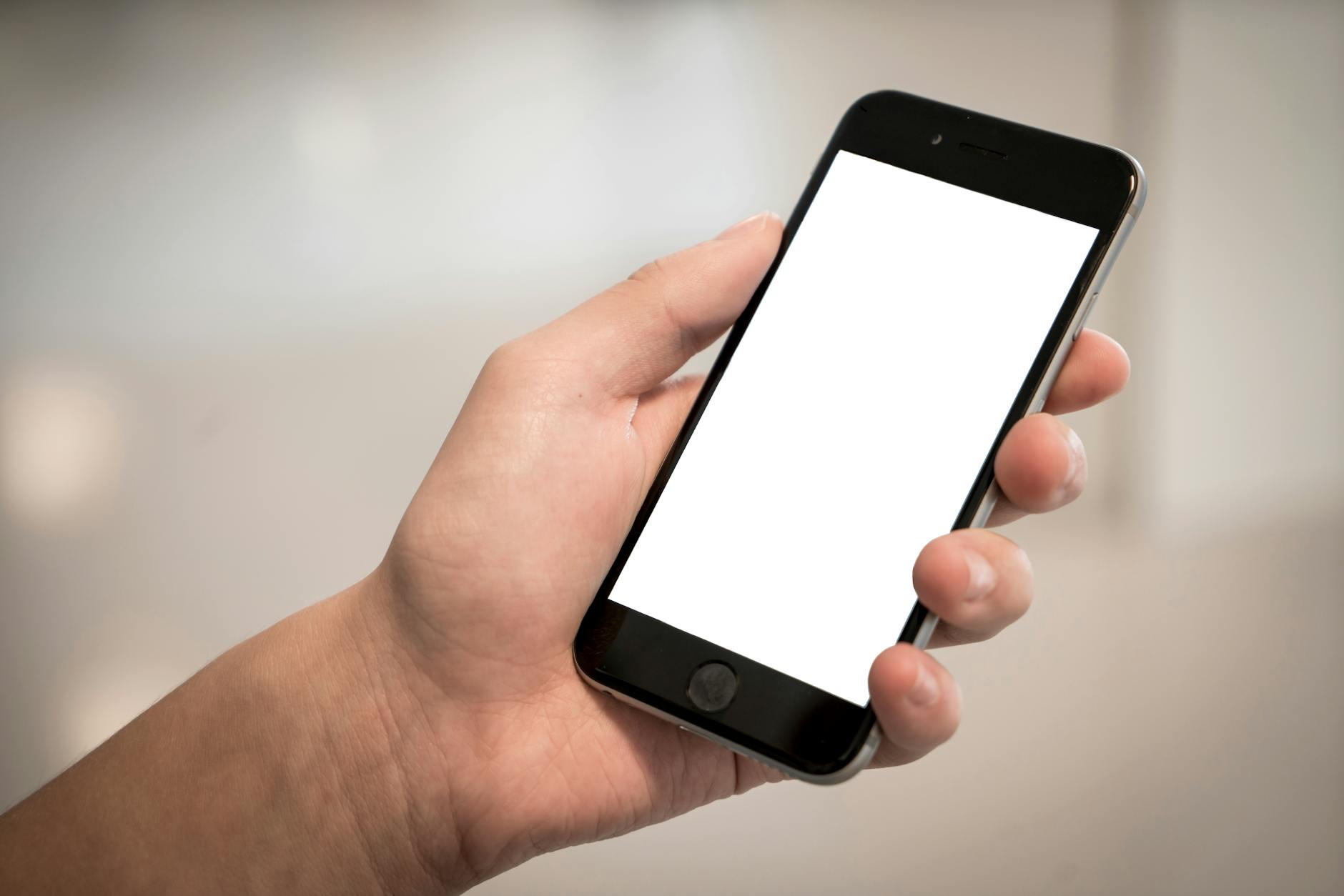 Photo by Terje Sollie on Pexels
Digging Deeper: Solving System UI Issues on Android
After you’ve tried the essential force restart, and your smartphone is still showing signs of life but behaving poorly, it’s time to look inside the system’s temporary storage and application behavior. The System UI error often stems from corrupted temporary files or a conflict caused by a newly introduced piece of software. Think of your phone’s main memory as a busy kitchen; if the cooks never clean up the spills and leftover ingredients, eventually, things start sticking, burning, and slowing down the whole operation. We now move into cleaning house and isolating the problem application.
Clearing the Cache: Freeing Up System Clutter
Temporary files, or cache data, build up over time. While the cache is meant to speed up your smartphone by storing commonly accessed data, too much of it, or corrupted bits within it, can actively destabilize the entire interface. On modern Android phones, clearing the entire system cache partition is often handled automatically by the operating system during routine maintenance. However, you can definitely clear the cache related to specific system components or apps manually, which often provides relief.
Many users, especially those with older or specific Samsung models, might still access the Recovery Mode to perform a Wipe Cache Partition. This clears the separate system cache, which is distinct from the data stored inside individual applications. If your device supports this method, here is the general concept:
- Power off your device completely.
- Simultaneously press and hold a specific combination of hardware keys (often Volume Up, Power, and sometimes the Bixby or Home button). This combination varies by manufacturer.
- Once in Recovery Mode, use the volume keys to navigate to the “Wipe Cache Partition” option.
- Select it using the Power button and confirm the action. Note: This will not delete your photos or app data.
For most current devices, the simpler method is clearing the cache for the System Launcher or the Android System Webview application through the standard Settings menu. To clear cache for the primary interface component, check out guides on how to clear cache and cookies on your device directly, as paths change between Android versions How to Clear Cache and Delete Cookies on Your Phone. Clearing these specific caches often removes the immediate blockages causing the UI to hiccup.
Troubleshoot with Safe Mode: Identifying Rogue Applications
If clearing temporary files doesn’t solve the constant crashes or freezes, the problem is likely an application you recently installed or updated. Third-party apps sometimes clash with the base operating system, leading to the System UI instability you are seeing. The best way to test this theory without deleting anything yet is by booting into Safe Mode. Safe Mode loads only the essential, core components of Android; all third-party apps are temporarily disabled.
If your smartphone runs perfectly smoothly while in Safe Mode, you have located the source of the trouble: one of your downloaded apps is the culprit. Here is how you typically get into Safe Mode on most Android devices:
- Restart your phone.
- As soon as the screen goes black before the manufacturer logo appears, press and hold the Volume Down button.
- Keep holding Volume Down until the device fully boots up.
- Look for the words Safe Mode displayed, usually in the bottom-left corner of the screen.
Once you confirm stability in this limited environment, exit Safe Mode by simply restarting the phone normally. Now, you need to play detective and remove the suspects one by one, starting with the apps you installed right before the issues began.
To uninstall the problematic applications:
- Go to Settings.
- Find the Apps or Applications manager section.
- Locate the app you suspect.
- Tap on it and select Uninstall.
- After removing one app, restart your device normally to see if the System UI error persists. Repeat this process until stability returns. Identifying the app this way isolates the conflict completely, saving you from having to factory reset your entire system.
Updating Everything: Keeping Your System Software Current
Software bugs, including those that cause the System UI to halt, are corrected constantly by developers and Google. Remaining on outdated operating system versions or lagging behind on critical app patches is an open invitation for instability. When Google releases a new version of Android, or when an app maker pushes an update, those releases often contain specific fixes for reported errors. For instance, recent system refinements target laggy scroll performance and address issues where the notification shade might show a delay when pulling down Android System UI Bugs and Fixes (2025).
Keeping your software current is a foundational maintenance task that prevents these errors before they start. You must check two main areas for updates:
- Android OS Updates: These dramatically affect the base stability of the System UI itself. Navigate to Settings, find System or Software Update, and check for any available Over The Air (OTA) updates. Install these immediately and reboot your smartphone after they complete.
- Application Updates: Outdated apps can cause crashes that ripple outward into the UI layer. Open the Google Play Store, navigate to your profile icon, select Manage apps & device, and update all pending apps.
Never ignore update notifications, especially if they relate to system components or your phone’s main launcher application. Applying patches closes security holes and corrects minor programming mistakes that manifest as frustrating user interface glitches like the one you’re trying to fix.
Addressing Performance Issues That Cause UI Hangs
When your screen locks up and you see that dreaded message, the culprit is often a strain on your device’s core resources. The System UI is the visual operator of your smartphone; it requires smooth access to memory and storage to draw icons, manage navigation, and display notifications without delay. If the operator is overwhelmed, the whole system grinds to a halt. We need to look at bottlenecks caused by overloaded storage, excessive background activity, or conflicts introduced by custom software additions. Addressing these points directly can restore the interface’s responsiveness. Isolating performance hogs is key to keeping your device operating reliably.
Free Up Storage Space: An Overstuffed Smartphone Struggles
Imagine trying to file papers in a filing cabinet that is already packed solid; every new document takes ages to shove in. That is precisely what happens inside your smartphone when storage space gets critically low. When remaining storage drops too low, the operating system struggles to create temporary files or cache necessary data, forcing the entire user interface to slow down dramatically or even freeze entirely. System functions require free space to operate efficiently, and when they don’t have it, the error message appears because the UI cannot complete its required tasks promptly.
There Is a Frequency That the Wealthiest Families Have Used for Generations and Most People Will Never Know It Exists
>>> Open the Door <<<

You must reclaim space immediately to ease this pressure on the system. Don’t just delete a few apps; focus on the large carriers of unused data.
Thousands of People Were Struggling With Money Until They Discovered This One Ancient Secret Hidden in Sound
>>> Unlock It Now <<<

Here is actionable advice for quickly freeing up storage bytes:
- Review Large Media Files: Go through your gallery and ruthlessly delete blurry photos, duplicate screenshots, and lengthy videos you won’t watch again. Back up important memories to cloud storage before deleting them locally.
- Manage Downloads Folder: This area often becomes a graveyard for large PDF documents, zipped files, or temporary installers you forgot about. Clear it out completely.
- Check Application Data: Some applications, particularly messaging or streaming services, hoard massive amounts of offline data or cached video segments. Dive into the settings for storage-heavy apps like Spotify or Netflix and manually clear their local caches or downloaded content folders.
- Remove Old Backups: If you regularly back up your phone to a computer but keep the copy on the device, look for those older backup files and remove them from your internal storage.
Making substantial space available is often the simplest, most effective first step toward eliminating recurring UI hangs on an overwhelmed smartphone.
Checking for Memory Leaks and Background Apps
Your phone’s Random Access Memory, or RAM, is like a temporary workbench for currently active processes. When you open an app, it moves onto this bench. If you open too many applications, or if one application refuses to leave the bench even after you tell it to close, it effectively drains resources needed by the System UI. This condition is often referred to as a “memory leak” if the application isn’t properly freeing up its assigned memory space. When the workbench is too crowded, drawing a simple notification shade becomes a slow, painful process for your smartphone.
To mitigate this, you need to actively manage what is using your available RAM. While iOS handles background app management somewhat automatically, Android users often have more visibility and control over this resource drain.
Effective ways to close out unnecessary processes include:
- Mastering the Recents Screen: On most devices, swiping up and holding (or tapping the square navigation button) shows you all currently running applications. Instead of just tapping one generic “Close All” button if available, manually swipe away each running application card one by one. This ensures that the closing process is initiated correctly for each one.
- Identifying Obvious Resource Hogs: If you notice the freezing happens immediately after using a particularly intensive application, like a graphics editor or the latest mobile game, make sure that application is fully closed and removed from the Recents view. Allowing these powerful apps to sit idle in memory consumes significant resources unnecessarily.
- Reviewing Persistent Notifications: Excessive notifications themselves can sometimes contribute to UI slowdowns since the System UI must constantly refresh the notification area. If you have dozens of standing alerts, take a moment to dismiss or clear them out.
Keeping background activity light frees up the necessary processing power so the core interface can react instantly when you attempt to interact with it, vastly improving perceived performance.
Reviewing Third-Party Launchers and Overlays
The default home screen experience provided by your phone’s manufacturer is usually the most stable and highly optimized version of the System UI available for that hardware. Many users customize their experience using third-party launchers, such as Nova Launcher or Microsoft Launcher, or install apps that utilize screen overlay permissions, like screen recording tools or blue-light filters. While these additions offer unique features, they also introduce external code that the core operating system must constantly communicate with and manage.
When a System UI crash occurs, the external code provided by a custom launcher is a prime suspect for creating a software conflict. If an application designed to draw over the main screen is bugged, it can directly interfere with the System UI’s ability to draw elements correctly, leading to a hang.
To isolate whether your added software is the problem, temporarily return to the baseline experience. This test quickly confirms if the issue lies with the system or with your personalization choices.
Follow these steps to test stability:
- Switch to the Default Launcher: Navigate to your phone’s main settings, locate the Application or Apps section, and find the selection for the default Home app. If you are using a different launcher, set the manufacturer’s stock launcher (e.g., Samsung One UI Home, Google Launcher) as the system default instead.
- Disable Overlays: For apps that draw above other apps, temporarily go into their permissions and revoke the “Display Over Other Apps” or “Overlay” permission. Only re-enable these permissions one by one after confirming stability.
- Monitor Performance: Use the smartphone for an extended period after switching back to the default launcher. If the freezes disappear, you know the issue is rooted in the third-party launcher or overlay you removed.
Once you confirm the conflict, you can decide whether to keep the custom software and troubleshoot its specific settings, or uninstall it outright if the stock experience is stable enough for your needs. Testing stability by reverting to default settings removes a huge variable from the troubleshooting equation.
The Advanced Fixes: When Simple Restarts Don’t Stick
When the quick force restart fails to resolve the recurring “System UI Not Responding” errors, it signals a deeper issue than just a temporary software glitch. At this stage, we must consider methods that involve deep system adjustments or external professional intervention. These advanced fixes are powerful, offering to rewrite core system files or diagnose hardware failure; however, they also carry greater risk. Before proceeding with any action that could erase files, complete, verified backups are not just recommended, they are absolutely non-negotiable. You are moving from addressing a symptom to repairing the foundation, and that foundation must be secured first.
Factory Reset Protection: What to Do Before Wiping Your Data
A factory data reset is the nuclear option. It wipes the smartphone clean, returning it to the exact state it was in when you first took it out of the box. We strongly advise against this unless every non-destructive step has failed, as it deletes every photo, message, contact, and downloaded file stored locally on the device. A full reset can solve persistent software corruption, but the loss of data is permanent if unsecured.
Before you initiate this last resort, you must back up everything important. Think of this as preparing for a major relocation; you wouldn’t move without packing the essential items.
Specifically, confirm that these items are safely stored elsewhere:
- Photos and Videos: Upload them to a cloud service like Google Photos or iCloud, or copy them directly to a computer.
- Contacts and Calendar Entries: Verify these are synced to your Google or Apple account, not just stored locally on the device memory.
- Important Documents: Save any saved PDFs, downloaded application data, or critical files from your file manager to local storage or the cloud.
Once you are absolutely certain all your valuable data is safe, the reset option is typically located deep within the Settings menu. On most devices, you will navigate through Settings > System (or General Management on some Androids) and locate the Reset options or Erase all content and settings. Be meticulous during this process, as choosing the wrong option could lead to unexpected outcomes, especially regarding security locks like Factory Reset Protection (FRP) on Android devices. Some security measures may require you to know the original Google account password after the reset is complete to prove ownership How to Bypass Google Account Verification After Reset (2025 Guide).
 Photo by Castorly Stock on Pexels
Restoring Your iPhone via Computer (Recovery Mode)
If your iPhone is experiencing persistent, severe UI instability that even a force restart can’t fix, restoring the operating system through a computer is the next step before considering erasing the entire device. This process uses iTunes on Windows or Finder on macOS to communicate directly with the phone’s firmware. Crucially, when connecting your iOS device, the software offers two options: Update or Restore.
Always choose Update first.
This Update option is vital because it attempts to reinstall the current version of iOS without wiping your existing user data, settings, or applications. It is designed to repair corrupted operating system files that might be causing the System UI to fail. Think of it as replacing the corrupted engine parts while keeping the rest of the car (your data) intact. The computer downloads the latest compatible software and forces it onto the device, often fixing deep-seated corruption that standard on-device troubleshooting can’t touch.
To initiate this, you must first put your iPhone into Recovery Mode. The exact button sequence depends on your model, similar to the force restart sequence, but you must keep holding the buttons until a computer connection screen appears. You then connect the phone to the computer and look for the prompt in iTunes or Finder offering the update. If the Update succeeds, your smartphone should reboot normally with the OS repaired, and your data should still be present. Only if the Update fails to resolve the freezing issue should you move on to the Restore option, which will erase everything. Understanding the distinction between these modes is key to preserving your information Restore vs. Recovery Mode vs. DFU Mode.
When to Seek Professional Help for Your Frozen Device
Sometimes, fixing the System UI issue moves beyond software maintenance. If you have followed all the previous steps—restarting, clearing caches, booting into Safe Mode, and even attempting an OS update via a computer—and your device continues to freeze or display errors, the problem has likely migrated from an OS glitch to a hardware component failure or deeply entrenched corruption that standard tools cannot touch. Knowing when to stop tinkering and seek expert help saves time, money, and frustration.
You should immediately contact a certified technician or the manufacturer’s support if you encounter any of the following scenarios:
- Suspected Hardware Failure: The freezes happen consistently after physical damage, like dropping the smartphone or water exposure. Issues related to the battery swelling or retaining a charge poorly often cause unexpected shutdowns or sudden UI crashes because power delivery becomes unreliable. Similarly, screen damage can sometimes affect internal communication pathways.
- Persistent Boot Loops Without Recovery Access: If your device constantly restarts, showing the logo then freezing before you can successfully enter Recovery Mode (iPhone) or Fastboot/Recovery Menu (Android), it indicates that the core bootloader itself may be corrupted, requiring specialized hardware flashing tools.
- Failure After Factory Reset: If you performed the factory data reset, and the System UI not responding error immediately reappears, or if the device won’t even complete the initial setup screens, your device has severe, persistent OS corruption that requires specialized technician tools for low-level reformatting.
- Security Lockout After Reset: If you reset the device and find yourself permanently locked out due to Factory Reset Protection (FRP) or activation lock, and you cannot recall the necessary account credentials, a technician may be required to securely verify ownership and unlock the device.
When DIY fixes are exhausted, recognize that professional diagnosis prevents further damage. A technician can accurately isolate whether a memory chip, processor, or another internal circuit is causing the phantom crashes that manifest as UI unresponsiveness.
Conclusion
Successfully tackling the “System UI not responding” error relies on a methodical approach. You need to start with the simplest, quickest actions like forcing a restart or checking the charging cable. If the issue lingers, using Safe Mode to identify a problematic application is the essential next diagnostic step. Remember, the vast majority of these frustrating freezes are caused by temporary software overload or application conflict, not permanent damage to your smartphone. Patience and systematic troubleshooting usually restore your device’s operation quickly. If you’ve worked through these steps, your smartphone is highly likely salvageable without needing professional service. Keep your operating system and apps updated for the best performance going forward.
She Pressed Play on a Strange Audio Track and Within Days Her Financial Reality Started Shifting in Ways She Could Not Explain
>>> See How It Works <<<
