She Pressed Play on a Strange Audio Track and Within Days Her Financial Reality Started Shifting in Ways She Could Not Explain
>>> See How It Works <<<

Ever feel like your phone ignores your screen timeout settings, especially when you’re watching videos or jumping between apps? You’re not alone, and there are practical fixes that work on both Android and iPhone.
This guide cuts through the guesswork with clear, step by step fixes. You’ll learn quick checks to confirm what’s causing the timeout to drift, plus easy tweaks you can apply right away to bring control back.
We’ll cover common culprits like apps that keep the screen awake, developer options on Android, and Screen Time or date time tricks on iPhone. With simple adjustments, you’ll reduce interruptions and get back to the content you want to enjoy.
By the end, you’ll have a reliable routine to prevent future issues. The goal is straightforward: fewer taps, more focus, and a smoother smartphone experience.
He Was Drowning in Bills and Burnout Until a Simple Daily Ritual Rewired His Brain for Wealth in Less Than a Week
>>> Start Your Shift Today <<<

Why your screen timeout ignores your settings
If your screen seems to wake up or stay on longer than you tell it to, you’re not imagining things. Several common causes can override your chosen timeout, and the fix is usually a quick combination of setting tweaks and a quick cleanup. Below, you’ll find the main culprits in plain terms, plus practical steps to restore reliable control over your display.
Common causes that override timeout
Battery saver or power saving modes
- What happens: When your device detects low battery or you enable power saving, it can shorten the time the screen stays on to conserve energy.
- Quick fix: Toggle off battery saver temporarily to see if the timeout behavior returns to normal. If it does, you’ll want to fine-tune battery saver settings so they don’t override your preferred timeout during typical use.
Adaptive timeout features that adjust on the fly
- What happens: Some phones introduce adaptive or attention-based timeout features that adjust the screen timing based on how you’re using the device.
- Quick fix: Look for “Adaptive timeout” or similar terms in display or accessibility settings and disable or temporarily override them to test if your chosen interval sticks.
Apps that keep the screen awake
- What happens: Certain apps are designed to prevent the display from dimming while you’re actively using them, and some may continue to keep the screen awake after you’ve paused.
- Quick fix: Check recent or recently installed apps that have the ability to control the screen. If you suspect one, force stop or change its permissions, or uninstall if necessary to confirm.
Developer options if they are on
- What happens: Android devices, in particular, have Developer Options that can influence screen behavior. Features like “Stay Awake” can keep the display on when charging, while other tweaks might impact timeouts.
- Quick fix: Disable developer options or revert individual settings to their defaults. You can typically find this under Settings > System > Developer options.
Recent software updates that might reset behavior
- What happens: An OS update can reset or tweak how timeouts are handled, sometimes reintroducing defaults you didn’t choose.
- Quick fix: After an update, revisit your preferred timeout value and reapply it. If the behavior returns, check for known issues or firmware patches from the manufacturer.
Additional notes
- Some devices, especially certain Android models, do not offer a true “Never” option for screen timeout. If that’s your case, pick the longest available duration and monitor whether any app or setting still overrides it. You can also explore manufacturer-specific settings that extend or override lock behavior. For more on how these settings can interact, see expert discussions on adaptive timeout features and Android updates.
External resources for deeper dives you can reference as you test: see guidance on Android adaptive timeout concepts and how battery saver modes interact with display timing, plus tips on determining which app might be forcing a wake. For quick policy checks on iPhone behavior, Apple’s guidance on display settings can help confirm where to look for overrides.
Android vs iPhone behavior you might notice
Android devices often include adaptive or attention-based timeout features that can shorten the display interval if the phone senses inactivity. This tends to be a proactive approach to saving power, but it can feel like the timeout is fighting your chosen duration. On many Android phones you’ll find this under Display or Accessibility settings, sometimes labeled as Adaptive timeout or attention awareness. In some cases you may see it paired with battery optimization rules that bias toward shorter screens when apps are running in the background.
iPhone users typically encounter Auto-Lock behavior, which is the core timeout control in iOS. If Auto-Lock seems locked or greyed out, Low Power Mode, Screen Time restrictions, or Guided Access might be at play. iPhones also offer features designed to reduce accidental wakeups, and in some cases a software glitch or a device management profile can enforce different defaults. The practical takeaway is to locate the exact setting quickly and verify that no extra layer is pushing the timeout in a separate menu.
Where to look for these controls on each platform
- Android: Settings > Display > Screen timeout (Sleep) and Settings > Battery > Battery saver or Low power mode. If you have Developer options enabled, check there as well.
- iPhone: Settings > Display & Brightness > Auto-Lock, and Settings > Screen Time for any restrictions. If Guided Access is on, it can override timeouts in specific app contexts.
Real-world tip: the easiest first checks involve toggling Battery Saver or Low Power Mode and then setting the screen timeout to your preferred duration. If the problem persists, scan for any recent app installations that might keep the screen awake and test in Safe Mode to confirm if a third-party app is the culprit. For broader context on how Android and iPhone handle display timing, see the discussion around adaptive timeout features in Android and the Keep the iPhone display on longer guidance from Apple Support. You can read more about Android’s adaptive timeout here and about iPhone display options here.
Quick checks you can do right now
When your display timing starts acting up, a few fast checks can reveal the culprit and save you a lot of frustration. These quick tests apply to both Android and iPhone, and you can run them in a few minutes between tasks. Think of them as a friendly audit of your display settings and the apps that touch the screen. A well-tuned phone means less distraction and more focus on what you’re doing, whether you’re browsing, messaging, or watching video on your smartphone.
Verify the basic screen timeout
Start by confirming the core timeout setting on both platforms. This is the baseline that tells the device how long to wait after you last touched the screen.
- Android
- Open the Settings app and go to Display.
- Tap Screen timeout (sometimes labeled Sleep).
Typical options range from 15 seconds to 2 minutes, with some devices offering 5, 10, 15, or even 30 minutes. If your device shows a “Never” option, that technically disables the timeout, but many devices don’t list it by default. - Set the timeout to your preferred length and test by letting the screen idle for a moment.
- If you don’t see the option you want, check if Developer options are enabled. Some models reveal extended durations there, but use the longest option with caution. You can review more details about Android timeout behavior in manufacturer guides or tech writeups.
- iPhone
- Open Settings, then go to Display & Brightness.
- Tap Auto-Lock and choose a duration that matches your typical use.
Most iPhones offer a range from 30 seconds to 5 minutes, with longer intervals available on newer models. If Auto-Lock is grayed out, there might be an active restriction or profile in place. - After changing Auto-Lock, test by waiting a few moments to see if the display turns off on schedule.
- If Auto-Lock behaves oddly after a system update, revisit the setting and ensure other features like Screen Time aren’t enforcing a different rule.
If the timeout sticks after you adjust it, you may have a secondary factor at play, such as power saving or app behavior. The next checks help you identify those layers without guessing.
External resources for deeper dives
- Android display timing and adaptive timeout concepts: see the guidance linked in practical Android tutorials.
- iPhone display options and Auto-Lock specifics: Apple Support’s keep the iPhone display on longer guidance.
- For a quick Android timeout overview, a practical step-by-step article can be useful to compare options.
Look for power saving or adaptive features
Power saving and adaptive features are designed to stretch battery life, but they can also override your chosen timeout. It’s worth a quick check to see if one of these settings is active.
- Android
- Battery Saver or Low Power Mode: When enabled, the system may shorten the screen on time to conserve energy.
- Adaptive timeout / attention awareness: Some devices automatically adjust the screen timing based on how you use the phone.
- How to test: Turn off Battery Saver or Low Power Mode temporarily, then re-test the screen timeout. If the behavior changes, you’ve found the likely cause. After testing, you can fine-tune these features to avoid impacting typical use. Also inspect any attention-aware settings under Display or Accessibility.
- Quick takeaway: Battery savings matter, but you should balance it with your viewing or reading needs. If you often watch videos or use bright apps, a thoughtful trade-off helps.
- iPhone
- Low Power Mode can indirectly influence display behavior by conserving energy in the background.
- Screen Time restrictions or Guided Access can override normal Auto-Lock for certain apps.
- What to do: Disable Low Power Mode temporarily to determine if it affects the timeout. Review Screen Time and Guided Access settings to ensure they aren’t forcing a different display rule in specific contexts.
- Quick takeaway: On iPhone, you may find a combination of features that quietly pushes Auto-Lock to a shorter interval than you expect.
Why this matters
- Trade-offs are real. Extending the timeout tends to consume more battery, while enabling aggressive power saving can reduce wakeups but frustrate your workflow. The goal is to keep control without sacrificing essential battery life.
External resources for deeper dives
- Android power saving and display timing interactions: a practical primer on how these modes can influence screen wake.
- Apple support articles on display behavior and Auto-Lock interactions with Screen Time.
Check apps that might keep the screen awake
Some apps are designed to hold the display on for specific tasks, such as reading, video playback, or navigation. If a single app or a few apps stay awake the moment you pause, they can override your global timeout.
- Quick checks you can perform
- Review recent apps: Open your recent apps view and note any that request to keep the screen active. If you suspect one, force stop it or adjust its permissions to reduce wake behavior.
- Test by closing apps: Close all open apps, then wait to see if the screen times out as expected. If it does, one of the apps is likely the culprit.
- Reboot into Safe Mode (Android): Safe Mode temporarily disables third-party apps. If the timeout behaves normally in Safe Mode, third-party software is likely the cause.
- Check per-app settings: Some apps have their own screen timeout controls or battery optimization rules. Look in the app’s settings for a feature like “Keep screen on” or a wake lock option and disable it if found.
- Battery optimization: On Android, you may need to exclude a problematic app from battery optimization. On iPhone, ensure background activity permissions don’t keep the app awake in unintended ways.
- Example scenario: A video streaming app might force the screen to stay on while playing, then delay dimming after you pause. It’s best to test with the app closed, then reintroduce it to confirm whether it continues to override the timeout.
- Practical steps to act
- Close all apps and observe whether the timeout stabilizes.
- Uninstall or temporarily disable suspect apps to confirm their impact.
- Review each app’s permissions and in-app settings for any wake lock or display-related controls.
- If needed, reset app preferences or perform a clean reinstall to ensure there are no lingering configurations.
Why this matters
- Apps that fight your display timing can ruin your focus and waste battery. Identifying the offender helps you decide between adjusting app settings, replacing the app, or adopting a more conservative approach to background activity.
External resources for deeper dives
- Guidance on per-app wake locks and battery optimization on Android.
- iPhone app behavior and display control considerations from Apple Support.
Real-world tip
- A simple, practical approach is to start with a fresh test: close all apps, set your timeout, and observe for a few minutes. If the issue recurs only when a specific app is in use, that app is likely the root cause. For broader context on how to handle wake locks and display behavior, explore the linked Android and iPhone resources. A quick read can save a lot of trial and error.
Step by step fixes for Android devices
Dealing with a screen timeout that won’t respect your settings can be maddening. This section breaks down practical, step by step fixes you can apply on Android devices to reclaim control over how long your screen stays on. Follow the order to quickly identify the culprit and restore the timing you rely on, whether you’re watching videos, reading, or navigating between apps on your smartphone.
Set a longer basic timeout and disable battery saver
Your first move is to set the default timeout as long as you’re comfortable with and turn off any battery saving that might override it. Here’s how to do it precisely:
- Settings > Display > Screen timeout (Sleep). Choose a longer interval such as 2 minutes or more. If your device offers a “Never” option, select it to disable the timeout, but only if you’re sure you won’t drain the battery too quickly.
- Settings > Battery > Battery saver or Low power mode. Turn this off temporarily to test whether the screen timeout behaves normally.
If the “Never” option isn’t available on your model, don’t worry. Pick the longest duration offered and monitor behavior. Some brands place extended options behind Manufacturer-specific menus. In that case, you might need to enable Developer Options (Settings > About phone > Build number, tap seven times) and review the stay awake or related settings carefully. For a quick reference, see guidance from Android troubleshooting resources that cover how to adjust screen timeout and when battery saver might intervene. Useful context is available here and here.
Tip: after you change the timeout, give it a few minutes to confirm stability. If you still see odd wakeups, proceed to the next checks to rule out other layers.
External resources for deeper dives
- How to disable screen timeout on Android devices: https://www.ninjaone.com/blog/how-to-disable-screen-timeout-on-android/
- Android screen timeout and battery saver effects: https://www.vantagemdm.com/device-management/how-to-change-or-disable-screen-timeout-on-android/
Turn off adaptive timeout and stay awake while charging
Adaptive timeout eyes how you use the phone and may shorten the idle period when it detects activity patterns. The stay awake while charging feature can also keep the display on longer than you expect.
- Disable adaptive timeout: Settings > Display (or Accessibility) > Adaptive timeout or Attention awareness. Turn it off and test the timeout again.
- Stay awake while charging: Settings > Developer options > Stay awake. If Developer options aren’t visible, enable them as described above. Turn off Stay awake to see if that resolves the issue.
When to re enable these features: if you need the device to stay on while you’re using it for video or navigation while plugged in, re enable temporarily and monitor how it impacts your typical use. If you frequently charge overnight, keep Stay awake off and use a separate charging routine to avoid accidental battery drain.
Context and quick read
- On some devices, adaptive timeout is tied to screen attention features. Turning it off gives you predictable behavior and avoids surprises when you pause a video or switch apps. Keep in mind that re enabling adaptive timeout can help in situations where you want the screen to respond more quickly to user presence.
External resources for deeper dives
- Adaptive screen timeout on Android and related battery behavior: https://support.google.com/pixelphone/thread/313638429/adaptive-screen-timeout-causing-screen-saver-to-come-on?hl=en
- Screen timeout settings and battery saver interactions on Pixel devices: https://support.google.com/pixelphone/thread/371778473/screen-timeout-settings-don-t-work-when-using-battery-saver-on-latest-pixel-update?hl=en
Check apps that might keep the screen awake
Apps sometimes override the global timeout to support their tasks. A video app or a navigation app can keep the display on, and the behavior might persist after you pause or exit the app.
- Start with a clean test: close all apps, then set your screen timeout and wait a few minutes. If the screen still stays on, a background service or wake lock is likely at work.
- Review recent apps: open your recent apps view and inspect any app that shows a wake lock or keeps the screen bright when it shouldn’t.
- Per-app controls: some apps have their own keep-on settings. Check in each app’s settings for options like “Keep screen on” or wake lock and disable them.
- Battery optimization: in Android, exclude certain apps from battery optimization if they are problematic. This prevents them from forcing the screen to stay awake in the background.
- Safe Mode testing (Android): boot into Safe Mode to temporarily disable third party apps. If the timeout behaves normally in Safe Mode, a third-party app is the culprit.
A quick real-world approach: close all apps, test the timeout, then reintroduce apps one by one to identify the offender. If you find one, you can disable its wake lock permissions or uninstall it to confirm the fix.
External resources for deeper dives
- Android wake locks and battery optimization guidance: https://www.airdroid.com/app-management/android-keep-screen-on-for-certain-apps/
- Guidance on disabling wake locks and app behaviors on Android: https://www.trickyworlds.com/stop-android-screen-from-turning-off-automatically/
Keep software up to date and reset settings if needed
Software updates can change how the display timeout works. Keeping your device up to date ensures you have the latest fixes and stability improvements.
- Update your Android OS: Settings > System > Software update. Install any available updates and then recheck the screen timeout behavior.
- Update apps: Google Play Store > My apps & games > Update all. Some apps may clobber display timing; keeping them current minimizes conflicts.
If updates don’t fix the issue, you may consider resetting settings as a last resort. This can restore defaults for display and power management without wiping personal data. Always back up first.
- Resetting app preferences: Settings > Apps > Menu (three dots) > Reset app preferences.
- Resetting system settings: Settings > System > Reset options > Reset (choose “Reset all settings” to preserve data; this resets preferences and configurations across apps and services).
Why back up matters: a reset can wipe preferred configurations that you’ve built up over time. Copy photos, contacts, messages, and app data to a trusted cloud service or computer before starting.
External resources for deeper dives
- Apple and Android guidance on software updates and behavior changes (for related context and official steps).
Real-world tip
- If you notice the timeout drifted after a particular update or app install, rolling back that change or reverting a specific app’s permissions can solve the issue without a full reset.
Additional resources and quick references
- Android timeout and battery saver relationships: see Pixel and Android support threads linked above.
- Apps and wake locks: guidance on how to manage app behavior and keep the display on for targeted tasks.
By following these steps, you’ll build a reliable routine that keeps your display timing predictable on your Android device. If you want, I can tailor the next section to your device brand and OS version for even more precise paths.
There Is a Frequency That the Wealthiest Families Have Used for Generations and Most People Will Never Know It Exists
>>> Open the Door <<<

What If the Only Thing Between You and the Life You Deserve Is a Hidden Wealth Code Waiting to Be Activated
>>> Open the Door <<<

Step by step fixes for iPhone devices
When your iPhone keeps waking or ignores your chosen timeout, a few targeted tweaks usually restore reliable control. This section walks you through practical, easy-to-follow steps tailored for iPhone users. Think of it as a quick, smartphone friendly checklist you can run between tasks to reclaim the rhythm of your display.
Adjust Auto-Lock and disable Low Power Mode
- Navigation path: Settings > Display & Brightness > Auto-Lock. Typical Auto-Lock options range from 30 seconds to 5 minutes on most models. Newer iPhone versions may offer longer intervals, but if you see a greyed out Auto-Lock, a restriction or profile could be in play.
- Battery note: Settings > Battery > Low Power Mode can influence how the screen behaves, especially when your battery is running low. Turning it off temporarily lets you see whether the screen timeout returns to your chosen interval.
- Typical max limits and device caveats: On many iPhones, you can select up to 5 minutes for Auto-Lock. Some enterprise devices or certain iOS builds may enforce shorter defaults or block longer ones, so check for any management profiles if Auto-Lock remains constricted after you adjust it.
- Quick test strategy: After you set Auto-Lock to your preferred duration, leave the device idle for a few minutes to confirm the screen dims on time. If you notice drift, revisit Low Power Mode and other battery-related settings to rule out overrides.
In practice, this often solves the majority of drift issues. If you’re testing in a busy environment, a quick switch to Airplane mode for a minute can also reveal if a background process is nudging the timeout, but return to normal use as soon as you’re done testing.
External resources for deeper dives
- Keep the iPhone display on longer to understand how Auto-Lock interacts with other features.
- Low Power Mode on iPhone and its impact on display timing.
Manage apps and Guided Access
Some apps push the screen to stay awake for a smoother experience, and Guided Access can lock a device to a single app with specific controls. Here’s how to manage both and turn Guided Access off when it’s not needed.
- Force close apps: Double-click the home button or swipe up from the bottom (depending on your model) to reveal the app switcher. Swipe up on apps you suspect are keeping the screen awake to force close them. If the issue stops after closing a suspect app, you’ve found the culprit or the app’s wake behavior.
- Guided Access basics: Guided Access limits the device to one app and can disable certain features that might cause unintended wakeups. To enable it, go to Settings > Accessibility > Guided Access, and turn it on. Set a passcode for ending a session and, if desired, enable Face ID or Touch ID as a quick exit.
- When to use Guided Access: It’s handy for keeping the screen on in a single app context (for example, a reading app or a kiosk-style setup). It’s not meant for everyday use, so turn it off when you don’t need it.
- Turning Guided Access off: Triple-click the side button (or Home button on older models) to exit a session, then enter your passcode or use biometrics to resume normal use.
Why this matters
- Apps can act like a hidden battery manager, forcing wakeups in the background. Guided Access provides a controlled environment when you want to keep the display aligned with a single task, such as presentations or demonstrations.
External resources for deeper dives
- Guided Access overview and setup on iPhone, iPad, and iPod touch.
Update iOS and reset settings if needed
Keeping iOS up to date helps ensure the display timeout behaves consistently. If updates don’t fix the issue, a careful reset of settings can restore sane defaults without erasing your data.
- Check for iOS updates: Settings > General > Software Update. Install any available updates, then re-test the screen timeout behavior.
- Update apps: Open the App Store and update all apps. Some apps can affect how the display handles wakeups; keeping them current minimizes conflicts.
- Reset basics before a full reset: If the issue persists, you can reset just the settings. This restores display and power-related defaults without wiping personal data.
- Resetting all settings: Settings > General > Transfer or Reset iPhone > Reset > Reset All Settings. This preserves data like photos and messages but resets preferences across apps and services.
- Back up first: A reset can remove finely tuned preferences. Save a copy of important data to iCloud or a computer before proceeding.
Why back up matters
- A settings reset is a targeted recovery, but it can undo your preferred configurations. Having a fresh backup ensures you won’t lose important preferences, like wallpaper choices, accessibility tweaks, or app permissions.
External resources for deeper dives
- How to keep iPhone display on longer and related iOS guidance on display behavior.
- Official guidance on resetting iPhone settings and restoring defaults.
Real-world tip
- If you notice the timeout drifted after a specific update or app install, you can revert a problematic change or adjust an app’s permissions to solve the issue without a full restore.
Additional resources and quick references
- iPhone display timing and Auto-Lock guidance from Apple Support.
- Guidance on Low Power Mode and its influence on background activity.
By following these targeted steps for iPhone, you’ll regain predictable screen timing with less guesswork. If you’d like, I can tailor the next section to your device model or iOS version for even more precise paths.
When nothing works and advanced steps to try
If you’ve tried the quick fixes and the screen timeout still acts up, it’s time to escalate. This section digs into advanced steps you can take when basic tweaks fail. Think of it as a last mile plan to reclaim reliable control over your display timing. We’ll cover signs that you may be dealing with hardware, plus careful backup and reset strategies that minimize data loss. A calm, methodical approach keeps your smartphone in good shape and reduces the guesswork.
Inspect hardware and consider support
Hardware issues can masquerade as software problems. If the display wakes unexpectedly or fails to dim despite correct settings, a physical fault might be at play. Look for these signs:
- Visible damage or screen irregularities: cracks, chips, or dead zones can alter touch sensitivity and wake behaviors.
- Unusual screen behavior after pressure or impact: sporadic wakeups or unresponsive areas following a drop or bump point to a possible internal hardware fault.
- Consistently inconsistent wakeups across apps: if one app repeatedly forces wakefulness even after you force-close it, you may be dealing with a broader hardware issue.
- Battery swelling or rapid heat during idle moments: power-related hardware faults can influence how the display behaves.
If you notice any of these signs, contact the manufacturer or your carrier for diagnostic options. They can run hardware tests, verify if a repair is needed, and advise on warranty or service options. In the meantime, avoid further pressure on the display and back up data regularly so you’re prepared if a repair requires service or replacement. For deeper guidance on common hardware-related display problems, see trusted hardware diagnostics resources and expert discussions linked here: https://www.pullupphonerepair.com/blog-posts/phone-screen-not-responding-reasons-why, and note how internal faults might present themselves in routine use. If you’re concerned about an iPhone specific issue, this additional resource helps explain hidden internal signs to watch for: https://12thmantechnology.com/is-your-iphone-trying-to-tell-you-something-hidden-signs-of-internal-problems-in-your-iphone/
When to reach out is a judgment call. If you have an active warranty, it’s usually best to involve the manufacturer early. If you’re under a carrier plan, they can sometimes authorize a repair or a replacement without a long wait. If you’re unsure, start with a quick diagnostic chat or visit a reputable service center for a professional opinion. A notebook of symptoms, timestamps, and any recent changes helps the technician pinpoint the issue faster and reduces downtime for your essential apps.
Factory reset and data backup reminders
A factory reset can clear stubborn software conflicts that masquerade as timeout issues. But a reset wipes settings and can impact apps, Wi-Fi passwords, and personalized preferences. The key is preparation and a careful reset path that minimizes risk.
Before you reset, back up your data. The exact steps depend on whether you use Android or iPhone, but the principle is the same: preserve your photos, messages, and essential app data so you can restore smoothly.
- Android backups
- Use Google Drive or your device manufacturer’s backup tool to copy important data automatically. Check that your photos, contacts, app data, and SMS are included in the backup. You can verify by checking the last backup date and the items listed in the backup settings.
- If you switch devices later, you’ll want a clean restore that brings your key apps and data back quickly. For guidance on backing up and restoring on Android, see Google’s official help article: https://support.google.com/android/answer/2819582?hl=en
- External backup options: consider exporting important files to a computer or cloud service as an extra safety net.
- iPhone backups
- iCloud backup or a computer backup via Finder or iTunes ensures your photos, messages, and app data are preserved. Confirm that your iCloud backup is enabled and includes the data you care about.
- If you prefer a local backup, connect your iPhone to your computer and create a secure backup. This gives you a quick restore point if something goes awry during the reset.
- To get you started, Apple’s guidance on backup options covers both iCloud and computer backups and helps you choose the right method: https://support.apple.com
When you’re ready to reset, follow these steps to minimize risk:
- Android reset path
- Settings > System > Reset options > Reset all settings first. This preserves your data while restoring system preferences and can fix misconfigurations that trigger the timeout drift.
- If you still see issues, consider a full factory reset (Settings > System > Reset options > Erase all data). Prepare for a longer setup and reinstall of apps.
- Reinstall apps selectively. Start with core apps, then gradually add others while testing the display timeout after each step. This helps identify any problematic app that may reappear after the reset.
- After resetting, restore only essential data from your backup to avoid reintroducing the exact misconfigurations you’re trying to fix.
- iPhone reset path
- Reset all settings first: Settings > General > Transfer or Reset iPhone > Reset > Reset All Settings. This clears preferences without erasing your data.
- If needed, a full restore can clear deeper quirks: restore from an iCloud or computer backup after you confirm all settings are clean.
- Keep in mind that a settings reset will remove personalized tweaks across apps, wallpapers, accessibility options, and network preferences. Have a quick checklist ready so you can quickly bring back what you rely on.
Why back up matters
- A reset can revert a lot of customized behavior. Keeping a recent backup ensures you can recover quickly and resume normal use without reconfiguring everything from scratch.
External resources for deeper dives
- Android backup and restore basics from Google support: https://support.google.com/android/answer/2819582?hl=en
- General guidance on Android data management across devices: https://www.uswitch.com/mobiles/guides/how-to-back-up-your-data-and-restore-your-android-smartphone-to-factory/
Real-world tip
- If the timeout drift began after a recent update or app install, a targeted revert can fix the issue without a full reset. Restore data from a backup created before the event, then reintroduce changes gradually.
By following these advanced steps, you’ll protect your data and bring back predictable display timing on your device. If you want, I can tailor the next section to a specific device brand or model for even sharper, step-by-step paths.
Tips to prevent screen timeout issues in the future
Keeping your screen timing predictable starts with smart habits and light maintenance. Think of it as tuning a small engine: a few well-placed adjustments now prevent bigger problems later. This section covers practical, non-technical steps you can take to minimize wake lock scenarios, keep battery health sane, and prevent timeout drift from sneaking back in. You’ll walk away with easy routines that fit into daily life, whether you’re using an Android device or an iPhone.
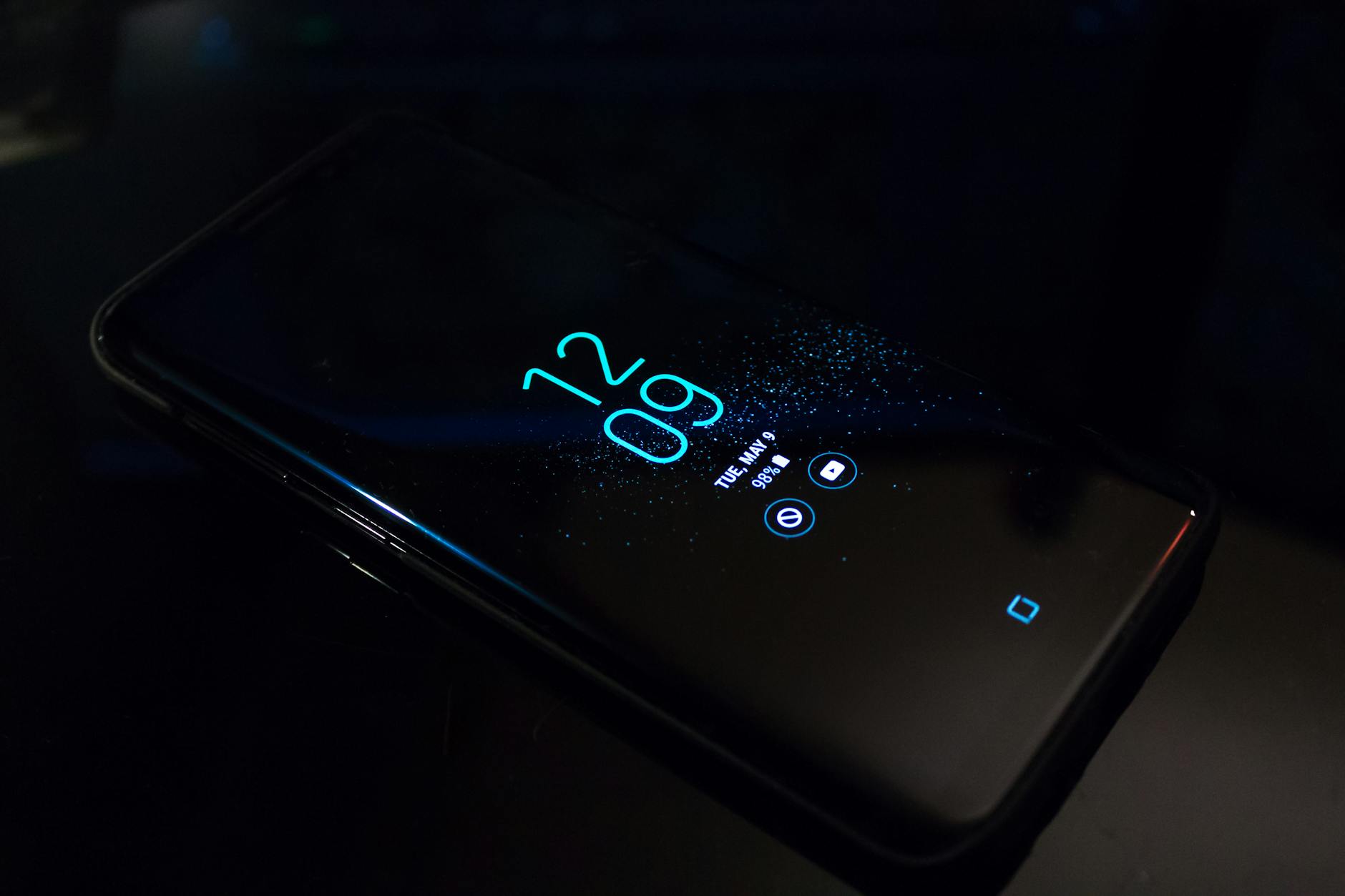 Photo by Noah Erickson
Best practices for app management and battery health
Smart app management is the first line of defense against wake locks. Apps that keep the screen awake can quietly hijack your display timing, especially during video playback, navigation, or when background services misbehave. Here are quick wins you can implement today.
- Tighten background activity: Review apps with permission to run in the background and revoke wake-related access from those you don’t need. On Android, use battery optimization exclusions sparingly; on iPhone, ensure background activity is limited for apps that don’t need it.
- Limit wake locks in critical apps: If you rely on a few apps that require the screen to stay on, configure them to a controlled setting rather than a global “never sleep.” For example, some video or reading apps have their own keep-on options. Disable those unless you truly need them.
- Keep an eye on battery health: A weak battery can cause the OS to misread idle time and raise wakefulness. Use built-in battery health checks and consider a calibration or replacement if cycles are poor.
- Regularly prune unused apps: Delete or disable apps you rarely open. Fewer third-party processes mean fewer chances for unexpected wakeups.
- Periodic cleanups and resets: Every couple of months, reset app preferences to clear stray settings that can influence display timing. This helps avoid old quirks resurfacing after an major OS update.
In practice, the simplest approach is a quarterly audit: check your most power-hungry apps, review battery optimization lists, and confirm the global timeout matches your actual use. If you notice drift after a particular update, a targeted app reset or permission adjustment often fixes it quickly.
External resources for deeper dives
- Android wake lock best practices and battery optimization guidance: Follow wake lock best practices and keep background tasks lean.
- Guidance on app behavior and display control considerations from Apple Support to ensure you don’t miss iPhone-specific overrides.
Tips you can apply now
- Run a quick wake lock audit after installing a new app. If the screen stays on longer than expected, test with the app closed to confirm whether it’s responsible.
- When testing, set the basic timeout to a comfortable length first. Then, turn off any power-saving mode to see if that was the cause.
Images and examples
- A smartphone in use with bright background apps can hint at why a wake lock appears. Keep this in mind when you’re testing across apps.
Healthy habits for software updates and maintenance
Updates bring improvements, but they can also nudge how the display times out. A simple routine helps you stay in control without slowing you down.
- Establish a lightweight update cadence: Check for OS updates weekly and security patches monthly. Schedule updates at a time when you’re near a charger and have a few minutes to test after installation.
- Test after each update: Immediately recheck Auto-Lock on iPhone or Screen timeout on Android. If you notice drift, reset the timeout value to your preference and monitor for a day or two.
- Separate critical from optional apps: Prioritize updates for security and core apps first. If a nonessential app starts affecting the display after an update, you can pause its auto-update or disable background activity until you’re sure it’s stable.
- Use a kid-friendly maintenance routine: A simple 3-step ritual works well—update, test, and note any drift. If you see a repeat pattern after OS updates, search for official patches or user guidance from trusted sources.
A straightforward approach helps you stay on top of changes without turning maintenance into a chore. The goal is to keep your display behavior steady while still benefiting from security and performance improvements.
External resources for deeper dives
- Apple guidance on display settings and update impacts.
- Android maintenance tips and how to test after updates from Android’s support ecosystem.
Kid-friendly routine example
- Step 1: Update once a week, while the phone is plugged in.
- Step 2: Set Auto-Lock or Screen timeout to your preferred duration.
- Step 3: Use the device for 10 minutes to confirm the setting sticks and note any drift.
Images and examples
- An image showing a smiling user checking settings on a phone can reinforce the routine. If you include it, place it near the update steps.
Practical monitoring after updates
After you apply updates, monitor for new issues with a simple log. A quick record makes it easy to spot trends and fix issues fast.
- Keep a mini log: Note down the time you updated, the new timeout setting, and whether you observed any drift over the next 24 to 72 hours.
- Watch for app-driven behavior: Some apps may temporarily require more wake time after an update as they resync data. If the drift persists after a few days, consider rechecking app permissions or reinstalling the app.
- Use automated checks where possible: Some devices offer built-in monitoring for battery life and display timing. Use those tools to spot anomalies early.
External resources for deeper dives
- Android wake lock monitoring guides and best practices for staying on top of battery usage.
- iPhone display behavior tips after iOS updates from Apple Support.
Real-world tip
- If a specific app is involved, install a clean version after a reset and test before re-enabling its notifications or background tasks. It’s a fast way to confirm whether the app is at fault.
Additional resources and quick references
- A quick comparison guide for Android and iPhone display timing after updates.
- Practical articles on how to keep your phone’s wake behavior predictable.
Images and examples
- A simple dashboard screenshot or icon set could illustrate monitoring steps. Use only if it fits naturally with your article.
By adopting these best practices, you’ll prevent future screen timeout hiccups and keep your device predictable. If you’d like, I can tailor this section further to your device models for more precise paths.
Images credits and placement note
- Photo by Noah Erickson on Pexels. Caption placed after the first subsection image to maintain visual flow. If you choose to add more visuals, ensure they align with the text and avoid repeating the same image.
External links usage note
- The article weaves in credible references to Android and iPhone guidance. Links appear in contexts where they naturally enhance understanding and provide practical steps.
Conclusion
Fixing a screen timeout that ignores your settings is mostly about pinning down what overrides your preference. Start with the basics by setting a longer timeout and turning off power saving, then check for adaptive features or apps that keep the display awake. If the problem persists, test in Safe Mode or reset app preferences to rule out culprit software. With a little method, you can reclaim predictable timing on your smartphone.
A reliable routine to prevent drift is worth adopting: regularly review battery saving and wake lock behavior, keep essential apps up to date, and test your timeout after any OS or app update. By following the steps outlined, you’ll reduce interruptions and keep focus on what matters.
Practical tip: schedule a quick weekly check of your display and app permissions. A five minute audit can catch drift before it disrupts your day, keeping your smartphone’s timing steady.
There Is a Frequency That the Wealthiest Families Have Used for Generations and Most People Will Never Know It Exists
>>> Open the Door <<<