He Was Drowning in Bills and Burnout Until a Simple Daily Ritual Rewired His Brain for Wealth in Less Than a Week
>>> Start Your Shift Today <<<

If you rely on fitness apps to stay motivated, missing notifications can throw off your routine. A missed nudge can mean fewer steps, forgotten workouts, and a drop in momentum. This guide covers both iPhone (iOS) and Android, plus common app related fixes so you can get back on track quickly.
Where things go wrong varies, from quiet alerts to permissions that block messages. You’ll learn how to spot the issue, what to check in app settings, and which system controls matter most. By the end you’ll have a simple path to get fitness app notifications working again, without technical fuss.
Here’s a straightforward checklist you can follow anytime:
- Check that notifications are enabled for the fitness app and the device in your system settings.
- Verify the app’s in app notification preferences are turned on.
- Confirm the phone is not in Do Not Disturb mode and that alarm and priority alerts are set correctly.
- Review app permissions for notifications, background refresh, and battery optimization.
- Reinstall or update the app if needed and restart your phone.
If you’re reading this with a smartphone nearby, you’re not far from a fix. With these steps, you’ll restore timely alerts for workouts, reminders, and goal updates, keeping you on track and consistent.
She Pressed Play on a Strange Audio Track and Within Days Her Financial Reality Started Shifting in Ways She Could Not Explain
>>> See How It Works <<<

Quickly verify basic phone and app notification settings
Notifications keep your fitness routine honest. A quick check across iOS and Android can save you from frustrating lags and silent workouts. Use these concise steps to verify permissions, modes, and styles so your app stays in sync with your goals. As you follow along, you’ll test changes with a simple dummy alert to confirm everything is working as it should.

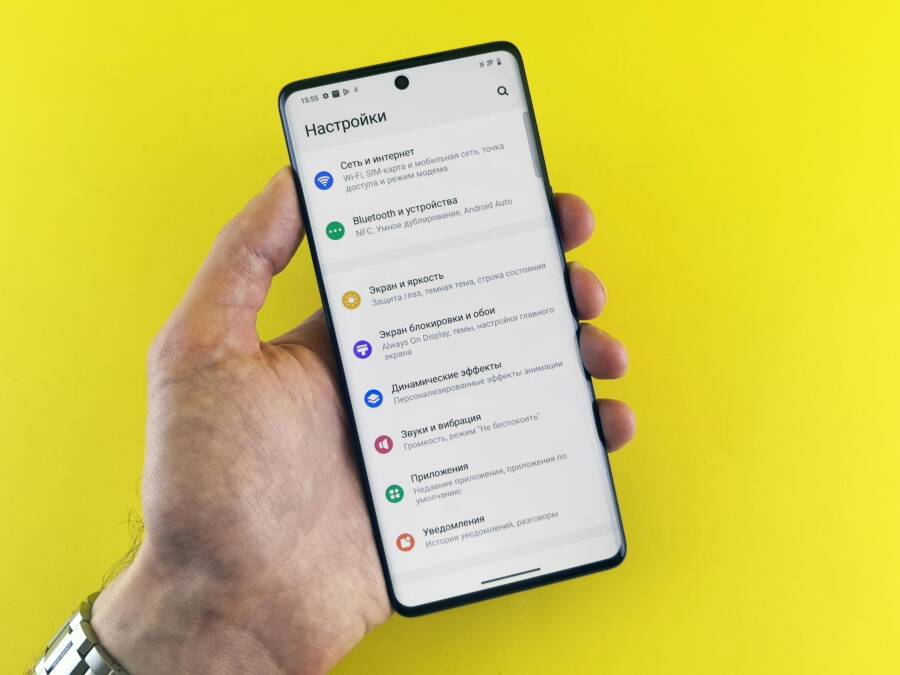
Photo by Andrey Matveev
Check app notification permissions
First, confirm the fitness app is allowed to send alerts. On iPhone, open Settings > Notifications, then tap the app. Ensure Allow Notifications is toggled on and customize alerts for banners, sounds, and badges. If the app isn’t listed, it may not be able to push alerts yet. On Android, go to Settings > Apps & notifications > See all apps > [Your App] > Notifications. Make sure notifications are enabled and that the correct channels are active. To test, send a dummy notification from the app or trigger a workout reminder. If you don’t see it, recheck permissions and try again.
- iOS quick test: send a quick workout reminder and verify the banner appears.
- Android quick test: enable the app’s notification channel and tap the test option.
For quick reference, see Apple’s guidance on enabling app notifications and managing their behavior, which walks you through app-specific settings and testing methods. You can review Apple’s steps here: https://support.apple.com/en-us/120681 and here: https://support.apple.com/guide/iphone/change-notification-settings-iph7c3d96bab/ios. If you need Android specifics, Google’s support on changing app permissions is helpful: https://support.google.com/android/answer/9431959?hl=en and the Android notification permissions overview: https://developer.android.com/develop/ui/views/notifications/notification-permission.
Review Do Not Disturb and Focus modes
Do Not Disturb on Android and Focus modes on iOS can mute alerts, even from your fitness app. To temporarily disable, pull down Quick Settings (Android) and toggle DND off, or go to Settings > Sound & notifications > Do Not Disturb to pause the rule. On iPhone, open Settings > Focus, select the active Focus, and turn it off or modify its allowed apps. You can also add your fitness app to the Allow Notifications list in Focus mode to ensure nudges come through.
- Quick tip: after turning off DND or Adjusting Focus, test with a dummy notification to confirm it’s not blocked.
- If you rely on Focus for work, consider creating a Focus exception that only affects nonessential apps while keeping fitness reminders active.
Apple’s Focus guidance provides details on allowing notifications from specific apps within a Focus: https://support.apple.com/guide/iphone/allow-or-silence-notifications-for-a-focus-iph21d43af5b/ios and related Focus tips: https://macrumors.com/how-to/silence-notifications-specific-apps-focus-mode-ios.
Verify notification channels and alert styles
Android uses notification channels. Each channel can have its own sound, vibration, and visibility settings. Open Settings > Apps & notifications > [Your App] > Notifications and check that the right channel is enabled. Choose the desired alert style, such as banners or sounds, and ensure previews are set if you want to see content in the notification shade. iOS uses alert styles rather than channels; you’ll customize how alerts appear through Settings > Notifications > [Your App], selecting banners, sounds, and previews.
- On Android, confirm the fitness app has at least one active channel and that the user-visible settings aren’t blocked by battery optimization.
- On iOS, ensure alerts and previews are enabled so you can see workout reminders even on the Lock Screen.
Test by sending a dummy alert from the app or triggering a workout reminder. For Android channel management, Android Developers provides a solid guide on creating and managing channels: https://developer.android.com/develop/ui/views/notifications/channels. For iOS alert customization, you can review Apple’s notification settings guidance: https://support.apple.com/en-us/108274 and the Focus article linked above.
If you want a practical example of how notification channels show up on Android, you can explore real-world app examples like Workout Alerts on Google Play to understand how channel and user controls interact: https://play.google.com/store/apps/details?id=com.rootberz.workoutalerts&hl=en_US.
Diagnose if the issue is on the device or the app
When fitness notifications fail, the first question is whether the problem is the device or the app itself. This section guides you through quick checks to pinpoint the source. You’ll learn how to run a simple test plan that separates device-level issues from app-related problems. The goal is to move fast from guesswork to a definite fix. Along the way, you’ll see practical tips for both iPhone and Android users, with handy references to official guides if you want deeper dives. Keep a smartphone handy as you test, so you can verify results in real time.
Photo by Andrey Matveev
Test other apps to see if they show notifications
First, check whether non fitness apps push notifications. If they do, the issue is likely with the fitness app or its permissions. If they don’t push alerts, the problem is device level. Quick plan:
- On iPhone, open Settings > Notifications and test a different app. If you see banners, your device can receive alerts.
- On Android, go to Settings > Apps & notifications > See all apps > another app > Notifications. Confirm you can receive a test alert.
- Run a test from your fitness app as well as a different app to compare results.
- If other apps deliver notifications but the fitness app does not, focus on in-app permissions or channel settings. If nothing delivers alerts, revisit Do Not Disturb and Focus modes.
Test plan quick checklist
- Ensure Do Not Disturb or Focus modes aren’t muting alerts.
- Verify the fitness app has permission to show notifications.
- Confirm background refresh or activity is allowed for the app.
- Restart the phone after applying changes to rule out temporary glitches.
- Reinstall the fitness app if the issue persists.
For background context, Apple’s and Google’s official setup guides provide reliable steps for notifications and test methods. See Apple’s general notification settings guidance here: https://support.apple.com/en-us/120681 and here: https://support.apple.com/guide/iphone/change-notification-settings-iph7c3d96bab/ios. For Android, review how to adjust app permissions and notification channels here: https://support.google.com/android/answer/9431959?hl=en and the Android notification overview: https://developer.android.com/develop/ui/views/notifications/notification-permission. You can also explore a practical example of testing push notifications here: https://sendbird.com/developer/tutorials/mobile-push-notifications-tester.
Check background activity and battery optimization
Some phones clamp background activity to save power. That can silence fitness reminders even when the app is installed correctly. Here’s how to fix it on both platforms:
- Android: Go to Settings > Apps & notifications > [Your App] > Battery > Battery optimization. Set the app to “Not optimized” or “Unrestricted” and ensure it can run in the background. If you see a battery saver mode, disable it for the fitness app. After changes, force a quick test by triggering a workout reminder to see if a notification arrives while the app is in the background.
- iOS: Open Settings > Privacy & Security > Background App Refresh. Make sure the feature is enabled for the fitness app and that the app is allowed to fetch data in the background. Also confirm that Low Power Mode isn’t restricting background activity.
Verification test
- On Android, place the phone screen off for a minute, then trigger a reminder from the app and check for the notification.
- On iOS, lock the phone after enabling background refresh and try a similar in-app reminder. If the alert appears, background activity is functioning.
Why this matters: background limits can be subtle. A quick whack at battery optimization often resolves missed reminders. For Android, here’s a helpful explainer on battery optimization and its impact on apps: https://www.thelasttech.com/post/battery-optimization-in-android. If you want a hands-on Android example, MapMy Fitness provides background tips here: https://support.mapmyfitness.com/hc/en-us/articles/1500009118002-Android-Tips-for-Keeping-MapMy-Running-in-the-Background. For those using Polar devices, see how to disable power saving for the Android apps: https://support.polar.com/ae-en/how-to-disable-power-saving-for-the-polar-beat-and-polar-flow-android-apps.
He Was Drowning in Bills and Burnout Until a Simple Daily Ritual Rewired His Brain for Wealth in Less Than a Week
>>> Start Your Shift Today <<<
Verify internet connectivity and data sync status
Notifications often depend on data syncing. If the phone cannot reach the internet or the app isn’t syncing, you may not see timely reminders. Steps to verify:
What If the Only Thing Between You and the Life You Deserve Is a Hidden Wealth Code Waiting to Be Activated
>>> Open the Door <<<

- Ensure the device has internet access. Try loading a webpage or streaming a short video.
- Confirm you’re signed in to the fitness app with an active account.
- Check that the account is syncing properly; look for recent workout data or sync indicators in the app.
- Force a sync or send a test workout from the app to confirm delivery.
If syncing is flaky, try switching between Wi-Fi and cellular data to see if stability improves. A simple re-login can sometimes re-establish a stable connection. For deeper background guidance on testing and troubleshooting push notifications, you can explore resources like Push Notification Testing and Troubleshooting: https://support.iterable.com/hc/en-us/articles/360035112332-Push-Notification-Testing-and-Troubleshooting and How to debug mobile push notifications: https://sendbird.com/developer/tutorials/mobile-push-notifications-tester.
Another practical touchpoint is ensuring the device can reach its services reliably. If you notice delays or gaps across multiple apps, consider testing with a different network or resetting network settings as a last resort. For insights on how synchronization issues affect fitness apps, see discussions about smartwatch and app syncing here: https://www.fitnesssyncer.com/support.
Fixes inside the fitness app and device
When notifications still refuse to appear after checking system basics, it’s time to dive into hands-on fixes inside the app and on the device. These steps focus on how the app communicates with the phone, how permissions are granted, and how data flows between services like health platforms and wearables. You’ll find practical actions, quick tests, and reliable references so you can verify progress right away. Keep a smartphone handy to run quick checks as you go.
Update or reinstall the app
Staying on the latest app version is the fastest path to a fix. Start by checking for updates in your app store, install the latest release, and repeat a quick test. If problems persist, a clean reinstall can clear stubborn corruption or misconfigurations. After reinstall, verify a simple workout reminder arrives as a test. If the alert shows up, you’re back on track. If not, move to the next fixes in this guide. For further steps and context, see how updating and reinstalling can resolve notification issues: https://discussions.apple.com/thread/255799013 and general guidance on reinstallation processes: https://support.google.com/android/answer/9451386?hl=en.
Clear cache and data
Clearing cache and data can reset problematic settings without removing essential information. On Android, you can clear an app’s cache from Settings > Apps & notifications > [Your App] > Storage > Clear cache. If the problem continues, clearing data can help, but note you may need to log back in and re-sync. On iOS, clear cache options aren’t as direct; instead you can offload the app or reinstall to achieve a similar effect. Remember that clearing data may remove saved workouts and preferences, so back up first if the app supports export. After clearing, run a quick test by triggering a reminder. See guidance on clearing cache and data: https://www.smartphoneassistant.com/clear-app-cache-and-data-on-iphone-android/ and a Galaxy specific guide: https://www.samsung.com/us/support/answer/ANS10001372/.
Check in-app notification settings and re login
In-app controls often override system settings. Open the app and verify that all notification toggles are enabled, including sound and vibration. Some apps also feature per-event reminders that must be turned on. If the app uses token-based login, sign out and sign back in to refresh permissions and payloads. After re-authenticating, trigger a test reminder to confirm delivery. If you’ve made changes, re-check the in-app options after the test to ensure persistence. For related in-app guidance on iPhone and Android, review Apple’s fitness notification settings and testing steps: https://support.apple.com/guide/iphone/change-notification-settings-iph7c3d96bab/ios and Google Fit permissions management on Android: https://support.google.com/fit/answer/9488336?co=GENIE.Platform%3Dandroid.
Reconnect accounts and grant permissions again
Many fitness apps link to external services like Google Fit, Apple Health, or wearables. Re-link these connections and re-grant permissions to ensure data flows and alert triggers function properly. After re-linking, perform a quick in-app test to confirm notifications arrive. Be mindful that data may resync after re-linking, so you might see a short delay in new stats or progress. If you rely on Health Connect, re-establish the sync so your device dashboards reflect the latest activity. Quick reference for re-linking and permissions: Health Connect and Google Fit on Android: https://support.google.com/fit/answer/12830119?hl=en and iPhone related connections: https://support.google.com/fit/answer/6098255?hl=en&co=GENIE.Platform%3DiOS.
Tips for reliable notifications and long term setup
Maintaining reliable fitness app notifications over the long term means more than a quick fix. It’s about a small, repeatable setup routine that keeps nudges consistent, even as OS updates roll out or you switch devices. Use these practical strategies to keep reminders where they belong: front and center when you want them, out of the way when you don’t.
Set up custom notification schedules and quiet hours
Custom schedules let your workouts feel supported, not nagging. Create windows when notifications are allowed and silence them outside those times so focus or rest isn’t disrupted. Here are quick steps for both platforms, plus a simple test plan you can run.
- Android
- Go to Settings > Apps & notifications > [Your App] > Notifications. Create or adjust a channel with the desired sound and visibility.
- Use Do Not Disturb or Modes to carve out quiet hours. For example, set a morning workout reminder before work, then silence everything else during work hours.
- Test: schedule a reminder and check that it arrives within the allowed window. Then trigger a non-work reminder outside the window to confirm it stays quiet.
- iOS
- Settings > Focus (or Do Not Disturb) > add a Focus for workouts. Allow your fitness app and set a clear schedule.
- Under Settings > Notifications > [Your App], ensure banners, sounds, and previews match your preference.
- Test: schedule a workout alert within the window and a nonessential alert outside it to verify behavior.
Testing plan quick reference
- Create a dummy workout reminder within your chosen hours and confirm a visible banner.
- Trigger a reminder outside the quiet period and confirm it remains silenced.
- If a reminder slips through, review Focus or DND exceptions and re-test.
Apple’s focus and notification guides offer detailed steps for fine tuning: Use notifications on your iPhone or iPad, and Change notification settings on iPhone. Android users can explore Limits with Modes & Do Not Disturb and Focus scheduling resources. See these guidance pages for deeper context: https://support.apple.com/en-us/120681, https://support.apple.com/guide/iphone/change-notification-settings-iph7c3d96bab/ios, https://support.google.com/android/answer/9069335?hl=en, and https://support.google.com/android/answer/9079661?hl=en.
Optimize lock screen and banner settings
Visible banners and lock screen previews ensure you don’t miss a workout ping when the phone is asleep or in your pocket. Configure them so alerts are obvious but not intrusive on the lock screen.
- Android
- Settings > Apps & notifications > [Your App] > Notifications. Choose your main channel and set the alert style to banners or alerts you prefer. Enable or disable previews as you like.
- Ensure battery optimization won’t hide the alert while the device is idle. If needed, add the app to a starred list for higher priority.
- iOS
- Settings > Notifications > [Your App]. Pick banners, sounds, and previews. If you want quick glances from the lock screen, enable previews and ensure banner style is visible.
- If you use Focus, keep your fitness app allowed to notify within that mode.
Test approach
- Lock the phone and trigger a workout reminder to confirm a visible banner on the lock screen (iOS) or a visible notification (Android).
- With the device unlocked, verify that tapping the banner opens the correct app and shows the reminder details.
- For Android, test notification previews to confirm content appears as expected in the notification shade.
Useful references on how to manage lock screen previews and notifications include Apple’s guide on using notifications on iPhone or iPad and changing iPhone notification settings, plus Android’s control notifications guidance. See: https://support.apple.com/en-us/108781, https://support.apple.com/guide/iphone/change-notification-settings-iph7c3d96bab/ios, https://support.google.com/android/answer/9079661?hl=en, and https://developer.android.com/develop/ui/views/notifications/channels for deeper channel behavior.
Regular maintenance and quick checks
A monthly rhythm keeps everything working and avoids nagging surprises. A short routine can cover permissions, battery behavior, and OS changes so you stay in control.
- Check app permissions: ensure notifications, background activity, and health data access are still granted.
- Confirm battery optimization: set the app to run in the background or disable battery limits that would suppress reminders.
- Test a notification: send a quick test reminder and confirm it arrives.
- Review OS updates: minor iOS or Android updates can alter notification behavior; verify settings after each update.
Practical monthly checklist
- Review app permissions and background refresh.
- Verify battery optimization settings are not harming the app.
- Run one test notification from the app and confirm delivery.
- Note any OS changes and adjust notification settings accordingly.
If you want further guidance on keeping notifications healthy over time, explore general battery and notification best practices for Android and iOS. For Android battery tips, check out quick fixes to extend Android battery life and battery optimization resources. For background behaviors and Doze, Android developers offer detailed guidance on power management that’s useful to review. See: https://www.pcmag.com/how-to/quick-fixes-extend-android-phone-battery-life, https://www.rokform.com/blogs/rokform-blog/how-to-turn-off-battery-optimization?srsltid=AfmBOoolQa_UP0Laxhnwg4_64EzYOvs1OWTFQeQIo6pipxUpms3G9J_R, and https://developer.android.com/training/monitoring-device-state/doze-standby. Regular checks like these keep your fitness nudges dependable day after day.
Conclusion
Most notification issues come down to quick, right-sized fixes. By confirming app permissions, clearing any stale data, and checking battery or focus modes, you can restore timely nudges without a long overhaul. A simple daily habit helps too: run a fast in-app test after any OS update or app change to catch problems early.
To keep alerts reliable, set up personal routines like a short weekly check of permissions, background activity, and connectivity. Keep a favorite fitness app installed and ready to go on your smartphone, and use a dedicated test reminder to verify delivery in real time. When you notice a delay, restart the device and retest; most fixes take effect within minutes.
Bookmark this guide so you have a trusted path when nudges misbehave. It’s a practical reference you can return to without hunting for steps again. If you found it helpful, share it with someone who could use a dependable notification routine. Today’s quick test can keep your workouts on track and your motivation steady.
Thousands of People Were Struggling With Money Until They Discovered This One Ancient Secret Hidden in Sound
>>> Unlock It Now <<<
