DIY Outdoor String Light Setup with Home Depot Supplies: Easy Steps for Cozy Backyard Ambience
A warm string of lights can turn any outdoor space into a welcoming retreat. With a few well chosen Home Depot supplies, you can design a safe, weatherproof setup that lasts all season. This guide shows you how to plan, assemble, and maintain an outdoor string light system without hassle.
Planning Your Outdoor Lighting
Start with the space in front of you. Measure seating areas, walkways, steps, and fence lines where lighting will be most effective. The goal is even illumination that creates inviting zones without glare. Think of lighting as a layer, not a single feature. Combine string lights with smaller accents like pathway bulbs or ground-level lanterns to guide guests.
Choose your style and color temperature. Warm white bulbs around 2700K to 3000K feel cozy and intimate. Edison bulbs give a classic look, while round LED bulbs lean modern. If you want a brighter feel for gatherings, go with more lights along longer runs. For a subtle evening glow, use fewer strands but place them closer to seating areas.
Plan your power route before buying. Most outdoor spaces rely on an existing GFCI outlet. If there isn’t one nearby, you’ll need a weatherproof extension cord and a covered outlet. Avoid run lengths that stretch far beyond a single outlet. A longer, well organized run is safer and easier to manage.
Map out anchor points. Don’t run cords across doorways or high traffic zones. Use overhangs, railings, or sturdy gable hooks to keep wires neat. If you mount lights across a pergola or deck, make sure the route is secure and stable in wind.
Essential Home Depot Supplies for String Light Setup
Gathering the right gear makes the job smoother. Here are the core items you’ll want to pick up at Home Depot.
- LED outdoor string lights: Look for weatherproof, commercial or consumer grade strands. Choose warm white for a relaxed vibe. Longer runs may require heavier gauge cords or multiple parallel strings.
- Outdoor rated extension cords: Use cords labeled for exterior use and with appropriate gauge for the length you need.
- GFCI outdoor outlet or weatherproof outlet cover: Safety first. An outdoor rated outlet with a cover protects plugs from rain and splashes.
- Clips and hooks: Plastic or metal S clips, cup hooks, and adhesive mounting clips keep lights in place without nails.
- Mounting hardware: Weatherproof screws, anchors, and drill bits for masonry if you plan to attach to brick or concrete.
- Weatherproof power strip or outdoor timer: Timers help you auto off lights and save energy.
- Outdoor smart plug or dimmer kit: For flexible control from inside the house.
- Wire management: Zip ties, cable clips, and channeling to hide cords along beams or under trim.
- Safety gear and aids: A step ladder, gloves, and a masking tape measure for precise placement.
- Replacement bulbs and fuses: Have extras on hand to minimize downtime.
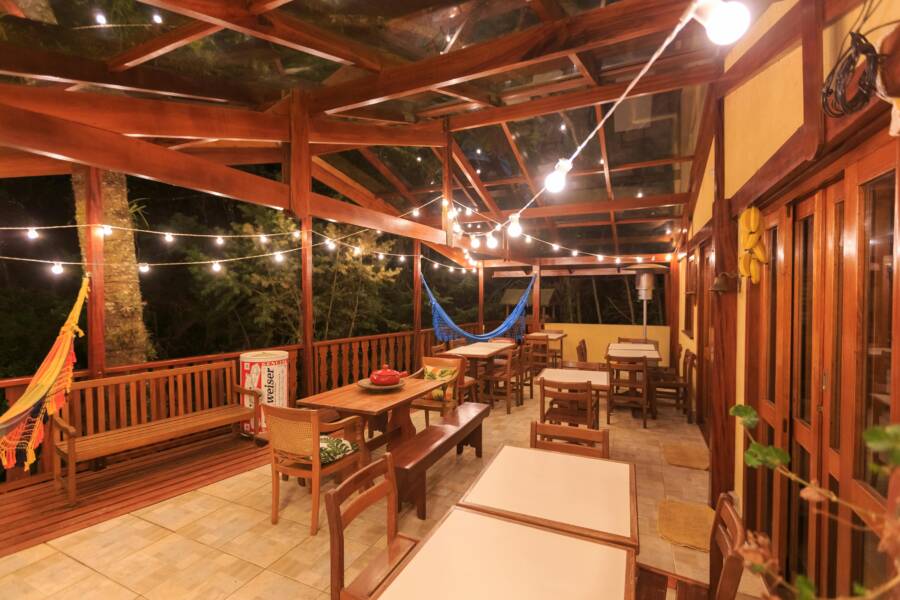
[Photo] A practical setup in a backyard with strings of lights along a deck. Photo by Ron Lach.
Caption: Photo by Ron Lach
Step by Step Install Plan
A careful plan makes installation quick and clean. Follow these steps to set up a durable, attractive system.
Step 1 – Measure and map routes Start by marking each anchor point. Use tape to hold light strings temporarily in place. Measure the total length of light strings you will need and compare it to what you have. Account for extra slack at corners or between mounting points.
Step 2 – Prep power and outlets If you have a nearby GFCI outlet, inspect its cover and test the outlet. If you need an extension, use an outdoor rated cord and keep connections off the ground. A weatherproof outlet housing or cover helps protect plugs from rain.
Step 3 – Install mounting points Attach clips to overhangs, beams, and railings according to the manufacturer’s instructions. Start at the power source and work outward to avoid loose ends. Space clips evenly for a clean, balanced look. For brick or concrete, use appropriate anchors and screws.
Step 4 – Hang the lights Drape the lights along the planned route, keeping cords tight and tidy. Avoid sharp bends or kinks that can shorten bulb life. Leave a bit of slack at corners to prevent tension that could pull clips loose.
Step 5 – Secure and tidy connections Use zip ties to tidy excess wire and keep it clear of foot traffic. If you must cross a door or path, protect the cord with a cord cover or ramp to reduce trip risk.
Step 6 – Power up and test Plug in and check every bulb. Look for loose connections or dim spots. If you have a dimmer or smart plug, test the settings to ensure a smooth transition between levels of light.
Step 7 – Weatherproof the setup Apply outdoor rated weatherproof covers to all plugs. If a cord passes near sprinklers or rain showers, wrap connections with a water resistant sealant or sleeve.
Safety First: Weatherproofing and Power
Outdoor lighting must withstand wind, rain, and humidity. Use equipment rated for exterior use and keep all connections elevated and shielded. A GFCI outlet protects against shocks when moisture is present, so never bypass safety components.
- Always use outdoor rated bulbs and cords. Do not substitute indoor cords for outdoor runs.
- Keep plugs off the ground. Use weatherproof covers and a rain shield to prevent water intrusion.
- Avoid overloading circuits. Check the total wattage and keep it within the outlet’s capacity.
- Use cord management to prevent tripping. Secure cords along walls and under eaves rather than across walkways.
Creating a Cozy, Functional Lighting Scheme
Lighting should guide guests and enhance conversation, not blind it. Layer your setup with different light sources and tones.
- Define zones: A small patio corner, a dining area, and a walkway with subtle illumination. Each zone gets a slightly different intensity to create depth.
- Layer warmth: Mix strands with a matching color temperature. Add a few decorative bulbs along the railings to emphasize edges.
- Include control options: A timer lets you set an automatic on and off schedule. A smart plug lets you adjust brightness from inside the house. A dimmer switch gives you flexible mood control.
- Think in groups: Rather than one long line, run multiple shorter strands. This makes repairs easier and spreads light more evenly.
A practical layout example can help. Run one string along the edge of the deck, another under a pergola, and a third along a fence line. Where paths meet, place low level lighting to guide guests without glare.
Maintenance and Troubleshooting
Outdoor lights are simple to maintain, but a quick check helps them last longer.
- Inspect bulbs regularly. Replace any that dim or flicker.
- Check connections after strong winds. Reattach clips as needed.
- Clear debris from the cord area so rain can flow away freely.
- If a strand stops working, test each bulb in sequence and replace a faulty one.
- For all power components, keep spares on hand so you’re not scrambling on a weekend.
Cost and Time Investment
A typical DIY setup is affordable and scalable. A modest project with 50 to 100 feet of LED string lights, several clips, a timer, and an outdoor outlet kit can run roughly between $100 and $350, depending on length and features. If you expand with multiple zones, plan for extra clips and perhaps a smart plug system for control from inside. Expect a weekend to complete the installation and another hour for adjustments after storms or heavy winds.
If you want to keep costs down, reuse existing string lights where possible and choose fewer longer runs instead of many short ones. A simple, well organized layout often looks more polished than a complex setup with too many strings.
Tips for a Quick Start
- Start small. Begin with a single seating area and expand later.
- Use a single power source. A single outlet reduces the number of connections and potential issues.
- Invest in a timer or smart plug. It saves energy and makes evenings effortless.
- Plan for weather. If your space shaded by trees, you may need longer runs to achieve the same brightness.
Real-World Ideas You Can Try
- A dining nook with gentle overhead glow. A single string across the top with a second strand along the edge of the patio creates a cozy frame for meals.
- A balcony or stairway effect. Install lights along the rail with clips and a weatherproof cord to guide guests safely.
- A backyard lounge that feels intimate. Layer lights over a pergola and along nearby trees to create a soft canopy.
A Final Note on Style and Function
Your lighting should reflect how you use your outdoor space. If you host frequent gatherings, consider a flexible setup with a dimmable, weatherproof system that you can adjust on the fly. If you want a simple, year round option, a couple of well placed strands along key features are enough to create a welcoming glow.
Conclusion
With practical planning and the right Home Depot supplies, outdoor string lights can transform any backyard. From choosing warm bulbs to mounting clips, each step adds to a safer, more inviting environment. A smart plug or timer gives you control while keeping energy use in check. Start with a simple layout, then expand as you see how you and your guests use the space. A little effort now yields evenings that feel almost magical, turning ordinary nights into warm memories under a gentle, ambient glow.
Photo by Ron Lach Photo credit: Ron Lach on Pexels