
DIY Fire Pit Area with Pavers from Home Depot
A cozy fire pit space can transform a tired backyard into a gathering spot for friends and family. With pavers from Home Depot, you can build a durable, low maintenance patio that centers around a fire pit. This guide walks you through planning, materials, layout ideas, and a straightforward install that you can do over a weekend or two, depending on your pace.
Planning the space and choosing pavers
Before you swing a hammer, map out the area. Start with the fire pit itself as the anchor. The goal is a defined zone that feels intimate yet roomy enough for seating. Consider the shape you want. A circular or octagonal pit with a surrounding ring of pavers creates a classic look, while a square or rectangular layout can blend with an existing patio.
Pavers from Home Depot come in many styles, colors, and sizes. For a fire pit area, you’ll want pavers that resist heat and stay true with seasonal shifts. Concrete pavers are a popular value choice; they’re durable, easy to clean, and come in a broad array of colors. If you prefer a more natural feel, look for textured concrete or even limestone alternatives that won’t weather oddly over time. Match the paver color to your home’s trim or outdoor furniture to create harmony across the space.
Measure twice, plan once. Figure the total area around the fire pit that will hold pavers. If you’re replacing an existing surface, pull up the old layer to inspect the base. A solid plan helps you estimate how many square feet of pavers you’ll need and how much base material to buy. Local codes may require a non combustible ring or a specific setback from the house, a fence, or a deck. Check with your city or county building department before you start.
When you choose pavers, think about scale. Large, uniform pavers can feel modern and clean, while smaller pavers deliver a traditional, patterned look. If you’re new to pattern work, a simple running bond or simple stacked bond can be stunning yet forgiving. If you want a little personality, consider a basket weave or herringbone pattern. Home Depot often stocks sample packs so you can visualize color and texture before you buy.
Tools and materials you’ll need
Having the right tools on hand keeps the project moving smoothly. Here’s a practical list for a typical 8 by 8 foot fire pit area with a paver surround.
- Pavers: Choose a durable concrete paver in the color you love. Pick a size that fits your pattern and area.
- Base rock or crushed gravel: A compactable base forms a solid, level foundation.
- Construction sand: A thin layer of sand helps level pavers and set them snugly.
- Edging restraints: These hold the pavers in place and keep the edge neat.
- Polymeric sand or jointing sand: Locks pavers in place and helps prevent weed growth.
- Masonry saw or paver cutter: For precise cuts around the fire pit or edges.
- Plate compactor or hand tamper: To compact the base and set pavers firmly.
- Hand tools: Shovel, level, straightedge, rubber mallet.
- Fire safe ring or fire pit insert: If your fire pit isn’t already rated for surrounding pavers, consider a metal ring to keep heat away from the joints.
- Tape measure and chalk line: For accurate layout.
- Water and a spray bottle: For dust control and leveling.
Image time
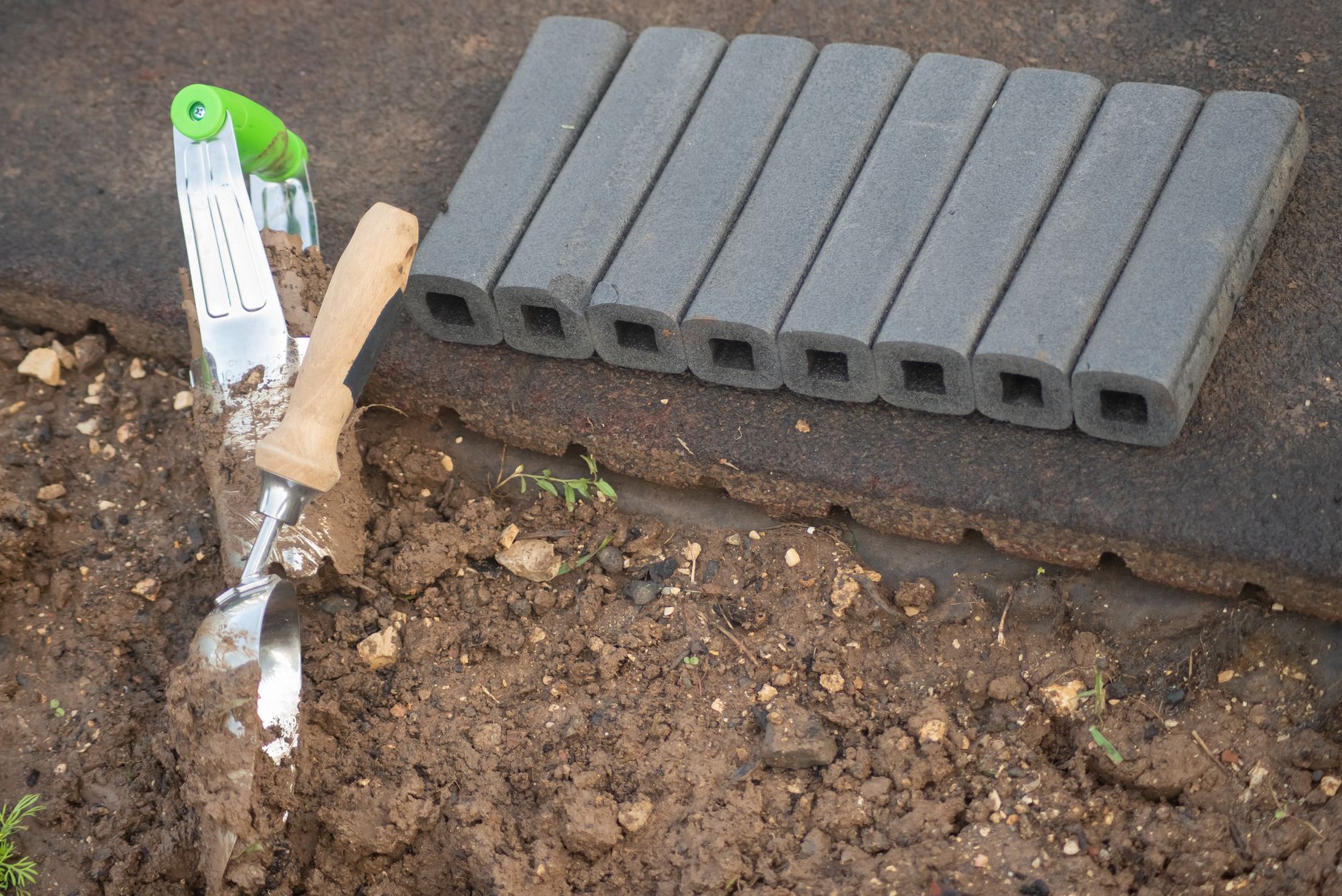
Photo by Kampus Production
Layout and design ideas
A great layout starts with the shape of the fire pit area. If you want an inviting, social space, consider a circular or hexagonal seating ring within a larger square or rectangular patio. For a simple DIY project, a single row of pavers around the fire pit can look clean, with a wider border to define the space.
Think about zones. The fire pit is the center, but don’t ignore seating. Plan for at least 4 feet of clear space around the pit for chairs and cushions. If you have a sloped yard, place the fire pit area on a flat, stable part of the patio or terrace to prevent shifting over time.
Color and texture matter. A light gray or tan paver can brighten a shaded area, while a dark charcoal can ground a larger space with deep tones. If your home uses warm woods or red brick, consider pavers that echo those hues for a cohesive look. Don’t be afraid to mix textures within the same color family. A slightly rough texture helps prevent slips when the ground is damp.
Pattern options. A simple running bond is easy to install and looks polished. Basket weave adds charm without complicating the cut list. If you want a more contemporary vibe, consider a modular pattern that uses two sizes of pavers in alternating rows. The key is planning the pattern on paper first, then marking out the layout on the ground with string or chalk.
Step-by-step installation guide
With the plan in place, you can turn the ideas into a finished space. This is the part that takes time but is very doable with patience and the right tools.
Prepare the site. Remove any grass, debris, and a shallow layer of topsoil from the area. A clean surface helps your base layer sit flat and stable. If your site has roots or rocks, pull them out to avoid gaps later.
Excavate to the base depth. The depth depends on your base and paver thickness. For most residential applications, a base around 4 to 6 inches deep works well. If you live in a region with frost, you may need a deeper base to prevent movement.
Install the base. Start with a geotextile fabric to keep dust and weeds from rising through the base. Add a layer of compactable gravel, then compact it with a plate compactor. The base should be level and firm. Run a long straightedge across the surface to check for high spots.
Add sand bedding. Lay a 1/2 to 3/4 inch bed of coarse sand or a polymeric sand base for smoother leveling. Use a straightedge and a level to ensure the surface is flat. A small amount of water helps settle the sand, but avoid washing out the joints.
Lay the pavers. Start at a fixed point like the edge of the pit and work outward. Place pavers with a slight gap for sand joints. Check alignment with a level and a straightedge as you go. Tap each paver gently with a rubber mallet to settle it into the sand bed.
Cut and fit as needed. Use a masonry saw or a hand saw with a diamond blade for precise cuts around the fire pit or along the edge. Dry fit pieces first to ensure a clean look.
Install edging restraints. Edge restraints keep the pavers from shifting. They’re especially important if the area has foot traffic or if the ground shifts with the seasons. Secure edging with spikes or clips.
Sweep in joint material. Fill the joints with polymeric sand or jointing sand. Sweep the sand across the pavers, then mist lightly with water. The moisture activates the binding agent in polymeric sand, helping lock the joints in place.
Compact and finalize. Run the plate compactor over the pavers again to settle them into the sand joints. Check for any high or low spots and adjust as needed. Add more sand to joints if gaps appear.
Add the fire pit ring and safety setup. If you’re using a separate fire pit, ensure it sits on non combustible material and has a stable base. Keep a safe clearance from any seating and greenery. Have a fire extinguisher or a bucket of water handy as a precaution.
Maintenance tips to keep it looking great
A paver patio is low maintenance, but a little care goes a long way. Rinse off dust and debris with a garden hose. If you notice weeds popping up in joints, reaggregate with more jointing material and recompact. In fall, sweep leaves promptly to prevent staining and staining from organic matter. If you live in a rainy area, a light sealing every couple of years can help protect the surface, but avoid sealing a paver that will be used for a fire pit on a frequent basis since the seal can trap heat and moisture in the joints.
Safety first when you use the space
A fire pit adds warmth and ambiance, but safety matters. Keep a safe radius around the pit clear of dry leaves, wood, or decorative fabrics. Use a spark screen if your pit is open and set it on a non combustible pad. Never leave a fire unattended and always fully extinguish flames before closing up for the night. If you have kids or pets, arrange seating so adults can monitor the fire and the children can enjoy the area safely.
Budget and time estimates
Costs vary with location, paver style, and the base you choose. Concrete pavers from Home Depot tend to be the most budget friendly option, while textured or natural stone pavers cost a bit more. The biggest savings come from a straightforward layout and a simple border. If you already own tools, your upfront investment drops further. Expect to spend on base material, sand, edging, and jointing sand beyond the pavers themselves. The time to complete will depend on the size of the area and your pace, but many DIYers finish the main installation in a weekend, with a second day reserved for refinements and sealing if desired.
A practical design checklist
- Define the pit as the focal point.
- Allow at least 4 feet of clearance for seating and movement.
- Choose pavers with heat resistance and easy maintenance.
- Plan a simple layout to minimize cuts.
- Use edging to lock in the surface.
- Include a non combustible surface under and around the fire pit.
Pro tips from seasoned DIYers
- Lay out the entire pattern with string before removing any soil. A dry run helps catch issues early.
- Use a level across several pavers at once to avoid a wobbly row.
- Place pavers with a slight offset to create a more natural look.
- If you’re unsure about the base, add an extra inch of gravel in the first layer. It buys extra stability.
- Keep a small supply of extra pavers for future repairs.
A design example you can copy
Imagine a circular fire pit with a 6-foot radius. Surround it with a 10 by 10 foot sleeping pad of pavers. Choose a warm gray for the pavers to complement a cedar fence and a charcoal metal fire pit. Lay the outer ring in a simple running bond pattern, with a neat 1/2 inch joint for the sand. The effect is timeless, functional, and easy to maintain.
Choosing the right time to start
Spring and early fall are ideal for outdoor projects because the weather is mild. You want dry days with moderate temperatures to make the base compact well and to allow the sand to settle evenly. If you’re working in a hot climate, plan early in the day to avoid heat fatigue and protect yourself from sun exposure.
Inspiring uses and placement ideas
- Pair with a shaded seating area and a small outdoor dining table to broaden the space.
- Add a zesty trellis or climbing plant nearby to frame the fire pit and soften the edges.
- Use pavers that echo an indoor tile look in a warmer tone to connect indoor and outdoor living areas.
- Install low voltage lighting around the border to extend the usability of the space after dark.
Maintenance and seasonal care
- Keep the surface free of leaves and debris that can stain pavers.
- Rinse periodically to keep dirt from building up.
- Check the joints after winter for movement and fill as needed.
- Reapply polymeric sand if weeds start to appear between joints.
Conclusion
A DIY fire pit area built with Home Depot pavers can transform your outdoor space into a warm, inviting retreat. Careful planning, the right tools, and a steady pace make the project approachable for DIY beginners and seasoned handyman alike. The result is a durable, attractive ground cover that frames a fire pit while keeping the space easy to maintain.
If you’re ready to start, take a moment to measure, sketch, and collect the materials. Use the simple layout ideas outlined here as a blueprint and adapt them to your yard’s shape and the home’s aesthetic. In the end, you’ll have a place where gatherings feel natural and conversations flow as easily as the flames crackle.
Thank you for reading. If you have questions or want to share your own Fire Pit makeovers, drop a note in the comments. Your experience could help someone else take on this project with confidence.