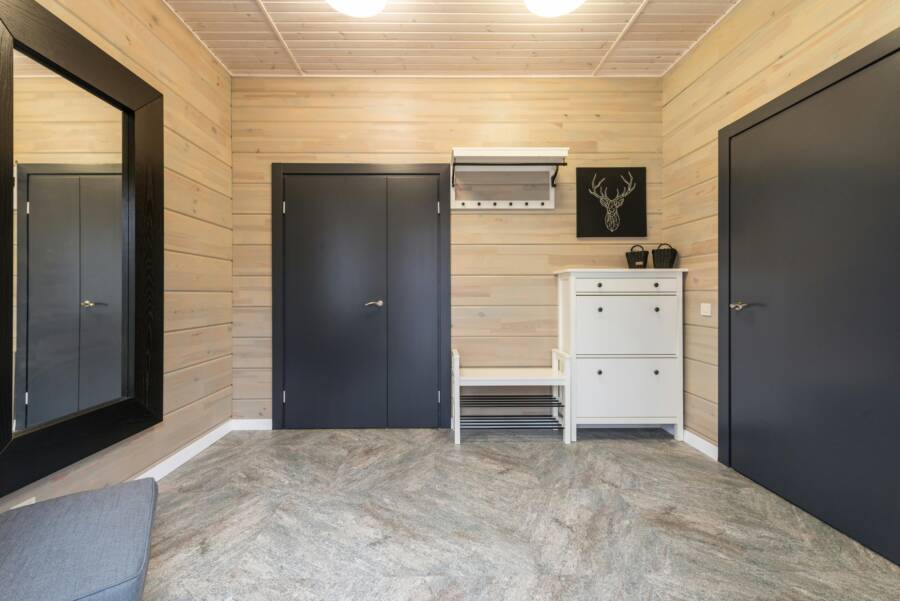
Your home deserves a sturdy first line of defense. The right deadbolt and door hardware can make a big difference in daily safety, curb appeal, and peace of mind. When you shop at Home Depot, you’re not just buying a lock you’re investing in a reliable system that fits your door, your style, and your budget. This guide walks you through the essentials, from types and finishes to installation tips and smart options, so you can choose with confidence.
Home Depot offers a broad range of deadbolts and door hardware from trusted brands. You’ll find classic mechanical locks that stand the test of time, as well as modern smart locks that add convenience without sacrificing security. Whether you’re outfitting a new front door or upgrading a tired interior set, this article helps you navigate finishes, compatibility, and practical considerations.
Why Home Depot is a go-to for door hardware
Choosing where to buy door hardware matters as much as picking the right lock. Home Depot blends selection, price, and guidance in a way that helps both DIYers and homeowners who crave a quick, reliable solution. Key benefits include:
- Broad selection: You’ll encounter standard deadbolts, security cylinders, and smart lock kits in a range of finishes and materials.
- Brand variety: From well-known names like Kwikset and Schlage to affordable Defiant options, there’s something for every door and budget.
- Readily available help: In-store associates and online resources help you compare features, sizes, and installation requirements.
- Clear guidance on fit: Many products come with clear door prep guidelines, backset measurements, and compatibility notes so you don’t buy the wrong piece.
This combination makes Home Depot a practical starting point whether you’re upgrading a single exterior door or outfitting an entire house. For the visual, a close-up look at a door handle and lock can help you understand real world hardware options.
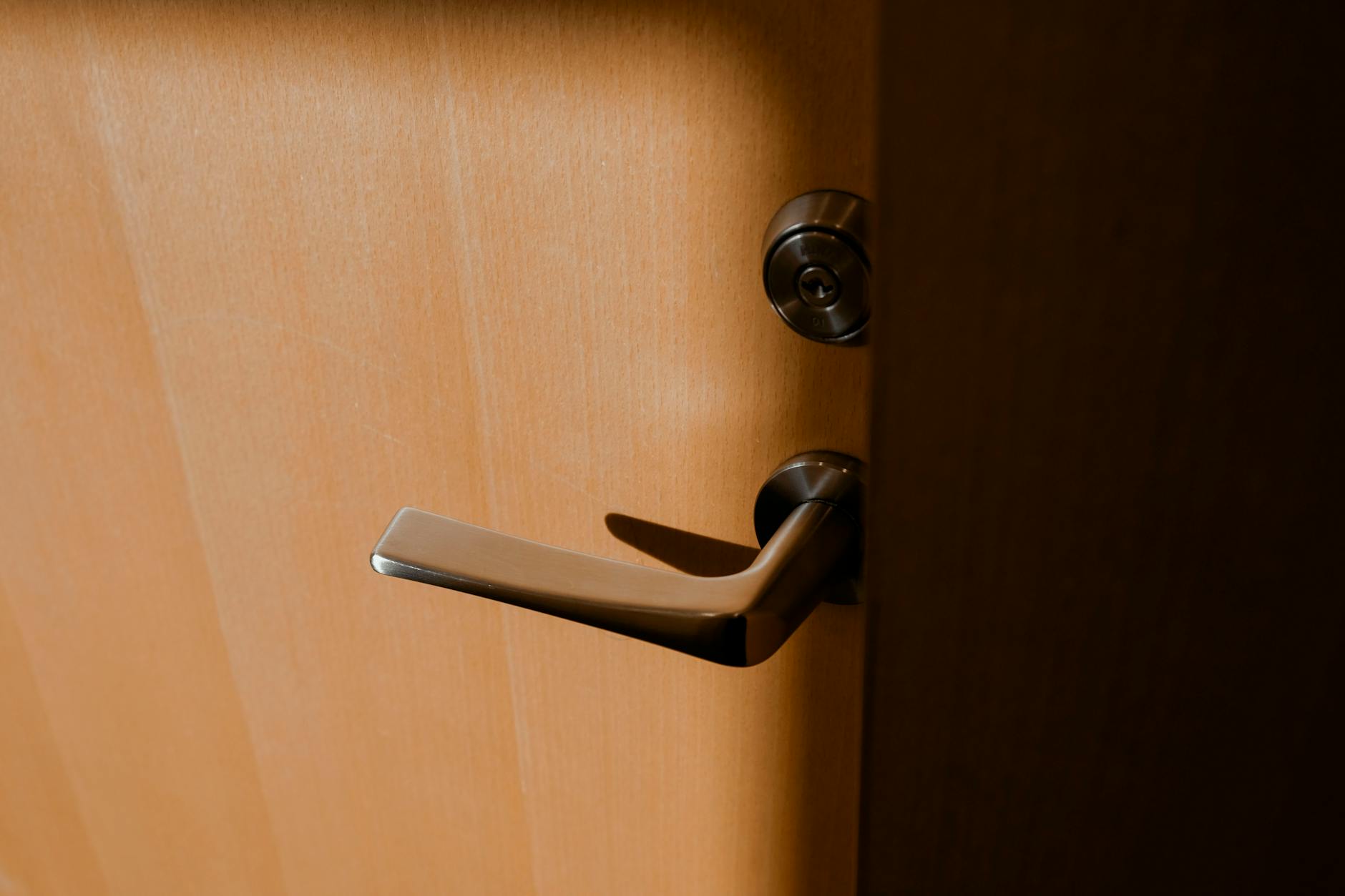 Photo by 𝗛&𝗖𝗢
Understanding deadbolt types and what they offer
Deadbolts come in several flavors, each suited to different doors and threat levels. Here are the main options you’ll encounter at Home Depot, along with their practical tradeoffs.
- Single cylinder deadbolts: The most common type for exterior doors. They have a key on the outside and a thumb turn on the inside. They’re quick to install and easy to use daily. If you have a glass panel on the door or a nearby window, a single cylinder might let someone see and tamper with the mechanism.
- Double cylinder deadbolts: A key turns on both sides of the door. This adds security for doors with glass panels or close proximity to windows, but it can be less convenient in an emergency because you need a key to exit from inside.
- ANSI grade levels: Look for Grade 1 or Grade 2 certifications for exterior doors. Grade 1 provides the highest level of security and durability, while Grade 2 offers solid performance for many homes. These standards help you compare products beyond the visible finish and price.
- Smart deadbolts: These locks pair mechanical hardware with electronic features. They can be controlled via an app, use a keypad, or support voice assistants. Smart options often offer auto locking, activity history, and temporary codes for guests. They require batteries and a compatible hub or network in some cases.
Choosing the right type depends on how you use the entry, your door construction, and how much you value convenience versus access control. If you’re securing a back door that opens to a patio with a glass panel, a double cylinder or a smart lock with a secure configuration can be a smart choice.
Finishes and materials that stand up to weather
The finish on your door hardware does more than look good. It influences durability, cleaning, and how well the hardware ages with your home. Here’s how to pick smartly.
- Satin nickel and polished chrome: Classic, versatile, and easy to match with most door colors and metals. These finishes resist fingerprints and work well on modern and traditional doors alike.
- Matte black: A popular contemporary choice that stands out against light doors and provides a bold contrast. It hides minor scuffs and fingerprints well.
- Oil rubbed bronze and antique brass: Warm tones that fit traditional or rustic styles. They pair nicely with wood doors and complement bronze or brass lighting fixtures.
- Weather considerations: Exterior hardware often needs corrosion resistance. Look for hinges and deadbolts rated for outdoor use, with finishes designed to resist moisture, salt air, and temperature swings.
Material matters too. Brass and stainless steel hold up well in many environments, while zinc or aluminum components can save cost on budget builds. For exterior doors, pick hardware with reinforced strike plates and longer screws to reach studs for added strength.
Smart locks and connected security options
Smart locks bring convenience without sacrificing security. They connect to phones or home hubs, and many models work with popular ecosystems. If you’re considering a smart option from Home Depot, keep these points in mind:
- Connectivity: Some locks rely on Bluetooth for local control, while others use WiFi to let you control them from anywhere. A few integrate with smart home hubs such as voice assistants, which can simplify routines.
- Power and reliability: Battery life ranges from several months to a year depending on usage. Have a plan for battery replacement or consider locks with low battery alerts.
- Access codes and guest management: Many smart locks support temporary codes for visitors and service people. You can revoke access at any time.
- Security basics: Look for features like anti tamper protections, reinforced strike plates, and firmware update capabilities. Avoid models with weak encryption or old protocols.
Home Depot stocks a mix of traditional mechanical units and smart lock kits from trusted brands. If you’re upgrading to smart security, start by choosing a model that fits your door prep and then verify compatibility with your home network.
Measuring, selecting, and installing with confidence
To ensure a proper fit, know your door measurements before you shop. A well fit lock provides better security and easier operation. Here are practical steps to prepare.
- Check backset: Most exterior doors use a 2 3/8 inch backset, but some doors use 2 3/4 inch backsets. If you’re unsure, measure from the edge of the door to the center of the bore.
- Door thickness: Standard residential doors fall between 1 3/8 and 1 3/4 inches thick. Heavier doors may require longer screws and a deeper strike plate.
- Bore and pre-drilled holes: Many doors come pre drilled. If not, you’ll need the correct hole pattern for a standard deadbolt and a separate latch.
- Strike plate alignment: The strike plate should sit flush with the door frame. If it sticks or is loose, the door may not latch properly.
DIY installation is feasible for many homeowners. Basic steps include removing the old hardware, aligning the new latch, drilling or guiding screws into the door frame, and then testing the lock with the key and the thumb turn. For smart locks, follow the manufacturer’s app setup steps to create codes, batch user access, and verify remote controls. If you’d rather not wrestle with tools, Home Depot can connect you with installation services in many areas or you can hire a licensed locksmith for a precise fit.
Design tips: matching hardware to your home style
The hardware you pick should harmonize with your home’s look. A subtle match can elevate the entire entry while a bold contrast can add personality. Consider these quick guidelines:
- Door color and finish: A darker finish on the lock often pairs well with a lighter door for high contrast; a lighter finish blends better on dark doors.
- Architectural style: Traditional homes look natural with brass or bronze tones; modern houses often benefit from satin nickel or matte black for a crisp, current vibe.
- Proportion and scale: Match the size of the lockset to the door width. A compact bolt on a wide door can look out of place, just as a heavy lock on a mini door can feel oversized.
- Hardware upgrading: If you’re replacing just the interior hardware, keep the outside lock’s finish consistent with porch lights or mail slots for cohesive curb appeal.
Maintenance and quick security checks
Keeping hardware in good condition is a small but important part of home safety. Simple habits save you trouble down the road.
- Regular lubrication: A tiny amount of graphite or a light lubricant on the moving parts keeps the bolt sliding smoothly. Wipe away any excess to prevent dust buildup.
- Battery checks for smart locks: Set reminders to check batteries before they fail. When a replacement is due, have spare batteries handy.
- Rekeying: If you lose a key or move into a new home, rekeying the deadbolt is a smart step. It’s a quick, affordable security measure that makes old keys useless.
- Weather protection: Exterior hardware benefits from weather seals and a brief wipe down during seasonal changes to remove dirt and moisture that can corrode finishes.
- Visual checks: Periodically inspect screws and strike plates. Tighten loose screws, and replace any damaged strike plates to preserve alignment and security.
Getting the most from your Home Depot visit
To make the most of your shopping trip, come prepared with a short list and your door measurements. Use the store’s staff as a resource; they can point you to compatible models and confirm backset requirements. If you’re shopping online, you can filter by finish, material, and grade to quickly narrow options. Reading customer reviews helps you understand real world performance beyond the spec sheet.
A practical note on safety and installation
Installing hardware on an exterior door is a practical DIY project for many homeowners, but it’s not one to rush. If you’re uncertain about your door’s construction or the presence of glass near the lock, consider a professional installation. A licensed locksmith can ensure the lock is properly aligned, the strike plate is reinforced, and the system provides optimal security for your entry.
Practical case for a Home Depot upgrade
Take a typical scenario: you’re preparing to sell a home or you’ve moved into a new place. A sturdy single cylinder deadbolt with a matching finish can immediately improve curb appeal and security. For doors with glass panels adjacent to the lock, a double cylinder or a smart lock with tamper resistance balances security with everyday ease. The right combination is not just about locking power; it’s about peace of mind and a door that fits your home’s personality.
Key takeaways for choosing the right hardware
- Start with the door: Exterior doors benefit from reinforced strike plates and longer screws; interior doors focus on smooth operation and quiet hardware.
- Decide between mechanical and smart: If you want remote control and access codes, a smart lock is worth the extra effort.
- Match the finish to your style: The finish should complement lighting fixtures, door color, and hardware elsewhere in the home.
- Verify fit before buying: Measure backset, door thickness, and bore size to avoid returns and delays.
- Prioritize security: Look for Grade 1 or 2 ratings for exterior hardware and choose models with strong strike plates and tamper resistance.
Conclusion
Upgrading your door hardware is a practical step toward a safer, more comfortable home. With a broad selection at Home Depot, you can compare styles, finishes, and technologies in one place. Start with a clear plan, measure accurately, and pick a system that matches how you use your home every day. If you want extra confidence, seek professional installation or expert guidance from store staff. A well chosen deadbolt and a thoughtfully selected door handle do more than keep weather out; they welcome guests with a secure, confident entry.
Photo by 𝗛&𝗖𝗢