He Was Drowning in Bills and Burnout Until a Simple Daily Ritual Rewired His Brain for Wealth in Less Than a Week
>>> Start Your Shift Today <<<

Ever notice how your phone stumbles during a boss fight or a fast escape scene? This guide shows you how to boost your phone performance for gaming, so you get smoother frame rates, less lag, cooler temps, and longer play time. It applies to both Android and iOS, so you can start with quick wins and then try deeper tweaks.
First, focus on simple, high-impact fixes. Close unused apps, enable a gaming mode if your device offers one, and keep your OS and games updated. Lowering in-game graphics just a notch can dramatically improve consistency without ruining the experience, especially on older devices. These quick moves set the baseline for a steadier performance.
If you’re ready for more, consider deeper tweaks that don’t sacrifice everyday use. Manage background processes, optimize battery settings for gaming, and keep the device well ventilated to prevent thermal throttling. With a couple of targeted adjustments, you’ll notice fewer stutters, more stable fps, and a more enjoyable mobile gaming session.
Get Top FPS Fast: Essential Settings That Make Your Phone Play Smoother
Smartphones handle gaming best when they allocate resources efficiently and minimize interruptions. In this section, you’ll learn practical, quick tweaks that lift frame rates and reduce stutter without sacrificing everyday usability. These steps are designed to work across most Android and iOS devices, with notes for cases where a label differs.
She Pressed Play on a Strange Audio Track and Within Days Her Financial Reality Started Shifting in Ways She Could Not Explain
>>> See How It Works <<<

Enable Game Mode and High Performance
Game mode, high performance mode, or a similar setting focuses the device’s resources on running games smoothly. When you enable it, the CPU and GPU get priority access, background tasks are throttled, and system animations may become lighter. The result is more stable frames per second and fewer drops during intense moments.
How to turn it on, in common places:
- Settings menus: Look for sections labeled Games, Game tools, Performance, or High performance. Enable the mode there. If you don’t see a dedicated label, try a broader setting like Advanced settings and toggle anything related to performance or gaming.
- Quick toggles: Some devices place a game mode switch in the notification shade or Control Center. A single tap turns it on for the current session.
Note that not every device uses the same label. In most cases, you’ll find a similar option described as “gaming mode” or “high performance.” If you can’t find it, search the Settings app for terms like “gaming,” “performance,” or “CPU priority.” For readers curious about practical steps, see guidance from industry coverage on how to optimize gaming performance and enable performance modes on various devices. How to optimize your smartphone for gaming provides a broad overview of enabling mode and related tips.
Key takeaway: turning on this mode helps stabilize FPS by giving your game a head start on system resources, which often translates to fewer frame drops and a smoother experience.
Close Background Apps and Disable Notifications
Background activity quietly sips memory and CPU cycles, which can translate to stutters in the game you’re playing. Closing unnecessary apps frees RAM and processing power for your game, while silencing interruptions keeps you in the moment.
Simple steps to reclaim resources:
- View recent or running apps: On Android, open the recent apps view and swipe away apps you aren’t using. On iPhone, double-click the Home button (or swipe up and hold on newer models) to reveal recent apps and remove those not in use.
- Close or pause background processes: If your device shows a list of apps, force stop or close those you don’t need during gaming.
- Enable Do Not Disturb or Focus modes: Turn on Do Not Disturb to silence calls and notifications during play. Focus modes (Android) or Focus assist (Windows-like naming on iOS) help keep distractions away.
These steps reduce interruptions and free system resources for the game. If you want a deeper dive into practical gaming optimization, see resources like how to optimize smartphone gaming, which covers turning on performance modes and minimizing background activity. How to optimize your smartphone for gaming offers practical, device-agnostic tips you can adopt today.
Optimize Display and Graphics Settings
Display and graphics choices have a direct impact on perceived smoothness. You don’t need a high-end device to see improvements by tuning settings smartly. Start with a few targeted tweaks and adjust based on the game’s performance.
What to adjust:
- Screen refresh rate: If your device supports higher refresh rates, try enabling a higher FPS mode when gaming. If you notice overheating or battery drain, switch to a fixed lower rate for extended sessions.
- In-game graphics presets: Many games offer presets like Low, Medium, High, or Performance. Choose Performance or adjust manually to favor frame rate over visuals.
- Resolution and effects: Lower the game’s resolution or render scale if supported. Disable motion smoothing or post-processing effects that are not essential to gameplay.
- Dynamic vs fixed FPS: Some devices allow dynamic FPS that adapts to performance; others perform best with a fixed target (e.g., 60 FPS). Test both approaches to see what yields steadier frames.
- Motion and V-Sync: Turn off motion smoothing and V-Sync if they introduce input delay or cap FPS unexpectedly.
These adjustments are device-agnostic and straightforward to apply. If you want a broader primer on getting the most from a device’s display while gaming, consider an overview that ties these settings to real-world performance. You can explore gaming optimization guidance in the linked resources, like the gaming-focused tips from Asurion.
Keep Software Updated for Best FPS
Software updates matter for performance as much as they do for features. OS updates bring stability improvements, bug fixes, and sometimes new performance enhancements that reduce stutter. Game updates can include optimizations or fixes for issues that affect frame rates on specific devices.
How to stay current without disruption:
- Enable automatic updates where safe: For OS updates, enable automatic downloads and prompts to install during off-peak hours. For apps and games, allow automatic updates when connected to Wi-Fi to minimize data use and interruptions.
- Check for game updates before long sessions: A quick check ensures you’re playing with the latest fixes and optimizations.
- Back up before major updates: Before applying a big OS or firmware update, back up important data to prevent any loss if something goes wrong.
Keeping software current is one of the simplest ways to reduce stutter and improve stability during gaming. For a practical reference on keeping devices ready for gaming, see the broader guidance on optimization and performance. How to optimize your smartphone for gaming includes tips on updates and maintenance that help smooth performance. Additionally, community discussions on enabling game modes can provide quick real-world tips for your specific device.
What’s next
With these four sections, you’ve got a solid baseline for smoother FPS on your phone. Implement each tip in small steps, then test the impact in your favorite games. If you’d like, I can tailor the recommendations to your exact device model and OS version, so you get precise, step-by-step instructions.
Keep Your Phone Cool and Safe While Gaming
Long gaming sessions can turn your device into a hot plate, which not only feels uncomfortable but can also throttle performance and reduce battery life. This section packs practical, easy-to-apply tips to keep your phone cool, maintain safe temperatures, and protect hardware while you chase high FPS. Whether you’re in a crowded room or outdoors, small changes add up to noticeably cooler gameplay and longer device life.
Smart Cooling Habits During Sessions
Keeping your phone cool starts with your setup and habits. Start by playing in a cool room and avoiding direct sun or heat sources. A calm environment helps the device shed heat more efficiently. When possible, place the phone on a flat surface during play; this improves airflow around the chassis and helps heat dissipate. If you’re in a warm spot, take short breaks after intense sequences to prevent heat buildup from stacking.
Holding the phone with two hands can spread heat more evenly and reduces pockets that trap warmth. Pocket heat is a real enemy during long sessions, so keep the device out of your jeans or jacket when gaming. A simple gamer stance—elbow supported, hands relaxed—cuts down on heat concentration in one area and lowers the risk of accidental drops due to sweaty thumbs. For extra protection, consider a lightweight cooling pad or a small, nonrestrictive stand that elevates the back of the device to improve air circulation. If you’re curious about practical, real-world tips, this guidance on keeping a phone cool in your environment can help you choose the right setup. Advice keeping phone cool in your environment
Key takeaway: consistent airflow and a comfortable grip reduce heat buildup and help maintain stable performance.
Power Profiles and Battery Health
Your device’s power profile is a guardrail for temperature and longevity. During gaming, use a mode that prioritizes performance or balance; this gives you smooth frames without extra strain. When you’re done playing, switch to a saver or battery-optimized profile to stretch life and limit heat from background tasks.
Keep an eye on battery temperature as you play. If it climbs past the manufacturer’s safe range, pause gaming and allow the device to cool. Prolonged high temperatures can degrade battery health over time. A simple routine like checking battery health in the settings menu and using the device’s built-in safety alerts helps you stay ahead of heat spikes. For readers who want a practical reference, compare performance modes and how they affect heat and battery life across devices to find your sweet spot.
- During play: choose Performance or Balanced mode.
- Off hours: switch to Battery Saver or a health-focused profile.
- Monitor: watch battery temperature and stop if it rises quickly.
Using the right profile not only safeguards the battery but also helps keep the device cooler during long sessions. For more on optimizing modes and battery health, consider broader guidance on keeping your smartphone ready for gaming. How to optimize your smartphone for gaming offers practical, device-agnostic tips you can apply now.
Charging While Gaming: Pros and Cons
Charging while gaming can be convenient but it introduces another heat source. If you game while plugged in, expect the device to warm more quickly, especially during graphically intense moments. If you must charge and game at the same time, prioritize a cool environment and a charger that manages heat well. Avoid long, endless sessions; instead, opt for shorter, controlled play to keep temperatures in check.
What If the Only Thing Between You and the Life You Deserve Is a Hidden Wealth Code Waiting to Be Activated
>>> Open the Door <<<

- Choose a charger with good heat management and a solid cable design.
- Play in a shaded area, on a hard surface, with good ventilation.
- Take breaks to let the battery cool, especially after intensive sequences.
General guidance favors limiting the amount of heat the system has to dissipate. If you want to read more about the tradeoffs of charging during gaming, you can explore broader tips on device cooling and charging. The linked article above provides practical context on how to handle charging while gaming without sacrificing too much play time. How to optimize smartphone gaming includes related notes on updates and maintenance that help keep temps in check. Additionally, consider source discussions on real-world device behavior to tailor your approach to your model.
What to remember
- Keep sessions cool with a comfortable setup and breaks.
- Use the right power profile to balance performance and battery health.
- If charging during play, keep sessions short and in a well ventilated area.
If you’d like, I can tailor these tips to your exact device model and OS version so you have precise, step-by-step instructions.
Free Up Space and Clean Up for Less Lag
A cluttered device can slow you down in the middle of a game. Freeing up space and trimming unused data helps your smartphone run smoother, reduces lag, and extends play sessions. In this section you’ll find practical, step by step actions to reclaim storage without losing important files.
Clear Cache and Uninstall Unused Apps
Clearing cache for essential apps can reclaim space and improve responsiveness, while removing unused apps keeps your device lean. Focus on data you actually need and preserve login credentials and important files.
Step-by-step approach:
- Identify apps with large cache or data footprints. Go to Settings > Apps and check storage usage.
- Clear cache for frequently used apps first. This removes temporary files that can accumulate over time without affecting your data.
- Uninstall apps you haven’t used in weeks. If you’re unsure, review last opened dates and feature lists to decide what’s unnecessary.
- Preserve important data. Before clearing caches, ensure any essential files are saved in cloud storage or backed up locally.
- Reassess monthly. Set a reminder to review apps and storage every 4–6 weeks to keep things tidy.
If you want a deeper dive into cache clearing on Android, this guide explains the exact steps for clearing cache by app and by device. It also highlights when clearing cache is most useful and when it isn’t necessary. How to clear your Android phone cache and say goodbye to slow performance
For readers curious about broader practices, you can see real world experiences and discussions about cache behavior in communities. PSA: Clearing Cache on Android boost performance 10 fold
Takeaway: cache cleanup and pruning unused apps reduces background activity and frees storage, which translates to snappier performance in games.
Free Up Storage for Games and Data
Games and large media files benefit most from being moved off the main storage pool when possible. Use cloud options and pay attention to where you install new games to keep room for updates and new titles.
Practical steps:
- Move media files to cloud storage or a computer. Photos, videos, and music can occupy a lot of space over time.
- Install games on the internal storage or SD card if supported. Check your device’s capacity and the game’s size before downloading.
- Use the cloud to back up progress and key saves. This protects your data and frees local space.
- Check available space before big updates or new games. A quick storage check can prevent failed downloads or slow updates.
If you want a broad look at managing storage on a range of devices, guides about optimizing smartphone storage cover both Android and iOS options and include cloud storage strategies. For readers exploring practical tips, this overview provides actionable ideas on updates and maintenance. How to optimize your smartphone for gaming includes tips on keeping space manageable and knowing when to move data off the device.
When you’ve cleared space and kept only what you need, you’ll notice smoother launches and fewer background delays during gaming sessions.
Update OS and Apps Regularly
Keeping your system and apps current is a simple, high-impact practice. Updates fix bugs, patch security holes, and often improve how efficiently resources are used during gaming.
What to do:
- Enable auto updates where safe. Turn on automatic OS updates and allow app updates over Wi Fi to minimize interruptions.
- Check for game updates before long sessions. Running the latest version ensures compatibility and performance tweaks.
- Back up before major updates. Save important data so you don’t lose progress if something goes wrong.
Regular updates reduce stutter and keep your device secure. You can read more about maintaining a smartphone for gaming in this practical guide. How to optimize your smartphone for gaming provides useful tips on updates and maintenance that help smooth performance.
He Was Drowning in Bills and Burnout Until a Simple Daily Ritual Rewired His Brain for Wealth in Less Than a Week
>>> Start Your Shift Today <<<
Key takeaway: staying current with OS and app updates closes performance gaps and strengthens device reliability during play.
What’s next
With these sub sections, you’ve got a practical plan to free up space and cut lag. Implement each step in small doses, then test how it affects your favorite titles. If you want, I can tailor instructions to your exact device model and OS version for precise, step by step guidance.
Boost Connectivity and Reduce Latency for Online Games
A smooth online gaming session hinges on solid connectivity. In this section, you’ll learn practical, quick wins to minimize lag and keep your gameplay fluid. From choosing the right Wi Fi band to choosing the best server for your location, these tips help you stay in the action without interruptions. Remember, small adjustments can make a big difference in how your matches feel.
Use a Stable Wi Fi Network and 5 GHz When Possible
Choosing a 5 GHz network can significantly lower latency and increase speeds compared to the 2.4 GHz band. The 5 GHz band has more available channels and less interference from common household devices, which translates to fewer ping spikes and smoother connections during fast-paced games. If your router supports both bands, connect your gaming device to the 5 GHz network for the best results.
Quick steps to connect to the best network and minimize interference:
- Check your router’s admin page to confirm a 5 GHz SSID is active, then join that network on your device.
- Prioritize a direct, single-band connection over mixed networks for gaming devices.
- Position your router centrally and away from walls or metal objects that can block signals.
- Limit nearby devices that compete for bandwidth during play, such as streaming boxes or multiple smart home gadgets.
- If possible, run a quick speed test on both bands and compare latency to see which delivers the lowest ping.
For deeper context on why 5 GHz can improve gaming latency and practical setup tips, you can refer to guides that compare 5 GHz and 2.4 GHz for gaming and explain how to optimize connections. See discussions and expert guidance here:
- https://www.junhaoyue.com/news/is-5ghz-good-for-gaming/
- https://www.quora.com/Does-it-matter-if-you-use-2-4-GHz-or-5-GHz-WiFi-for-gaming
- https://www.reddit.com/r/tmobileisp/comments/1ikfz9x/how_goodbad_is_online_gaming_latency_on_5g_home/
Key takeaway: 5 GHz offers higher speeds and lower interference, which translates to more reliable, lower-latency gameplay when you’re close to the router.
Minimize Latency by Limiting Background Network Use
Background apps quietly sip bandwidth and CPU cycles, often causing micro-stutters in online games. Reducing these tasks frees up headroom for your game and helps maintain consistent latency. In practice, disable apps that constantly update data and turn off VPNs unless you truly need them for a specific purpose.
Fast actions to reclaim bandwidth:
- Review running apps and background processes on your phone and PC. Close those you don’t need during play.
- Disable auto-sync for email, cloud backups, and social apps while gaming.
- Turn on Do Not Disturb or Focus modes to silence non essential alerts.
If you want a broader primer on reducing background activity for gaming, there are solid device-agnostic resources that cover enabling performance modes and minimizing interruptions. For additional context, this resource is useful: https://www.asurion.com/connect/tech-tips/optimize-smartphone-gaming/
Takeaway: less background activity means more stable frames and fewer unexpected lags during crucial moments.
Test and Choose the Best Server for Your Location
Server choice matters far more than many players realize. The server that is closest to you or least congested at a given time can dramatically reduce latency. A quick ping test helps identify the best option, and most games make switching servers easy.
Practical steps to find and switch to the best server:
- Run quick ping tests to multiple regional servers to compare latency. A simple ping command or built in latency checker in most games works well.
- Pick the server with the lowest average latency and minimal jitter.
- In popular multiplayer games, navigate to the server or region selection menu and switch to the optimized server. Do a quick match to verify stability.
- If you often play with friends from different regions, consider creating a private lobby that uses the lowest latency connection for the majority of players.
A practical ping-check method you can try at home:
- On a Windows PC or Android device, open a command prompt or terminal and type:
ping -c 4 [server address](replace with the server address you’re testing). - Note the average round trip time and packet loss. Choose the server with the smallest, most stable values.
If you’re curious about the quality gains from 5 GHz networks or specific server strategies, explore related discussions and guides:
- https://www.junhaoyue.com/news/is-5ghz-good-for-gaming/
- https://www.reddit.com/r/tmobileisp/comments/1ikfz9x/how_goodbad_is_online_gaming_latency_on_5g_home/
- https://www.quora.com/Does-it-matter-if-you-use-2-4-GHz-or-5-GHz-WiFi-for-gaming
Takeaway: testing multiple servers and selecting the lowest latency option can noticeably improve response times in competitive play.
By applying these steps, you’ll build a solid foundation for a stable, low latency gaming experience. If you’d like, I can tailor these recommendations to your exact device model and network setup so you get precise, step by step guidance.
Fine Tune Your Games and Gear for Maximum Joy
Small tweaks can deliver big smiles when you’re chasing smooth framerates and responsive controls. In this section, you’ll learn practical ways to tune your games and gear so you can enjoy more joy per minute of play. The tips stay device agnostic and work across Android and iOS, with simple checks you can perform in minutes. Think of it as a quick calibration before you dive into your next run or match.
 Photo by Huy Phan
In game Settings: Graphics, Frame Rate and Presets
Choosing the right graphics preset is the fastest way to balance visuals with performance. If you notice stuttering or sudden drops, switch to a lower preset such as Performance or Medium that prioritizes frame rate. You can always reallocate details later if the scene allows it. When your device handles the load well, you may even run a higher preset without sacrificing consistency.
- Start with a conservative preset: Low or Performance first, then test. If the frame rate stays steady, gradually raise textures or shadows to taste.
- Frame rate targets: Use a higher, stable cap if your device stays cool; otherwise fix the frame rate to a reliable number like 60 FPS to avoid dips during action.
- Anti aliasing and textures: Low to medium anti aliasing reduces jagged edges without hammering GPU power. Texture quality should match how often you view distant surfaces in the game. If you’re playing on a smaller screen, you can often push texture detail a notch higher without hurting frame rates.
Balancing visuals and performance is about what you can tolerate visually and what your device can sustain. If you want a practical overview of how to tune presets and frame rate for mobile titles, see industry guidance that covers dynamic adjustments during runtime and recommended target FPS. Optimize your mobile game performance: Expert tips on graphics and assets provides a solid baseline for understanding these choices.
Key takeaway: start with the simplest preset and a fixed FPS target, then adjust texture and anti aliasing to preserve both clarity and speed.
Use Gaming Accessories and Boosters
A good controller or game pad can dramatically change how you perceive responsiveness and comfort. Wired or Bluetooth gamepads keep latency low and provide reliable inputs, while trigger paddles map to quick actions without thumb fatigue. Accessories aren’t about adding clutter; they’re about streamlining your play space for consistent performance.
- Controllers and game pads: Opt for a device with low input latency and comfortable grips. If you play for long sessions, a wired connection often outperforms Bluetooth in stability.
- Trigger paddles and macros: For shooters or racing games, extra triggers reduce finger travel and speed up actions without moving your thumbs from the stick.
- Game launchers and boosters: Many devices offer game launchers or boosters that organize your games, optimize resource allocation, and block background tasks during play. These features help keep performance steady across titles.
Examples are practical and device-agnostic, focusing on how you can set up a reliable, responsive setup rather than promoting a single brand. For readers who want a broader view on optimizing your gadget ecosystem for gaming, explore guidance on enabling performance modes and fine-tuning input devices. The Best Settings to Optimize Graphics and Battery Life on Mobile offers device-agnostic tips for balancing visuals with power use.
Key takeaway: a good controller and a clean launcher workflow reduce friction and help your device stay focused on the game.
Manage Permissions and Notifications for a Cleaner Run
Permissions and notifications can quietly sap CPU and RAM if they’re constantly active in the background. A cleaner run means fewer interruptions and more headroom for your game. Review permissions on a per-app basis and limit non essential activity during gaming sessions.
- Limit notifications: Use Do Not Disturb or Focus modes to suppress non essential alerts during play.
- Restrict background access: Grant permissions only to apps that truly need them for core functions while gaming.
- Pause background services: Temporarily disable cloud sync, backup tasks, and location updates if they aren’t needed mid game.
A lean device runs smoother because fewer processes compete for CPU cycles and memory. If you’d like a broader reference, you can check practical guidance on optimizing smartphone gaming and managing permissions. How to optimize your smartphone for gaming covers updates and maintenance that support a cleaner, faster experience.
Key takeaway: fewer background activities means steadier frames and faster input responses.
Practical Tips for a Device-Agnostic Setup
- Run a quick baseline test after each change to measure impact.
- Keep a small list of favorite games so you can compare performance consistently.
- Use device-agnostic tips as a starting point, then tailor to your model and OS version.
If you want help tailoring these settings to your exact device, I can map out a precise step by step plan for your model and OS.
Image and Quick Reference
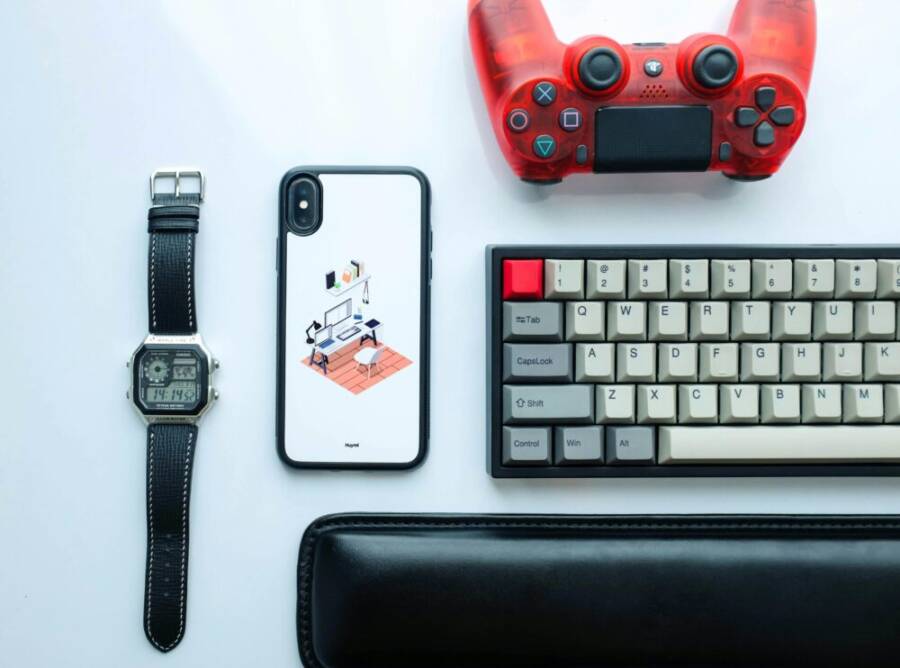
Sometimes a quick glance at a setup helps you decide what to tweak first. Consider arranging a compact gaming corner with a stand, a comfortable grip, and a reliable controller within easy reach. A tidy space supports quicker changes and less fatigue during long sessions.
- Quick check list: preset level, fixed FPS target, anti aliasing level, texture quality, Do Not Disturb on, background apps off.
- When to revisit: after major game updates, when you install new hardware, or if you notice any stutter during intense sequences.
If you’d like a consolidated guide, look for device specific tuning articles that walk you through enabling performance modes and testing frame rates. A good starting point is a practical guide to optimizing gaming on mobile devices. How to optimize your smartphone for gaming offers actionable steps you can follow now.
What’s next
With these practical adjustments, you should feel smoother gameplay and less distraction. If you share your device model and OS version, I’ll tailor these steps into a precise, step by step setup for you.
Images in this section
- Photo: Top view of modern gadgets including a smartphone, watch, game controller, and keyboard. Photo by Huy Phan on Pexels. https://www.pexels.com/@huy-phan-316220
Notes on performance and testing
- After applying a change, run a short session in a fast paced game to observe immediate impact.
- If a change worsens performance, revert and try a different approach. Not every tweak suits every device.
External resources for further reading
- Optimize your mobile game performance: Expert tips on graphics and assets: https://unity.com/blog/games/optimize-your-mobile-game-performance-expert-tips-on-graphics-and-assets
- The Best Settings to Optimize Graphics and Battery Life on Mobile: https://womzle.com/the-best-settings-to-optimize-graphics-and-battery-life-on-mobile/
What’s next
If you want, I can tailor recommendations to your exact device model and OS version for precise, step by step guidance.
Conclusion
Boosting phone performance for gaming comes down to a few clear moves done well. Start with a baseline by enabling game mode, closing background apps, and tuning display and graphics for steady FPS. Keep software up to date and manage cooling so your device can sustain longer play without throttling.
A practical, simple path is to pick one or two tips to test this week. Track the impact in your favorite games and adjust as needed. A smartphone can stay responsive with small, focused changes, so you can keep playing at your best.
If you enjoyed these steps, explore more guides on smartphone gaming and performance on iPro+ 知識酷. Share your results with the community or drop a note about which tip helped you the most.
She Pressed Play on a Strange Audio Track and Within Days Her Financial Reality Started Shifting in Ways She Could Not Explain
>>> See How It Works <<<