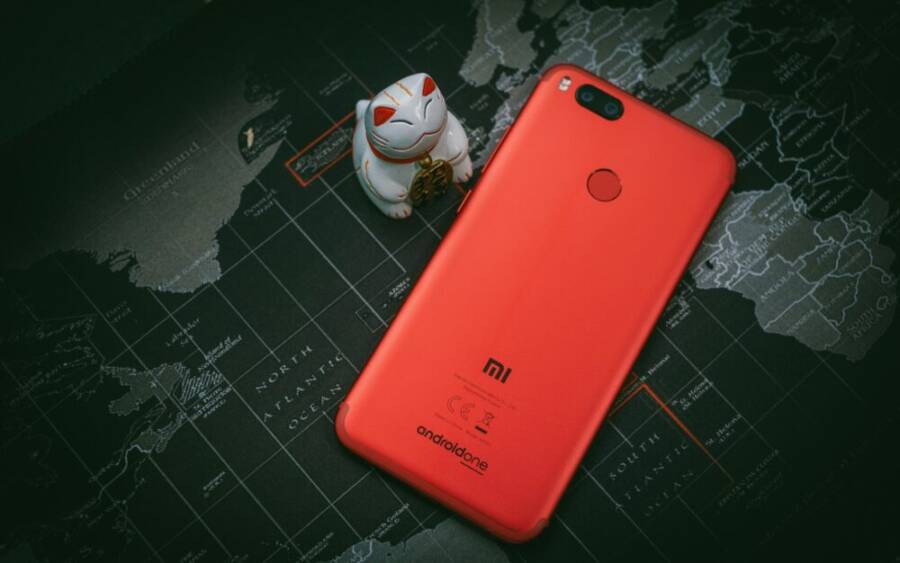
A good unlocked phone keeps you connected wherever you land, avoiding sticky roaming fees and hard-to-find Wi Fi. It lets you use local SIMs or eSIMs with ease, no matter the country you’re visiting. When you have one that works globally, travel feels lighter and more confident.
This quick guide highlights the best unlocked phones for international travel, focusing on global compatibility, dual SIM and eSIM support, strong battery life, and real value. You’ll see how these picks handle local data plans, regional networks, and everyday needs on the road.
By the end, you’ll know which unlocked phones fit different travel styles and budgets. We’ll cover options for premium performance, rugged reliability, and solid value, so you can choose with confidence.
What makes a great unlocked phone for international travel
Choosing the right unlocked phone means focusing on how it connects when you land, not just how it looks in a store. A great model stays reliable across different networks, supports local SIMs or eSIMs with ease, and survives long days of sightseeing. Below, you’ll find practical guidance on global compatibility, flexible SIM options, and rugged battery life that travelers value most.
Global network compatibility that travels with you
Broad band coverage matters because roaming fees can surprise you and local SIMs can save real money. Look for models that support a wide range of LTE bands and 5G bands, not just a few in the United States. A phone that lists global or multi-band support is more likely to work smoothly in both urban centers and rural areas. If you plan to stay in one region for an extended time, confirm the exact carrier lists for the country you’ll visit and for nearby countries where you might travel. This helps avoid situations where your device is technically capable but cannot connect to a local network.
When evaluating devices, consider the following travel-ready characteristics:
- Global/National band coverage: The model should explicitly support common bands used in major regions (North America, Europe, Asia).
- Real-world roaming performance: Some devices perform better on certain carriers due to either network code or band prioritization.
- Availability of regional variants: Some phones have international models that include broader band support and fewer regional limitations.
- Carrier lists you can verify quickly: Manufacturers often publish band compatibility charts or carrier lists for their global models. This saves time when you plan trips with multiple destinations.
For travelers who want concrete guidance, several reputable sources compile lists of unlocked, globally capable models and explain how dual SIM or eSIM configurations interact with local networks. See examples such as “Unlocked Smartphones For International Use” for a practical overview, and look for models that explicitly advertise broad band compatibility. This background helps you avoid devices with hidden regional restrictions. Unblocked, global-ready models provide a good starting point to compare widely compatible options.
If you’re weighing specific devices, check how every candidate stacks up against real-world use in regions you expect to visit. A model that supports both widespread LTE bands and mid-tier 5G spectrum will usually offer better roaming reliability and faster data, even on crowded trains, airports, and cafes. To get a sense of how these criteria translate into actual performance, review the latest buying guides and user tests from trusted outlets. For a broader view on what travelers consider when evaluating global compatibility, see curated guides that highlight unlocked, dual-SIM, and global-band ready picks. Best phones for international travel.
Flexible SIM options that save you money
Dual SIM and eSIM capabilities give you powerful flexibility without constantly swapping SIM cards. With a dual SIM phone, you can keep your home number on one slot while using a local data plan in the other. This setup is ideal for remote work or staying connected with family while exploring a new country. eSIMs take this a step further by letting you add data plans from local carriers, regional providers, or your home carrier, all without a physical sleeve swap.
Here are practical ways this plays out on the road:
- Local data, home number separate: Use a local SIM for data in one slot and keep your home or work line active on the other.
- Quick regional travel: Swap to a regional eSIM when you move between neighboring countries instead of carting multiple physical SIMs.
- Business continuity: Use an eSIM profile from your employer or a global plan in addition to a local data plan to stay reachable.
For a clearer picture of the benefits, consider reading up on the eSIM advantages for international travel. Apple’s guidance on traveling with eSIM explains why this approach can be safer and more convenient than physical SIM swapping. Use eSIM while traveling internationally with your iPhone.
Dual SIM and eSIM-ready devices span premium flagships to solid midrange options. If you want a deeper dive into the practical trade-offs, a number of travel-focused guides discuss how dual SIM phones can save you money and headache on international trips. 10 Benefits of Dual SIM Phones.
Battery life and durability for long trips
All-day battery life is non negotiable when your itinerary is packed from sunrise to late night. Look for phones with robust battery health indicators and efficient power management. Real-world tests often reveal that screens with higher refresh rates pull more power, so consider how you use the device daily. A well-optimized battery will get you through long sightseeing days, transit hops, and evenings out without needing a recharging stop every few hours.
Durability matters even more when you’re traveling. Think about a phone that can withstand occasional drops, rain, and dust. A sturdy frame, a reliable display, and good heat management in warmer climates help prevent performance dips during heavy use. If you expect rough transport or busy days at airports, a ruggedized or well-protected design can be a wise choice.
In practice, you want a phone that stays reliable after long flights and busy days. A model with dependable battery health, even after many charge cycles, helps you avoid anxiety around power outlets and charging stations. For additional context on how to choose between models with strong longevity, read guides that compare battery endurance across popular unlocked devices. This can be especially useful if you’re planning multiple trips or a long-term stay abroad.
Best Unlocked Phones for International Travel: Global Compatibility, Dual SIM Options, and Value
When you’re crossing borders, your phone should feel like a reliable travel buddy, not a hindrance. The right unlocked phone offers broad network compatibility, flexible SIM options, long battery life, and a camera you’ll actually want to share. Below you’ll find focused picks in three categories to help you match your travel style with a device that travels well. The goal is simple: fewer SIM hassles, more seamless connectivity, and better value.
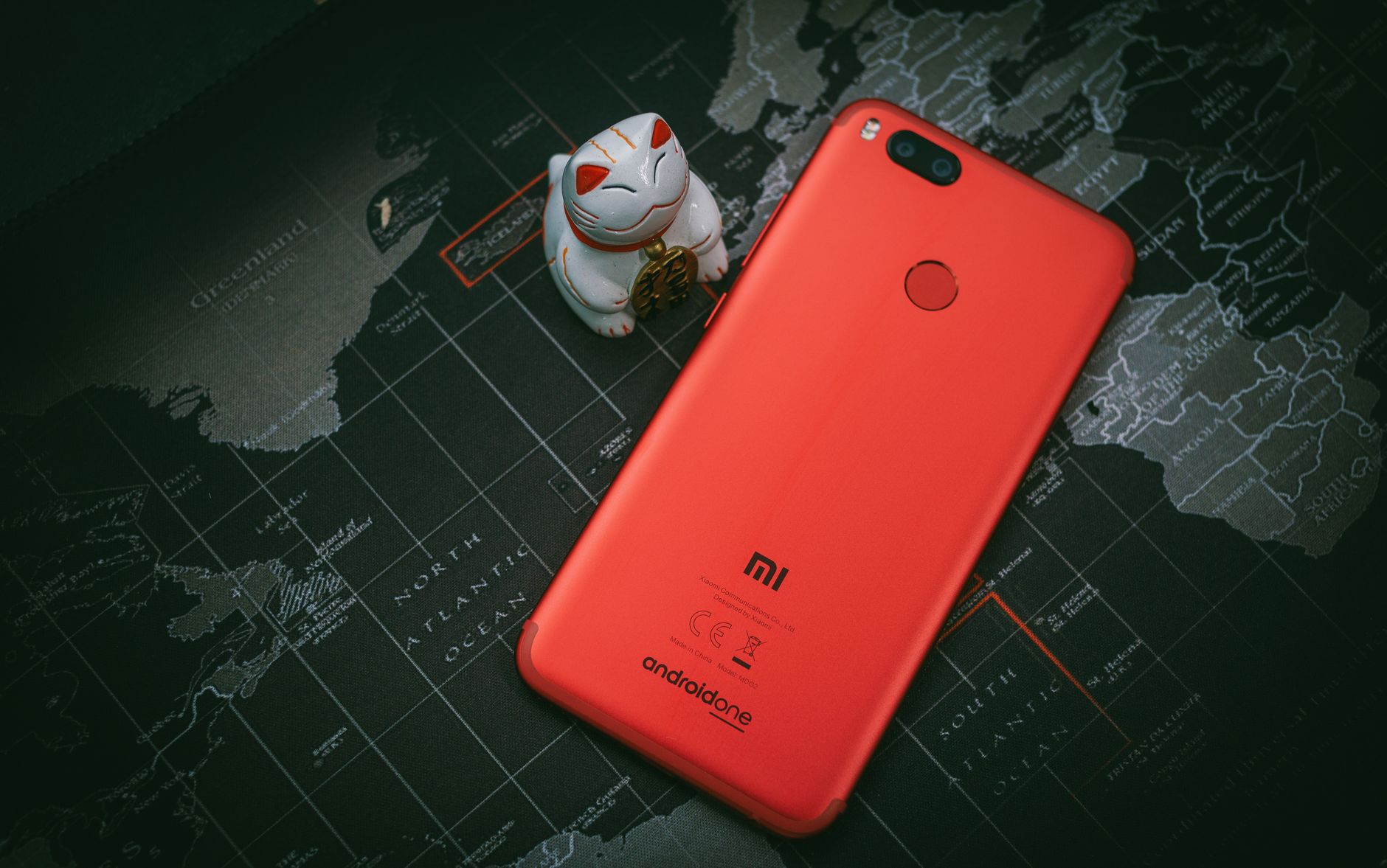 Photo by FOX ^.ᆽ.^= ∫
Best overall and high end picks
These models shine on trips because they pair top-tier performance with broad global compatibility. They’re ideal if you want the simplest setup, the best cameras, and the most capable wireless radios that stay current across regions.
- Google Pixel 10/Pixel 9a: The Pixel lineup tends to lead in software polish and camera quality. The Pixel 10 offers robust global band support and strong eSIM capabilities, making it a solid companion for travelers who want reliable photos and straightforward setup. The Pixel 9a remains a more budget-friendly option without sacrificing core travel features. For many, the Pixel line also ages well with software updates, a plus when you’re roaming for weeks at a time.
- Samsung Galaxy S25: A flagship that’s friendly to international travelers thanks to broad band support and robust radios. It handles both physical SIM and eSIM gracefully, delivering dependable performance from cities to remote stops. The camera system is versatile, and the battery endurance keeps pace with long days of sightseeing.
Why they shine on trips:
- Universal compatibility across major regions minimizes surprises on arrival.
- Dual SIM or eSIM options let you run a local data plan alongside your home line, avoiding expensive roaming.
- High-end cameras capture vibrant travel memories, from dawn light to night markets.
- Strong software support ensures you stay secure and productive on the road.
- For travelers who want a proven ecosystem with easy data plan setup, iPhones remain a trusted choice. iPhone devices generally offer straightforward eSIM management and broad international support, plus consistent software updates that improve security and reliability on the go. A quick setup with a local SIM and an eSIM profile can be faster than hunting for a physical card in unfamiliar shops.
Key note: When you’re comparing flagships, confirm the exact global model you’re buying. Some regions ship with different bands or limited regional compatibility. Always verify band support and carrier lists on the manufacturer’s site before purchasing.
External resources you may find helpful:
- Best phones for international travel: https://www.gojimobile.com/blog/the-best-phones-for-international-travel
- Unblocked, global-ready models: https://www.adorama.com/lists/unlocked-smartphones-for-international-use
Best value and budget options
Travel-friendly phones don’t have to break the bank. Here are options that provide solid performance and reliable connectivity without a premium price tag. Look for unlocked status first, followed by dual SIM or eSIM capability and good battery life.
- Samsung Galaxy A16 5G: A strong midrange choice with modern screens, decent cameras, and reliable performance. It supports dual SIM and offers a practical balance of features and price.
- OnePlus 13 (or Nord N30 as a budget alternative): The OnePlus 13 brings strong performance, solid battery life, and dual SIM support at a more approachable price. The Nord N30 caters to budget-conscious travelers who still want a dependable unlocked option with broad compatibility.
- Moto G (2025): A low-cost unlocked phone that covers essential travel needs. It’s an excellent entry point for first-time international travelers or light users who want to avoid premium pricing while staying connected abroad.
Why they’re good for travel:
- Unlocked and affordable means you can buy local SIMs or data plans without any lock-in.
- Dual SIM or eSIM support makes it easy to keep your home number while you explore.
- Battery life is solid for full days of roaming, transit, and sightseeing.
- Cameras handle everyday travel moments without demanding post-processing.
- Practical travel tip: if you’re primarily checking maps, messaging, and light photo tasks, these options will cover you well. If you rely on streaming or heavy apps, consider one step up to a midrange model with longer software support windows.
Useful links for budget-friendly picks:
- Unlocked smartphones for international use: https://www.adorama.com/lists/unlocked-smartphones-for-international-use
Best for iPhone users and Apple fans
Apple devices remain popular for international travelers due to easy eSIM integration, broad network compatibility, and predictable software updates. If you’re on iPhone, these options help you stay connected with minimal hassle.
- iPhone 15/14 family (unlocked, dual SIM capable): iPhones usually offer the most seamless setup for travelers. They consistently support a wide range of international networks and offer straightforward data plan activation. The combination of eSIM and physical SIM lets you switch between local plans and home service with ease.
- iPhone SE (3rd or 4th generation if available): For budget-conscious Apple fans, the SE line delivers solid performance in a compact package. It’s a great pick if you want an unlocked iPhone that won’t break the bank but still supports global bands and eSIM.
Why these are a fit for travelers:
- Broad international support and easy data plan setup reduce friction when you land.
- eSIM support enables quick activation without hunting for SIM trays or stores.
- Long software support cycles extend the usable life of your device on multiple trips.
- Apple’s ecosystem tends to offer straightforward app compatibility and reliable performance across regions.
Travelers who value a cohesive, predictable experience will appreciate the iPhone’s consistent software updates and broad carrier support. Always verify that the model you choose includes the regional bands you’ll rely on in your travel plans.
Additional reading on Apple’s eSIM travel guidance:
- Use eSIM while traveling internationally with your iPhone: https://support.apple.com/en-us/118227
Images and visuals can reinforce how a well chosen unlocked phone supports your adventures, showing travelers navigating markets, trains, and scenic routes with confidence.
Conclusion of this section: The best overall choices pair high-end performance with broad global compatibility, while value options deliver reliable connectivity without a premium price. iPhone fans gain smooth cross-border experiences through familiar software and eSIM flexibility, and budget-minded travelers get solid performance that respects their budget.
References and further reading:
- Unblocked, global-ready models: https://www.adorama.com/lists/unlocked-smartphones-for-international-use
- Best phones for international travel: https://www.gojimobile.com/blog/the-best-phones-for-international-travel
Note: When selecting a device for international travel, always confirm the exact model’s band coverage and the carrier lists provided by the manufacturer. This helps ensure your phone works smoothly from the moment you land. For travelers who want a quick scan of current top options, a reputable guide can be a helpful starting point to compare global compatibility and SIM configurations.
Practical buying guide for travelers
Choosing the right unlocked phone for international travel means focusing on real-world usability, not just specs. A well-chosen device stays connected across borders, works with local data plans, and keeps you productive on the road. This section gives you practical steps to verify compatibility before you buy and actionable tips for using unlocked phones abroad. It blends band checks, dual SIM decisions, and handy workflows so you can travel lighter and stay connected with confidence.
How to verify compatibility before you buy
Before you commit, confirm the phone will work where you plan to travel. Start with the bands that matter most in your destinations and compare them to the phone’s official specs. A quick check saves you from buying a device that looks good in the store but won’t connect once you land.
- Check global bands first: look for explicit support for major regions (North America, Europe, Asia). Phones that advertise global or multi-band compatibility are more reliable on the road.
- Compare with travel region lists: verify the exact carrier lists for the country you’ll visit and nearby places you might explore. This helps you spot gaps in support that could leave you offline.
- Confirm unlock status: ensure the device is fully unlocked and not tied to a specific carrier. Even a “unlocked” label can hide regional variants that restrict some networks.
- Use trusted band-check tools: reputable sources publish easy-to-use compatibility charts. For immediate reference, you can test a model against country-specific bands and networks.
When you want to verify quickly, turn to band-check resources that let you enter the model name and see current compatibility. For example, FrequencyCheck and Kimovil provide country-by-country and device-by-device views, and they’re helpful for a fast side-by-side comparison. See examples like FrequencyCheck’s country pages and Kimovil’s frequency checker to validate your choice against real-world networks. If you’re shopping with intention, read dedicated buying guides that compare global models and note whether a phone offers dual SIM or eSIM configurations. These details often decide how smoothly you’ll connect on day one of your trip. FrequencyCheck – Wireless Frequency Band Information by Country Kimovil – Will My Phone Work in USA? 4G and 5G bands in USA Best phones for international travel
If you’re weighing a specific device, confirm the model’s exact global variant before buying. Some regions ship with different bands or regional limitations. Always read the manufacturer’s band charts and carrier lists to avoid surprises after checkout. For a practical comparison, review current guides that focus on unlocked, dual SIM, and global-band ready options. Unblocked, global-ready models
To get a sense of how these criteria translate in real life, skim user tests and buying guides from trusted outlets. A phone with broad band support and robust radios will feel dependable from crowded airports to quiet rural stops. Best phones for international travel
Tips for using unlocked phones abroad
An unlocked phone shines when you can mix local data with your home line, without juggling multiple SIMs in the same tray. Here are practical tips to make the most of your device while traveling.
- Choose the right SIM configuration: dual SIM or eSIM gives you local data and your home number on one device. This lets you stay reachable while keeping data costs down.
- Decide between roaming and local plans: roaming can be convenient but pricey. Local data plans usually offer better value. If you have a dual SIM, keep your home line active on one slot and use a local data plan in the other.
- Get set up with eSIM: eSIMs simplify activation when you land. If your phone supports it, you can add a local eSIM profile in seconds instead of hunting for a SIM tray.
- Plan for data needs and coverage: in some countries, eSIMs from regional providers or local carriers may offer stronger coverage or cheaper data than your home operator.
- Monitor data usage to avoid overage: set data alerts or limits in your phone settings to prevent surprise charges.
- When you land, use a simple workflow to get online: connect to a local data plan, configure your preferred apps, and ensure you can receive messages on your home number for verification codes.
A practical workflow for buying a plan in a new country
- Check local options: search for the country’s major carriers and regional data providers.
- Compare plans: look at price, data allotment, and coverage in areas you’ll visit.
- Decide how to connect: pick a local SIM with a data focus or a regional eSIM with data plus voice.
- Activate immediately: insert the SIM or install the eSIM profile, then test data and calling.
- Save your plan details: keep the provider SIM card and plan info in a note for future trips.
- Reassess after a few days: if coverage isn’t meeting your needs, switch plans or providers.
For a deeper look at eSIM use while traveling, Apple provides clear guidance on adding and managing eSIM profiles on iPhone devices. This can save you time when you’re in unfamiliar shops or airports. Use eSIM while traveling internationally with your iPhone
If you want a quick read on dual SIM benefits from a traveler’s viewpoint, several guides explain how to save money and avoid stress on international trips. 10 Benefits of Dual SIM Phones
Keep a few essentials in mind as you roam: carry a small adapter kit, know the local SIM activation hours, and keep a photo of your plan details in case you need to re-activate. When you pick models with easy data plan setup, you’ll spend less time hunting for SIMs and more time exploring.
External resources you may find helpful:
- Unblocked, global-ready models: https://www.adorama.com/lists/unlocked-smartphones-for-international-use
- Best phones for international travel: https://www.gojimobile.com/blog/the-best-phones-for-international-travel
Images and visuals can reinforce how a well chosen unlocked phone supports your adventures, showing travelers navigating markets, trains, and scenic routes with confidence.
Conclusion of this section: The best overall choices pair high-end performance with broad global compatibility, while value options deliver reliable connectivity without a premium price. iPhone fans gain smooth cross-border experiences through familiar software and eSIM flexibility, and budget-minded travelers get solid performance that respects their budget.
References and further reading:
- Unblocked, global-ready models: https://www.adorama.com/lists/unlocked-smartphones-for-international-use
- Best phones for international travel: https://www.gojimobile.com/blog/the-best-phones-for-international-travel
Note: When selecting a device for international travel, always confirm the exact model’s band coverage and the carrier lists provided by the manufacturer. This helps ensure your phone works smoothly from the moment you land. For travelers who want a quick scan of current top options, a reputable guide can be a helpful starting point to compare global compatibility and SIM configurations.
What to expect in different regions
When you travel with an unlocked phone, you’ll notice how regions handle SIMs and data slightly differently. This section breaks down the US, Europe, and Asia to help you plan your setup before you land. You’ll get quick guidance on SIM cards, eSIM availability, and what most travelers can expect from local carriers.
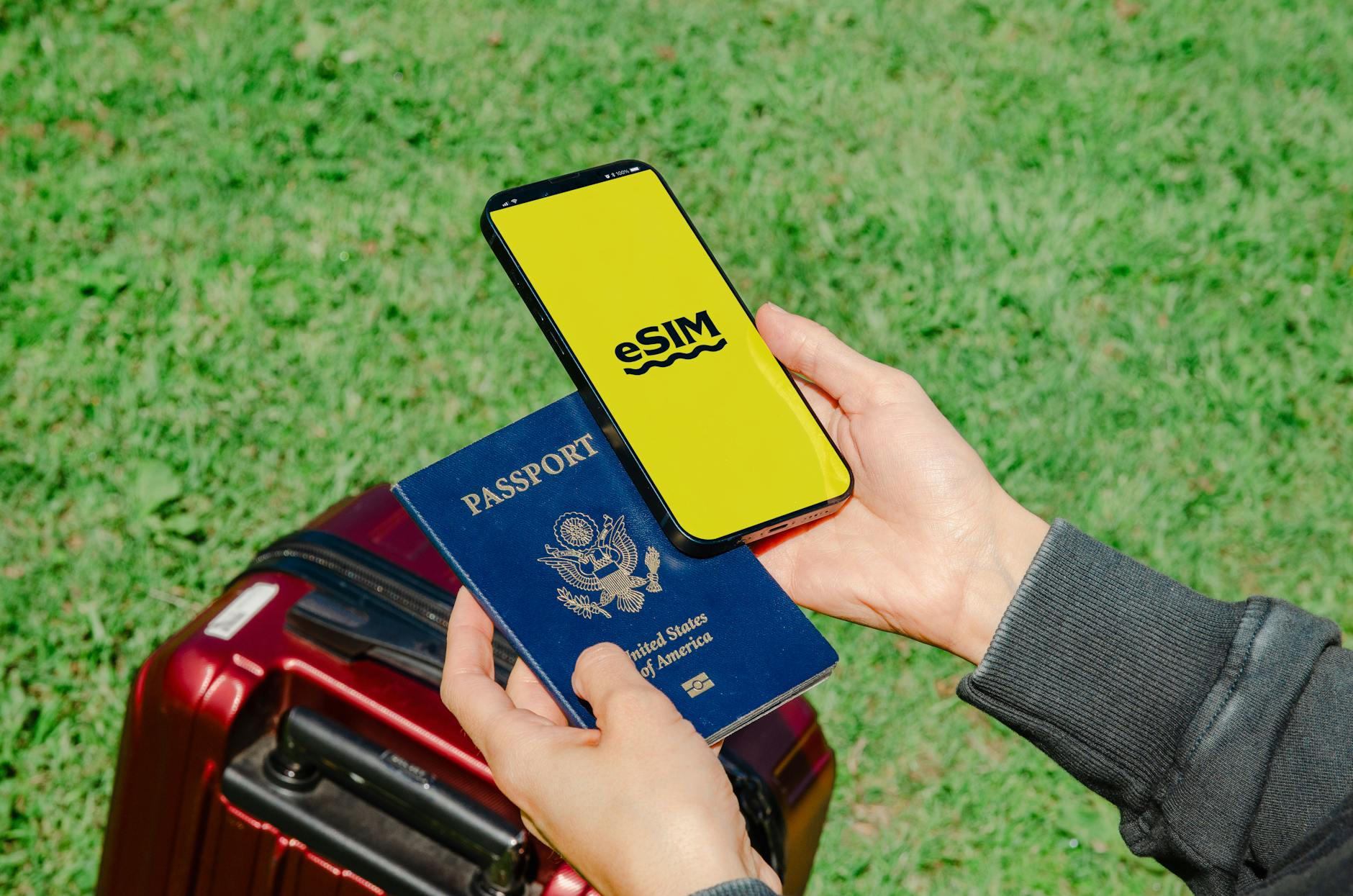 Photo by Jacob
US differences
- SIM cards: In the United States, physical SIMs remain widely available. You can buy prepaid data plans at many airports and retail stores, which makes short trips straightforward. If you’re staying with a single carrier, a SIM swap can still be convenient, but it’s often not the cheapest path for longer stays.
- eSIM availability: eSIM support is common on many newer devices and is increasingly offered by major carriers. eSIMs are handy for adding data plans without swapping physical cards, especially if you visit multiple cities or regions within the US.
- Carrier expectations for travelers: US carriers typically offer travel-friendly eSIM plans and short-term data passes. If you’re staying with home service, a local data plan paired with your home number on a dual-SIM device can minimize roaming charges. For a quick overview, see traveler-focused guides about eSIM plans and US carrier options.
External reading:
- Best phones for international travel: https://www.gojimobile.com/blog/the-best-phones-for-international-travel
- Unblocked, global-ready models: https://www.adorama.com/lists/unlocked-smartphones-for-international-use
EU (Europe) differences
- SIM cards: Europe shines for travelers because many countries use seamless cross-border options. Local prepaid SIMs are cheap and straightforward, and you’ll often find multi-country data SIMs that work across several nations.
- eSIM availability: eSIMs are very popular in Europe. Multi-country eSIM plans help you avoid buying new SIMs at every border, making a big difference on multi-country itineraries.
- Carrier expectations for travelers:Europeans tend to favor flexible data plans and easy activation. If you’re visiting multiple EU countries, an eSIM with regional data coverage can cut down on fuss and improve consistency.
External reading:
- Frequency and band checks for multi-country use: https://www.frequencycheck.com/countries
- Best phones for international travel: https://www.gojimobile.com/blog/the-best-phones-for-international-travel
Asia differences
- SIM cards: In many Asian countries, physical SIMs remain the most common option for data on arrival. Local carriers offer affordable data plans, and getting a SIM in-city is often quick and inexpensive.
- eSIM availability: eSIM adoption is expanding, especially in major cities and tech hubs. In places like Japan, South Korea, and Singapore, you’ll find it easier to activate an eSIM for data without swapping cards.
- Carrier expectations for travelers: Travelers frequently mix a local SIM for data with a home number via a secondary line. Regional or global eSIM options are growing, but you’ll still see strong value in buying local SIMs for the best price per GB.
External reading:
- International vs Local eSIMs: https://perceptivetravel.com/blog/2024/09/22/international-vs-local-esims/
- The best eSIMs I use as a full-time traveller: https://myvegantravels.com/travel-tips/best-esims/
Practical note: the right choice often comes down to plan length and route. In Europe, an eSIM with multi-country data can be the easiest path. In the US and many parts of Asia, local SIMs may offer the best price for single-country stays, with eSIM as a flexible add-on for quick trips.
External resources you may find useful:
- Unblocked, global-ready models: https://www.adorama.com/lists/unlocked-smartphones-for-international-use
- Best phones for international travel: https://www.gojimobile.com/blog/the-best-phones-for-international-travel
Images and visuals can reinforce how regional differences affect your setup. Use visuals showing travelers activating eSIMs, swapping SIMs, or scanning QR codes in diverse cityscapes to illustrate the workflow.
Summary takeaways
- The US leans toward readily available physical SIMs with growing eSIM support; expect traveler-friendly data options from carriers.
- Europe excels with cross-border data plans and widely adopted eSIMs, simplifying multi-country travel.
- Asia offers valuable local SIM pricing with increasing eSIM choices, making both options viable depending on the country and city.
- For many travelers, using an eSIM for data plus a local SIM for calls balances cost and convenience.
Tip for quick planning: if you often cross borders, look for a phone model that supports a wide range of bands and offers both dual SIM and eSIM capabilities. That flexibility pays off the moment you land in a new country.
Sources and further reading:
- Best phones for international travel: https://www.gojimobile.com/blog/the-best-phones-for-international-travel
- Unblocked, global-ready models: https://www.adorama.com/lists/unlocked-smartphones-for-international-use
Note: When choosing a device for travel, always verify the exact model’s band coverage and the carrier lists. This helps ensure you stay connected from the moment you land. For a quick scan of current top options, consult reputable buying guides that compare global models and SIM configurations.
Conclusion
Choosing an unlocked phone that fits your travel style, budget, and ecosystem makes every border feel closer. A device with broad global band support, eSIM options, and solid battery life keeps you connected without hunting for local SIMs. For iPhone fans and Android lovers alike, a capable all‑round model paired with local or regional data plans delivers the smoothest experience on the road.
If you’re comparing models, start by checking band coverage and the availability of dual SIM or eSIM features. A quick band check saves you time and money, and a current, unlocked smartphone will serve you well across many trips. Ready to compare options and verify band support before you buy?