She Pressed Play on a Strange Audio Track and Within Days Her Financial Reality Started Shifting in Ways She Could Not Explain
>>> See How It Works <<<

Rideshare drivers juggle several apps at once, and a dependable smartphone is the core of a smooth day on the road. This guide helps you pick a model that keeps Uber, Lyft, DoorDash, and navigation running without slowdowns or short battery life.
You’ll learn why long battery life, strong multitasking, accurate GPS, and a bright display matter when you’re switching between apps and checks for peak hours. We’ll also point to solid options that fit different budgets, from pragmatic Android phones to capable iPhones, so you can stay productive without breaking the bank.
What matters most when using multiple rideshare apps at once
Juggling Uber, Lyft, DoorDash, and navigation can turn a simple shift into a real battery drain and mental load. The right phone makes all the difference, from how long you can go between charges to how smoothly you switch between apps. In this section, we focus on the three pillars that matter most when you run multiple rideshare apps at once: long battery life, smooth multitasking, and GPS reliability. Each piece helps you stay productive, reduces downtime, and keeps you on track for peak-hour payouts.
 Photo by Erik Mclean
There Is a Frequency That the Wealthiest Families Have Used for Generations and Most People Will Never Know It Exists
>>> Open the Door <<<

Long battery life for long shifts
Rideshare shifts often stretch beyond a typical workday. You need a phone that can last through several pickups, map checks, and constant app activity. Target battery capacity should be in the 4500 to 5000 mAh range or higher for real-world reliability. Phones in this category tend to deliver all-day endurance with moderate to heavy use, especially when you pair them with practical power-saving habits.
Real-world usage often looks like this: a driver starts early, runs several routes, uses GPS navigation for turn-by-turn guidance, keeps multiple apps open in the background, and streams occasional music or podcasts while waiting for rides. In practice, a 4500–5000 mAh battery can easily cover a full shift with screens on and location services active. On the budget and mid-range side, devices like the Pixel 6a, Galaxy A54, and Moto G Stylus 5G offer solid all-day performance without needing a top-tier price tag. For drivers who run long, high-demand days, a premium option like the iPhone 15 Pro Max can shine with efficient hardware and long battery life, helping you minimize recharging stops during peak hours.
If you want real-world benchmarks, look for reviews that test battery life under typical gig-work scenarios. It helps to compare phones not just on capacity but on how efficiently they use that capacity with features like LTPO displays, efficient NPUs, and optimized background app management. For a driver, efficiency translates to more rides completed per charge, less downtime at charging stations, and higher daily earnings.
- Practical takeaway: prioritize a model with 4500 mAh or more, and enable battery saver modes during low-priority tasks to stretch each charge.
- Quick tip: carry a reliable car charger or portable power bank so you can top up during short breaks without missing rides.
Learn more about battery life considerations in modern smartphones
Smooth multitasking and app management
Running Uber, Lyft, DoorDash, and navigation apps simultaneously demands both memory and speed. A phone that handles multiple streams without lag keeps your routes accurate and your status updates timely. Key factors are RAM and processor speed. For reliable multitasking, look for at least 4–6 GB of RAM, with 6 GB or more offering noticeably smoother performance when several apps stay active in the background.
Processor choices matter too. A faster CPU reduces app-switch lag, improves map panning, and keeps live updates from stuttering as you move through city blocks. Foldable devices like the Galaxy Z Fold series or the Google Pixel Fold stand out for multitasking, thanks to their large inner displays and robust app-management capabilities. They excel at running several apps side by side, which helps you keep an eye on navigation while you accept rides and track earnings. Of course, foldables come with a higher price tag, so weigh the productivity gains against cost.
When planning a multitasking setup, consider how you typically use your phone during a shift. If you often split attention between navigation, order apps, and driver support chats, a device with ample RAM and a responsive processor will save time and reduce errors. In addition, prioritize software optimization: disable unused features, manage background activity for nonessential apps, and keep maps and ride-hailing apps updated to the latest versions for improved efficiency.
- Practical takeaway: start with 4–6 GB RAM for smooth multitasking; upgrade to 8 GB or more if you frequently run many background tasks.
- Quick tip: consider a foldable for a bigger work surface, but be mindful of cost and durability trade-offs.
Explore how folding phones perform for multitasking
GPS accuracy and reliable navigation
GPS accuracy is the backbone of reliable rides and timely pickups. Even a second or two of routing hesitation can shift a pickup to the wrong curb, forcing the rider to wait or cancel. Solid GPS helps Google Maps and Waze lock onto your position quickly, which translates into fewer misrouted drops and more accurate ETA estimates for passengers.
Devices with strong GPS performance tend to provide faster satellite locking, stable position updates, and reliable navigation in urban canyons where signals can bounce off tall buildings. For many drivers, Google Pixel devices and iPhone models consistently deliver dependable navigation performance, thanks to well-tuned GPS software and high-sensitivity receivers.
If you drive in areas with dense traffic or complex street grids, a device that maintains precise location tracking is worth the investment. Efficient GPS not only keeps you on the right route but also minimizes last-mile detours and reduces fuel or electricity waste. When possible, keep maps up to date and allow location services to use the highest precision setting on most maps apps. This improves routing suggestions and helps you stay on schedule during busy shifts.
- Practical takeaway: accurate GPS equals better ride timing and smoother routes.
- Quick tip: if you notice drift or misrouting, reset GPS by turning location off, then back on, or recalibrate in your map app settings.
Read more about GPS performance in modern smartphones
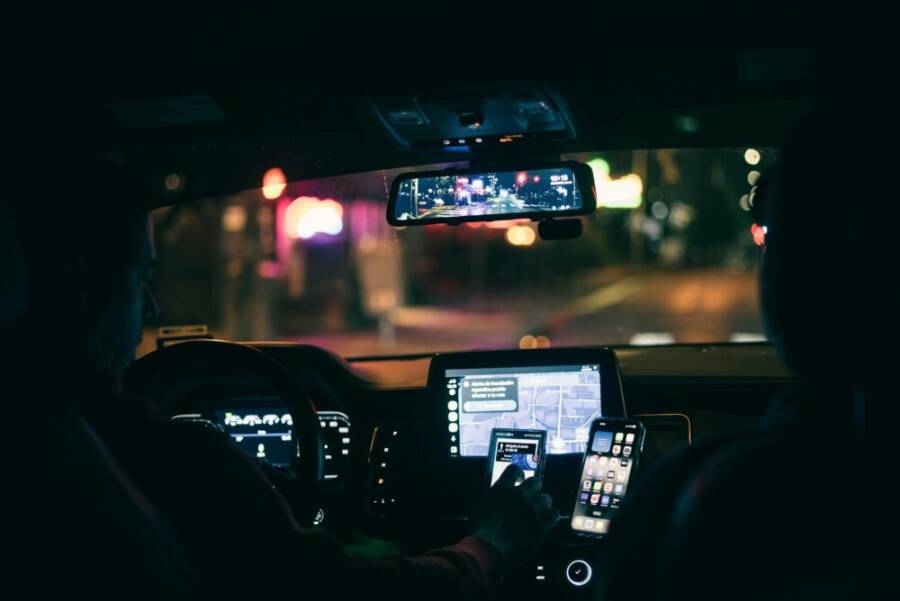
Images and visual cues can reinforce how these factors come together on the road. Consider a photo that shows a driver actively using maps on a large-screen device or a compact phone during a ride. Visuals should complement the practical focus of this section, not distract from it.
Photo by Erik Mclean
In sum, when you’re using multiple rideshare apps at once, you want a phone that can go the distance, juggle several tasks without stutter, and keep you on the right road with precise navigation. By prioritizing battery capacity, multitasking efficiency, and GPS reliability, you’ll reduce downtime, improve passenger satisfaction, and keep your day productive from first ride to last.
External links note: For additional perspective on foldable multitasking and battery life, these sources offer deeper dives into current devices and their performance in real-world scenarios. The Best Folding Phones We’ve Tested for 2025 | Best Foldable Phones in 2025
Best phone picks by budget and needs
Choosing the right phone for rideshare work means balancing price with real-world performance. Below, you’ll find focused picks for different budgets and needs. Each subsection highlights practical reasons to consider these models, how they perform with multiple apps, and quick tips to get the most from your device on long shifts.
Budget and solid value
If you want dependable performance without breaking the bank, these models offer solid endurance and capable app handling for a typical rideshare day. The Pixel 6a, Moto G Stylus 5G, and Samsung Galaxy A54 strike a practical balance between price, battery life, and reliable app performance. They handle Uber, Lyft, DoorDash, and navigation smoothly, while keeping costs in check.
- Pixel 6a: A strong value option with good battery life and clean software. It handles map apps, ride apps, and background tasks without quick battery drain, making it a reliable daily driver for budget-conscious drivers. For longer shifts, pair it with a car charger to keep pace with demand.
- Moto G Stylus 5G: Known for standout battery life and a helpful built-in stylus that can aid note taking or quick app jotting during lulls. It offers long stamina at a very reasonable price, plus dependable performance for multitasking between maps and orders.
- Galaxy A54: A balanced Android option with solid battery efficiency and a respectable display. It manages multiple apps in the background well, so you can keep navigation and orders visible without frequent pauses.
If you want extra context on how these devices perform in real-world tests, see reviews focusing on battery longevity and multitasking efficiency for budget smartphones. For example, reviews about the Pixel 6a’s value and battery behavior are insightful for drivers who need predictable daily endurance. Google Pixel 6a battery and performance insights
For those who prioritize battery longevity in a budget package, the Moto G Stylus 5G and Galaxy A54 frequently appear in testing as leaders in all-day endurance among mid-range devices. Moto G Stylus 5G (2024) review highlights battery life
He Was Drowning in Bills and Burnout Until a Simple Daily Ritual Rewired His Brain for Wealth in Less Than a Week
>>> Start Your Shift Today <<<

Practical takeaway: aim for a model that can comfortably cover a full shift with GPS on and maps running. Pair with a portable charger or car charger to minimize downtime between rides.
Top multitasking performance
Drivers who juggle several apps at once need a phone that can keep up with heavy multitasking. Priorities are ample RAM, fast processing, and a large, readable display for simultaneous app viewing. The iPhone 15 Pro and foldables like the Galaxy Z Fold 6 or Google Pixel Fold stand out for their multitasking prowess, offering smoother app switching and richer workflows when you run several apps side by side.
- iPhone 15 Pro: Excellent app management with iOS efficiency, long battery life, and strong GPS. It handles multiple ride apps, navigation, and communication apps with minimal lag. The large ecosystem also helps with quick updates and reliable performance on busy days.
- Samsung Galaxy Z Fold 6: A big work surface with a robust multitasking experience. Split-screen apps, one-handed use, and a responsive display make it a top choice for drivers who routinely monitor maps, orders, and chat windows at once.
- Google Pixel Fold: Combines large real estate with clean software and efficient background management. It runs several apps without crowding memory, making it easier to keep tabs on routes while accepting new rides.
If you mostly work in urban settings with dense app use, these devices provide a practical edge. They reduce the time you spend swiping between apps and improve the reliability of live updates, ETA estimates, and earnings tracking.
- Practical takeaway: prioritize devices with 8 GB RAM or more if you frequently keep many apps open in the background.
- Quick tip: consider a foldable if your work routine benefits from a larger work surface; weigh durability and price against productivity gains.
For readers curious about folding phones and multitasking, this PCMag roundup dives into how folding devices perform in real-world tasks. The Best Folding Phones We’ve Tested for 2025
In practice, a larger display and strong multitasking chops translate to fewer missed updates and faster shifts between routes, which can add up to meaningful earnings over a week.
Best for Apple users and GPS reliability
If you’re deeply invested in the Apple ecosystem or rely on iOS navigation and app stability, iPhone models remain a dependable workhorse. The iPhone 13 and the iPhone 15 Pro family deliver strong app management, battery efficiency, and GPS accuracy—keys for drivers who depend on Apple Maps, Waze, and other iOS-based services.
- iPhone 13: A solid choice if you want a more affordable entry into iOS power without sacrificing GPS reliability and battery efficiency. It handles maps and rideshare apps with confidence, and iOS optimization helps background tasks stay snappy.
- iPhone 15 Pro: Top-tier performance, refined battery life, and precise GPS. It shines for drivers who run multiple apps, especially when you use Apple’s ecosystem features like Siri workflows and seamless app handoffs.
- iPhone 15 Pro Max: If you want the longest battery life in an iPhone and the best display for clearly reading maps in bright daylight, this model stays reliable through long shifts and heavy app usage.
For drivers already invested in iOS, sticking with the iPhone family often yields smoother app management and GPS consistency. It’s also helpful to keep maps and ride-hailing apps updated to ensure you benefit from ongoing location accuracy improvements.
There Is a Frequency That the Wealthiest Families Have Used for Generations and Most People Will Never Know It Exists
>>> Open the Door <<<
- Practical takeaway: if you rely on Apple ecosystem features, an iPhone from the 13 series onward delivers reliable performance with strong GPS.
- Quick tip: enable high-accuracy location settings and keep navigation apps on the latest versions to maximize routing precision.
External links note: For additional perspective on foldable multitasking and battery life, these sources offer deeper dives into current devices and their performance in real-world scenarios. The Best Folding Phones We’ve Tested for 2025 | Best Foldable Phones in 2025
Images and visual cues can reinforce how these factors come together on the road. Consider a photo that shows a driver actively using maps on a large-screen device or a compact phone during a ride. Visuals should complement the practical focus of this section, not distract from it.
Photo by Erik Mclean
In sum, the phone you choose should align with how you work. If you need peak multitasking, choose a device with a big display and strong RAM. If GPS reliability is your main priority, opt for a model with proven navigation accuracy and robust location services. And if you’re already in the Apple ecosystem, stick to iPhone models that balance performance with battery efficiency to keep you on the road longer between charges.
Final tips for choosing your phone
Choosing the right phone is a practical investment in your daily efficiency. When you drive for multiple apps, the goal is simple: a device that lasts, stays responsive, and keeps you on the map. This section rounds up practical, no-nonsense tips to help you pick a smartphone that fits your shifts and budget. Think of it as a quick checklist you can use before you buy.
Battery life that actually lasts a shift
Your phone should outlive a typical driving day. Look for models with large battery capacity and efficient hardware. In real-world terms, aim for 4500 mAh or more, and favor devices with software features that stretch juice without sacrificing performance. If you’re often switching between navigation, ride apps, and music, a long-lasting battery matters more than a flashy camera.
- Practical move: pair any mid-range model with a reliable car charger or portable power bank to cover peak-hour bursts.
- Quick win: enable battery saver modes during low-priority tasks to squeeze more mileage from each charge.
For deeper context on battery performance across modern smartphones, see battery life analyses in mainstream reviews. The Best Folding Phones We’ve Tested for 2025
Multitasking that doesn’t slow you down
Juggling Uber, Lyft, DoorDash, and navigation means your phone should manage several apps without stuttering. Prioritize RAM and CPU speed, and consider a display that makes it easy to view maps and order screens at a glance. If you frequently run multiple apps in the background, 8 GB of RAM is a solid capstone, with 6 GB being the minimum for smoother performance.
- Practical move: review real-world multitasking reviews for devices you’re considering; those tests show how well background apps are kept alive.
- Quick win: close nonessential apps and keep maps and driver apps updated to the latest versions to minimize lag.
If you want broader context on folding devices that excel in multitasking, check out folding-phone roundups that compare real-world performance. The Best Folding Phones We’ve Tested for 2025
GPS reliability you can trust
Accurate location and steady navigation cut down on wait times and misrouted pickups. The right phone locks onto satellites quickly and holds position even in urban canyons. While software optimization helps, the hardware matters too—sensitive GPS receivers and efficient location polling keep you on track.
- Practical move: keep maps set to the highest precision available and ensure location permissions are granted for background navigation.
- Quick win: if you notice drift, reset the GPS by toggling location services off and on, or recalibrate in your map app.
For drivers who care about GPS performance in context, some devices consistently perform well in navigation tasks. For broader insight on how folding devices handle navigation and multitasking, you can explore industry reviews. The Best Folding Phones We’ve Tested for 2025
Platform ecosystem and app stability
If you’re invested in a particular ecosystem, your phone should complement it rather than create friction. iPhone users often report reliable app management and strong GPS consistency, while Android devices can offer greater flexibility and value at various price points. The key is to choose a device where the ride apps, navigation, and messaging tools run smoothly together, with predictable software updates and good long-term support.
- Practical takeaway: pick a device from the ecosystem you know best, and make sure your essential apps have up-to-date versions and good back-end support.
- Quick tip: review the minimum OS requirements for your go-to apps to avoid compatibility headaches.
For readers weighing foldables and large displays as a productivity boost, consider how a bigger work surface might help you monitor maps, chats, and ride requests at a glance. Folding devices have shown real benefits in multitasking tests, though you should weigh durability and price against productivity gains. The Best Folding Phones We’ve Tested for 2025
Durability and everyday practicality
Rideshare life involves a lot of handling, heat, damp days, and charging breaks. Durability is about more than a splash-proof rating; it’s about screen resilience, battery health over time, and reliability in quick charging scenarios. A practical approach is to choose a phone with a sturdy build, good thermal management, and a dependable charging ecosystem.
- Practical takeaway: if you’re often in hot or dusty environments, a device with robust thermals and a solid case matters.
- Quick tip: invest in a screen protector and a rugged case to extend the phone’s life on the road.
If you’re curious about how different devices perform under real-world conditions, foldable and non-foldable comparisons offer useful perspectives. The Best Folding Phones We’ve Tested for 2025
Carrier compatibility and network considerations
Strong cellular coverage is the backbone of timely pickups. Before buying, confirm your chosen phone works well with your carrier’s network bands and features like VoLTE and Wi‑Fi calling if available. This can avoid surprises when you switch between city centers and suburbs.
- Practical takeaway: check carrier
Conclusion
For rideshare drivers juggling multiple apps, the right smartphone means longer shifts with fewer interruptions. Prioritize battery life, smooth multitasking, and reliable GPS to keep Uber, Lyft, DoorDash, and maps flowing without slowdowns. The best picks span budget to premium, from the Google Pixel 7a to the iPhone 15 Pro Max and the Samsung Galaxy S24 Ultra, with foldables offering a larger work surface if you value multitasking space. Tell us what phones you’ve tried in the field and how your setup handles local app workloads and charging on the road.
She Pressed Play on a Strange Audio Track and Within Days Her Financial Reality Started Shifting in Ways She Could Not Explain
>>> See How It Works <<<