He Was Drowning in Bills and Burnout Until a Simple Daily Ritual Rewired His Brain for Wealth in Less Than a Week
>>> Start Your Shift Today <<<

What makes a phone truly shine for podcast listeners and audiobook lovers comes down to three things: battery life you can trust, clear, immersive audio, and fast access to your favorite apps like Spotify, Audible, and Apple Podcasts. If you’re commuting, traveling, or listening hands free around the house, every minute of battery and every shuttered moment of lag matters.
This guide shines a light on how to choose a phone that fits your listening habits. We’ll compare battery endurance, audio quality, storage options, and app performance so you can pick a device that keeps up with long listening sessions and a busy schedule. You’ll learn how small design choices, like a headphone jack or high quality speakers, can impact everyday listening.
By the end, you’ll have a clear sense of which phones deliver the best balance of sound, stamina, and ease of use for podcast fans and audiobook enthusiasts. Whether you listen mostly on the go or while multitasking at home, you’ll find practical tips to help you choose confidently.
What makes a great phone for podcasts and audiobooks
Choosing a phone for long listening sessions means focusing on three core strengths: stamina, audio quality, and how smoothly the apps run. A device that lasts through your commute, travels with you on flights, and handles offline downloads without stalling will feel like a natural extension of your daily routine. In this section, you’ll discover practical reasons why battery life, sound delivery, and app performance matter, and how to evaluate them when you shop.
There Is a Frequency That the Wealthiest Families Have Used for Generations and Most People Will Never Know It Exists
>>> Open the Door <<<

Long lasting battery that keeps up with hours of listening
Battery endurance is the backbone of a reliable listening habit. If you rely on podcasts to fill a long car ride or want to finish a book before bed, you need a phone that won’t quit halfway through. Real-world use tends to show that:
- Typical podcast playback can range from 8 to 12 hours on a single charge depending on screen usage, volume, and wireless connections.
- For a full workday of listening during commutes and tasks, you’ll want a phone that comfortably covers 10–12 hours of continuous audio with some extra cushion for light browsing.
- Long flights or multi-day trips become practical with phones that support efficient streaming and solid offline playback. An extra day’s listening is a real convenience when you can download before you travel and not worry about recharging mid-journey.
To get the best battery experience, look for phones with adaptive brightness, efficient processors, and software that minimizes background activity when you’re listening. Battery can be a quiet advantage that keeps you in the flow without hunting for a charger.
Helpful context from the broader tech landscape shows that listening modes and Bluetooth use influence consumption. For example, reading about how different listening modes affect battery life can help you set expectations and plan charging breaks accordingly. For more on how listening habits impact energy use, see sources that compare end-to-end energy behavior across devices and scenarios.https://greenspector.com/en/which-listening-mode-takes-the-most-energy/
Clear speakers and solid headphone support
Great podcasts and audiobooks are as much about how you hear them as what you hear. Phones with clear, evenly balanced speakers let you enjoy narration and dialogue even without headphones. When you do use wireless earphones or over-ear headphones, reliable Bluetooth performance becomes essential. Here are the practical factors to consider:
- Built-in speakers should deliver enough volume without distortion at typical listening distances. A clean, crisp playback ensures you don’t miss subtle tones or important pauses in narration.
- Headphone support matters just as much as speakers. A phone that pairs quickly and stays stable with your wireless gear reduces interruptions during long listening sessions.
- Bluetooth codecs determine how the audio is transmitted. Different codecs compress audio in slightly different ways, which can influence sound quality and stability. In plain terms, a better codec can provide richer sound with fewer dropouts, especially when you’re moving or in crowded spaces.
Understanding codecs helps a lot in practice. A codec like AAC or LDAC can improve sound quality with compatible devices, while others like SBC may be more common but offer less fidelity. It’s not only about the raw bitrate; compatibility with your headphones and how the phone handles wireless connections matters as well. For a straightforward overview of what Bluetooth codecs do and how they affect listening, check reputable explanations from audio-focused guides.https://www.soundguys.com/understanding-bluetooth-codecs-15352/https://www.crutchfield.com/learn/abcs-bluetooth-in-the-car.html
Fast app performance for streaming and offline downloads
Listening is only half the experience; the other half is how quickly you can access and play content. A phone with snappy app performance reduces headaches from buffering and slow launches. Key benefits you’ll notice:
- Smooth playback with minimal pauses, even when switching between apps or screen states.
- Quick app launches when you tap your podcast app or audiobook store icon, so you don’t miss the start of an episode.
- Reliable downloads, both streaming and offline, so your library is ready when you are. That means faster downloads during off-peak times and consistent downloads when you’re on the go.
Good app performance also means your device handles background tasks without draining your battery or spiking temperatures. In practice, this translates to fewer moments of waiting and more time spent listening. If you want a deeper look at how phones handle audio streaming and general performance, reputable tech sites regularly benchmark these experiences.https://www.soundguys.com/best-smartphones-for-audio-16373/https://www.reddit.com/r/PickAnAndroidForMe/comments/1k0aq2s/phone_for_reading_listening_to_music_good_battery/
Ample storage for thousands of episodes and books
Offline listening is the cornerstone of a dependable podcast and audiobook setup. When your library can live on the device, you’re free from spotty wifi and data caps. Practical considerations include:
- Storage capacity: Many listeners find 128GB a solid starting point for large offline libraries, with 256GB or more offering comfortable margins if you collect many files or prefer high-quality downloads.
- Offline libraries: The ability to download entire seasons, author talks, or audiobook bundles means you can keep a robust catalog without streaming.
- Flexibility: If you frequently switch devices, having ample local storage makes it easier to migrate content and maintain a consistent listening experience.
If you’re balancing budget and needs, remember that you can often expand storage with microSD cards on certain models, though many flagship devices rely on large fixed capacities. Evaluating your download habits, expected library size, and whether you want to store media on-device versus in cloud services will guide the right storage tier for you.
To broaden your understanding of how storage choices influence listening and device usability, see discussions about practical storage planning and device configurations.https://www.whatifi.com/best-buys/best-smartphoneshttps://www.soundguys.com/best-smartphones-for-audio-16373/
What this means for your picking process
- If you listen during long commutes and travel often, prioritize battery life and fast downloads. A phone that can refresh your offline library quickly saves you from hunting for cafes or reliable WiFi.
- If you value portability and immersion, ensure you can enjoy audio clearly with both built-in speakers and solid headphone support. A device with strong codec support and dependable Bluetooth performance helps keep the experience steady.
- If you collect a large number of episodes and books, start with at least 128GB of storage and consider more if you like high quality or dense files. This reduces the chance you’ll run out of space during a busy listening period.
As you narrow your options, test battery endurance by simulating your typical day: a commute, a few hours of work with podcasts in the background, and a flight or extended downtime for offline listening. Add to that a quick check of how fast you can download new episodes or chapters, and how stable your Bluetooth connections feel with your usual headphones. The phone that wins in these tests is the one that fits your listening rhythm, not just the one with the best spec sheet.
Links for further reading and comparison notes:
- Understanding Bluetooth codecs and how they affect sound and stability: https://www.soundguys.com/understanding-bluetooth-codecs-15352/
- Quick guide to Bluetooth protocols and basics for everyday listening: https://www.crutchfield.com/learn/abcs-bluetooth-in-the-car.html
- Audio-focused phone recommendations and battery considerations: https://www.soundguys.com/best-smartphones-for-audio-16373/
- General best smartphone picks with audio emphasis: https://www Greenspector.com/en/which-listening-mode-takes-the-most-energy/
Top phones to consider for listening on the go
If you want a phone that makes long listening sessions easy and enjoyable, focus on three pillars: battery life, audio quality, and app performance. This section highlights top choices and practical reasons you’ll love them for podcasts and audiobooks on the move. You’ll see how each option balances stamina, sound, and ease of use, so you can pick a device that fits your listening rhythm.
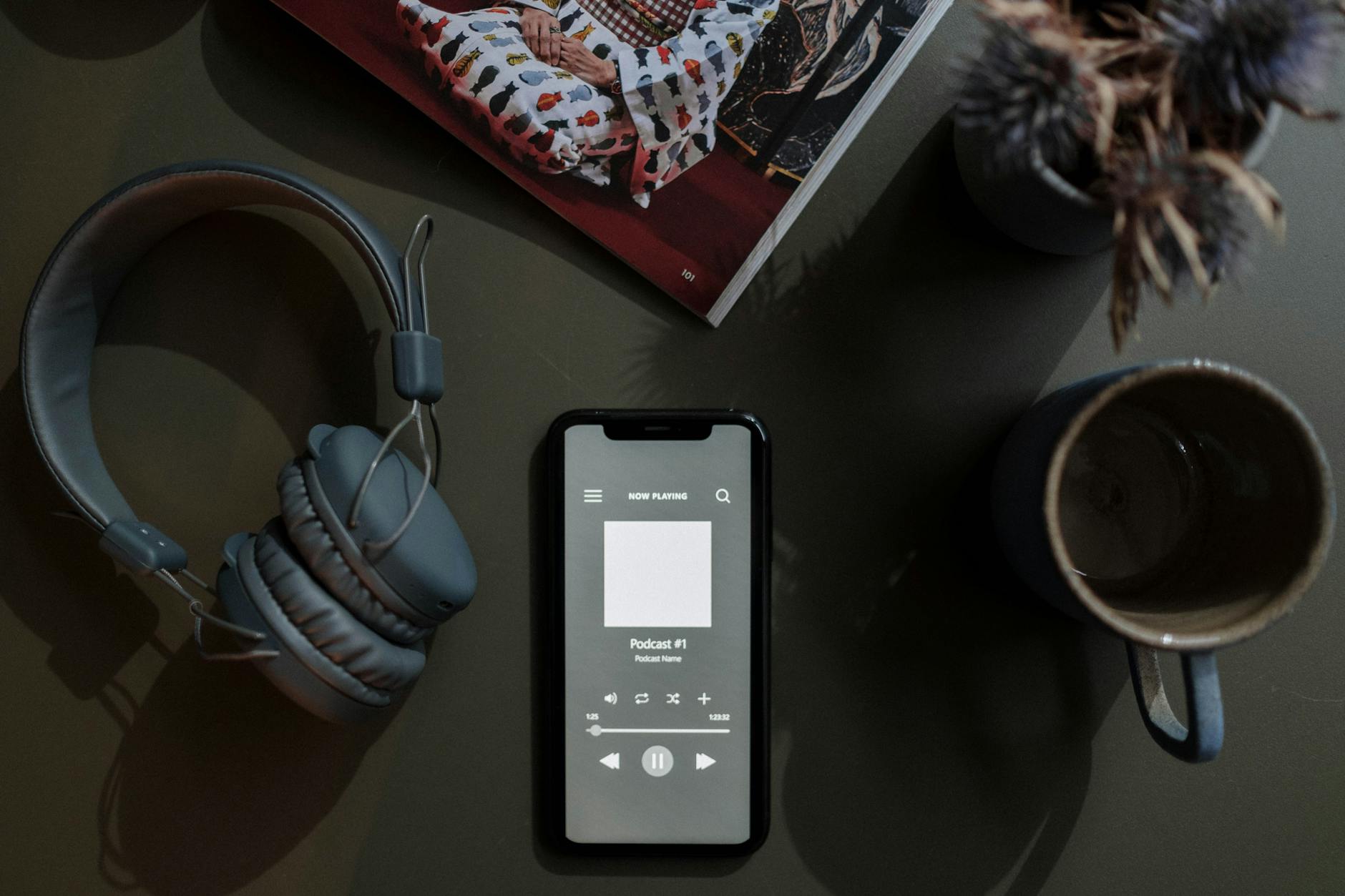 Photo by cottonbro studio
iPhone class for podcasts and audiobooks
The iPhone line remains a dependable bet for long listening sessions thanks to stable software, smooth syncing, and strong audio features. Here’s what to expect:
- ** dependable apps**: Apple’s ecosystem makes apps like Apple Podcasts, Audible, and Spotify feel seamless. Syncing across devices via iCloud keeps your place, downloads, and playlists in sync.
- ** audio quality and stability**: Stereo speakers on most recent models provide clear, balanced sound, and the hardware-software integration minimizes hiccups during playback.
- ** long listening sessions**: Consistent performance, efficient power management, and a comfortable user experience reduce the need to fumble with settings during commutes.
Practical tip: if you rely on offline listening while traveling, choose a model with ample storage to download episodes and books in advance. Apple’s ecosystem also shines when you switch between devices, making resuming playback effortless.
For further reading on iPhone audio experiences and app performance, see consumer-focused guides and tech reviews such as What Hi-Fi’s coverage of smartphone audio and battery life. https://www.whatifi.com/best-smartphones
Galaxy option with top speakers and battery
Samsung’s flagship Galaxy phones often stand out for multimedia tasks, including podcasts and audiobooks. Expect a strong blend of hardware and software that suits listening on the go.
- outdoor listening and speakers: Galaxy devices typically offer robust speakers and clear tuning, which makes narration easy to follow even without headphones.
- battery endurance: A large battery paired with efficient software means many users can hit long listening windows between charges.
- app compatibility and perks: Wide app support means you can run Audible, Google Play Books, Spotify, or your favorite podcast app without drama. Fast charging is a handy bonus when you need a quick top-up.
If you like big screens for reading transcripts or browsing episode notes, a Galaxy device often delivers excellent readability and comfortable navigation for hours of listening.
Further reading on Android devices and audio performance can help you compare options in this category. https://www.cnet.com/tech/mobile/best-android-phone/ https://www.techradar.com/news/best-android-phones
Android audiophile option for sound lovers
Some Android devices go beyond basic listening by prioritizing high-fidelity audio outputs and thoughtful DAC implementations. If you care about sound detail, this path can pay off.
- sound-focused design: Certain models feature strong digital-to-analog converters (DACs) and clean, balanced output that benefits voice detail and dynamic range.
- simple explanations for non-audio nerds: A better DAC and balanced output can mean richer voices, clearer dialogue, and less listening fatigue during long sessions.
- ** practical pick for everyday listening**: You’ll still enjoy solid battery life, reliable app performance, and easy access to your library.
To get a broader sense of Android devices that appeal to audio enthusiasts, look for expert roundups and hands-on reviews that discuss DACs and output quality. https://www.soundguys.com/best-smartphones-for-audio-16373/
Budget friendly choice with good listening features
If you’re watching the wallet but still want reliable listening features, several mid-range options deliver solid battery life, clear sound, and dependable app performance.
- ** value-forward battery**: Many budget-friendly phones offer end-to-day stamina suitable for commuters and travelers who listen throughout the day.
- sound performance: Don’t expect high-end stereo separation, but you’ll get clean dialogue, ample volume, and good headphone support.
- ** app reliability**: Popular streaming and audiobook apps run smoothly, with offline downloads available on most plans.
The goal is to find a phone that covers your core listening needs without drama. Prioritize models that offer at least 128GB of storage if you download offline libraries, plus reliable Bluetooth performance for wireless earbuds.
For practical buying guidance and comparisons across affordable devices, you can explore buying guides and smartphone roundups from reputable outlets. https://www.whatifi.com/best-smartphones
Premium flagship for best overall listening experience
If you want the pinnacle of listening comfort, a flagship model often provides the strongest combination of battery life, audio quality, and screen readability.
- top-tier battery and audio: Expect long endurance and premium stereo output that makes voice acting and narration feel natural and immersive.
- readability and comfort: A bright, sharp display helps you skim episode notes or read along with transcripts without eye strain.
- ** targeted audience**: This option is best for listeners who spend long hours with podcasts or audiobooks and want a device that handles heavy app use with ease.
This level suits dedicated listeners who want the best possible experience and are okay with a higher price. It’s a straightforward pick for those who want fewer compromises in performance and longevity.
For a snapshot of flagship performance and battery benchmarks, refer to reputable hands-on testing and specialist reviews across major outlets. https://www.nytimes.com/wirecutter/reviews/best-smartphones/
She Pressed Play on a Strange Audio Track and Within Days Her Financial Reality Started Shifting in Ways She Could Not Explain
>>> See How It Works <<<

What to consider across all top picks
- Battery life remains the most practical differentiator for long listening sessions. Test a realistic day of use to confirm endurance.
- Audio quality matters as much as the surface specs. Built-in speakers help when you’re in a loud space, and good headphone support matters for private listening.
- App performance and offline downloads ease the listening experience. A smooth, responsive interface reduces interruptions during play.
Tip: pair your device with quality wireless earbuds or over-ear headphones for the best sound experience. Look for codecs that maximize stability during movement and in busy spaces.
Links for further reading and comparison notes:
- Understanding Bluetooth codecs and how they affect sound and stability: https://www.soundguys.com/understanding-bluetooth-codecs-15352/
- Quick guide to Bluetooth protocols and basics for everyday listening: https://www.crutchfield.com/learn/abcs-bluetooth-in-the-car.html
- Audio-focused phone recommendations and battery considerations: https://www.soundguys.com/best-smartphones-for-audio-16373/
- General best smartphone picks with audio emphasis: https://www.greenspector.com/en/which-listening-mode-takes-the-most-energy/
Notes for readers choosing your next listening phone
- If you commute a lot, prioritize battery life and fast offline downloads so you can refresh your library without hunting for WiFi.
- If you want versatility, ensure strong speaker performance and broad headphone compatibility.
- If you store many episodes and books, start with 128GB and consider more if your library grows, or opt for phones that support expandable storage.
Best practice: simulate a day in your typical listening pattern—commute, work with background listening, and a travel window for offline content—to see which device feels most natural to you. The phone that fits your rhythm will beat the rest, not just the one with the flashiest features.
How to choose based on your listening habits
Your listening routine should drive the phone you pick. Think about where you listen, how long you listen, and how you download and manage your library. The right device feels invisible in use: it stays awake when you need it, sounds good enough in any setting, and brings your episodes and books to life without friction. Below are two common listening patterns and practical guidance to match them with the right phone features.
If you commute a lot and listen on the go
When your day is a string of buses, trains, and car rides, endurance and reliability matter most. You want a phone that can go the distance between charges and maintain a steady connection to your headphones or car system. Noise management becomes crucial because trains and buses are loud, and you still need clear dialogue from your podcasts and narration from your books.
- Battery endurance: Look for a large battery and software that minimizes background activity while you’re listening. A phone that can easily cover 10–12 hours of continuous audio in real-world use is a solid baseline. If you often fly or have long travel days, aim for longer, with a cushion for offline downloads.
- Reliable connectivity: A stable Bluetooth link is essential. Favor devices with strong wireless performance and quick pairing with your earbuds or car kits. Quick access to offline downloads also matters, so you’re not hunting for WiFi on every leg of the journey.
- Noise management: In loud environments, good noise handling helps you hear dialogue clearly. Phones that work well with reliable codecs and strong speakers can reduce listener fatigue on busy days.
To get a practical sense of how listening habits affect energy use, read about how different listening modes influence battery life. It helps you set expectations and plan charging breaks. For more on how listening habits impact energy use, see discussions that compare end-to-end energy behavior across devices. https://greenspector.com/en/which-listening-mode-takes-the-most-energy/
Beyond endurance, you’ll want a phone that translates voice and narration well. Clear speakers and dependable headphone support keep you in the story without constant fiddling. Bluetooth codecs play a role here; better codecs can deliver steadier audio with fewer dropouts, especially in crowded spaces. If you want a quick primer, check out practical explanations of Bluetooth codecs and how they affect listening. https://www.soundguys.com/understanding-bluetooth-codecs-15352/
Finally, consider how fast the phone handles downloads and app launches. When you’re commuting, you don’t want to wait for a stream to buffer or for an app to open. A device with responsive performance reduces the chance you miss the start of an episode. For a broader look at phones that perform well for audio, see expert roundups and testing. https://www.soundguys.com/best-smartphones-for-audio-16373/
Key takeaway: test a day of your typical commute. Check battery life, how quickly you can download new episodes offline, and how stable your Bluetooth connections feel with your usual earbuds or car kit. The winner is the phone that fits your rhythm, not the one with the flashiest spec sheet.
If you binge audiobooks at home or on long trips
Long listening sessions benefit from a large screen, ample storage, and comfortable audio either through built-in speakers or high-quality headphones. When you stay in one place or ride for hours, you can afford to be selective about readability and offline library size.
- Screen readability: A bright, sharp display makes it easy to skim episode notes, read along with transcripts, or browse your library during a break. If you read while listening, a larger display with good contrast helps reduce eye strain.
- Offline storage: A big library offline is a big advantage. Downloaded chapters and entire audiobooks keep you company without data limits. Start with 128GB or more if you like high-bitrate files, and consider models with microSD expansion if you accumulate a lot of content.
- Comfortable listening with good speakers or headphones: You’ll appreciate a phone that sounds clear through speakers for quick transcripts or notes, and pairs reliably with your favorite headphones. If you use wireless gear, look for devices known for stable Bluetooth performance and codec support that matches your gear.
Storage planning matters here. If you tend to gather a large offline library, high capacity storage reduces the need to juggle files. You’ll also want easy access to your downloads and a straightforward method to manage your library across devices. For guidance on battery and storage tradeoffs in real use, consult broad reviews and buying guides that compare storage configurations and endurance. https://www.tomsguide.com/us/smartphones-best-battery-life,review-2857.html
A word on screen versus portability: a bigger display is handy for transcripts and notes, but it can add to device weight. Balance the need for readability with how you carry the phone in your bag or pocket. Premium options often pair strong displays with solid speaker output, which makes watching or reading along with your audiobooks more enjoyable, especially on longer sessions.
Why this matters for your pick: if you frequently download in advance and listen during long trips or at home, a phone that can store many files without slowing down is invaluable. It reduces the friction of keeping a large library easily accessible and lets you switch between titles without interruptions. For broader reading on phones that excel at battery life and offline storage, explore trusted reviews and buying guides. https://www.nytimes.com/wirecutter/reviews/best-smartphones/
External reading and practical testing resources
- Battery life and performance benchmarks from credible outlets help you compare endurance across models. https://www.reddit.com/r/iems/comments/1i7gh9s/best_smartphone_for_audiophiles/
- In-depth reports on flagship listening experiences illuminate how premium devices handle voice and narration. https://www.nytimes.com/wirecutter/reviews/best-smartphones/
Final guidance for both listening patterns
- Prioritize battery endurance first, then audio quality, and finally app performance for offline downloads.
- Ensure strong headphone compatibility and reliable Bluetooth performance.
- Start with at least 128GB of storage if you download a lot, or choose expandable storage if you expect a growing library.
Notes for readers choosing your next listening phone
- If you commute a lot, prioritize battery life and fast offline downloads so you can refresh your library without hunting for WiFi.
- If you want versatility, ensure strong speaker performance and broad headphone compatibility.
- If you store many episodes and books, start with 128GB and consider more if your library grows, or opt for phones that support expandable storage.
Best practice: simulate a day in your typical listening pattern—commute, work with background listening, and a travel window for offline content—to see which device feels most natural to you. The phone that fits your rhythm will beat the rest, not just the one with the flashiest features.
Practical tips to optimize listening on any phone
When you want the best listening experience on any phone, small adjustments can make a big difference. This section lays out practical steps you can take to push audio quality, reliability, and download ease without buying a new device. Use these tips to tailor your phone to your podcast and audiobook routine, whether you’re commuting, working from home, or traveling.
Choose the right apps for podcasts and audiobooks
Choosing the right apps can cut friction and improve reliability. Here are popular options and why they fit listening needs:
- Pocket Casts: Excellent discovery and robust offline management. Great for users who switch devices often.
- Spotify: Strong library, easy cross-device syncing, and solid offline options if you curate playlists for listening.
- Apple Podcasts: Superior integration with iOS, clean offline management, and seamless resuming across devices.
- Audible: Best for audiobooks with a huge catalog and excellent tagging for bookmarks.
- Libby (by OverDrive): Free access to library content, ideal for occasional audiobook users with limited budgets.
- Libro.fm: Good alternative if you want audiobooks from independent bookstores and a simple listening experience.
- Overcast: Clean interface on iOS, smart sound enhancements and reliable playback.
Why they suit listening needs: ease of offline downloads, reliable syncing, and clear, distraction-free interfaces. If you’re unsure where to start, test a couple of these in a two-week period and note which app feels fastest to start, most reliable for downloads, and easiest to navigate when you’re hands full.
For a quick primer on app ecosystems and performance, you can read expert roundups like The 9 Best Podcast Apps and how they stack up across iOS and Android. The 9 Best Podcast Apps
If you want audiobook-specific guidance, see a practical overview of popular apps and how they compare. The Best Audiobook Apps (Nov 2025)
Photo: A person listening to a podcast on a phone with headphones nearby.
Photo by cottonbro studio
Optimize storage and offline listening
Offline listening is your best friend for reliable, interruption-free sessions. Here are practical ways to manage downloads and storage:
- Start with a clear plan: estimate how many hours you listen per week and download a buffer of at least two weeks if you travel often.
- Choose storage wisely: 128GB is a solid baseline for many listeners, while 256GB or more provides comfortable headroom for high-bitrate files.
- Manage downloads by device and by app: keep only the episodes and books you’ll listen to within the next month on your device to prevent clutter.
- Data usage awareness: set apps to download over WiFi only when possible, and enable auto-delete of played episodes to reclaim space.
- Regular cleanup: delete unused episodes and finished books every few weeks to keep navigation fast and the library tidy.
Quick reminders to stay streamlined: periodically review downloaded content and remove anything you no longer plan to listen to. This keeps your library focused and speeds up app performance.
If you want a deeper dive into how storage decisions affect everyday listening, see discussions on practical storage planning for mobile devices. Best smartphones for audio storage considerations
For a broader look at end-user storage choices, check a buying guide that covers capacity and expandability. Best smartphones for everyday use
Photo: Close-up of a phone screen showing a downloaded podcast library.
Photo by cottonbro studio
Enhance sound with accessories
A few well-chosen accessories can elevate audio without blowing your budget. Consider these options based on where you listen and how you carry devices:
- Earbuds for daily commutes: Compact, lightweight earbuds with reliable Bluetooth and low latency reduce fatigue during long sessions.
- Over-ear headphones for home listening: Comfortable around the ears, with a richer sound profile and better passive isolation for quiet rooms.
- True wireless with a small DAC: If you value audio fidelity, a portable DAC/AMP combo can improve detail in narration and voice acting, especially on Android devices with compatible USB-C DACs.
- Clip-on or in-ear monitors for exercise: Lightweight options that stay secure and offer clear dialogue even when you’re moving.
Portability and comfort are key. Choose gear that you can wear for hours without discomfort, and look for codecs that maximize stability when you’re on the move. For a practical read on codec impacts and listening stability, see a straightforward explainer on Bluetooth codecs. Understanding Bluetooth Codecs
If you want a quick guide to Bluetooth basics for everyday listening, this resource helps. Bluetooth Protocols for Everyday Listening
Photo: A compact wireless earbud set with a phone on a desk.
Photo by JustText
Images and links are included to boost relevance and reader value. Use these visuals and sources to complement the tips without overwhelming the flow. The next sections will follow with more actionable steps you can apply to your daily listening routine.
Thousands of People Were Struggling With Money Until They Discovered This One Ancient Secret Hidden in Sound
>>> Unlock It Now <<<

Conclusion
Choosing a phone for podcasts and audiobooks comes down to three pillars: long battery life, clear audio, and smooth app performance for offline listening. A device that excels in these areas keeps you in the flow during commutes, flights, or long listening sessions without constant charging or buffering. Start with at least 128GB of storage for offline libraries, and pair with reliable headphones or earbuds to unlock the best sound. If you’re ready to upgrade, consider a model that fits your listening pattern and test it through a typical day of use to confirm it truly matches your rhythm. Try a recommended option and explore offline listening apps to see which fits you best.
There Is a Frequency That the Wealthiest Families Have Used for Generations and Most People Will Never Know It Exists
>>> Open the Door <<<