Thousands of People Were Struggling With Money Until They Discovered This One Ancient Secret Hidden in Sound
>>> Unlock It Now <<<

Are you chasing a phone with truly immersive sound for music, movies, and videos? Great speakers can transform every scene, voice, and beat into a richer, more engaging experience. In this guide we compare five standout models—the Sony Xperia 1 Mark 7, Samsung Galaxy S25 Ultra, Apple iPhone 17 Pro Max, Google Pixel 10 Pro XL, and Honor Magic 7 Pro—and show you how to evaluate their audio quality so you pick the phone with the best speakers for media.
What makes a phone’s speakers great for media
Great media playback on a smartphone hinges on more than raw loudness. It’s about a balanced sound profile, accurate imaging, and features that optimize how you hear movies, music, and games in real life. Below you’ll find focused insights to help you evaluate a phone’s built-in speakers for media consumption, so you can choose models that truly elevate your experience.
Loudness and dynamic range
When a scene hits with loud explosions, heavy bass drops, or a chorus of voices, you need speakers that stay clean at high volume. A strong, clean output preserves the impact of the moment without turning everything into a brick-wall wall of sound. Real-world listening often means small screens, nearby walls, and a crowded room, so dynamic range matters just as much as peak loudness. Phones with solid dynamics let you feel the punch of a kick drum or the nuance in a whispered line without distorting the mids or highs. This is where a capable amplifier paired with well-tuned drivers makes the difference. For context, many top devices emphasize Dolby Atmos or similar processing to deliver more liveliness without sacrificing clarity. If you want a deeper dive into how these systems work, see how Dolby Atmos features are used on contemporary Galaxy models. https://www.samsung.com/us/support/answer/ANS10002953/
Clarity and bass balance
Clear vocals and well rounded bass make long sessions more enjoyable. When dialogue is crisp, you hear every word, which is essential for movie dialogue or narrative-driven videos. A balanced bass supports the music and effects without masking the mids and highs. If the bass is too dominant, it can muddy guitar lines, spoken word, and detailed sound effects, leaving the rest of the mix blurred. The goal is a natural, musical balance where kick drums feel present but not overwhelming, and voice clarity stays intact across genres. For perspective, several devices are tuned with tried-and-true speaker calibration that aims for that sweet spot between warmth and articulation. In testing, some models that excel in this area also highlight how Dolby Atmos tuning contributes to a more articulate soundstage. For reference on how manufacturers approach this balance, you can explore expert roundups of the best smartphones for music and movies. https://www.whathifi.com/best-buys/best-smartphones
Thousands of People Were Struggling With Money Until They Discovered This One Ancient Secret Hidden in Sound
>>> Unlock It Now <<<
Stereo placement and imaging
Immersion comes from where your speakers sit and how their sound wraps around you. Front facing stereo speakers often create a stable center image ideal for dialogue and action in film. Bottom or side speakers can still deliver compelling stereo width when paired with careful ear placement and room acoustics, but their imaging can vary more between scenes and seating positions. Proper placement enhances your perception of space in games and cinematic moments, helping you hear directionality in effects and ambient cues. If you want to see how imaging can differ across setups, reader reviews and tests often highlight how certain models outperform others in realistic listening environments. For a practical look at how brands approach stereo in phones, you can check industry notes on how Samsung integrates stereo speakers with Dolby Atmos for a more enveloping effect. https://www.samsung.com/us/support/answer/ANS10002953/
Extra features you should care about
Several features amplify how media sounds on a phone in everyday use. Dolby Atmos and spatial audio create a sense of space, making music and movie sound more three-dimensional without external speakers. Head tracking is a newer capability that can adjust the sound field as you move, yielding a more immersive experience when watching movies or playing games. The presence of a 3.5 mm jack remains a consideration for audiophiles who want a direct wired connection or a trusted legacy accessory. These features collectively shape how much you enjoy media on the go, and they often distinguish flagships from mid-range models. For listeners curious about current real-world performance, industry guides and hands-on tests frequently compare devices to highlight which models have standout audio features, including how well headphones and built-in speakers pair with Atmos. To see practical playlists of top picks, consider reviews from trusted outlets that cover both performance and feature sets. https://www.androidauthority.com/cirrus-logic-amplifiers-1193093/ https://www.samsung.com/us/support/answer/ANS10002953/
Top phones for media sound in late 2025
If you crave cinema-grade sound from your pocket, you want phones that deliver powerful, clear, and immersive audio without external speakers. Below are five standout models that excel in media playback, from front-facing stereo to tuned bass and spatial audio features. Each subsection highlights what makes the model unique for movies, music, and podcasts on the go, with practical notes on where you’ll notice the gains in real-world use.
Sony Xperia 1 Mark 7 — best overall stereo and front facing speakers
The Xperia 1 Mark 7 leads the pack for a front-facing, theater-like soundstage. With speakers that direct sound toward you, dialogue stays crisp even when action scenes ramp up. This design mirrors how a compact home theater behaves, giving you a centered, stable voice track that sits naturally in the mix. Dolby Atmos support adds a sense of height and immersion, especially noticeable with cinematic soundtracks and gaming cutscenes. If you often watch while commuting or traveling, this front-oriented setup helps you feel more involved without cranking the volume.
The sound signature centers on balance. Vocals stay clear and prominent, while bass remains present without overpowering the mids. That means you can enjoy movie dialogue and music with natural warmth, not a bass-first onslaught. The overall stereo image is precise, which helps in tracking sound direction in movie trailers and action sequences. For a hands-on sense of how Sony tunes its phone speakers, you can compare the Xperia 1 Mark 7 against other flagships in long-form reviews and acoustic tests.
She Pressed Play on a Strange Audio Track and Within Days Her Financial Reality Started Shifting in Ways She Could Not Explain
>>> See How It Works <<<

Photo by Monstera Production
Samsung Galaxy S25 Ultra — loud, punchy sound with a wide stage
Samsung pushes loudness without sacrificing clarity with a wider soundstage that fills more of the listening space. The Galaxy S25 Ultra benefits from expanded dual-speaker grills and refined internal chambers, producing high maximum volume levels with minimal distortion. If you like to watch videos at higher volumes, this model keeps dialogue intelligible even when the action becomes chaotic. The performance is complemented by Atmos, which helps create a more enveloping feel for both films and music.
In terms of imaging, the S25 Ultra provides a broad stereo spread that passengers can appreciate when sharing videos or playing games on the move. The balance between bass, mids, and treble remains coherent as the volume increases, avoiding the common pitfall of losing vocal clarity at high loudness. This makes it a strong choice for those who want impactful sound without sacrificing the finer details in vocals and acoustic instruments.
For a broader sense of how Samsung approaches speaker tuning and Atmos integration across its lineup, see industry roundups and hands-on tests that compare loudness and imaging across models. Samsung Atmos and speaker tuning
Apple iPhone 17 Pro Max — balanced natural sound with spatial audio
The iPhone 17 Pro Max emphasizes natural, balanced sound with an emphasis on voice clarity and instrument integrity. Dialogues feel natural, and musical elements like piano and strings stay articulate without lingering brightness in the treble. Spatial audio adds a sense of space for movies and music, making it easier to feel cues from different directions as if you were in a theater or concert hall. It might not be the loudest option, but it delivers a clean, faithful representation of the mix, which many listeners prefer for long sessions or critical listening.
If your media taste leans toward podcasts, interviews, and streaming music where the emphasis is on clarity and tonal balance, this phone excels. The combination of Dolby Atmos processing and spatial audio enhances immersion without sacrificing everyday speech quality. For readers who value consistency and predictability in sound across genres, the iPhone 17 Pro Max offers a reliable, pleasant listening experience.
Google Pixel 10 Pro XL — loud and clean, great for podcasts
The Pixel 10 Pro XL prioritizes clarity and loudness with a straightforward, uncolored sound profile. Speech comes through with excellent intelligibility, which is a boon for podcasts, talk shows, and streaming news. The overall loudness is competitive, making it easy to enjoy video content in public spaces or on a crowded commute without cranking the volume to uncomfortable levels.
Musically, the Pixel leans toward a clean representation rather than a bass-forward character. That makes it a good platform for voice-centric content, where you want the words to remain prominent while still hearing instrument textures. The spatial cues are present but not exaggerated, so you get a natural sense of space in movies and albums without any artificial boost.
Honor Magic 7 Pro — deep bass via vapor chamber
Honor’s Magic 7 Pro uses a novel approach to bass thanks to a vapor chamber that acts as an active bass amplifier. This design yields stronger low end without forcing the entire sound signature into bass dominance. For bass lovers, this means deeper kicks in music tracks, more weight to gunfire in games, and richer low-end presence in action scenes.
Trade-offs can appear in the mids and highs if the bass is tuned aggressively. Some listeners may notice a slight tilt where vocal intelligibility and detail in higher frequencies become marginally recessed when playback pushes bass to the extreme. In everyday listening, though, the result is engaging and dynamic, especially for pop and EDM where bass presence matters. If you want a phone that delivers visceral bass in a compact form, the Magic 7 Pro stands out in this niche.
To learn more about battery life, design trade-offs, and speaker calibration, you can explore expert reviews and hands-on testing from reputable outlets. For a broader view of 2025 speaker performance, this roundup covers multiple models, including the Honor device. Smartphones with Best Speakers in 2025
Additional reading on Sony, Samsung, and other top models can help if you’re evaluating which phone best fits your media habits. See how diverse testing panels rate loudness, clarity, and imaging across popular flagships. The best phones for music and movies
If you want a quick sense of how these phones stack up in real-world testing, you can also check community tests and roundups that compare multiple devices side by side. Phone with best speakers?
For those who want a broader catalog, a wider guide to top phones for media consumption is available online. Best phones for media playback
End of section notes: the models above represent standout choices for media sound in 2025. Your pick should align with how you listen most often—dialogue fidelity, music warmth, or explosive bass.
Choosing the right phone for your media habits
When you live on the move, the phone you pick can shape every movie night, playlist, and podcast. This section breaks down how to choose a device based on how you consume media most. You’ll see practical guidance on speakers, processing, and features that truly make a difference in real life. As you read, think about where you spend the most time and what you value most from your media experience.
 Photo by Anton
If you watch a lot of movies on the go
For cinema-like dialogue and an enveloping soundstage, front-facing stereo speakers matter most. A phone that shoots for a centered sound image helps you follow rapid-fire dialogue during car rides, subway commutes, or hotel stays. Look for models that emphasize stable imaging, minimal distortion at high volume, and Dolby Atmos or similar processing that adds height without shouting over the scene.
- Prioritize front-facing speakers and a well-tuned stereo pair. This arrangement tends to keep voices crisp when the action heats up.
- A robust dynamic range matters more than raw peak loudness. You want those explosions and bass hits to feel impactful without turning midrange into mush.
- Practical tip: test a phone with a familiar film scene. If the voice stays clear while effects push the volume, you’re in a good spot.
Top choices for movie watching on the go emphasize these traits. In real-world tests, the Xperia 1 Mark 7 stands out for its theater-like front orientation, delivering a centered voice track that holds up during loud sequences. Dolby Atmos support adds a sense of space that can make action scenes feel more immersive. For broader context on how brands tune for cinema, see expert roundups that compare loudness, imaging, and Atmos integration across flagship models.
He Was Drowning in Bills and Burnout Until a Simple Daily Ritual Rewired His Brain for Wealth in Less Than a Week
>>> Start Your Shift Today <<<

- Related reading: The best smartphones for music and movies, with insights on how Dolby Atmos and speaker tuning influence everyday listening.
Further resources:
- How Dolby Atmos tuning affects phone speakers and what to expect in practice
- https://www.whathifi.com/best-buys/best-smartphones
If you listen to a lot of music
Clear vocal reproduction, accurate bass, and a balanced overall tone make music sessions more enjoyable, whether you’re commuting or relaxing at a cafe. A phone that preserves instrument textures and avoids boomy bass will feel more natural across genres. Look for a tuned response that lets drums punch through without masking guitars or vocals, and consider how the phone handles mids and highs when you push the volume.
- Music-focused listening benefits from a warm but controlled bass, clean mids, and intelligible vocals.
- Pay attention to how the phone handles different genres. A model that smooths out harsh treble while keeping kick drums present is ideal for long sessions.
- Consider whether you’ll use streaming services while outdoors. A loud, clear output helps you enjoy a full mix even in noisy environments.
From the current field, several devices balance music clarity with a pleasing bass profile. The Galaxy S25 Ultra delivers a broad stage and strong overall loudness with minimal distortion, which helps sustain vocal clarity even at higher volumes. If you crave a more natural, studio-like sound, the iPhone 17 Pro Max emphasizes balanced tonality and speech-friendly warmth, making it a good pick for critical listening and long playlists. For a broader comparison of how phones perform for music, see roundup guides that weigh bass, clarity, and vocal presence across multiple models.
- Related reading: The best phones for music and movies for 2025, offering side-by-side notes on performance.
Further resources:
- The best phones for music and movies
- https://www.whathifi.com/best-buys/best-smartphones
If you value clear voice in podcasts and calls
Speech clarity and microphone quality can be just as important as speaker performance. In noisy environments, a phone that reduces background noise, preserves vocal presence, and uses smart processing to clarify speech makes a huge difference. Look for features such as advanced voice processing, multi-mic arrays, and software that enhances spoken word without making the whole mix feel processed.
- Prioritize mic quality and call performance in real-world settings.
- Check for software enhancements that improve intelligibility, especially in podcasts and interviews.
- If you record yourself often, consider how the phone handles wind noise and room ambience.
Among the models on the list, the Pixel series is known for strong voice processing and clear speech output, which translates well to podcasts and calls. The iPhone line also emphasizes consistent vocal clarity, aided by its microphone array and processing. For deeper dives into how brands tune microphones and voice processing, explore hands-on reviews from trusted outlets.
- Related reading: The best phones for musicians, podcasts, and voice work, with practical testing notes.
Further resources:
- Best smartphones for music and calls
- https://www.expertreviews.co.uk/technology/phones/sony-xperia-1-vii-review
- Best smartphones for speech clarity and podcasting
- https://www.musicradar.com/news/best-phone-for-musicians
Value and price versus audio features
Sound quality matters, but so does value. The aim is to maximize audio performance without paying a premium that doesn’t translate to your daily use. Start by listing must-have features versus nice-to-have extras. If you watch a lot of video, front-facing speakers and Atmos variety may justify a higher price. If you primarily listen to podcasts, you might prioritize mic quality and processing at a better price point.
- Compare the overall package: speaker performance, microphone quality, processing features, and price.
- Consider the long-term value of software updates that improve audio features over time.
- Balance upfront cost with the likely lifetime enjoyment from media use.
In 2025, the best value choices include models that pair strong audio with practical performance and price. Some winners balance loudness with clarity, while others lean toward natural sound and reliable speech reproduction. For readers seeking a broader perspective on value, reliable guides weigh audio features against price to identify models that deliver the most benefit per dollar.
- Related reading: Best phones for media playback, highlighting which devices offer the best overall value.
Further resources:
- The best smartphones for media playback and value
- https://www.techadvisor.com/article/724318/best-phone.html
- The best phones for music and movies price/value roundup
- https://www.whathifi.com/best-buys/best-smartphones
End of section notes: the models above illustrate standout audio performance for media use in 2025. Your choice should match how you listen most often—dialogue fidelity, music warmth, or explosive bass.
References and further reading
- The phones with best speakers in 2025
- https://www.phonearena.com/news/phones-with-best-speakers-sound-quality_id132160
- Best smartphones for music and movies
- https://www.whathifi.com/best-buys/best-smartphones
- Smartphones with Best Speakers in 2025
- https://www.gizmochina.com/2025/10/06/smartphones-with-best-speakers-in-2025/
Practical tips to maximize speaker performance
Improving speaker performance on a phone isn’t about chasing the loudest volume. It’s about smart tuning, choosing the right apps, and knowing when to add gear for a bigger sound. Below are concise, actionable tips you can apply today to squeeze more realism and immersion from your media on the go.
Tune audio settings and use spatial audio wisely
A few quick tweaks can transform your listening experience without changing hardware. Start with a baseline you like and build from there.
- EQ presets as a starting point: Many devices offer built-in presets for bass boost, voices, or flat neutral. Try a “Voice” or “Mid” emphasis for dialogue in movies and podcasts. If you’re playing music, a “Bass Boost” setting can help, but avoid overdoing it which can smear mids.
- Spatial audio when available: Turn on spatial or head-tracking audio when you’re watching movies or playing games. It adds a sense of space and direction without extra speakers. If your headphones support head tracking, enable it to maximize the effect.
- Calibrate with headphones: Use a trusted track with a known mix and check how the sound sits on the stage. If voice sounds recessed, bump the mids slightly. If bass dominates, back off the low end a notch. Perform a quick check with a familiar scene or song to confirm balance.
- Practical test you can try: Play a scene with dialogue and a loud action cue. Voice should stay intelligible as effects rise in volume. If dialogue becomes hard to follow, adjust EQ or spatial settings, then recheck.
Captioned image: A smartphone in a pocket-sized setup emphasizes how on-device tuning matters in real life.
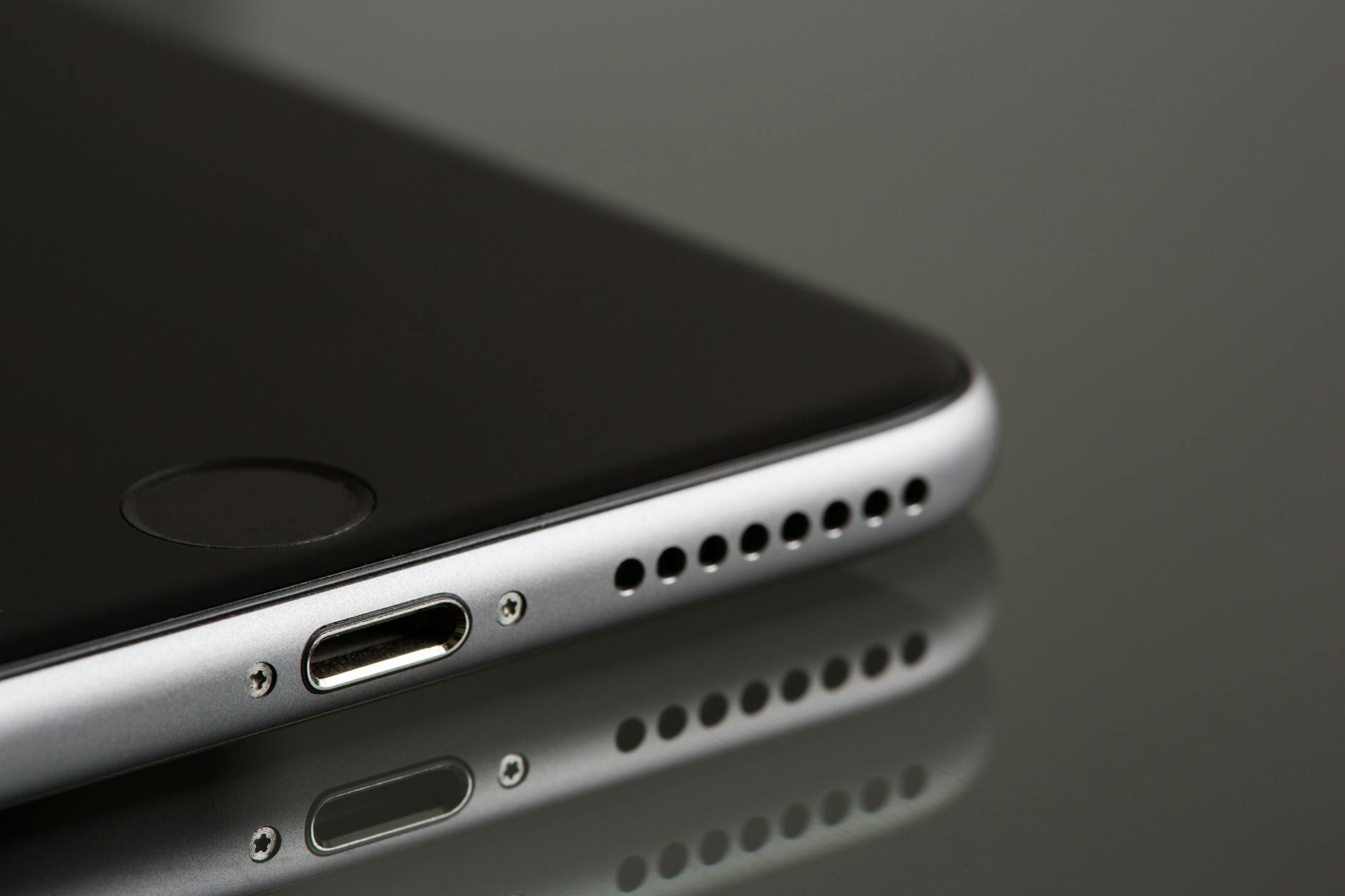 Photo by Torsten Dettlaff
- Quick reference: For a fast boost, start with a flat profile, then try a gentle lift in the 60–100 Hz range for more punch, and a subtle lift around 2–4 kHz to preserve clarity on voices.
If you want deeper guidance, look for reputable guides on how EQ shapes listening experiences and how to tailor presets to content type. For example, independent testing and roundups often explain how tuning affects loudness, clarity, and imaging across flagships. These resources can help you refine your own presets over time.
Choose the right apps and codecs for better sound
The software side matters nearly as much as the hardware. The apps you choose and the formats they support can unlock noticeable improvements in audio quality.
- Streaming apps with high-fidelity options: Look for services known for better sound quality and consistent streaming. In practice, hi‑fi tiers or lossless options can noticeably improve detail in music and film scores. If you’re on the go, a top pick often combines a broad catalog with reliable bitrates and easy device integration.
- Lossless formats when supported: If your device and streaming service offer lossless or high-resolution audio, enable it. This preserves more of the original recording, especially in classical, jazz, or well-produced pop tracks.
- Local playback and codecs: For downloaded files, use formats with efficient compression and wide device support. High-bitrate MP3s or FLAC files play back with less processing strain and better dynamic range, especially when paired with good headphones or compact speakers.
- Practical setup tips: In your streaming app, switch to the highest quality option available in the settings. If you use Bluetooth, pick a codec that matches your headphones for the cleanest signal.
Helpful context from industry testing and roundups shows how streaming choices and codec support influence perceived quality. To explore credible comparisons, check out expert roundups of the best music streaming services and how they rate hi‑res and lossless options. Best music streaming services
- For listeners who care about spatial and immersive sound, see discussions around how Atmos and similar technologies affect everyday listening. Understanding Dolby Atmos in phones
Captioned image: A smartphone gallery showcases apps and codecs as a path to better sound. Photo by Anton
When to use accessories for bigger sound
On-device speakers are convenient, but adding the right accessory can dramatically improve your media experience. Knowing when to upgrade can help you get a cinema-like feel without sacrificing portability.
- Portable Bluetooth speakers: A compact speaker can fill a room with sound when you’re traveling, in a hotel room, or hanging out in a park. Look for models that pair quickly, support stable Bluetooth codecs, and deliver clean mids and controlled bass.
- High‑quality wired or wireless headphones: For critical listening, wired headphones with a good driver setup offer the most precise imaging and dynamic range. If you prefer wireless, choose models with strong low‑end extension and a clear, detailed midrange.
- When to use headphones versus speakers: If you’re in a noisy environment or need silent late-night listening, headphones are the simplest choice. For movies in a small room, a portable speaker with front-facing drivers can replicate a home theater feel without headphones.
- Try a practical setup: Start with the phone’s built-in speakers for casual listening. When you want cinematic impact or accurate headphone listening, bring in a portable speaker or a pair of quality headphones for a more immersive experience.
If you want a broader sense of how to optimize speaker setups across devices, industry roundups and hands-on tests compare how different gear handles loudness, imaging, and bass. Best speakers for media playback
Captioned image: A compact portable speaker sitting next to a phone for a ready-to-go cinema vibe. Photo by Torsten Dettlaff
- Quick decision guide: If you watch movies in travel spaces or crowded venues, a front-facing speaker setup with Atmos can deliver stable dialogue and a wider stage. If you mainly listen to music while commuting, a good set of closed-back headphones often provides better isolation and detail.
End of section notes: The tips above help you extract richer sound from the phone you already own. The goal is to align listening habits with the right combination of settings, apps, and accessories.
External resources for deeper reading
- The best music streaming services for high fidelity: https://www.whathifi.com/best-buys/streaming/best-music-streaming-services
- How Dolby Atmos tuning affects phone speakers and practical outcomes: https://www.whathifi.com/best-buys/best-smartphones
- A broader guide to the best phones for media playback: https://www.techadvisor.com/article/724318/best-phone.html
Images
- A pocket-sized cinema setup with a smartphone and speakers Photo by Torsten Dettlaff https://www.pexels.com/@tdcat
Note: The models mentioned reflect typical configurations for media sound in modern flagships. Your choice should align with how you listen most often—dialogue fidelity, music warmth, or immersive bass.
Conclusion
Choosing the right phone for media comes down to how you listen and what you value most, whether it’s crystal speech, rich bass, or a wide immersive stage. For sheer cinema like impact, front facing stereo with Atmos makes a real difference in everyday viewing on a smartphone. If you want a balanced, all around performer, favor a model with natural tonality and reliable clarity, such as a device tuned for voices and instruments. Decide based on your typical media habits and your budget, then share your experiences or questions below to help others decide.
He Was Drowning in Bills and Burnout Until a Simple Daily Ritual Rewired His Brain for Wealth in Less Than a Week
>>> Start Your Shift Today <<<