He Was Drowning in Bills and Burnout Until a Simple Daily Ritual Rewired His Brain for Wealth in Less Than a Week
>>> Start Your Shift Today <<<

If you value quiet, text heavy communication, you’re not alone. This post explores phones that make texting easy and pleasant, without the noise of constant notifications. A good smartphone should feel calm in your hand and reliable in every message.
We’ll break down why a texting friendly phone helps introverts stay in control, not overwhelmed. You’ll see how keyboard comfort, distraction free software, and battery life add up to a smoother texting experience. Expect practical picks and clear buying guidance you can act on today.
By the end, you’ll know what to look for in a smartphone for texting focused use, plus a few standout options that fit different budgets. Whether you want a minimalist device or a capable smartphone that keeps distractions at bay, this guide helps you choose with confidence.
Why introverts value a texting focused phone
Introverts often prioritize communication that feels controlled, quiet, and efficient. A texting focused phone supports thoughtful replies, private conversations, and the ability to unwind between messages. This section breaks down why a device built around messaging convenience fits how many introverts prefer to connect. It also highlights practical features that reduce noise and keep conversations comfortable.
She Pressed Play on a Strange Audio Track and Within Days Her Financial Reality Started Shifting in Ways She Could Not Explain
>>> See How It Works <<<

Key texting needs: keyboard, screen, and haptic feedback
Comfort matters when you type. A keyboard that feels responsive and a layout that makes it easy to locate letters speeds up replies and reduces fatigue. When the touch surface responds consistently, you can type accurately without second guessing each keystroke. Real-world benefit: you won’t lose messages to mis-taps during a busy commute or a late-night chat session, which keeps conversations flowing smoothly.
A good screen matters too. A bright, legible display helps you read long threads without squinting. Clear text, natural line breaks, and accurate color balance reduce eye strain after a day of scrolling through group chats or thread-heavy conversations. In practical terms, a crisp screen means you stay engaged in a thread instead of switching to another task out of frustration.
Haptic feedback ties the experience together. Subtle vibrations that align with key presses give your brain a quick confirmation that you’ve hit the right spot. This tactile cue can improve typing accuracy and speed on touchscreens, making texting sessions more confident and less tiring. When you can feel every press, you’re less likely to second-guess each message.
To bring these ideas to life, consider how a phone’s input and output work in real use:
- You draft a quick reply while waiting in line. A comfortable keyboard and precise touch response let you finish faster.
- You skim a thread on a commute. A readable screen reduces the cognitive load of deciphering messages in moving light.
- You send a careful message to a colleague. Haptic feedback confirms each keystroke without forcing you to glance away from the conversation.
For further reading on haptic feedback and typing accuracy, see “Can Haptics Improve Typing Accuracy on Smartphones?” and “Haptic Feedback Defined: Types, Benefits & Uses.” These sources explain how tactile cues improve confidence when typing on touch devices. https://pages.boreas.ca/blog/piezo-haptics/studies-show-haptics-can-improve-typing-accuracy-and-reduce-input-errors-on-smartphone https://www.bairesdev.com/blog/your-app-needs-haptic-feedback/
Distraction control and privacy
Distraction control is a cornerstone of a texting focused experience. When you measure your attention in minutes rather than seconds, you value a device that helps you manage interruptions rather than inviting them in.
Two practical ways to keep conversations private and focused are Do Not Disturb and Focus modes. On iPhone, you can set up Focus profiles that filter which people or apps can reach you and when. This lets you keep conversations with close friends or critical work contacts open while silencing everything else during a text-heavy session. Learn how to set up a Focus on iPhone and tailor it to your daily rhythm. https://support.apple.com/guide/iphone/set-up-a-focus-iphd6288a67f/ios
Android offers an equivalent: Digital Wellbeing includes Focus mode that lets you pause apps and control what notifications arrive. This helps you stay in a texting zone without the ping of every app. Set routines for work, study, or relaxation to keep attention where you want it. https://www.android.com/digital-wellbeing/
If you use a Galaxy device, Do Not Disturb can mute alerts completely or allow exceptions for trusted contacts. You can automate DND to turn on during meetings, bedtime, or other quiet windows, ensuring your texting sessions stay calm. https://www.samsung.com/us/support/answer/ANS10002889/
Beyond the built-in controls, compile a personal notification strategy. Turn off nonessential app alerts, choose message-only previews, and keep lock screen notifications minimal. The goal is simple: you should decide when to engage, not be pulled into every little ping.
Together, these controls create a phone that respects your need for quiet and privacy. You can text when you want, with enough context to reply thoughtfully, and without the constant background chatter that drains energy. For readers who want more reading on privacy and focus features, see the linked resources and related guidance on controlling notifications and distractions. https://www.android.com/digital-wellbeing/ https://support.apple.com/guide/iphone/set-up-a-focus-iphd6288a67f/ios https://www.samsung.com/us/support/answer/ANS10002889/
Choosing the right features for your texting needs
When you choose a phone with a texting focus, you invest in comfort, control, and consistency. This section covers practical, tester-friendly features that make messaging smoother for introverts who value quiet, thoughtful replies. You’ll learn what to look for in a device and how to verify those points in-store or from trusted reviews. Each subsection gives you actionable guidance you can apply right away.
Keyboard quality and haptic feedback
A fast, accurate keyboard is the difference between a long thread and a miscommunication. When you test keyboards in stores, try typing a paragraph of a reply, including numbers and punctuation, to feel how the surface responds and how consistent the keystrokes are. Pay attention to key travel, actuation force, and the size of the keys. A comfortable keyboard should allow you to type without sliding from the home row or triggering stray letters.
Haptic feedback is more than a nice touch. It confirms each keystroke without needing to look down. You should feel a gentle, well-timed bump that matches the key press. On many devices, you can adjust the intensity or turn it off if it becomes distracting. If you type a lot, enable a moderate level and test for latency. Does the vibration feel synchronized with the key press? Do you notice a lag that disrupts your rhythm? Those are signs to keep looking.
Testing tips you can apply in-store or from reviews:
- Try long-form typing: compose a careful message to a colleague and a casual reply to a friend. Note accuracy and speed.
- Test edge cases: numbers, symbols, and mixed-case letters to see how the keyboard handles them.
- Compare models side by side: a slight difference in key spacing or travel can affect fatigue over a texting session.
If you want to dive deeper, explore expert discussions on haptic feedback and typing accuracy. Articles that explain how tactile cues improve confidence on touch devices can be helpful references when you’re weighing options. For additional context, explore a few practical explorations of haptics in smartphones. See linked resources for broader perspectives on how haptics influence typing feel. https://www.bairesdev.com/blog/your-app-needs-haptic-feedback/
Why this matters: a solid keyboard and reliable haptics reduce typing fatigue and errors. For introverts who prefer careful, concise replies, these cues support smoother conversations and fewer interruptions to your flow.
Distraction control and privacy
Distraction control is essential for a texting focused experience. The goal is to keep your attention on meaningful messages, not every ping or banner. Look for robust Do Not Disturb (DND) or Focus modes and a strategy to manage notifications beyond the default settings.
Key practical setups:
- Create a dedicated texting window. Use Focus or DND to silence non-essential apps and notifications while you’re actively replying. You can allow calls or messages from a small list of trusted contacts to come through, ensuring you don’t miss important conversations.
- Use time-based automation. Schedule quiet hours during work, study, or late evenings. Many devices support auto-activation when you arrive home or during a set block of time, so you don’t manually toggle anything.
- Customize previews carefully. Decide whether message previews appear on the lock screen. If you want privacy, disable previews or show only the sender’s name. This keeps your screen readable only to you.
Platform notes:
- On iPhone, Focus modes let you tailor who and what can reach you. You can create multiple Focus profiles for different parts of your day and switch them quickly from Control Center. Learn how to set up a Focus on iPhone and tailor it to your daily rhythm. https://support.apple.com/guide/iphone/set-up-a-focus-iphd6288a67f/ios
- Android users can lean on Digital Wellbeing with Focus mode to pause apps and control notifications, useful for long texting sessions. https://www.android.com/digital-wellbeing/
- Galaxy devices offer flexible DND options with exceptions for trusted contacts, perfect when you need to stay reachable for a few key people while quiet otherwise. https://www.samsung.com/us/support/answer/ANS10002889/
Beyond the built-in controls, build a personal notification strategy. Turn off nonessential alerts, keep lock screen previews minimal, and aim for a simple routine: check messages at set times, reply, and then close the app. These steps reduce cognitive load and help you stay in a texting zone.
If you want more reading on privacy and focus features, here are a few solid resources with practical tips. https://www.android.com/digital-wellbeing/ https://support.apple.com/guide/iphone/set-up-a-focus-iphd6288a67f/ios https://www.samsung.com/us/support/answer/ANS10002889/
Messaging app integration and AI help
The best texting phone handles your favorite messaging apps with ease and adds helpful AI features without getting in the way. Look for smooth cross-device syncing, reliable smart replies, and accurate voice typing that supports fast, thoughtful responses.
What to evaluate:
- App performance. Open your common apps and test message loading times, media sharing, and thread organization. A quick, lag-free experience keeps conversations moving.
- AI-powered aids. Smart replies should feel natural, not robotic. They should propose relevant options based on context, but you should be able to customize or disable them if they feel intrusive.
- Voice typing. Test how accurately the phone converts speech to text in different environments (quiet room, street, cafe). Fast, accurate voice typing saves time and reduces fatigue during long chats.
- Cross-device syncing. If you use multiple devices, ensure conversations stay intact when you switch between phone, tablet, or computer. You want a seamless handoff rather than a messy sync later.
Practical testing steps:
She Pressed Play on a Strange Audio Track and Within Days Her Financial Reality Started Shifting in Ways She Could Not Explain
>>> See How It Works <<<
- Install and try your go-to apps on the device. Draft replies, send media, and star important conversations so you know where to return.
- Enable smart replies and test in a real chat. See if suggested responses feel natural and save you time.
- Use voice typing for a full thread. Compare accuracy versus your preferred typing style and adjust settings as needed.
- Check continuity with other devices. Start a message on your phone, continue on a tablet or computer, and verify that the thread remains intact.
Helpful tips for best results:
- Review cross-device features from the makers of the phone. They often publish guides on how to link devices and manage notifications across platforms.
- Look for third-party app support and compatibility notes. Some apps offer advanced privacy settings or alternative input methods that suit texting-heavy workflows.
For a broader understanding of how these features work in practice, explore reliable guides that compare messaging experiences across iPhone and Android ecosystems. These sources help you gauge how well each platform supports your texting style. https://support.apple.com/guide/iphone/set-up-a-focus-iphd6288a67f/ios
When choosing the right device, consider how you text now and how you want to text in the future. A phone that plays nicely with your favorite apps and adapts to your texting routines can reduce friction and make conversations feel calmer and more deliberate.
Battery life and screen comfort
Battery life and screen readability directly affect how pleasant texting remains over time. If you spend a lot of your day in messages, you want a phone that can last through several chat sessions without a recharge and a display that remains easy on the eyes in any lighting.
Estimating real world battery life for texting:
- Start with the official figure, then subtract for typical use. The advertised rating is a baseline; real life depends on screen brightness, background activity, and how often you use rich media like photos or video within chats.
- Track a full day of texting. Note how many hours you actively chat and how many minutes you spend on other apps. A phone that maintains comfortable performance across a full texting day will likely meet your needs.
- Consider charging habits. If you top up mid-day, a device with fast charging or a reliable wireless option can smooth out any power gaps.
Screen comfort matters for long texting sessions. A readable screen reduces eye strain and makes it easier to follow threads, especially in bright or variable lighting. Key factors include:
What If the Only Thing Between You and the Life You Deserve Is a Hidden Wealth Code Waiting to Be Activated
>>> Open the Door <<<

- Brightness and contrast. A phone should maintain clear text and color accuracy in both bright daylight and dim environments.
- Blue light and eye comfort. Some phones offer comfort modes that reduce blue light during evening hours, helping you wind down after a long chat.
- Font and text scaling. The ability to adjust text size without sacrificing layout helps you tailor readability to your preferences.
Practical tips to assess screen comfort in a store or from reviews:
- Test in a bright room and a dim room. Check for legibility, color balance, and whether you can read long threads without squinting.
- Scroll through a long message thread. Look for smooth rendering and consistent line breaks to avoid awkward wrap points.
- Try adjustable text settings. Increase font size and enable a bold option if available to gauge how your eyes respond after extended use.
If you want to read more about display quality and readability on smartphones, search for hands-on reviews that compare brightness, color accuracy, and anti-glare performance. These reviews help you pick a device that keeps text readable in all kinds of lighting.
Practical tips for getting the most from your texting phone
A calm, texting-centric phone makes conversations easier and more enjoyable. These practical tips focus on customizing your device to minimize interruptions, speed up replies, and keep you in control of when and how you respond. You’ll learn concrete steps you can implement today to tune your phone for quiet, efficient texting.
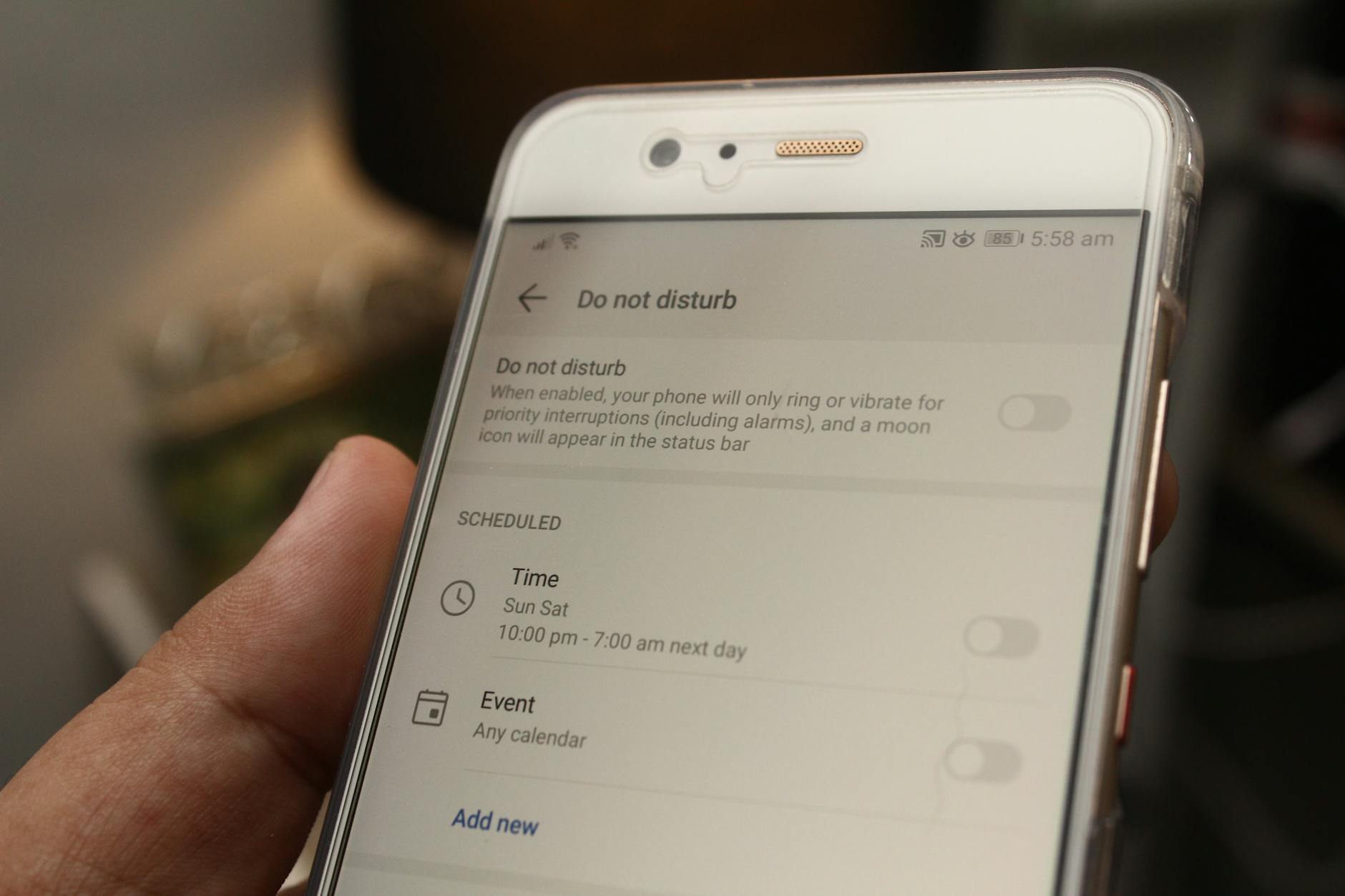 Photo by Daniel Moises Magulado
Customize notifications
Fine-tuning how you receive alerts is the quickest way to reclaim focus during texting. Start by muting groups and nonessential apps, then set message priorities so important conversations rise to the top.
- Mute groups you rarely respond to right away. In most messaging apps, swipe left on the group thread or long-press the thread and choose Mute. You can often pick a duration or set it to until you turn it off.
- Limit non-essential apps. Go to Settings > Notifications and turn off badges or alerts from apps that tend to distract you. This keeps your lock screen cleaner and your attention where it belongs.
- Prioritize messages. On iPhone, enable Prioritize Notifications to surface important chats first and reduce ambient noise. On Android, use Digital Wellbeing to fine-tune which apps can interrupt you during texting sessions.
For deeper control, create a quick notification strategy. Turn off nonessential alerts, keep previews off on the lock screen, and consider showing only the sender’s name. This approach helps you stay in the flow of a conversation without constant context switching.
Helpful resources:
- Stop, mute, and adjust message notifications on iPhone. https://support.apple.com/guide/iphone/stop-mute-and-change-notifications-iph62faab6a4/ios
- Summarize notifications and reduce interruptions with prioritization on iPhone. https://support.apple.com/guide/iphone/summarize-notifications-reduce-interruptions-iph1fbe7d2b9/ios
- Effective methods to mute group text notifications on Android. https://smart.dhgate.com/effective-methods-to-mute-group-text-notifications-on-android-without-leaving-the-conversation/
- How to set conversations in Android for easier management. https://www.reddit.com/r/oneui/comments/sc1p7c/how_do_you_easily_set_text_message_conversations/
In addition, you can explore broader guidance on notification controls to tailor your experience across apps. https://www.android.com/digital-wellbeing/ https://support.apple.com/guide/iphone/set-up-a-focus-iphd6288a67f/ios
Use Do Not Disturb and Focus modes
Do Not Disturb and Focus modes are your best allies when you want a quiet texting window without missing essential messages. Here are quick, practical tips to use them effectively.
- Quick toggling. On iPhone, swipe to Control Center and tap Focus to switch between Do Not Disturb, Personal, or Work modes. You can set a dedicated Focus for texting windows. https://support.apple.com/guide/iphone/turn-a-focus-on-or-off-iph5c3f5b77b/ios
- Scheduling. Create a daily schedule that activates a Focus during work hours or late evenings. This eliminates the need to remember to mute every time.
- Automations. Set automations so Focus turns on when you arrive home or start studying, then turns off after a set period. This keeps your phone quiet when you need it most and returns to normal use afterward.
- Android equivalents. Digital Wellbeing offers Focus mode to pause apps and control notifications, ideal for long texting sessions. https://www.android.com/digital-wellbeing/
- Galaxy specifics. Do Not Disturb on Galaxy lets you mute alerts with exceptions for trusted contacts, great when you must stay reachable for a few people. https://www.samsung.com/us/support/answer/ANS10002889/
Practical setup idea: pair a daily texting window with a small trusted-contact list. During that window, only messages from close friends or key colleagues come through, while everything else remains quiet. This preserves context for important chats and minimizes cognitive load.
If you want more reading on Focus features, these resources are solid starting points. https://support.apple.com/guide/iphone/set-up-a-focus-iphd6288a67f/ios https://www.android.com/digital-wellbeing/
Keyboard shortcuts and quick replies
Speed matters when you text, especially in busy moments. Enabling smart replies and crafting custom responses can shave minutes off everyday conversations and reduce fatigue.
- Enable smart replies. Look for AI-assisted replies in your messaging app settings. They should feel natural and offer relevant options based on context, not generic. You want them to save time, not force you into canned replies.
- Create custom responses. Pre-write a few go-to replies for common scenarios (meeting updates, quick confirmations, thanks). Save them as quick replies or canned messages within your preferred app.
- Test for accuracy. Try replying in different contexts and environments to ensure smart replies stay relevant. If they feel off, disable or tweak them.
To speed up texting further, assign your most common phrases to quick replies so you can select them with a tap instead of typing. If you use multiple devices, make sure smart replies sync across platforms so you can stay in rhythm whether you’re on a tablet or a computer.
With cross-device syncing, your preferred AI helpers travel with you. For a broader look at how these features play across ecosystems, see guides on cross-device continuity. https://support.apple.com/guide/iphone/set-up-a-focus-iphd6288a67f/ios
Pro tip: test voice typing in different environments. A quick voice-to-text test can reveal how well the phone adapts to background noise, whether you’re outside or in a cafe. A reliable voice input can dramatically speed up long threads and reduce the strain of typing.
Battery life and screen comfort
Long, comfortable texting sessions depend on a battery you can trust and a screen you can read without strain. Here are practical ways to size up both.
- Real-world battery life. Start with the official rating, then subtract for typical use. Screen brightness, background tasks, and media in chats all eat power. Track a full day of texting to see if the device holds up.
- Fast charging options. A phone with quick charging or reliable wireless charging helps fill gaps when you need a quick top-up between conversations.
- Screen readability. A bright, high-contrast display with good legibility reduces eye strain. Look for balanced color, adequate brightness, and comfortable font options.
- Blue light and eye comfort. Evening modes can reduce eye fatigue by limiting blue light exposure.
How to assess in-store or from reviews:
- Check readability in bright daylight and dim lighting. Long threads should remain clear and easy to follow.
- Scroll through a multi-message thread. Look for smooth rendering and consistent line breaks.
- Test font scaling. See how increasing text size affects layout and readability.
If you want more on display quality and readability, search for hands-on reviews comparing brightness, color accuracy, and anti-glare performance. A device with strong text readability keeps conversations going longer without discomfort.
Additional reading on practical battery and display considerations can help you weigh options without guesswork. https://www.example.com/read-more-on-display-quality
Images and visuals can support readers during this section. Consider including a photo showing a phone with readable text and clear notifications to reinforce the idea of a calm texting experience. If you use an image, credit accordingly per the image note above.
End each tip with a simple takeaway: a texting-focused phone should feel unobtrusive, responsive, and comfortable to use for hours without fatigue. This combination helps introverts stay connected on their own terms, one thoughtful reply at a time.
Conclusion
For introverts who value calm, text heavy communication, the best options balance a great keyboard, reliable haptics, long battery life, and strong distraction controls in a capable smartphone. The iPhone 17 Pro Max, Google Pixel 10 Pro, and Samsung Galaxy S25 Ultra deliver strong texting experiences with robust Focus modes, clear screens, and reliable performance. If you want the utmost focus with minimal features, the Light Phone 2 or Sunbeam F1 Pro offer extreme quiet without sacrificing essential texting. Try devices in person or read trusted reviews to confirm which model fits your texting cadence, privacy needs, and daily routine. Your ideal device should improve texting
There Is a Frequency That the Wealthiest Families Have Used for Generations and Most People Will Never Know It Exists
>>> Open the Door <<<
