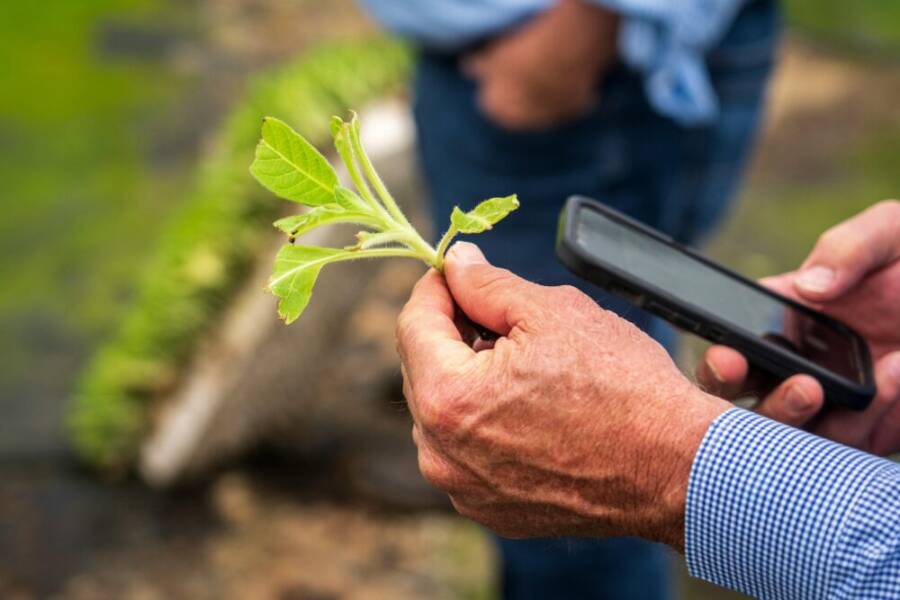
Many farmers and rural workers spend long hours outdoors, battling dust, rain, and spotty signals that make every phone call a challenge. A dependable device needs to stay on in rough conditions and keep you connected when coverage fades. When you need to troubleshoot a field issue or map a route to a distant field, your phone should be as reliable as your tools.
In this guide, you’ll learn how to pick a rugged phone that truly fits the workday grind. Focus on long battery life, a tough build, accurate GPS, and offline maps that work without a signal. Satellite messaging can be a lifesaver for field teams, letting you stay in touch even where cellular service drops.
By the end, you’ll know which models deliver practical durability, easy usability, and useful extras that matter in the field. Expect straightforward criteria and real‑world tips you can apply tonight, from battery swaps and glove-friendly screens to navigation aids and quick charging options. This is about choosing a phone that supports your workflow, not just your daily routine.
How to choose the best phone for farming and rural work
Choosing a phone for farm work means focusing on real-world reliability. You need a device that lasts through long days, handles dust and moisture, and stays connected where signals are weak. In this section, you’ll learn the exact features to prioritize and why rugged designs matter in the field.
Key features to look for in a farming phone
When you’re selecting a phone for outdoor work, these 6–8 features should guide your decision. Each one addresses a common field scenario, helping you choose a model that won’t let you down.
- Long battery life (aim for at least 8,000 mAh): All-day uptime matters when you’re checking irrigation, tracking livestock, or coordinating with a crew. A larger battery means fewer charging breaks in the field.
- Rugged certifications (IP68/IP69K, MIL-STD-810G/810H): Dust and water resistance prevent small incidents from becoming costly repairs. These ratings also shield the device from drops and vibration on farm equipment.
- Reliable GPS with strong satellite performance: Accurate location data helps you map fields, navigate remote paths, and track equipment efficiently. Look for models that perform well under trees, in canyons, and near tall storage structures.
- 4G/5G capability for rural areas: Even in the countryside, you need fast data and reliable calls. A phone with robust cellular bands reduces gaps in coverage and speeds up updates to your farming apps.
- Bright outdoor-friendly display: High brightness with good outdoor readability cuts through glare on sunny days and helps when you need to read a map or label in bright barns.
- Glove-compatible touchscreen: In cold weather or during chores, you’ll want to use gloves. A responsive screen that works with gloves reduces downtime.
- Water and dust resistance: Seam sealing protects essential components when spraying, washing machines, or sprinklers are near the workflow.
- Optional satellite messaging or SOS features: When cellular service drops, satellite messaging can keep you connected with your crew. SOS capabilities can be a safety net in emergency situations.
In addition to these core features, consider accessory compatibility. A rugged phone pair with a sturdy belt clip, a protective case, and an extra battery pack keeps you on track during multi-field days. For navigation and field data, offline maps are a big plus so you can work without constant signal. For teams, a device with reliable group messaging and SOS options can be a lifesaver in remote locations.
You can explore rugged models that balance battery life and durability with practical features. For instance, devices designed specifically for agriculture often emphasize long battery life, dust resistance, and outdoor readability. When you read reviews, pay attention to how the phone holds up in real farm conditions, not just lab tests. For broader context on popular rugged options, this roundup highlights models that are built to withstand tough environments, including farms and barns. Best rugged phones in 2025
- If you want to see how farmers are using rugged phones, a practical overview can be found here: Tough Tech for Farmers: Rugged Phones & Accessories Round-Up
For more guidance on the core specs that matter most in the field, this guide explains why MIL-STD validation and IP ratings correlate with day-to-day durability. The Best Rugged Phones in 2025
- For a broader take on why a rugged phone is worth the investment, see this farmer-focused breakdown. Why a Rugged Phone Is the Best Investment for Farmers
Photo by Mark Stebnicki
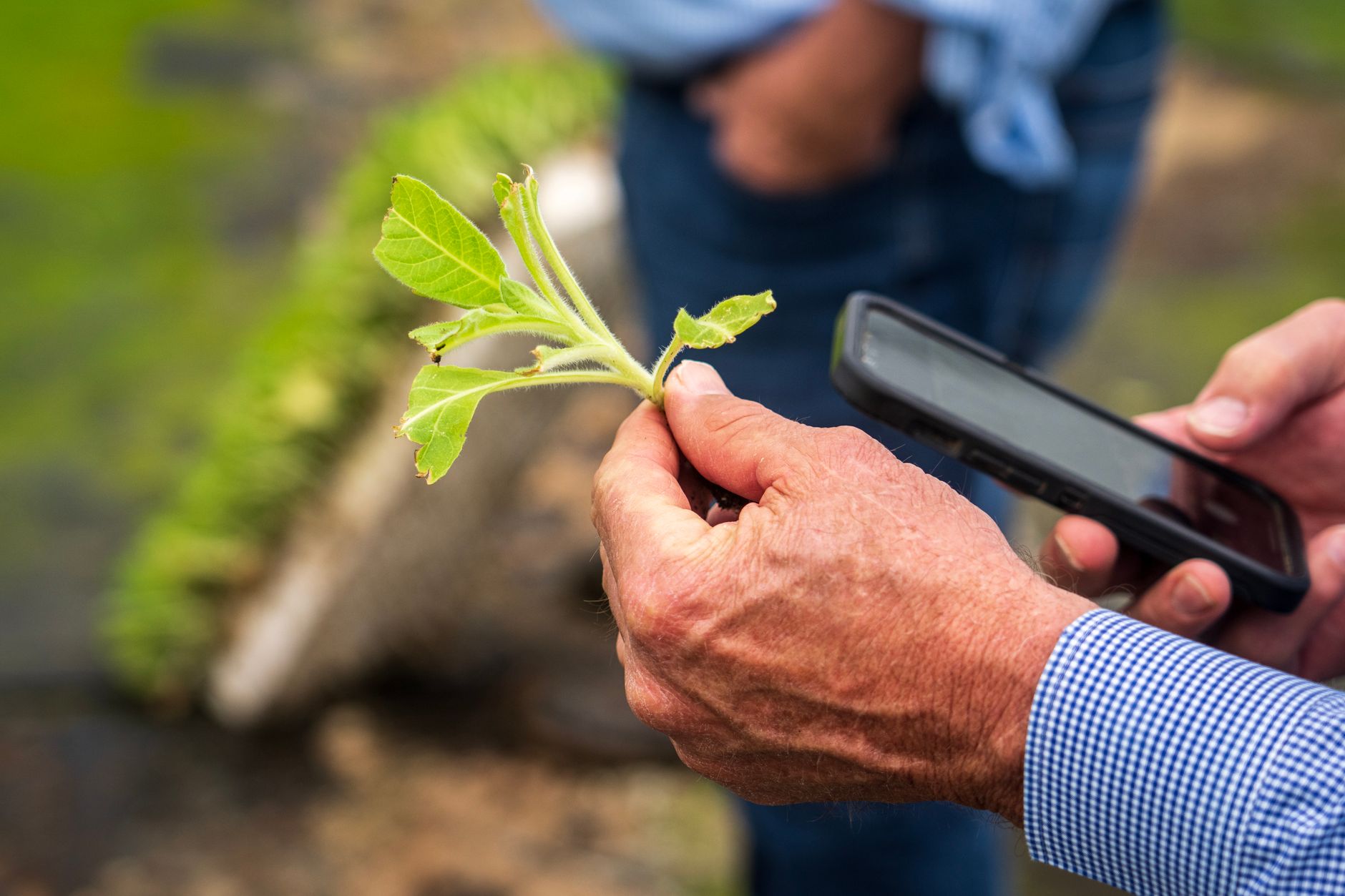 Photo by https://www.pexels.com/@nc-farm-bureau-mark
- In rain or dust, a rugged phone can keep working where a glass-front device fails. Look for phones with seals around ports and a robust frame to resist daily wear. Real field tests show that IP68/IP69K devices withstand muddy barns, wet harvest days, and splashes from irrigation lines.
- Battery care matters too. Some models support fast charging and compatible wireless charging, which helps when you’re moving between field tasks and need a quick top-up.
- For navigation, a phone with accurate GPS, GLONASS, and other satellite systems improves your ability to stay on course when signals are spotty. A reliable GPS helps you mark irrigation lines, track equipment, and plan logistics across multiple fields.
- A bright screen makes it easier to read maps in sunlight and to view labels on equipment. A glove-friendly screen reduces downtime during cold mornings or while handling equipment with gloves.
This combination of features gives you a phone that can perform in the field rather than sit idle in the truck. By prioritizing durability and practical connectivity, you’ll reduce downtime and increase productivity.
Why rugged designs win in fields and barns
Real life on the farm pushes devices to their limits. A standard phone quickly becomes flaky in dusty, wet, or cold environments. Rugged designs, on the other hand, are built to endure.
- In a dusty tractor barn, a normal phone might accumulate grit around the ports and speaker, leading to muffled calls or poor charging. A rugged phone’s seals prevent dust intrusion, keeping performance steady.
- During a spring rain, a casual phone can fail at the worst moment. Rugged designs resist water ingress, allowing you to continue fieldwork without swapping devices.
- If you drop a phone from a loader seat or onto a concrete floor, rugged models with MIL-STD-810G/810H certifications absorb impact and keep data intact.
In addition to protection, rugged phones are designed for one-handed use. Large, tactile buttons, accessible power and volume controls, and simple navigation reduce the need to pull off gloves or kneel to operate the device. The result is less downtime and more focus on essential tasks like gps tracking, route planning, and field diagnostics.
A rugged phone is not just a tool for emergencies; it is a reliable daily companion. It helps you photograph field notes, capture soil or crop data, and coordinate with your team from the field to the barn. The durability means fewer interruptions, quicker response times, and more time spent on productive work rather than equipment maintenance.
- A dependable GPS and offline maps reduce the need to return to the office for directions or field updates.
- A clear display improves readability when you are wearing protective eyewear or standing under a metal roof.
- Glove-friendly interfaces keep you moving during cold snaps or wet days when you cannot remove gloves easily.
Photo by Mark Stebnicki
Photo by https://www.pexels.com/@nc-farm-bureau-mark
- Finally, satellite messaging or SOS features can be a literal lifesaver in remote fields. When cellular networks falter, these options keep crews connected and safe.
This section lays out the practical criteria you should apply when evaluating rugged phones for farming and rural work. By anchoring your choice in battery life, protection, GPS reliability, connectivity, and user-friendly design, you’ll pick a device that genuinely supports everyday farm tasks.
References for practical context and further reading include rugged phone comparisons, field-ready device testing, and agriculture-focused reviews. For example, see The best rugged phones in 2025 and Tough tech for farmers.
Top rugged phones for farmers
Rugged phones are more than a buzzword for farm work. They tough out dust, moisture, and long hours in the field, while staying reliable when you need maps, inventory checks, or quick updates to a crew. In this section, you’ll find practical picks that balance durability, battery life, and real-world usefulness. We’ll focus on models that perform in barns, on tractors, and along remote fields where a phone should be a tool, not a liability.
Best overall value: DOOGEE Fire 6 Max and DOOGEE S200
For farmers watching costs without sacrificing core durability, these two models offer standout value. The DOOGEE Fire 6 Max pairs a notably large battery with sturdy construction and a wallet-friendly price. It’s designed to endure dust and splashes while delivering enough endurance to last a full day on tasks like soil sampling, inventory checks, and route planning. On the other hand, the DOOGEE S200 emphasizes battery longevity and robust performance in outdoor conditions, giving you solid endurance that suits long field days, harvest season, or multi-site coordination.
- Why they shine in the field: Big batteries mean fewer charging breaks when you’re out in the field, and rugged ratings help protect essential functions in dusty barns or muddy outdoor work. Both models are easy to use with gloves, and their daylight-friendly screens help you read maps and notes even in bright sun.
- Practical considerations: If your days run long and you need a phone that can keep going between field tasks, these DOOGEE options provide a compelling blend of price, durability, and usable features. For real-world performance, readers often cite reliable everyday behavior in dusty outdoor settings and straightforward menus that minimize downtime.
In practice, these models deliver the core benefits farmers expect: long battery life, dependable protection, and a price point that fits tight budgets. While they may not offer every premium feature of higher-end rugged devices, their value proposition is clear for everyday fieldwork and maintenance routines. For further context on battery emphasis and rugged design, see how mid-range rugged phones compare in the current market landscape.
External references:
- DOOGEE S200 overview and reviews: https://www.techradar.com/pro/doogee-s200-rugged-phone-review
- DOOGEE S200 official product page: https://www.doogee.com/products/s200?srsltid=AfmBOoqLtdfleBw34oqtt3crbMTZ5WyUF1Er0XQAKsVHGxpi6HhRyNhx
Ultimate toughness: 8849 Tank 3 Pro and CAT S75
When field conditions demand multi-day battery life and military-grade construction, these two models are designed to endure. The 8849 Tank 3 Pro and the CAT S75 push durability to the foreground, pairing rugged builds with features that matter in extreme environments.
- Battery life in the field: Expect back-to-back days of work without constant charging. These devices are built to survive long shifts in remote sites, where power is scarce and tasks compound quickly from site to site.
- Toughness that matters: Military-grade builds translate to real-life resilience. Drops from a farm vehicle, splashes during irrigation, or exposure to vibrations from heavy equipment won’t derail day’s work.
- Extra features for remote work: The CAT S75 adds satellite messaging capabilities, which can be a lifeline when cellular networks falter. This is especially useful for crews spread across large fields or temporary field offices with spotty coverage.
If you operate far from cellular towers or rely on satellite-based coordination, these models deliver lasting reliability in demanding environments. They’re not for everyone, but for farmers who need dependable uptime in the harshest spots, they’re strong contenders.
External references:
- CAT S75 satellite messaging and rugged capabilities: https://www.croptracker.com/blog/tough-tech-for-farmers-rugged-phones-and-accessories-round-up.html
- 8849 Tank 3 Pro overview: (official model pages vary; search for 8849 Tank 3 Pro rugged phone for current specs)
Reliable everyday option with solid features: Samsung Galaxy XCover 7 or 6 Pro
For farmers who want dependable performance with brand support and easier access to service centers, Samsung’s rugged lineup offers a practical middle ground. The Galaxy XCover 7 and the Galaxy XCover Pro / 6 Pro strike a balance between rugged design and everyday usability.
- Screen brightness and readability: These models typically offer screen brightness tuned for outdoor use, making it easier to read maps, soil data, or field notes in bright sun.
- Removable battery options and serviceability: Some variants let you swap batteries or access spare power more readily, which can be a real time-saver during long harvest days or multi-site work.
- Trade-offs with purpose-built rugged devices: Brand-backed models often have smoother software support, broader accessory ecosystems, and faster parts availability. They may not match the extreme durability of dedicated rugged phones, but they excel in everyday field use and reliability.
For farmers who value a known brand, predictable software updates, and accessible repair options, these Galaxy models offer a solid, practical path. They are ideally suited for routine field tasks like driver scheduling, equipment checks, and communication with crews.
External references:
- Samsung Galaxy XCover 7 review and specs: https://www.techradar.com/pro/samsung-galaxy-xcover-7-review
- Samsung Galaxy XCover Pro overview: https://www.samsung.com/us/business/smartphones/xcover-pro/
Practical buying guide and deals
When you’re equipping a fleet or upgrading gear for rugged fieldwork, the buying process matters as much as the phone itself. This section lays out practical paths to purchase, warranty basics, and how to sniff out good deals without compromising reliability. You’ll learn where to buy, what warranty terms to expect, and why extended coverage can save you headaches in the long run. A quick note: stick to official brand stores or authorized resellers to ensure genuine devices and proper after-sales support.
Where to buy and warranty basics
Buying from official brand stores or authorized resellers is the safest route for rugged phones used in demanding rural environments. These channels confirm authenticity, provide consistent warranty coverage, and guarantee access to genuine parts and service networks. When you’re in the field, you want a straightforward return policy and clear repair options if something goes wrong.
- Warranty terms you’re likely to see: most rugged phones carry at least a 1-year limited warranty that covers manufacturing defects. Some models offer extended warranties or optional protection plans that extend coverage for accidental damage or beyond the standard term. Check whether the warranty is transferable if you buy through a dealership or a corporate account.
- Return policies: reputable sellers typically provide a 14 to 30 day window for returns, with clear steps for RMA. Keep an eye on restocking fees and whether the return window extends for unopened accessories.
- Extended warranties and protection plans: field work adds risk. An extended plan can cover screen replacement, water ingress, or battery degradation after the standard term. If you replace devices during a field season or manage multiple units, the extra coverage can reduce downtime and replacement costs.
- Service networks in rural regions: confirm nearby authorized service centers or authorized repair partners. A phone is only as useful as its ability to be serviced quickly when you’re far from urban hubs. Brands with broader rural coverage reduce downtime and speed up fixes.
To buy with confidence, consider these practical sources:
- Official brand pages and shop sections for rugged lines, which often list warranty terms, repair options, and authorized retailers. For example, Samsung’s rugged lineup offers direct access to info on XCover models and authorized resellers. You can explore the Galaxy XCover Pro page for details on warranty and service options.
https://www.samsung.com/us/business/mobile/phones/galaxy-xcover-pro/ - Authorized reseller networks, which provide consistent warranty support and access to service centers. Samsung maintains a directory of authorized resellers to help you locate a nearby outlet.
https://www.samsung.com/us/shop/authorized-resellers/ - Major retailers that sell rugged phones in the US often include warranty terms in product pages or checkout summaries. For instance, retailers like Walmart and Best Buy commonly outline return windows and basic coverage in product listings. https://www.walmart.com/ip/Samsung-Galaxy-Xcover-PRO-Rugged-IP-Rated-64GB-Cell-phone-4G-LTE-Dual-Sim-US-Version-2022-Model-Black/12593109688
If you’re exploring nontraditional rugged options, verify the seller’s warranty and service options as you would with any major purchase. For models with satellite messaging or specialty features, confirm that service centers can handle hardware repairs, not just software updates. A quick check of the official product pages or a call to customer support can save you trouble after the sale.
In practice, the path to a reliable, serviceable device is clear: buy from sources that clearly spell out warranty terms, provide straightforward returns, and show you where to find authorized service centers. This approach minimizes surprises and keeps you on the job rather than waiting for a repair.
A few models and brands frequently appear in practical field guides for farmers and rural workers. For context on where to buy and how warranties are structured across the rugged segment, see these references:
- Galaxy XCover Pro and related rugged devices information and official availability: https://www.samsung.com/us/business/mobile/phones/galaxy-xcover-pro/
- Authorized resellers and warranty basics from Samsung: https://www.samsung.com/us/shop/authorized-resellers/
- Practical overviews of rugged phones and long-term support considerations: https://www.zdnet.com/article/best-rugged-phone/
For hands-on examples of purchase pathways and field-ready support, these sources provide a realistic picture of what buyers encounter in the market:
- DOOGEE rugged phones collection and official product pages: https://www.doogee.com/collections/rugged-phones?srsltid=AfmBOoqLtdfleBw34oqtt3crbMTZ5WyUF1Er0XQAKsVHGxpi6HhRyNhx
- CAT S75 rugged phone overview and specs: https://www.croptracker.com/blog/tough-tech-for-farmers-rugged-phones-and-accessories-round-up.html
- Galaxy XCover 7 Pro overview with durability details: https://www.techradar.com/pro/samsung-galaxy-xcover-7-review
Recognize that the best buying move is to confirm warranty coverage before purchase. If a deal sounds too good to be true, it probably is. A legitimate brand warranty paired with a robust service network reduces downtime and protects your bottom line in field operations. By sticking to official channels and authorized resellers, you’ll keep your smartphone ready for the long haul, whether you’re checking irrigation schedules, coordinating a crew, or recording field notes.
In the next sections, you’ll find practical picks that balance durability, battery life, and everyday usability, so you can pick the right device for your farm or rural job site.