What If the Only Thing Between You and the Life You Deserve Is a Hidden Wealth Code Waiting to Be Activated
>>> Open the Door <<<

Ever snapped a great moment on your smartphone and wished you could polish it right away for a quick share? This guide highlights the best apps to edit videos on your phone for Android and iOS, so you can craft social ready clips without a computer. You’ll find both free and paid options, plus clear notes on features that matter, like speed, ease of use, and portability. Whether you’re making a fast reel or a sharper mini video, these apps keep the process simple and efficient, even on a smartphone.
Why Edit Videos Right on Your Phone
Editing on a smartphone puts control back in your hands where ideas happen. It’s faster to iterate, easier to share, and often just as capable for the level of polish most creators need for social, stories, and quick campaigns. If you shoot with your phone, it makes sense to edit with it too. You can trim, color correct, add audio, and publish in minutes, not hours. This section explains why mobile editing deserves a place in your workflow and how to make the most of it.
Speed and immediacy
- When ideas are fresh, you want a fast path to a finished clip. Mobile editors let you trim, correct, and export on the spot.
- The single-device flow eliminates back-and-forth between camera, computer, and drive. This keeps momentum intact and reduces friction.
A lot of creators rely on quick edits for social posts, reels, and stories. The ability to shoot, edit, and post from one device saves time and keeps your content cadence steady. For many, this is the core advantage of editing right on a phone.
A rich set of features in a pocket-sized package
- Modern mobile editors include essential tools: trimming, transitions, audio mixing, color tweaks, and text overlays.
- Some apps offer advanced features like motion tracking, green screen, speed ramps, and keyframe animation, all tuned for touch screens.
You don’t need a desktop rig to access powerful capabilities. With well-designed apps, you can achieve a professional look without leaving your couch. If you’re curious about how mobile editing stacks up against desktop options, a recent comparison highlights how mobile apps cover both casual and semi‑professional needs (and why many creators still gravitate to mobile for daily work). See more in this detailed comparison: Mobile editing vs desktop editing.
There Is a Frequency That the Wealthiest Families Have Used for Generations and Most People Will Never Know It Exists
>>> Open the Door <<<

Portability and uninterrupted creativity
- A phone fits in a pocket, so edits travel with you. No need to carry a laptop or find a workspace.
- Cloud syncing lets you start a project on the go and finish it later on a different device, or share a preview with a client instantly.
That portability matters for on-location shoots, travel vlogs, or time-limited social campaigns. Your phone becomes a compact studio, ready to capture, edit, and publish as soon as you finish recording.
Seamless sharing and collaboration
- Export options often include multiple aspect ratios optimized for social networks, plus direct shares to platforms like Instagram, TikTok, YouTube, or WhatsApp.
- Built-in collaboration features let teammates comment on drafts or approve edits without exchanging files separately.
This streamlined path from capture to publish helps you keep a consistent posting rhythm. It also simplifies client reviews when you’re working on short-form projects with quick turnarounds.
Practical tips for getting the most from mobile editing
- Start with a clean timeline: label clips, trim aggressively, and keep your story moving.
- Use built-in presets for color and audio to maintain a cohesive look across posts.
- Save your favorite edits as templates for future projects, so you don’t reinvent the wheel every time.
- Consider your intended platform: shoot vertical for stories and reels, and landscape for YouTube shorts or longer clips.
A practical note: while mobile editing shines in ease and speed, it isn’t always the best fit for every project. For very long-form content or complex multi-camera sequences, desktop software may still offer superior control. If you want to explore the balance between mobile and desktop options, you can read a thorough overview here: Mobile vs desktop editing: which is right for you. This resource explains where mobile shines and where desktops pull ahead, helping you decide when to stay mobile or switch to a workstation.
Top Free Video Editing Apps to Try First
If you’re just starting out with mobile video editing, you want tools that are powerful but easy to pick up. This section highlights three top free options that offer strong bases for quick social videos, short clips, and simple edits on the go. Each app has its own strengths, so you can test which one fits your workflow without spending a dime.
CapCut: Templates and Effects Made Simple
CapCut makes getting polished results fast with a focus on templates, effects, and social-friendly features. You’ll find auto captions that save time, a built-in music library, and a broad library of transitions to keep your edits moving smoothly. Speed ramps let you vary tempo within a clip, which is great for emphasizing moments or creating punchy action sequences.
- Pros: The free version includes a watermark-free export for most projects, which is a big plus for quick social posts. TikTok integration helps you publish directly to your audience, shortening the path from edit to share.
- Cons: Occasional ads can interrupt the editing flow, especially during longer sessions. You may encounter occasional feature limitations if you rely heavily on templates.
CapCut is an excellent starting point for short social videos, especially if you want a clean, professional look without fiddling with too many controls. For a quick visual, capture a screenshot of the interface to compare layout and timeline behavior during a quick test run.
External resources for deeper context:
- CapCut information and user experiences often surface in app stores and creator communities.
[Explore CapCut on the App Store and official pages as you test it out.]
VN Video Editor: Clean Interface for Smooth Cuts
VN Video Editor provides a clean, distraction-free workspace that helps you focus on the cut. Its multi-track timeline supports layered edits, while keyframe animation lets you create subtle motion for titles and overlays. Color grading basics are accessible, helping you dial in a cohesive look without getting lost in options.
- Pros: No ads in many versions, which makes long editing sessions less distracting. The curve speed tool gives you precise control over how clips accelerate and decelerate, adding a cinematic touch.
- Cons: Fewer ready-made templates compared with some other apps, so you’ll rely more on your own edits to shape the style.
VN shines when you want a polished, clean aesthetic without heavy template dependence. Android and iOS support means you can start a project on one device and continue on another if you need to switch platforms.
Useful links for VN:
- Official App Store page for iOS
- Google Play listing for Android
[In-depth details about VN’s interface and features can help you decide if it matches your editing style.]
InShot: Quick Trims and Text Overlays
InShot remains a popular choice for beginners and quick edits thanks to its approachable tools and fast workflow. It covers the essentials well: crop and resize, a good range of filters, and fun stickers for personality. Text overlays and a straightforward voiceover feature enable you to craft clear, engaging clips in minutes.
- Pros: Extremely intuitive for first-time editors. Collage mode is handy when you want to assemble multiple media pieces into a single shareable post.
- Cons: The free export includes a watermark, which can be a drawback if you’re sharing publicly without editing further to remove it.
InShot is ideal when you want a quick, friendly tool that gets you from capture to publish with minimal friction. It’s a solid stepping stone before moving to more advanced editors as your needs grow.
External resources for InShot:
- InShot official site: https://inshot.com/
- InShot on the App Store: https://apps.apple.com/us/app/inshot-video-editor/id997362197
- InShot on Google Play: https://play.google.com/store/apps/details?id=com.camerasideas.instashot&hl=en_US
Tips to get the most out of these apps:
- Start with a simple story arc: one hook, two acts, a quick ending.
- Use auto captions to boost accessibility and engagement.
- Save your preferred settings as templates for future projects.
- Export in the aspect ratio that matches your primary platform, then resize if needed for others.
If you’re weighing options for a first mobile edit, these three apps deliver a strong mix of ease, capability, and cost-free access. They let you test your editing style before committing to a paid plan or a desktop workflow, while still offering room to grow as your projects get more ambitious.
Best Paid Apps for Pro Results on Mobile
If you’re serious about mobile video editing, a paid app often delivers more precise controls, faster performance, and an unfettered workflow. This section highlights three strong paid options that replace your laptop for many editing tasks while offering professional features you’d expect from desktop software. Each choice brings a different strength to your pocket studio, so you can match the tool to your style and projects.
LumaFusion: Full Studio Power for iPhone Users
LumaFusion stands out as a true on-device studio. It supports multi-layer timelines, powerful audio editing, and a robust set of color tools that let you shape tone and mood without leaving your phone. You can stack multiple video and audio tracks, adjust keyframes, and import XML exports if you jump between desktop and mobile workflows. For serious creators, this means you can sculpt complex sequences on the go, then hand off a project for further work on a larger screen if needed.
Key strengths include the ability to work with four or more video and audio layers, a detailed color correction suite with LUT support, and precise audio ducking to tame voiceovers under soundtracks. LumaFusion also handles 4K exports with high efficiency, which helps preserve quality on fast social repurposing or client previews. The app is optimized for iPhone and iPad, and the workflow remains smooth even on older devices, provided you keep projects organized and timelines lean. XML export offers a bridge for more extensive pipelines, making it possible to revisit and revise edits in desktop apps later.
Pros: pro workflows in a compact package, no need for a secondary device for the core edit, strong stability under pressure. Cons: iOS only, a steeper learning curve for new users who want to unlock advanced features. Best for serious creators who want a desktop-like experience on a mobile device. For a detailed external perspective on LumaFusion’s capabilities, see reviews at the Apple App Store page and industry analyses: LumaFusion on the App Store, Provideo Coalition review on LumaFusion, MacProVideo review of LumaFusion.
Adobe Premiere Rush: Easy Sync Across Devices
Premiere Rush is the mobile companion to Adobe’s desktop Premiere Pro, designed for fast, cohesive editing across devices. This paid option shines when you want a familiar, professional interface that travels with you. The color wheels, motion graphics, and built-in templates help you move quickly from rough cut to a polished piece. Because Rush syncs with Creative Cloud, you can start a project on your phone, continue on a tablet, and finish on a desktop without losing any edits or assets.
One of Rush’s strongest selling points is its seamless integration with Premiere Pro. If you already use Adobe’s ecosystem, you’ll appreciate this continuity, which helps maintain a consistent look across your projects. The cloud storage keeps assets accessible anywhere, which is a real boon for teams that collaborate across time zones. The trade-off is the subscription model, which means ongoing costs if you rely on Rush as your main editing tool. However, for Adobe fans, the ability to access color wheels, motion graphics templates, and responsive cloud syncing makes Rush a compelling mobile editor.
Thousands of People Were Struggling With Money Until They Discovered This One Ancient Secret Hidden in Sound
>>> Unlock It Now <<<

Cross-platform flexibility ensures your project files stay in sync whether you’re on iOS or Android. For creators who value a straightforward path from mobile to desktop, Premiere Rush offers a balanced mix of simplicity and professional features. To explore further, you can check out official pages and related reviews: Adobe Premiere Rush on the App Store, [Premiere Rush product page](https://www.adobe.com/products/premiere Rush.html).
PowerDirector: Packed Features for Android
PowerDirector brings a comprehensive feature set to Android devices, making it a strong choice for mobile editors who want depth without leaving the phone. Its AI-driven effects help you elevate footage with minimal manual tweaks, while the chroma key tool lets you pull off green screen looks more easily than ever. Stabilization keeps footage smooth, especially when you’re shooting on the go with hand-held or action cam styles.
The app’s strength lies in its versatility. You can perform multi-track editing, apply precise color corrections, and insert motion graphics directly within the timeline. Regular updates keep the toolchain fresh, adding new effects, transitions, and improved performance. The main downside is the presence of some in-app purchases, which can segment features behind paywalls. For action cam setups, or when you need reliable stabilization and chroma key on a mobile device, PowerDirector delivers solid, production-ready results.
Pros: feature rich, frequently updated, strong for action footage. Cons: some features gated behind in-app purchases. If you’re exploring options for Android, PowerDirector is a standout choice and a solid partner when you want pro-level control without a computer. For more context, you can browse official guides and reviews: PowerDirector on Google Play and related feature pages.
Pick the Right App and Level Up Your Edits
Choosing the right editing app is the first step to turning raw footage into polished, shareable videos. The goal is to find a tool that fits your workflow, not just your device. Below you’ll find practical guidance to help you pick wisely and push your edits from basic cuts to professional polish, all from your smartphone.
Understand your editing goals
Before you open any app, pin down what you want to achieve. Are you creating fast social reels, tutorial clips, travel vlogs, or short ads? The answer guides both app choice and your edit style.
- If speed is king, look for apps with templates, auto captions, and one-tap exports.
- If you want a cinematic look, prioritize precise color control, keyframes, and motion graphics.
- If collaboration matters, choose tools with cloud syncing and shared project capabilities.
Visualizing the end product helps you narrow down the feature set you’ll actually use. For many creators, a mix works best: a quick editor for drafts and a more capable app for final touches.
Match features to your typical projects
Different apps emphasize different strengths. Here are common needs and how they map to popular mobile editors:
- Templates and presets: CapCut, InShot
- Color correction and LUTs: LumaFusion, Premiere Rush
- Multi-track timelines: VN Video Editor, PowerDirector
- Green screen and advanced compositing: PowerDirector, CapCut
- Auto captions and accessibility: CapCut, InShot
- Direct publishing to platforms: CapCut, InShot, VN
Think about your most frequent tasks. If you shoot a lot of on-the-go clips, you’ll likely value easy transitions and fast exports. If you produce longer, more complex videos, a multi-track timeline and robust color tools become worth paying for.
Free vs paid: what really matters
Free apps are fantastic for learning and light editing, but paid options often unlock deeper control and faster performance. Here’s a practical way to compare:
- Core editing tools: Most free apps include trimming, transitions, and audio editing. Paid versions usually add advanced color grading, motion graphics, and faster rendering.
- Watermarks and export limits: Free tiers may watermark exports or impose length caps. If your goal is a clean, professional look, a paid plan can be worth it.
- Asset libraries: Free plans often come with limited music and template choices. Paid plans expand libraries, which saves time.
- Cross-device workflows: If you switch between phone, tablet, and desktop, paid plans tied to a single ecosystem (like Adobe or Apple) can streamline projects.
A practical tactic is to start with free options to test your style, then upgrade only when you hit feature walls or need faster workflows for clients.
Quick-start playbooks for Android and iOS
To get you editing fast, here are two practical starter paths you can try this week.
- Android quick-start: Start with PowerDirector or CapCut for templates and fast exports. Add a few color tweaks, a punchy soundtrack, and a title sequence. Export in the platform’s preferred aspect ratio first, then adjust for others.
- iOS quick-start: Begin with LumaFusion for deeper control or Premiere Rush for cloud-sync familiarity. Build a short sequence with two layers for video and audio, then layer a title and a quick color grade for a cohesive look.
Both paths emphasize a simple three-step flow: trim, enhance, and publish. As you gain confidence, layer on more advanced tools like keyframes, motion effects, and audio ducking to raise the production value.
Test and compare without overinvesting
If you’re unsure which app suits you best, run a mini side-by-side test. Create a 1-minute clip in two different apps, using the same source material. Compare:
- Speed of editing and rendering
- Ease of use and learning curve
- Quality of export (resolution, bitrate, color accuracy)
- Availability of templates, transitions, and effects
- Export options and direct sharing to your main platforms
This side-by-side approach helps you pick a starter app that actually fits your routine, not just a marketing pitch.
Practical tips for a smoother workflow
- Keep a small library of pre-made templates for different video types.
- Use auto captions for accessibility and engagement.
- Save frequently used color looks as presets.
- Shoot with the final aspect ratio in mind to reduce resizes.
- Test exports on mobile networks to ensure smooth delivery when you’re posting from the go.
A note on platform realities: some features work differently across Android and iOS. If you plan to switch between devices, prioritize apps with strong cross-platform support and cloud syncing.
Images to inspire your editing mindset
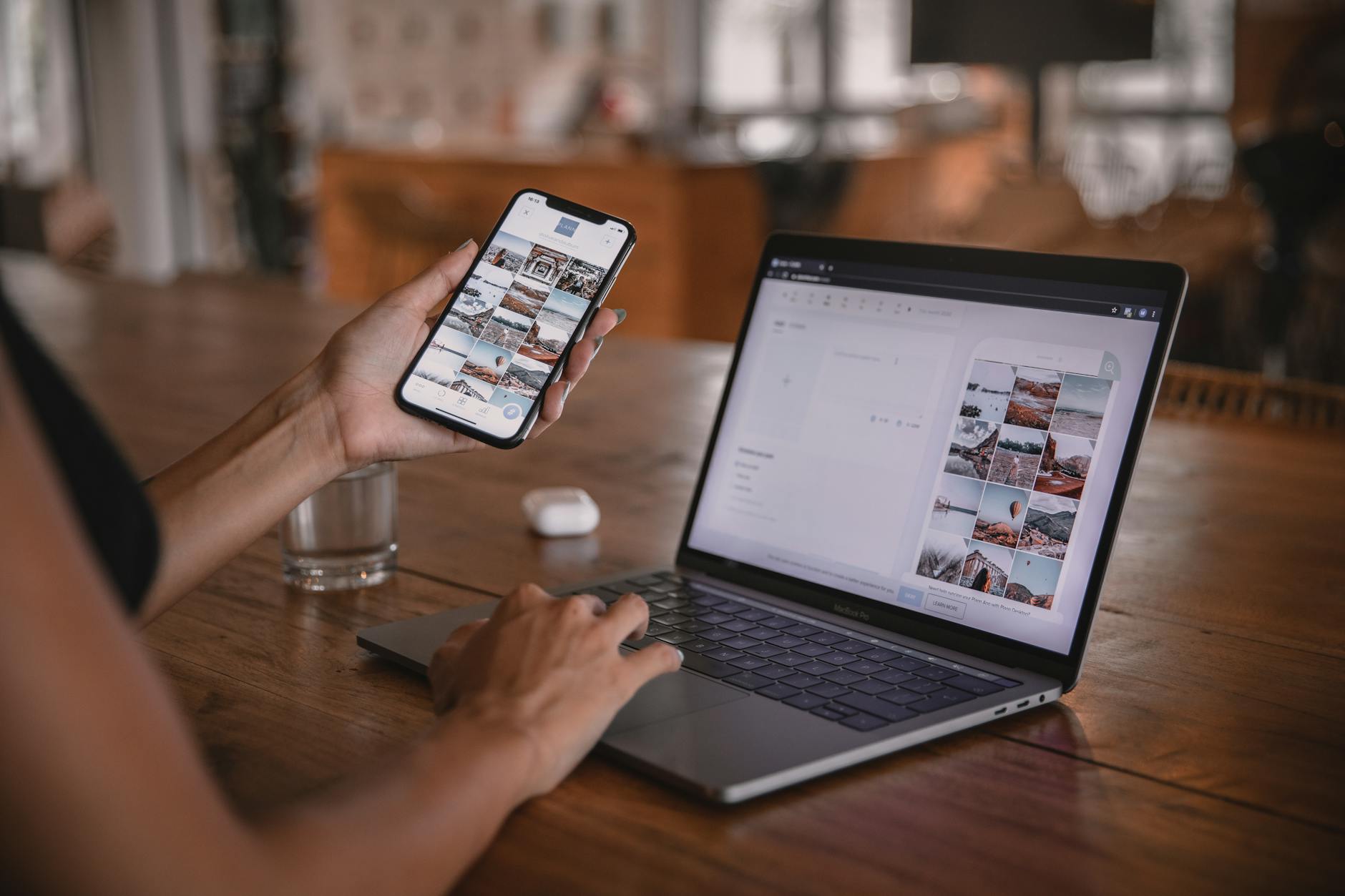
Photo by Plann
There Is a Frequency That the Wealthiest Families Have Used for Generations and Most People Will Never Know It Exists
>>> Open the Door <<<
This scene captures the portable mindset editors value—shot on the go, polished in minutes, and ready to share. A single device, many outcomes.
Where to look for trusted app guidance
When you want deeper context or fresh comparisons, credible roundups help. For example, major outlets test many mobile editors and compare performance, templates, and overall usability. A well-rounded guide can offer a snapshot of what’s possible across platforms and price points. For additional reading, consider sources like PCMag’s mobile editing picks and CyberLink’s breakdown of free options. You’ll find analyses such as “The Best Mobile Video Editing Apps We’ve Tested” and practical insights into free versus paid tradeoffs:
- The Best Mobile Video Editing Apps We’ve Tested for 2025
- The Best Free Video Editing Apps in 2025
Further reading on workflow balance and platform nuances is available from industry-focused reviews and tutorials. For example, learning how professional editors choose between mobile and desktop tools can help you decide when to stay mobile or move to a workstation. These resources provide context without locking you into a single path.
- The Best Free Video Editing Apps in 2025
- Best Video Editing Apps 2025: Android, iPhone, iPad Picks
Images and examples can clarify how the choices feel in practice and help you decide which path matches your goals.
Related apps you may encounter and why they matter
- CapCut: Great for templates and fast social-ready edits.
- VN Video Editor: Clean interface with a capable multi-track timeline.
- InShot: Simple, beginner-friendly tool for quick posts and collages.
- LumaFusion: A near-desktop editing experience on iPhone and iPad.
- Adobe Premiere Rush: Strong cross-device workflow for teams and single editors alike.
- PowerDirector: Deep feature set for Android with solid stabilization and chroma key.
Each app has its own personality. Your job is to pick the one that aligns with how you work, not just what sounds impressive.
Quick reference: where to start
- If you want speed and simplicity: CapCut or InShot.
- If you want more control on color and timing: LumaFusion or VN Video Editor.
- If you need strong cross-device work and professional templates: Premiere Rush.
- If you shoot a lot on the move and need robust stabilization: PowerDirector.
With the right app in hand, you can quickly elevate your edits from simple cuts to scenes that feel crafted. The next section dives into paid options that give you desktop-level control in a pocket-sized package, so you can choose the path that fits your ambitions.
For further context on professional-grade mobile editing, you can explore expert reviews such as those on the official pages and respected tech outlets. See more here: LumaFusion on the App Store and Adobe Premiere Rush product page.
Conclusion
The right mobile editor can turn quick footage into polished videos without a computer. For free options, CapCut and VN Video Editor give you strong bases with templates, fast exports, and multi‑track capabilities that fit casual and semi professional needs. These tools let you test your style, learn the basics, and publish fast from a pocket sized setup.
If you want desktop like control in a pocket, LumaFusion stands out on iPhone and iPad. It delivers a true on device studio experience with multiple layers, precise color work, and a robust timeline that keeps you in the flow. It helps you reach higher production values while staying in reach of a phone.
Your next step is simple: download one of these editors, but don’t overthink it. Try CapCut for quick social posts, VN for clean cuts and steady pacing, or LumaFusion for deeper edits. Run a small project end to end and compare speed, ease, and export quality. This hands-on test will reveal what fits your workflow and goals as a creator.
What’s your favorite app or a tip you swear by? Share it in the comments so others can learn from your experiments. The fun of mobile creation comes from trying new ideas, wrapping them into a story, and sharing it with the world.
Thousands of People Were Struggling With Money Until They Discovered This One Ancient Secret Hidden in Sound
>>> Unlock It Now <<<