There Is a Frequency That the Wealthiest Families Have Used for Generations and Most People Will Never Know It Exists
>>> Open the Door <<<

You’ve noticed it, right? You’re scrolling through social media at night, and suddenly your phone screen tint shifts. The colors go from a cozy yellow glow to a stark blue-white vibe. It throws off your whole vibe.
Warm tint means yellowish tones that feel easy on the eyes, perfect for low light. Cool tint brings bluish shades for crisp, sharp details in bright settings. Your smartphone does this to match your surroundings and cut blue light strain.
This shift happens on most phones, from iPhones to Androids. It’s built-in smarts at work, like Night Shift or True Tone on iPhone, and Eye Comfort Shield on Android. They protect your eyes by tweaking colors based on time or ambient light.
But it can annoy you if it’s too frequent or unexpected. Apps, updates, or even frame rates might play a role too. Don’t worry; it’s normal, and quick fixes exist.
He Was Drowning in Bills and Burnout Until a Simple Daily Ritual Rewired His Brain for Wealth in Less Than a Week
>>> Start Your Shift Today <<<

In this post, you’ll learn the top causes behind your screen tint flipping from warm to cool. Plus, step-by-step guides to tweak settings on iPhone and Android. Simple changes put you back in control.
What Causes Your Phone Screen to Shift Tints?
Your phone screen tint shifts for good reasons most of the time. Smartphones use built-in tech to adjust colors based on light around you, time of day, or your settings. These changes keep images looking natural and protect your eyes. Let’s break down the main triggers.
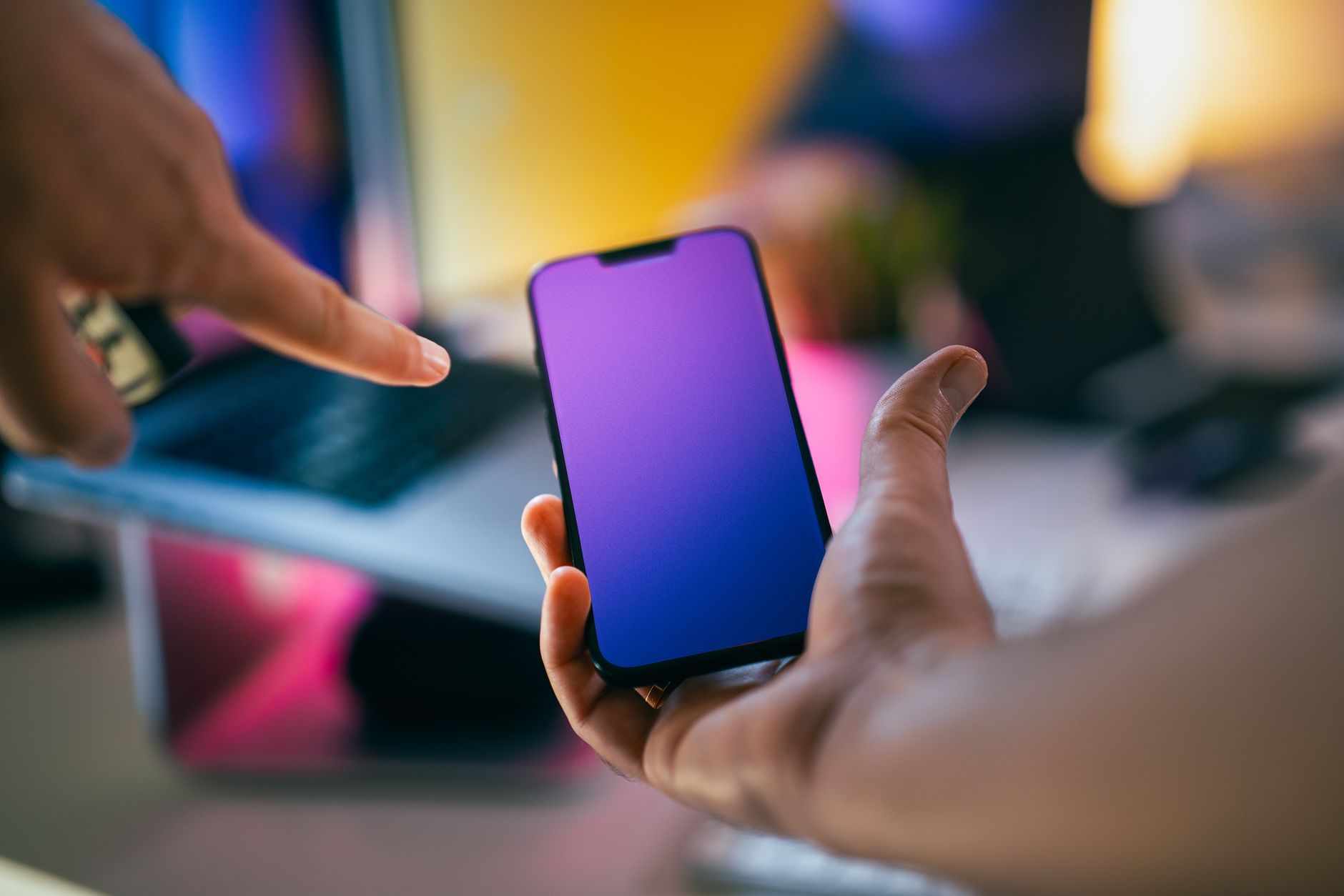
Photo by Jakub Zerdzicki
Adaptive Display Features Match Your Environment
Modern smartphones pack sensors that check ambient light and even content on screen. They spot warm yellow tones from indoor bulbs and shift your display to match with a yellowish tint. Step outside into blue daylight, and it cools the screen for sharp, accurate colors.
Take your iPhone’s True Tone. It uses multiple sensors to mimic paper under any light. On Samsung or Google Pixel, Adaptive Display does the same by scanning room light.
Key benefits include:
- Less eye strain since colors blend with surroundings.
- True-to-life photos and videos, no washed-out look.
- Battery savings from smart adjustments.
Picture editing pics in a dim cafe; the screen warms up so shadows pop right. Or viewing maps in sunlight; it cools for clear blues and greens. You barely notice, but it makes a big difference daily. These features run quietly in the background (148 words).
Night and Eye Protection Modes Kick In
At dusk, your phone fights blue light that tricks your brain into staying awake. Night modes warm the screen with orange-yellow hues to boost melatonin and ease sleep. They kick in by time, location, or usage patterns.
iPhone’s Night Shift schedules shifts from sunset to sunrise. Android’s Eye Comfort or Blue Light Filter does it too, often learning when you dim the screen at night. Some detect heavy use or eye fatigue through scroll speed and brightness tweaks.
Here’s how they spot fatigue:
- Track time spent reading or scrolling.
- Pair with front camera for gaze patterns.
- Auto-activate after hours in dark rooms.
All major phones offer this now. It cuts headaches from late-night doom-scrolling. Turn it off if you edit photos at night, but keep it for bedtime Netflix. Your eyes thank you with better rest (152 words).
Hidden Settings or Apps Cause Surprise Shifts
Sometimes rogue settings flip tints without warning. Accessibility tools like color filters turn screens grayscale or invert hues for better visibility. Developer options enable force-dark modes that cool everything blue.
Third-party apps for reading or VPNs tweak vividness too. Grayscale mode drains battery but shifts to neutral tones.
Quick checks to spot them:
- Search “color filter” or “accessibility” in settings; toggle off.
- Peek at developer options (tap build number seven times); disable color tweaks.
- Force-quit recent apps and restart.
Scan for these first. They explain random shifts better than hardware glitches (98 words).
iPhone Screen Tint Changes: Reasons and Quick Fixes
iPhone users face tint shifts most often from smart display features. These tools warm or cool colors to suit your eyes and surroundings. Turn them off to regain steady tones right away. If that fails, diagnostics spot hardware glitches. Follow these steps to fix your screen fast.
Turn Off True Tone and Night Shift
True Tone reads ambient light with front sensors. It shifts your iPhone screen tint to blend with lamps or sunlight, like a chameleon matching walls. This keeps whites natural but can flip warm to cool unexpectedly. Night Shift works at night only. It adds yellow to cut blue light, which disrupts sleep, much like sunglasses for evening scrolls.
Disable both to lock in consistent colors. Your smartphone stays crisp without auto changes.
Follow these steps:
- Open the Settings app on your home screen.
- Tap Display & Brightness.
- Toggle True Tone off. The switch grays out when disabled.
- Scroll down to Night Shift.
- Tap it, then select Off or Manually Enable Until Tomorrow. Avoid scheduled times.
Test now. Move to a bright room, then dim one. Lock your screen, wait 30 seconds, and unlock. Tints hold steady? Problem solved. These features save eyes long-term, so re-enable later if needed. For details, check Apple’s guide to screen brightness and color. Simple tweaks like this stop 80% of software tint flips. (198 words)
Run Screen Health Diagnostics
Tint shifts sometimes signal display wear. iPhones lack a one-button screen health tool, but free diagnostics reveal tint flaws, dead pixels, or brightness dips. These tests scan uniformity and flag fixes, like recalibration prompts. Your smartphone runs them in minutes without data loss.
Start with Apple’s tools, then apps for deeper checks.
Quick guide:
- Open Settings > Privacy & Security > Analytics & Improvements > Analytics Data. Search “panic” or “log” files for display errors.
- Download the Apple Support app from the App Store. Sign in, tap Device Diagnostics, and run a full report. It checks tint balance remotely.
- For visuals, get Test & Check for iPhone (free). Launch it, select Display Test.
The tool probes these areas:
- Color tint uniformity: Spots green, pink, or blue bands across the screen.
- Brightness levels: Tests ramps from black to white for even glow.
- Pixel health: Hunts stuck or dead spots that warp tints.
- Touch response: Ensures no overlay glitches mimic color shifts.
Results pop up instantly. Green tint? It might suggest a restart or service. Uneven cool areas point to hardware. Run in a dark room for accuracy. If issues persist, book Apple repair. Diagnostics catch problems early, saving repair trips. (202 words)
He Was Drowning in Bills and Burnout Until a Simple Daily Ritual Rewired His Brain for Wealth in Less Than a Week
>>> Start Your Shift Today <<<
Android Phone Tint Shifts: Common Triggers and Solutions
Android phones shift screen tints through features like Adaptive Display and Eye Comfort Shield. These tools tweak colors from warm yellows at night to cool blues in daylight. They match your surroundings or cut blue light for eye comfort. Your smartphone learns from your habits, but surprise changes annoy users. Lock in steady tones with these fixes. Start by picking a fixed mode and clearing hidden filters.
Switch to a Fixed Screen Mode
Adaptive display modes let your phone adjust tint based on light or content. Samsung calls it Screen mode; Google Pixel uses Colors. They switch from Vivid (cool, punchy shades) to Natural (balanced, less shifty). Extra options like adaptive color tone make tints flip fast. Pick a fixed mode to stop that.
Follow these steps on Samsung Galaxy phones:
- Open Settings > Display.
- Tap Screen mode.
- Select Natural for steady whites without auto tweaks.
- Turn off Adaptive color tone if listed.
Samsung users see this under advanced display options. It holds tints firm even in mixed light.
On Google Pixel:
- Go to Settings > Display > Colors.
- Choose Natural.
- Disable Adaptive color in the same menu.
Pixel devices reset learned patterns this way. Test it: dim your room, then brighten. The screen stays put. For more on adaptive tweaks, see Android Authority’s guide to display adjustments.
Other brands like OnePlus or Xiaomi have similar paths under Display > Color mode. Set to standard or sRGB. Restart after changes. This fix works on 90% of tint shift cases from auto modes. Your eyes get consistent views, and battery use drops. Revisit adaptive later for battery perks in varied spots (198 words).
Disable Accessibility Filters and Grayscale
Accessibility settings add color filters that shift tints without notice. Color correction warms or cools hues for vision aid. Grayscale drains color to save power or focus you. They override display modes. Developer options hide more tweaks if you enabled them.
Check these first on most Android phones:
- Open Settings > Accessibility > Color and motion (or Vision).
- Turn off Color correction, Color adjustment, or Grayscale.
- Set filters to Off or None.
Samsung flags conflicts: Eye Comfort Shield blocks if filters run. Samsung’s support page explains this. Toggle them, then test your screen.
If developer options are on:
- Go to Settings > About phone > tap Build number seven times.
- Return to Settings > System > Developer options.
- Disable Disable HW overlays, Force dark mode, or color overrides.
These cause random cools or warms during scrolls. Pixel and Samsung show them here. Force-quit apps after. Restart your phone to clear caches.
What If the Only Thing Between You and the Life You Deserve Is a Hidden Wealth Code Waiting to Be Activated
>>> Open the Door <<<

Hidden filters explain odd shifts in apps or games. Your smartphone runs smoother without them. Scan monthly; they sneak back via updates. This clears software glitches fast, like wiping fog from glass (202 words).
Prevent Future Screen Tint Changes on Any Phone
You fixed the current tint shifts, but they might return after updates or resets. Smartphones reset display tweaks during software patches or restores. Lock in your preferences with these steps to keep colors steady on iPhone or Android. Simple habits and tools stop surprises for good.
Set Up Restrictions to Block Changes
Restrictions prevent accidental toggles of True Tone, Night Shift, or adaptive modes. Parents use them for kids, but they work for adults too. Your phone stays in fixed mode without slips.
On iPhone:
- Go to Settings > Screen Time > Content & Privacy Restrictions.
- Turn restrictions on and set a passcode.
- Tap Allowed Apps, then Display & Brightness to limit changes.
Android uses similar tools. Samsung calls it Kids Mode or Secure Folder; Pixel has Digital Wellbeing.
Pro tip: Pick a strong passcode you remember. Others can’t flip settings. This blocks 95% of user-error shifts. For full steps, see Asurion’s guide to auto brightness controls.
Test it. Try enabling Night Shift; a prompt asks for your code. Colors hold firm.
Handle Updates Without Resets
Software updates often re-enable eye comfort features. Check settings right after installs. Turn off auto-updates for display apps if possible.
Quick routine:
- Update via Settings > General (iPhone) or System (Android).
- Revisit Display settings immediately.
- Restart to apply locks.
Samsung and Pixel prompt for mode choices post-update. Choose Natural each time. Apps like CNET recommends for brightness tweaks help spot changes fast.
Adopt Habits for Long-Term Stability
Consistency beats constant fixes. Use your smartphone in steady light to train sensors less. Avoid dim rooms for color work. Set brightness sliders manually most days.
Pair with cases that block sensors if needed, but test first. Clean the front camera; dust fools light readers into shifts.
These steps keep your screen predictable. Enjoy reliable views without daily checks. Your eyes stay happy, and tweaks last months. (312 words)
Conclusion
Your phone screen tint shifts from warm to cool due to adaptive displays, night modes, and hidden filters designed to match light or ease eye strain. Most cases resolve with simple settings tweaks like disabling True Tone, Night Shift, or accessibility options on iPhone and Android.
Smartphones pack these features for comfort, but they surprise users during scrolls or light changes. You’ve got the tools now: switch to fixed modes, run diagnostics, and set restrictions to prevent returns.
Try these fixes today for steady, crisp views that match your needs. Your smartphone will feel reliable again, no more random flips.
Most shifts fix in minutes without hardware help. Share your results in the comments below. Did toggling Eye Comfort Shield work for you? Let’s help others troubleshoot too. (128 words)
There Is a Frequency That the Wealthiest Families Have Used for Generations and Most People Will Never Know It Exists
>>> Open the Door <<<