
He Was Drowning in Bills and Burnout Until a Simple Daily Ritual Rewired His Brain for Wealth in Less Than a Week
>>> Start Your Shift Today <<<

Tile flooring can transform a space with beauty, durability, and easy maintenance. If you’re weighing options for a kitchen, bath, or entryway, Home Depot offers a broad range of ceramic, porcelain, and stone tiles. This guide helps you decide when tile is the right fit, what to consider, and how to shop effectively at Home Depot so you get the best value.
Tile flooring is not a one size fits all decision. It’s about matching your room conditions, budget, and lifestyle to the right product. With the right choice, you’ll enjoy a floor that stands up to daily wear, looks timeless, and stays easy to clean. Below you’ll find clear guidance on selecting tile, from material basics to installation considerations, plus practical tips for shopping at Home Depot.
Tile Flooring Basics: Ceramic vs Porcelain vs Natural Stone
Tiles come in several families, each with strengths and tradeoffs.
What If the Only Thing Between You and the Life You Deserve Is a Hidden Wealth Code Waiting to Be Activated
>>> Open the Door <<<

- Ceramic tile: Made from clay and baked at a moderate heat. It’s usually a budget-friendly option and comes in a wide range of colors and patterns. Ceramic tiles are great for low to moderate traffic areas where moisture is present but not extreme. They’re easier to cut and work with for DIY projects. The key limit is durability in very high traffic areas.
- Porcelain tile: A denser tile with low water absorption. Porcelain is excellent for floors in kitchens, bathrooms, and entryways. It resists stains and wears well, which makes it a solid long term choice. A higher price tag often accompanies porcelain, but you get longevity and less maintenance over time.
- Natural stone tile: Marble, travertine, slate and others offer a unique look. Stone tiles bring natural variation and a premium feel. They require more care, especially sealing and periodic maintenance, and they may be more sensitive to acidic cleaners. Stone can be a great choice in living spaces or bathrooms with good maintenance.
When you’re evaluating tile, check the product’s rating for durability and moisture. Look for ratings like PEI for wear resistance and a water absorption rating. These specs tell you where a tile performs best and how it will behave in a particular room.
Photo
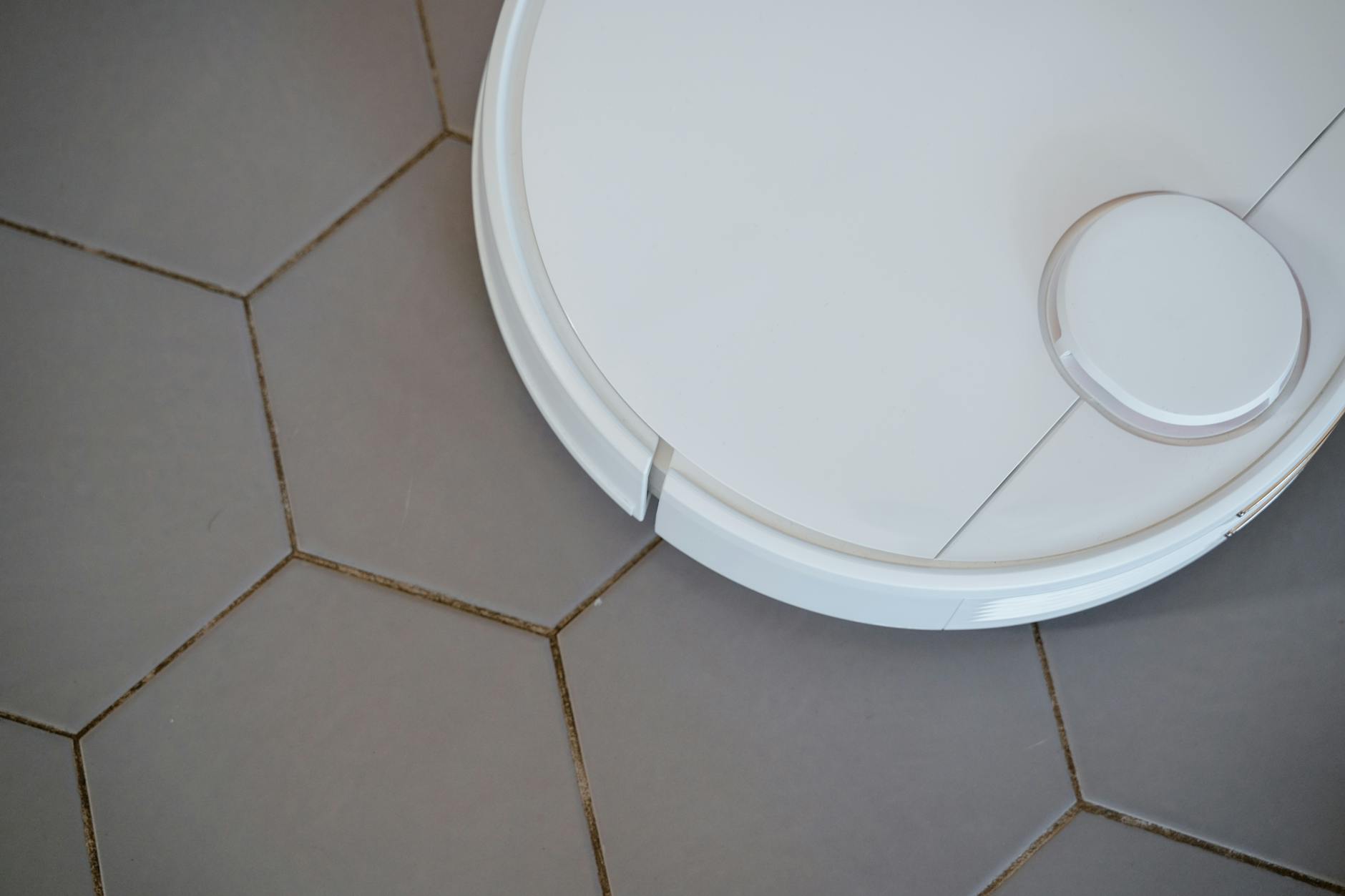
Photo by MART PRODUCTION
Know Your Spaces: Where Tile Makes Sense
Tile shines in spaces with moisture, spills, or heavy foot traffic. Consider these rooms and situations:
- Bathrooms: Tile handles humidity and splashes with ease. Porcelain or ceramic tiles with good slip resistance are common in showers and floors.
- Kitchens: A durable, water resistant tile works well under sinks and near appliances. Lighter shades can hide grout marks between heavy-use zones.
- Entryways and mudrooms: Tile is a smart choice for high-traffic areas that track in dirt. A larger format reduces grout lines, making cleaning quicker.
- Laundry rooms: Damp environments benefit from low water absorption tiles and durable surfaces.
- Basements and laundry rooms: Porcelain and other dense tiles resist moisture and temperature shifts.
- Outdoor spaces: Some porcelain tiles are rated for exterior use. They withstand weather changes and maintain grip when wet.
Choosing the right tile for each space helps you balance cost, performance, and style. If you’re not sure, a Home Depot associate can point you to products designed for that room and climate.
Pros and Cons of Shopping Tile at Home Depot
Why Home Depot is a solid starting point for tile purchases:
- Broad selection: There’s a wide range of colors, formats, and price points. You can compare ceramic, porcelain, and natural stone side by side.
- Clear pricing and product details: Online listings and in-store displays include size, thickness, and installation notes. This helps you estimate costs more accurately.
- Helpful services: Many stores offer design guidance, measurement, and installation services. Home Depot can connect you with licensed pros for complex projects.
- Convenience: Online ordering, in-store pickup, delivery, and sample options make choosing tile easier. You can order several samples to see how they look in your space.
- Returns and support: Home Depot’s return policies on flooring materials are straightforward, which reduces risk when you’re testing a new look.
Keep in mind there are a few things to watch for:
- Stock can vary by location and season. If you see a tile you love online but don’t find it locally, you can often order it for home delivery.
- Large format tiles may require professional installation, especially if your floor needs straight edges and precise leveling.
- Some specialty stones or designer options may come with longer lead times or higher shipping costs. Plan ahead if you’re on a tight schedule.
Size, Color, and Style Trends to Consider
Staying current helps you pick a tile that remains appealing for years. Trends that commonly show up in Home Depot collections include:
- Larger formats: 12×24 inches or 24×24 inches make rooms feel bigger and reduce grout lines. They’re popular in kitchens and living areas.
- Neutral tones with warmth: Beige, soft taupe, greige, and warm grays suit many decors and stay timeless.
- Wood look in porcelain: Wood grain patterns in porcelain offer the look of real wood with far greater durability and easier maintenance.
- Matte finishes: A low sheen helps hide minor scratches and cleaning marks, while still reflecting light well.
- Subtle textures and bevels: Gentle texture adds depth without overpowering a space or making maintenance harder.
- Mixed sizes and patterns: A combination of large and small tiles or a simple grid can create a modern, custom feel.
How to Choose Tile at Home Depot: A Step by Step Guide
She Pressed Play on a Strange Audio Track and Within Days Her Financial Reality Started Shifting in Ways She Could Not Explain
>>> See How It Works <<<

Follow these steps to pick tile with confidence.
-
Measure accurately: Measure the length and width of the space. Multiply these numbers to get square footage. Add 10 percent for waste, cuts, and future repairs. If you’re tiling a complicated area, sketch the layout and count cuts.
-
Pick the tile type for the space: For wet areas like bathrooms and showers, favor porcelain or glazed ceramic with a high water absorption rating. Check the slip resistance rating for floors that might get wet.
-
Decide on color and style: Choose a tile that complements your cabinets, countertops, and wall colors. For a timeless look, go with neutral tones; for a bold look, add a contrast color or a bold accent tile.
-
Assess edge and size options: Rectified edges offer cleaner grout lines for a modern finish. Multiple sizes can be mixed in a single space for visual interest.
-
Consider grout color: A grout color that matches tile makes the floor look seamless; a contrasting grout highlights the tile pattern and edges. Test a few samples to see how grout looks with your lighting.
-
Review subfloor and underlayment needs: Some tiles require cement backer boards in wet areas. Ensure your subfloor is level to prevent cracks and lippage. Home Depot sells leveling products and underlayment that help.
-
Check installation options: DIY is feasible for small or straightforward projects. Large formats and tougher layouts benefit from professional installation. Home Depot can connect you with licensed installers.
-
Schedule delivery or pickup: If you choose to order online, consider delivery options and lead times. Bring a copy of your measurements and tile order details to the store to help with pickup or installation planning.
-
Inspect samples in your space: If possible, take home samples to see how they look in your lighting. Lighting changes the appearance of color and texture.
-
Confirm warranties and return policies: Read the product warranty and Home Depot’s return policy before purchasing. This helps you avoid surprises if something doesn’t work out.
Installation and Maintenance Tips
Preparation matters as much as the tile choice. Plan to prepare the space properly and decide between DIY and professional installation.
- Prep the subfloor: Ensure it is clean, level, and sound. Fix any soft spots or cracks before tiling.
- Choose the right adhesive: Ceramic and porcelain tiles usually need a thinset mortar. Stone tiles may require a specific adhesive and sealing.
- Grout choice and sealing: Cement grout is common and easy to maintain but requires sealing in some spaces. Epoxy grout resists stains but can be harder to work with for beginners.
- Sealing natural stone: Stone typically needs sealing to protect against moisture and stains. Follow the manufacturer’s guidance for the right sealer and schedule.
- Cleaning and care: Use pH neutral cleaners to protect grout and tile finish. Avoid acidic or highly abrasive cleaners that can wear down the surface.
- Protect the floor: Place mats at entrances and use felt pads under furniture to prevent scratches.
- Professional help: For large areas, complex layouts, or stone installations, hiring a licensed installer can save time and reduce the risk of mistakes.
Cost Snapshot and Planning Tips
Budget wisely by grouping costs into material, underlayment, adhesives, grout, sealants, and labor. Typical ranges you’ll encounter at Home Depot include:
- Ceramic tile: $2 to $5 per square foot for basic options, with more premium looks priced higher.
- Porcelain tile: Often $5 to $10 per square foot, depending on pattern, size, and finish.
- Natural stone tile: $6 to $20 per square foot or more, depending on type and quality.
- Underlayment and adhesives: A few dollars per square foot for standard products.
- Grout and sealers: A small but ongoing cost, depending on color and brand.
- Installation: Labor can vary by region and project complexity. A professional job can be bundled with materials in some shops, which helps with budgeting.
If you plan to install yourself, you’ll save on labor but still need quality tools and proper prep. Home Depot carries tool kits, spacers, tile cutters, and trowels to help you complete a project more efficiently. For larger projects, consider scheduling an in-store consultation to review your plan and confirm product compatibility.
Where Home Depot Shines and Where to Be Cautious
Home Depot stands out for people who want choice, guidance, and reliable service. The stores carry a broad mix of tile formats, finishes, and price points, with accessible design support and installation referrals. The ability to compare many products side by side, plus the option to order samples, helps you build confidence before you buy.
Caution is wise in a few areas. Stock can vary, and lead times may extend for popular items or special orders. Inspect tiles in person to avoid subtle flaws and confirm batch consistency. If you’re after a very specific shade or texture, you might need to search online and arrange delivery. Always verify warranty terms and check return policies for large purchases to avoid surprises.
Practical shopping tip: bring room measurements and a few tile samples to your space to test how they look under your lighting. This small step reduces the risk of regretting a color or finish after installation.
What If the Only Thing Between You and the Life You Deserve Is a Hidden Wealth Code Waiting to Be Activated
>>> Open the Door <<<
Conclusion: Start with a Plan and Finish with Confidence
Tile flooring from Home Depot offers a compelling mix of style, durability, and value. By choosing the right tile type for your space, understanding the installation requirements, and planning carefully for materials and labor, you’ll end up with a floor that lasts. Start by identifying your room’s needs, compare options in store or online, and order samples to confirm your choice in real light. Then map out the project steps, from measuring and selecting grout to scheduling installation if needed.
A little preparation goes a long way. Visit the tile section with a clear list of questions, ask about warranties and lead times, and consider a design consultation if you want a cohesive look across rooms. With the right approach, tile flooring from Home Depot becomes a smart, lasting addition to your home.
Photo of tile in a home setting can help you visualize outcomes. If you’re ready to move forward, check the current selections at your local Home Depot, order samples, and start planning your layout. Your new floor is closer than you think.
Photo by MART PRODUCTION
Note: For the best results, rely on local store staff for availability, pricing, and installation options in your area. They can tailor recommendations to your climate, subfloor, and lifestyle needs.
Thousands of People Were Struggling With Money Until They Discovered This One Ancient Secret Hidden in Sound
>>> Unlock It Now <<<
