What If the Only Thing Between You and the Life You Deserve Is a Hidden Wealth Code Waiting to Be Activated
>>> Open the Door <<<

Vinyl vs Laminate Flooring at Home Depot: What to Choose
Home improvement stores offer a wide range of flooring options, but two popular choices for quick upgrades are vinyl and laminate. At Home Depot, both options come in many looks, from classic wood grains to modern patterns. The right pick depends on where you plan to install it, how much moisture you’ll face, and how much you want to spend upfront and over time. This guide breaks down the essentials so you can make a confident decision for your home.
Vinyl flooring at Home Depot: What you’ll find and what it means for you
Vinyl flooring covers a broad family of products that includes vinyl plank flooring (LVP), vinyl tile (LVT), and sheet vinyl. Home Depot carries a mix of well-known brands and the store’s own lines, giving options for style, durability, and budget.
There Is a Frequency That the Wealthiest Families Have Used for Generations and Most People Will Never Know It Exists
>>> Open the Door <<<

- Vinyl plank flooring (LVP) and vinyl tile (LVT): These products mimic wood, stone, or other textures with a photographic layer topped by a protective wear layer. The core is usually a type of resin or fiberglass, and many formats are designed to float on the subfloor or to install with glue.
- Waterproof and water resistant lines: Some vinyl is marketed as waterproof or fully water resistant, which makes it a natural fit for kitchens, bathrooms, laundry rooms, and basements that stay dry most of the time.
- Wear layers and durability: The wear layer thickness matters. A thicker wear layer generally means better resistance to scuffs and scratches in high-traffic areas. For busy households with kids and pets, look for higher wear-layer ratings and a solid warranty.
What laminate flooring offers at Home Depot
Laminate flooring is built with a dense fiberboard core, a decorative photographic layer, and a protective top layer. It’s designed to mimic wood or stone at a lower price point and with simple installation options.
- Core and construction: A sturdy fiberboard core keeps costs down and makes laminates easier to install. The surface can feel smooth or textured to resemble real wood.
- Water resistance: Traditional laminate isn’t waterproof. Some newer laminate lines offer water resistance or dampness protection, but moisture can still damage the core if spills aren’t cleaned quickly.
- Installation style: Laminate often uses a floating, click-lock system that lets planks snap together without glue. This can speed up installation and reduce subfloor prep time compared with traditional glue-down products.
Key differences you’ll notice at a glance
- Moisture handling: Vinyl wins in moisture-prone spaces. Laminate remains sensitive unless you choose a water-resistant line and take care with spills.
- Appearance vs. realism: Both can look very convincing, but premium vinyl often nails stone or wood textures with more depth and a true waterproof surface.
- Comfort and warmth: Vinyl tends to feel a bit softer underfoot, especially with a good underlayment. Laminate can feel firmer but is still comfortable in many spaces.
- Sound and acoustics: Some vinyl options include built-in or compatible underlayment that reduces footfall noise. Laminates also benefit from underlayment but may still sound hollow in larger rooms.
Practical performance: where each option shines
There Is a Frequency That the Wealthiest Families Have Used for Generations and Most People Will Never Know It Exists
>>> Open the Door <<<
Moisture and spills
- Vinyl: Excellent in kitchens, bathrooms, and laundry rooms. If you’re worried about water exposure, choose a vinyl line advertised as waterproof and ensure seams are well sealed by a professional or a confident DIYer.
- Laminate: Best kept away from standing water. In kitchens and bathrooms you’ll want to choose a highly water-resistant line and wipe up spills promptly to protect the core.
Pet-friendly living
- Vinyl: A strong choice for homes with dogs or cats. The soft feel and resilient top coat help minimize scratches, and waterproof options can simplify cleanup after accidents.
- Laminate: Pets can scratch the surface over time. If you opt for laminate, pick a higher AC rating and maintain a plan for quick cleanup to extend the floor’s life.
Kids and high traffic
- Vinyl: Thrives in busy areas like hallways or playrooms thanks to durable wear layers and robust finishes.
- Laminate: Still a solid option in living rooms or bedrooms, especially when you value a classic wood look on a budget.
Visuals and textures that persuade
- Realistic looks: Both vinyl and laminate have progressed in how they imitate real materials. High-end vinyl can reproduce grain patterns, knots, and mineral textures with impressive depth.
- Texture variety: Vinyl often offers embossed or textured surfaces that resemble real wood or stone more closely than laminate. Laminate textures can also be convincing but may feel flatter in some lighting.
- Color consistency: Laminate typically delivers consistent color and grain across planks, which can be a benefit when matching longer runs. Vinyl can show subtle variation that some buyers appreciate for a natural feel.
Installation considerations: prep, methods, and time
Subfloor readiness
- Clean, level, and dry subfloors are crucial for both vinyl and laminate. Moisture checks matter in basements or spaces with prior water exposure.
- Subfloor imperfections may require leveling compound, especially for floating products. A smooth surface helps with long-term performance and reduces visible seams.
Installation methods
There Is a Frequency That the Wealthiest Families Have Used for Generations and Most People Will Never Know It Exists
>>> Open the Door <<<
- Floating installations: Most vinyl planks and many laminates use a floating method. Planks click together and float above the subfloor, which is friendly to DIY enthusiasts.
- Glue-down options: Some vinyl sheets or planks can be glued down for a more permanent feel. This can be a good choice where heat and humidity shifts are a concern.
- Underlayment: An appropriate underlayment improves comfort, sound, and moisture protection. The best choice depends on the product and the room.
Maintenance and care basics
- Cleaning: Regular sweeping or vacuuming and damp mopping with a manufacturer approved cleaner keeps both vinyl and laminate looking fresh.
- Spills: Wipe promptly on both products. Water can cause damage on laminate if it seeps into the core; vinyl handles moisture better, especially waterproof lines.
- Avoid harsh cleaners: Strong chemicals can dull finishes. Use products recommended by the manufacturer or neutral pH cleaners.
- Protect from wear: Use felt pads under furniture and avoid high heels that can dent or scuff flooring.
Cost considerations: what you’ll spend and what you’ll save
Price ranges are influenced by brand, wear layer, thickness, and the retailer. At Home Depot you’ll find a broad spectrum from budget to premium.
- Vinyl plank flooring: Typical price ranges vary, with entry-level lines more affordable and higher-end options offering better waterproofing and thicker wear layers. In many cases you’ll find vinyl plank between modest and mid-range pricing, depending on the finish and brand.
- Laminate flooring: Generally offers a lower upfront price per square foot, with solid value for wood-look aesthetics. Higher-end laminates with advanced finishes can close the gap with entry-level vinyl in some markets.
- Long-term value: Both products can provide good value with proper installation and maintenance. In moisture-prone areas, vinyl’s waterproof options can reduce replacement costs over time.
Warranties and quality signals you should look for at Home Depot
- Brand credibility: Look for recognized names and Home Depot’s own lines. Read warranty language carefully to understand coverage for moisture, wear, and finish.
- Wear layer or AC rating: For vinyl, a thicker wear layer is a practical signal of durability. For laminate, an higher AC rating indicates better scratch and wear resistance.
- Return and service policies: Check the store’s return policy and whether professional installation is available or recommended for your product.
Choosing the right option for your space: a practical decision guide
If you’re deciding between vinyl and laminate, consider these quick checks:
- Is moisture a major concern? Choose vinyl with a waterproof or water resistant line.
- Do you want the highest possible look and feel in a busy family area? High-end vinyl can deliver a more convincing surface with easier maintenance.
- Is your budget tight, but you still want a credible wood look? Laminate provides substantial visual appeal at a lower upfront cost.
- Will you install it yourself or hire a pro? Both can fit a DIY approach, but laminate and vinyl floating systems are typically friendly to homeowners who enjoy hands-on projects.
- Do you have pets or high foot traffic in hallways? Vinyl with a thick wear layer and a strong top coat is usually the more durable choice.
In-store vs online shopping at Home Depot
- In-store advantages: You can see and feel samples, compare textures, and discuss installation considerations with staff. It helps to bring dimensions of your space and a rough plan for underlayment and layout.
- Online shopping: You can browse a wider range of options, check current promotions, and read product reviews. Online orders often ship quickly or are available for curbside pickup.
- Getting samples: Order small samples of both vinyl and laminate to compare in your lighting and with existing furniture. Seeing the product in your home can be the deciding factor.
A practical path to your install
- Step 1: Measure rooms accurately, subtract door thresholds where needed, and plan for waste.
- Step 2: Choose a product with a wear layer and warranty that aligns with your lifestyle.
- Step 3: Gather the right underlayment and tools. If you’re using a floating system, a simple underlayment is usually sufficient.
- Step 4: Prepare the subfloor and acclimate the flooring as recommended by the manufacturer.
- Step 5: Install with care, paying attention to expansion gaps and seam alignment. Finish with trim and transition pieces for clean edges.
Real-world scenarios that help decide
- Open kitchen with a busy family: Vinyl plank with a waterproof top layer offers durability and easy cleaning. A higher wear layer keeps it looking fresh after many meals and playtime.
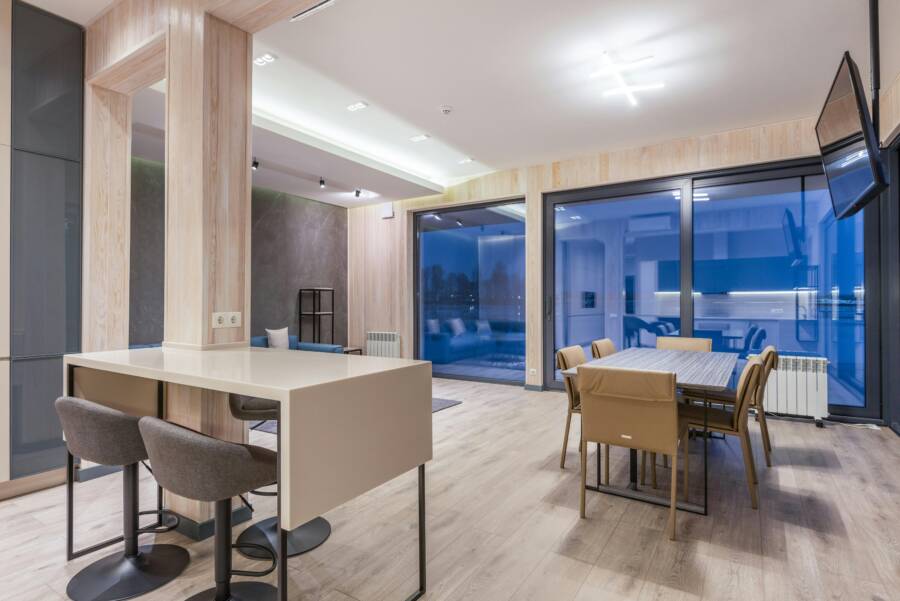
- Living room with a scenic view and a lot of natural light: Both options can look stunning, but vinyl’s depth and texture often better replicate natural materials in bright spaces.
- Basement or laundry room: Water exposure is a key factor. Vinyl with a proven waterproof core tends to perform best in these areas.
Bringing it all together: which to choose
If moisture is a primary concern and you want minimal worry about spills, vinyl flooring is the safer bet. It also tends to outperform laminate in rooms where water exposure is possible. If your priority is a classic wood look on a tighter budget and you’re confident about preventing excess moisture, laminate offers excellent value with solid performance in dry areas.
Both options at Home Depot give you choices that fit different budgets and design goals. Take advantage of samples, compare wear layers, and read warranty details. With careful selection, you’ll end up with a floor that looks great, feels comfortable, and lasts.
Conclusion
Choosing between vinyl and laminate flooring at Home Depot doesn’t have to be intimidating. Start by clarifying the space and moisture factors, then weigh durability, visuals, and price. Vinyl shines in moisture-prone rooms and high-traffic zones where you want long-lasting performance. Laminate offers a cost-friendly wood look for dry spaces where moisture is controlled. Remember to consider underlayment, installation method, and warranty coverage as you shop. In the end, the best choice aligns with how you live, how much you value maintenance ease, and how your space will be used over time. If you’re still unsure, ask a store associate to pull a few samples that match your lighting and color palette, and test them in your home before you buy. Your floors will set the tone for the room for years to come, so pick with confidence and enjoy the transformation.
Thousands of People Were Struggling With Money Until They Discovered This One Ancient Secret Hidden in Sound
>>> Unlock It Now <<<
