
For many homeowners, the right vehicle can make a big project easier. A Home Depot van or truck rental may be the answer when you need more space, a reliable vehicle, and the convenience of a store nearby. This guide helps you decide if renting from Home Depot fits your plan, what to watch for, and how to get the most value from the choice.
Home improvement often comes with heavy or bulky items. Even simple trips become hard when your own car can barely handle a load. A rental offers a bridge between a small car and a full moving truck. It can save time, reduce trips, and protect your belongings during transport. Before you decide, consider the job at hand, your route, and how much you want to lift and tie down yourself.
What Home Depot Truck Rental Offers
The idea behind Home Depot truck rental is straightforward. The company provides vans and moving trucks that customers can rent for projects, moves, or big purchases from the store. The inventory typically includes a range of vehicle sizes to cover simple trips and larger moves. Availability varies by location, so it pays to check ahead and reserve what you need.
Key advantages to know
- Convenience near you: Pick up and return at a Home Depot location you already use. This can save you a long drive to another rental yard.
- One-stop shopping: If you’re buying lumber, mulch, or appliances, you can combine pickup with a quick store stop. This can cut down on errands and time on the road.
- Simpler logistics for bulk items: Large or long items like plywood, panels, or a flat-packed furniture set often fit better in a truck than in a car.
A practical image to match your planning may show a reliable vehicle ready for a job.
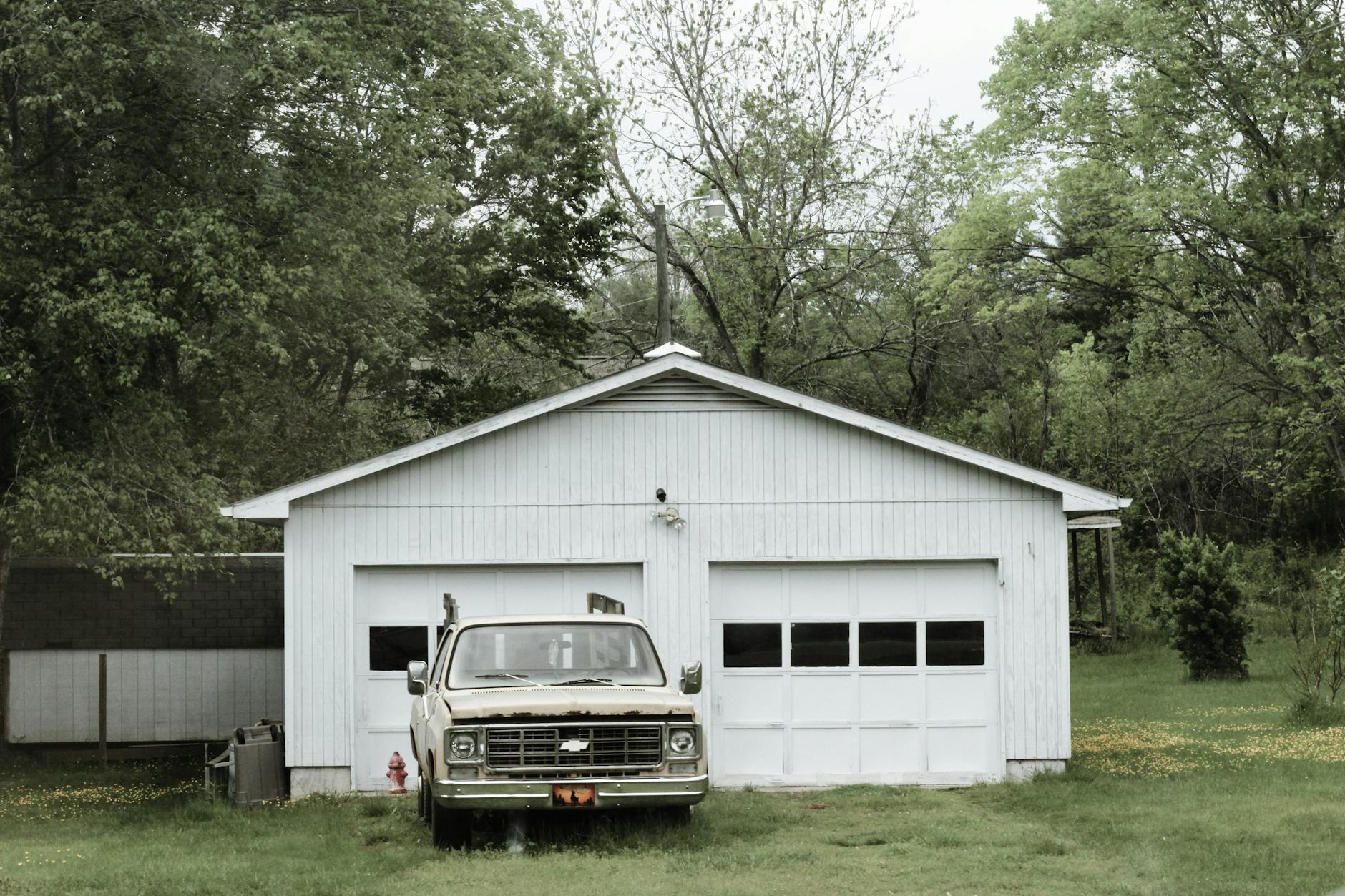
Photo by Ash B
When a Home Depot rental makes sense
- Small to mid-size moves: If you’re moving a few pieces of furniture, appliances, or a collection of boxes, a van or compact moving truck can save trips.
- Bulk shopping trips: You need soil, mulch, gravel, or lumber. A rental helps you haul these items more efficiently than multiple trips in a car.
- Home projects with bulky materials: Think deck boards, fencing, or large planters. A truck makes loading and unloading faster and safer.
- Weekend or one-off tasks: If you have a limited window to get it done, renting reduces back-and-forth between stores and home.
Important considerations
- Vehicle sizes vary: Expect a range from a cargo van to a larger moving truck. Check the exact dimensions before you reserve so you know what will fit.
- Drive time and miles matter: Some rentals come with mileage limits or fees after a set distance. Plan your route and budget accordingly.
- Fuel policy and deposits: Review what fuel you need to return with and whether a security deposit is required.
- Insurance and coverage: Confirm what protection you have while driving the rental and what extra coverage costs if needed.
- Driver requirements: You may need a valid license and be at least a certain age. Check store policy for any restrictions.
A second image can illustrate the concept of loading up a rental vehicle with supplies.
Photo by Ash B
How to decide if renting is right for you
- Weigh time versus cost: If a rental saves you several trips and reduces wear on your own vehicle, it can be worth it.
- Consider access: Are there stairs, elevators, or tight parking spots at your destination? A larger vehicle might be hard to maneuver in small spaces.
- Think about loading and unloading: If you can lift with help, a smaller truck may do. For heavy materials, a larger option could be safer and faster.
- Check your planned route: A straightforward drive with less traffic can help you stay within a short rental window and avoid extra charges.
Comparing with alternatives
To decide smartly, compare a Home Depot rental with other options. Each choice has its positives depending on your situation.
- Renting from a dedicated moving company: This tends to be pricier but can include professionals to help with loading and driving. It’s best for long moves or fragile goods.
- U-Haul or Penske: These providers offer a broad fleet and often have lower base rates for one-way moves. Availability and insurance policies vary by location.
- Local moving or equipment rental shops: Smaller outfits may offer competitive prices and personalized service, but hours and pickup points can differ.
- A larger pickup truck from a rental service: If you only need a short haul, a larger pickup may be a good balance between price and capacity.
Each option has a cost profile and a service level. The main question is simple: does the rental help you finish the job faster and with less hassle than other means?
How to maximize value from a Home Depot rental
Plan ahead
- Measure every item you’ll load. Create a rough loading plan so you know how to arrange boxes, furniture, and tools in the cargo space.
- Reserve early for peak times. Weekends and end-of-month periods can fill quickly.
Pack smart
- Use blankets or old sheets to protect fragile items.
- Secure items with ratchet straps and bungee cords. Don’t rely on the load to stay put on its own.
- Use straps to create anchors for larger pieces so they won’t shift during transit.
Protect your load
- Use moving blankets for glass or delicate furniture.
- Consider a tarp for exposed items or if you’ll drive in wet weather.
Drive safely
- Plan a route with fewer stops to reduce time and wear on the vehicle.
- Keep a small tool kit, a flashlight, and a basic first aid kit inside the cab.
Return clean and fueled
- Return the vehicle with the agreed amount of fuel.
- Remove trash and reset the interior to avoid extra cleaning fees.
Two quick scenarios show how the decision might unfold
Scenario A: Landscaping a new yard
A homeowner needs to haul mulch, topsoil, and bags of concrete mix from the store to a curbside project site. The car’s trunk is overwhelmed by three trips, and the yard is spread over a large area. A compact moving truck from Home Depot makes the day straightforward. The shopper buys everything in one stop, brings the items to the truck, and unloads at the work site with a helper. The result is less strain and noticeably faster progress.
Scenario B: Weekend furniture refresh
A couple is updating a living room with a new sofa and a pair of armchairs. They rent a van to move the old furniture out, bring in the new pieces, and return the truck the same day. The rental avoids renting a larger truck for a single room and reduces the risk of damaging items during multiple trips in a car. It’s a clean, simple solution that keeps the project moving.
A focused look at limitations
- Availability varies by location: Some stores have a wider range of vehicles than others.
- Fees can add up: Mileage, fuel, and insurance costs can change the final price.
- Not a substitute for professional help: If you have a delicate or complex move, a pro may be worth the extra cost.
A final image to illustrate capacity and practicality might be a clean, organized truck interior ready for loading.
Photo by Ash B
Putting it into practice
- Plan first: List every item and measure it. Add up the space you’ll need.
- Reserve the right vehicle: Call ahead or check online for your location. Lock in the size that fits your load.
- Check the fine print: Understand mileage limits, fuel policy, and any insurance requirements.
- Load with purpose: Start with heavy items closest to the cab and secure them well.
- Return ready: Clean out and refuel if required.
When Home Depot truck rental shines
- You’re already shopping at Home Depot: It can be faster to rent and buy in one trip.
- You’re taking on a large, bulky project: A reliable truck will handle long boards, bags of soil, and large tool boxes with less strain on you.
- You want predictable service near home: Local stores can be a convenient option for quick trips.
What to know about cost and value
Renting a vehicle costs more than using your own car for a few items, but it can be cheaper than multiple trips or renting a larger, more specialized truck from another provider. The key is to balance the time saved against the rental fees. If you can complete the job in one or two trips with a vehicle you can drive safely, the rental often pays for itself.
A final note on trust and reliability
Relying on a familiar retailer for both tools and transport can provide peace of mind. The store knows your area, and the vehicle will typically be clean and well maintained. The crew can help with basic loading questions and may provide practical tips for completing your project.
A concluding reflection
Choosing whether to rent a Home Depot van or truck comes down to time, space, and how you value convenience. For many DIYers and weekend project planners, a rental reduces the friction that comes with bulky materials and awkward loads. It’s a practical option that fits naturally into a plan built around simple, steady progress. If a rental feels right, reserve ahead, pack smart, and keep loads secure. Your project will move forward with less hassle and more confidence.
Conclusion
For the right project, a Home Depot van or truck rental offers a straightforward solution to move bulk materials, transport furniture, and complete home improvement tasks with less strain. Weigh the size, cost, and accessibility against your needs, and you’ll know quickly if this is the best route. Plan, reserve, and load with care, then return the vehicle on time and in good shape. The result is a successful project with fewer trips, less stress, and a smoother finish.
Photo by Ash B on Pexels.