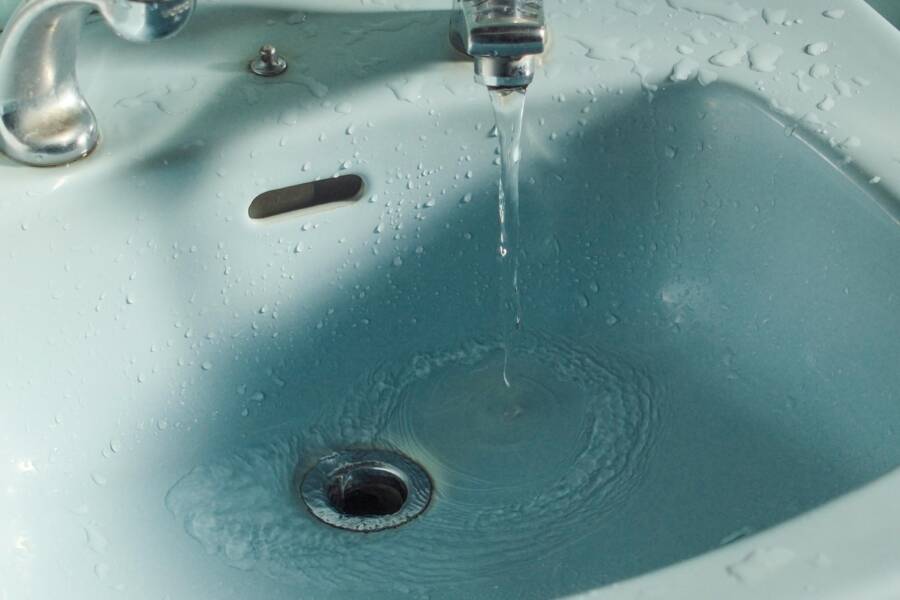
The bathroom is where water use adds up fast. Replacing a few fixtures with efficient options can trim your bills without sacrificing comfort. Home Depot stocks a wide range of water saving fixtures designed for bathrooms. This guide shows you what to look for, how to pick the right products, and simple steps to install them.
Why water saving fixtures matter in bathrooms
Bathrooms use more water per household than any other room. A single efficient toilet, showerhead, or faucet can reduce leakage and wasted water. That adds up to lower utility bills, less strain on local water supplies, and a smaller environmental footprint. The good news is that you don’t have to overhaul your whole bathroom to gain meaningful savings. Start with the basics and expand over time as needed.
What to look for when shopping at Home Depot
When you browse Home Depot for bathroom fixtures, your best friend is the WaterSense label. Products that meet WaterSense criteria are designed to use less water while maintaining performance. Look for the label on toilets, faucets, and showerheads. In addition to WaterSense, consider these factors:
- Flow rates: Choose fixtures that meet or beat standard targets. Faucets should be around 1.5 gallons per minute (gpm) or less. Showerheads typically cap around 2.0 gpm. Toilets aim for 1.28 gallons per flush or lower.
- Compatibility: Check your current plumbing and rough-in dimensions. Many Home Depot products fit standard sizes, but a quick measurement helps avoid surprises.
- Finish and style: You won’t save money if you dislike the look. Pick finishes that resist fingerprints and water spots, and styles that fit your bathroom’s vibe.
- Durability and warranty: Look for solid construction and long warranties. A small premium for a durable fixture can pay off over time.
Faucets and showerheads that save water
Faucets and showerheads are easy wins. Replacing worn, old fixtures with low flow options can cut daily use without changing routines.
- Faucet aerators: An aerator screws onto the faucet tip and reduces flow while preserving the sensation of a strong stream. It’s a quick, low-cost upgrade that works with most sinks.
- Bathroom sink faucets: Opt for models labeled WaterSense or with efficient flow ratings. A good choice is a compact faucet with a 1.5 gpm flow or less and a smooth shutoff.
- Showerheads: Modern low flow showerheads deliver comfort while using less water. Look for adjustable spray patterns, a maximum 2.0 gpm rating, and easy installation. Some models pair water efficiency with features that help conserve energy as well.
- Tub spouts and valves: If you still have a traditional tub, consider a low flow spout and a valve with simple controls to limit waste during filling.
Toilets that maximize efficiency
A good toilet upgrade can deliver big savings with minimal effort. Home Depot offers a range of water saving toilets that fit most bathrooms.
- Dual flush toilets: These let you choose a smaller flush for liquid waste and a larger flush for solids. This flexibility reduces water use on a daily basis.
- Single flush toilets with low gpf: If you favor simplicity, many models use 1.28 gpf or less per flush, offering reliable performance with less water.
- Wash down and pressure-assisted options: For some homes, alternative flush technologies can improve performance with lower water use. Check compatibility with your plumbing and installation space.
- Tankless or low-profile options: In tight bathrooms, compact designs fit better and still meet WaterSense standards.
A practical buying guide for Home Depot shoppers
When you’re at the store or browsing online, keep these tips in mind:
- Start with a plan: List the fixtures you want to replace this year. Prioritize toilets and showerheads, then moves to sinks if needed.
- Check the WaterSense label: Every product that carries the label has met performance and efficiency criteria that help cut water use.
- Compare flow rates and flush volumes: A simple chart in the product listing shows the key numbers. Use this to balance comfort and savings.
- Review installation requirements: Some fixtures require professional installation, while others are DIY friendly. Make sure you have the required tools and space.
- Read reviews: Real-world experiences reveal durability, ease of use, and actual water savings.
A closer look at installation and DIY tips
Replacing a faucet aerator or showerhead is often a straightforward DIY project. Here are some practical steps to keep the project simple and mess-free.
- Gather the right tools: An adjustable wrench, plumber’s tape, and a compatible replacement fixture are usually enough for a faucet or showerhead swap.
- Turn off the water: For sink fixtures, shut off the water supply to avoid leaks during removal.
- Remove the old fixture: Use a wrench gently to avoid damage. Hold the fixture while you unscrew the connection to prevent threads from stripping.
- Apply plumber’s tape: Wrap new threads with tape to prevent leaks. Tighten smoothly by hand and finish with a light wrench turn.
- Install the new fixture: Hand-tighten first, then give a final turn with a wrench just snug. Avoid overtightening, which can crack fittings.
- Test for leaks: Open the water supply, check all connections, and run water to confirm it’s flowing correctly without drips.
For more complex upgrades such as toilets or integrated shower/tub units, consider professional installation. A licensed plumber ensures proper venting, sealants, and code-compliant connections. Home Depot often provides installation services or can connect you with local professionals.
Maintaining water saving fixtures for lasting performance
Efficient fixtures deliver the best value when they stay in good shape. Regular upkeep keeps flow steady and prevents waste.
- Inspect seals and rims: Leaks around valves or gaskets waste water and can degrade performance over time.
- Clean aerators and showerheads: Mineral buildup can reduce flow. Soak fixtures in vinegar, then rinse to restore performance.
- Monitor flush performance: If a toilet runs after a flush or feels weak, it may need a flapper or fill valve replacement.
- Check the warranty: If a fixture fails under warranty, you’ll have support and a straightforward replacement path.
Cost savings and environmental impact
Water saving fixtures pay for themselves over time. The upfront cost is offset by lower monthly water bills and less energy needed to heat and distribute water.
- Quick payback: In many homes, the initial investment is recouped within a few years, depending on usage, local water rates, and the specific fixtures chosen.
- Long-term benefits: Reduced water pressure demands on aging pipes can minimize maintenance costs. Efficient fixtures also reduce the environmental footprint by conserving water resources.
- Home value: Modern, efficient bathrooms appeal to buyers who want lower ongoing costs. Installing WaterSense labeled fixtures can boost perceived value.
Practical tips to maximize savings
A few simple habits can amplify the impact of your new fixtures.
- Shorter showers: Aiming for five to seven minutes can dramatically cut water use without sacrificing comfort.
- Turn off taps: Remind household members to turn off the faucet while brushing teeth or shaving.
- Use a shower timer: A small device helps keep showers efficient without guessing how long you’ve been under water.
- Retrofit gradually: You don’t have to replace everything at once. Start with one high-impact area like the showerhead or toilet.
Real world examples you might find at Home Depot
Here are the kinds of products you’ll encounter when you shop for water saving fixtures at Home Depot. Think of these as archetypes you can compare against your bathroom needs.
- WaterSense labeled showerheads with adjustable flow patterns
- Dual flush toilets with 1.28 gpf and 0.8 gpf options for waste reduction
- Sink faucet aerators that reduce flow to 1.5 gpm or less
- Compact, easy-to-install bathroom faucets with built-in flow control
- Replacement seals and valves for hobbyist DIY repairs
Common questions about water saving bathroom fixtures
- Do water saving fixtures really save water? Yes. Efficient designs reduce the amount of water used per action while preserving user experience.
- What if my water pressure is low? Look for fixtures designed to perform well under lower pressure and choose models with pressure-boosting features if needed.
- Are installation services worth it? For complex upgrades like new toilets or in-wall connections, professional install protects performance and code compliance.
- Can I mix and match brands? Yes. As long as fittings match, you can mix brands to fit your style and budget.
The broader benefits beyond the bathroom
Saving water in the bathroom echoes through the home and beyond. When you use less water, you reduce energy costs tied to heating and pumping water. It also lowers the load on municipal systems and helps conserve a precious resource for everyone.
How to find these fixtures in stores
- In store aisles: Look for the WaterSense labeled products in the bathroom fixtures section. End caps and display bins often feature the most popular water-saving options.
- Online store: Use filters for WaterSense, gpf or gpm ratings, and price range. Reading user reviews helps you gauge long-term performance.
- Ask for help: Store associates can point you to model numbers, verify compatibility with your current plumbing, and suggest bundled options for a bathroom remodel.
Conclusion
Upgrading to water saving fixtures at Home Depot for bathrooms is a practical step toward lower bills and a smaller environmental footprint. Start with the most impactful choices—a WaterSense labeled toilet and a low flow showerhead—and expand as you see savings. With straightforward installation and solid warranties, these upgrades are accessible to many homeowners.
If you’re ready to begin, pick one area to upgrade this season. Replace a tired faucet aerator or swap the showerhead for a model with better efficiency. As you build momentum, you’ll notice daily routines staying comfortable while water use declines. The result is a bathroom that works smarter, not harder, for your home and the planet.
Takeaway: prioritize WaterSense labeled options and match flow rates to your needs. A small setup change can yield lasting savings and easier maintenance over the years.