He Was Drowning in Bills and Burnout Until a Simple Daily Ritual Rewired His Brain for Wealth in Less Than a Week
>>> Start Your Shift Today <<<

Are you an online student juggling classes, notes, and deadlines on a single device? A well planned phone setup can boost focus, improve time management, and keep study materials within reach. This post outlines a simple four part plan to organize apps, notifications, storage, and charging so your phone becomes a reliable study tool. By the end you’ll know exactly what to adjust today to stay on track and finish each lesson with confidence.
Set up your phone for study efficiency: apps, homescreen, and notifications
A focused study phone setup helps you stay on track without fighting your device. In this section, you’ll learn how to pick the right study apps, organize your homescreen for quick access, and tame notifications so distractions don’t creep in during study blocks. Think of your phone as a tool that should disappear when you start working and reappear when you’re done. A clean, purpose-driven setup minimizes friction and keeps your learning materials within reach.
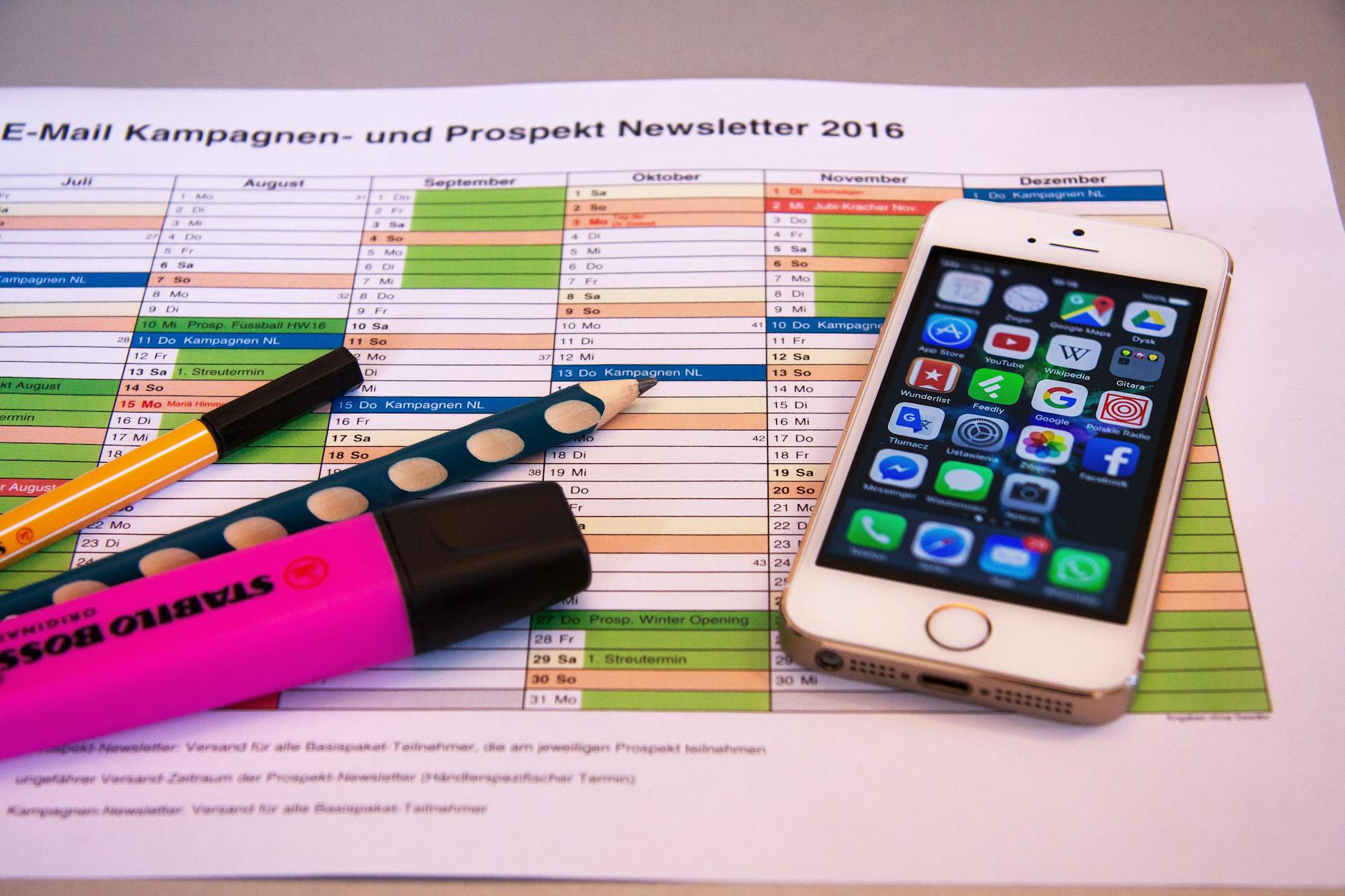 Photo by https://www.pexels.com/@pixabay
Choose the right study apps
Building a solid app toolkit starts with core categories that cover the study workflow. Each category should sync across devices so you can pick up where you left off, whether you’re on a phone, tablet, or computer. Here are essential categories and beginner-friendly options to consider:
He Was Drowning in Bills and Burnout Until a Simple Daily Ritual Rewired His Brain for Wealth in Less Than a Week
>>> Start Your Shift Today <<<
- Note taking: Choose apps that let you type, sketch, and clip information from web pages. Look for features like searchable notes, tagging, and offline access.
- Task management: A simple to-do list or project board helps you track assignments, deadlines, and study sessions. Choose options with recurring tasks, due dates, and calendar integration.
- Focus and time management: Use timers and ambient focus modes to structure study blocks. A distraction-free interface can make a big difference in your productivity.
- Learning resources: Apps that organize reading lists, PDFs, and reference materials help you keep course content in one place.
- Flashcards: Quick, portable practice supports long-term retention. Look for spaced repetition capability and easy syncing.
When you pick apps, prioritize ease of use and seamless syncing. You should be able to start a task on your laptop and continue on your phone without hunting for data. A few reputable, beginner-friendly options exist that don’t require a learning curve, so you can start building your study routine right away. For ideas and a quick read on apps students find helpful, see resources like “5 Free Digital Apps That Every College Student Should Have” and similar roundups that highlight user-friendly tools and essential features. 5 Free Digital Apps That Every College Student Should Have
To deepen your setup, consider starting with these practical workflows:
- Create a central notebook for each course, then mirror your syllabus in your task manager.
- Use one app for flashcards and another for quick quizzes to reinforce concepts during breaks.
- Keep your study resources in a cloud-based folder that both your phone and computer can access.
If you want a broader survey of study apps, this guide offers a comprehensive look at note taking, flashcards, and organization tools. 51 Best Study Apps for College Students for Productivity & …
Organize your home screen for focus
A clean home screen reduces friction between you and your study tasks. Group apps by purpose and keep the most essential tools in a ready-to-launch dock. Use folders to condense related apps and cut down visual clutter. Here are practical steps to implement a focused layout:
- Create a single, visible dock with the apps you open most during study sessions. This might include your note app, calendar, task manager, a browser for reading, and a flashlight or calculator for quick tasks.
- Build purpose-based folders. For example, a “Study” folder could include notes, flashcards, and reference materials; a “Course A” folder could hold the course’s syllabus, readings, and quizzes.
- Use widgets sparingly but strategically. A single calendar or upcoming tasks widget can provide at-a-glance reminders without distracting you with constant updates.
- Remove or hide nonessential apps. The fewer icons on your primary screen, the less you’ll be drawn to non-study apps.
A well organized home screen speeds up access to your study materials and reduces deciding time. It’s worth investing a few minutes to set up the layout in a way that feels natural to you. For ideas on practical home screen organization, this article covers effective methods to arrange apps and use widgets without clutter. Organize Your Phone for Maximum Efficiency
To further inspiration, see how other students structure their phones for productivity. A common approach is placing folders for each course in the main screen, with a small set of always-visible tools in the dock. Some explore launcher apps to customize icons and layouts for fast access without adding clutter. How to Organize Your Phone
When you’re done, test the setup by opening a typical study session. Does your most-used app pairings feel natural? If you find friction, tweak the order or adjust which folders sit on the primary screen. The goal is a stress-free start to every study block.
Control notifications and use a simple DND setup
Notifications are powerful when used well and harmful when overused. A minimal, well tuned approach helps you stay in flow during study blocks while still catching important reminders.
Key steps to control notifications:
- Turn off non essential alerts. Disable banners and sound for social media, games, and non critical apps during study hours.
- Use Do Not Disturb during study blocks. Set a schedule that matches your study routine, for example from 9:00 AM to 12:00 PM and 2:00 PM to 4:00 PM.
- Set exceptions for important reminders. Allow calls or messages from certain contacts or class notifications to come through, so you never miss a deadline.
A quick, practical setup example:
- Block study time from 9:00 AM to 12:00 PM with Do Not Disturb enabled.
- In the exceptions, allow notifications from your university’s learning management system and any essential class chat.
- Keep all other apps silenced or hidden during this window.
Tiny adjustments like these protect your focus while ensuring you don’t miss critical information. If you’d like guidance on configuring DND across devices, you can refer to general setup guides or your device’s help center for step by step instructions tailored to your model. For broader context on notification management, see this article on organizing phone interruptions for productivity. [Organize Notifications for Focus](https://www.reddit.com/r/Android/comments/6gdy6x/productivity_so_how_do_you_guys Organize_your_phone/)
Additionally, a straightforward approach to understanding how notifications affect your study flow comes from practical how-to guides. They offer insights into balancing timely reminders with minimal disruption. How to Organize Your Phone
Step by step example recap
- Identify your study windows and set a Do Not Disturb schedule for those times.
- Create a short list of notifications you must receive during study blocks (class reminders, calendar alerts).
- Toggle non essential apps off or mute them during study time.
- Review and adjust weekly based on how well you maintain focus.
By simplifying your notifications and pairing them with a streamlined home screen, you create a strong foundation for consistent study sessions. Your phone becomes a tool that supports learning rather than a source of constant interruption. If you want to dive deeper into this topic, explore resources that walk through practical setup and customization strategies. Organize Your Phone for Maximum Efficiency
What If the Only Thing Between You and the Life You Deserve Is a Hidden Wealth Code Waiting to Be Activated
>>> Open the Door <<<

Tune phone settings to save battery and boost learning
A well tuned phone helps you study longer and focus better. By tweaking battery habits, screen comfort, and app management, you can extend study time without hunting for a charger. This section gives practical steps you can implement today to get more from every study block while keeping distractions in check. Think of your device as a study ally that works in the background, not a barrier between you and your learning goals.
Battery life tips and charging habits
Long study sessions demand reliable power. Build a simple routine that keeps your phone from dying mid-lecture or mid-read.
- Charge before long study sessions. A full battery reduces the need to pause for a recharge, especially if you have back-to-back classes or live sessions.
- Enable power saving modes during study. Most devices offer a Low Power or Maintenance mode that trims background activity and extends run time without sacrificing essential features.
- Close power hungry apps after use. Background processes drain battery and memory. A quick swipe to close apps you aren’t using can noticeably improve stamina.
- Keep a lightweight set of essentials open. Phones shine when you minimize multitasking during focused blocks; use a dedicated study folder or dock for quick access to notes, calendar, and reading apps.
- Schedule charging around your day. If you have a long lab or library block, plan a top-up before it starts so you don’t hit low battery during a critical module.
For extra efficiency, consider a routine that matches your daily rhythm. If you routinely stream videos or use bandwidth heavy tools, a quick toggle to disable auto-sync and background refresh during study hours can save several percent of battery life each session. If you want a quick reference, see how to reduce battery drain on modern devices and keep a steady study pace. https://www.kaspersky.com/resource-center/threats/smartphone-battery-saving-tips
Eye comfort and screen settings for reading
Reading on a phone can strain the eyes after a short while. Small changes to brightness, text size, contrast, and blue light filters can make a big difference. If you tend to study at night or in bright environments, a few adjustments will reduce fatigue and help you stay focused longer.
- Adjust brightness to match ambient light. Avoid blazing white screens in a dark room; use automatic brightness with a comfortable baseline.
- Increase text size and tweak contrast. Larger text and higher contrast improve legibility during long passages or dense readings.
- Use blue light filters or night mode. These features reduce blue wavelengths that can disrupt sleep and cause eye strain. If you notice halos or reduced clarity, try different intensity levels or a warm color temperature.
- Consider dark mode if it helps reading. For many readers, dark backgrounds with light text reduces glare and makes long sessions more comfortable.
- Try a gentle ambient dimming setting. A subtle reduction in screen brightness or a softer color palette can ease visual load without sacrificing readability.
When applying these settings, test a typical reading session. If you find that contrast is too low or text feels fuzzy, adjust the font, spacing, or page background until it feels natural. For additional guidance, explore resources on reducing eye strain for smartphones. https://www.samsung.com/us/support/answer/ANS10002537/ and https://play.google.com/store/apps/details?id=com.eyefilter.nightmode.bluelightfilter&hl=en_US
If you use a popular phone brand, you may also see benefits from specific features like Eye Comfort Shield or scheduled dark mode. These can be toggled to align with your study schedule, gently easing your eyes through long reading sessions. Just be mindful of how color shifts affect readability, and avoid overly brownish tones that reduce contrast.
Storage, app management, and performance
A phone that feels fast and organized makes study time smoother. Regular maintenance keeps room for new course materials and prevents bottlenecks during peak study hours.
- Clear cache regularly. Cache stores temporary data that can pile up and slow things down. A quick purge keeps apps responsive without losing important information.
- Uninstall unused apps. Free up storage and reduce background activity by removing tools you don’t use. Consider keeping only a compact set of core apps for study.
- Enable automatic updates for critical apps. Automatic updates ensure you have the latest features and security without manual checks, reducing the risk of compatibility issues during exams or live classes.
- Monitor storage to fit new course files. Regularly review downloads, media, and documents to prevent the dreaded “not enough space” messages right before a deadline.
- Use cloud storage and offline access. Keep essential readings and notes in the cloud and cache the most important items on your device for those moments with poor connectivity.
A practical cadence works best. Set a monthly quick cleanup, then a quarterly deeper pass to archive or remove old files. If you prefer a quick reference, see guides on organizing phone storage and optimizing performance during study sessions. https://www.hyperwriteai.com/blog/best-study-apps-for-college-students and https://www.reddit.com/r/Android/comments/mu7zua/samsungs_blue_light_filter_eye_comfort_shield_is/
Tips for monitoring space without heavy lifting:
- Enable automatic photo backups to free up local storage without losing memories.
- Move large videos and old lectures to cloud storage first, then delete local copies.
- Keep a small cache of essential PDFs and notes for offline study, but refresh it weekly to avoid stale data.
If you want a straightforward routine, try a 15-minute weekly scan: check storage, delete duplicates, and archive outdated files. This keeps your device ready for new course materials and deadlines.
Important note on app management and updates: automatic updates can be a double-edged sword. They keep you secure and smooth, but they can momentarily slow your device. If you’re in deep study or taking a timed exam, consider pausing updates and resuming afterward. This small habit prevents a mid session slowdown and keeps your learning momentum intact. For broader context on managing updates and performance, you can consult practical guides on device maintenance and app optimization. https://www.samsung.com/us/support/answer/ANS10002537/ and https://getorganizedhq.com/how-to-organize-your-phone/
By adopting these routines, you turn your phone from a potential distraction into a precise study instrument. You’ll notice faster app launches, cleaner storage, and fewer interruptions during reading and note-taking. If you want more hands on strategies, this section of the guide offers a broader look at keeping your device ready for long study sessions. https://blog.ipro.cc/ how-to-guide-smartphone-setup
What to do next
- Run a 10 minute storage sweep after your next study block.
- Set a nightly screen time limit for non essential apps to preserve battery and focus.
- Review your battery and screen settings weekly to fine tune for your current study load.
By staying deliberate about battery, screen comfort, and storage, you keep your phone working for you, not against you. Your learning flow stays steady, and you can rely on your device to support your goals rather than slow you down. If you’d like more ideas on balancing phone use with study, check out related guides that break down workflows and routines for online students. https://www.kaspersky.com/resource-center/threats/smartphone-battery-saving-tips
Build focus and time management on your phone
A well organized phone becomes a quiet helper in your study routine. It should disappear during focused blocks and reappear when you’ve finished. In this section, you’ll learn how to set up focus modes and scheduling, manage tasks and notes efficiently, and rely on offline study aids to keep learning uninterrupted. By aligning your device with your study goals, you’ll reduce friction and stay on track throughout the day.

Photo by Anete Lusina: https://www.pexels.com/@anete-lusina
Focus modes and scheduling
Creating disciplined study blocks starts with focus modes and a predictable schedule. Think of focus mode as a gatekeeper that blocks distractions while you push through a defined period of work. Start by defining daily blocks that match your classes and deadlines, then tailor the mode to your needs.
- Build study blocks: Plan sessions of 25 to 50 minutes with short breaks. This Pomodoro-style cadence keeps attention from drifting and makes deadlines feel more approachable.
- Choose apps to allow: In focus mode, permit only essential tools. Your note app, calendar, timer, and reading materials stay available. Silence or hide social media, games, and nonessential communications.
- Sync with calendar reminders: Tie your blocks to calendar events. When a block starts, your phone should automatically switch to the focused profile and show only relevant alerts.
- Example daily routine:
- 8:30 AM to 9:50 AM: Morning reading block with Focus mode on, essential class notifications allowed.
- 11:00 AM to 12:00 PM: Problem set session with the timer running, interruptions blocked.
- 2:00 PM to 3:20 PM: Lecture review and flashcards, calendar reminders visible.
- 6:00 PM to 7:00 PM: Quick review and quick notes, notifications muted except critical messages from campus.
For extra guidance, see how experts structure focus modes on iPhone and Android devices. These guides show how to schedule modes by time, location, and activity so your phone behaves like a dedicated study tool when you need it most. Set up a Focus on iPhone
Thousands of People Were Struggling With Money Until They Discovered This One Ancient Secret Hidden in Sound
>>> Unlock It Now <<<

If you want a broader view of focus routines in college settings, this article combines Pomodoro with phone focus modes to protect study time. Focus Routine for College: Pomodoro + Phone Focus Modes
A practical approach to focus is to keep a single stream of work visible. When the block begins, your phone shows a clean workspace with the task list and the current reading material. If you feel tempted to switch tasks, pause for a moment and re-check the block goal. You’ll train yourself to commit to one task at a time and gradually improve your concentration.
Task management and note taking
Smart task management keeps your coursework moving forward without piling up. A lightweight, cross device system helps you capture ideas on the fly and organize them by course.
- Simple to do lists: Start with a single list per course. Include due dates and quick sub tasks for each assignment. Revisit the list at the start of every study block to set your intention.
- Quick note capture: Use a fast capture tool for ideas, references, and questions that come up during readings or lectures. Tag notes by course and topic to simplify later review.
- Organize notes by course: Create a folder or notebook per course. Mirror your syllabus in the structure so you can locate readings, slides, and references quickly.
- Emphasize search features and cross device access: The ability to search across notes and sync between phone, tablet, and computer dramatically reduces time spent hunting for information.
- Example workflow:
- Open a note app during class to jot key points.
- Add a task in your to-do list for the next study block.
- Link the note to the course folder so you can find it later.
For a quick reference on popular note taking choices for students, you can explore articles that compare options like Notion, OneNote, and Google Keep. Here are some helpful reads that discuss how to choose and use note taking apps effectively:
- The Best Note-Taking Apps We’ve Tested for 2025. The Best Note-Taking Apps We’ve Tested for 2025
- The 6 best note taking apps in 2025. The 6 best note taking apps in 2025
To keep your setup simple, try a two-app approach for notes and tasks. One app handles notes and reference materials, while a second app focuses on tasks and reminders. This separation reduces clutter and speeds up retrieval during study blocks.
A quick tip for cross device access: enable cloud syncing for both notes and tasks. With cloud access, you can start a thought on your phone, continue on a tablet, and finish on your laptop without duplicating work. If you want a broader look at productivity tools for students, this digital backpack guide covers essential apps for note taking, reading, and planning. The Digital Backpack: 13 Apps Every College Student Should Carry
Study aids and offline resources
Offline resources are a safeguard when network access falters during a commute or in campus areas with spotty wifi. A few well chosen tools let you study anywhere without chasing a signal.
- Flashcards for quick review: Use flashcards for short bursts of recall. Spaced repetition helps memory retention and fits neatly into short study blocks.
- Offline PDFs and eBooks: Save essential readings to your device for offline access. Organize by course and topic so you can locate them fast.
- Downloaded videos for review: Save lecture videos or tutorials for offline viewing. This is especially helpful when streaming quality varies.
- How offline access helps: When connectivity is unreliable, offline access keeps your study flow intact and reduces anxiety about missing content.
If you want a broader view of note taking and storage options, these sources compare popular tools and explain how to optimize them for students:
- The Best Note-Taking Apps We’ve Tested for 2025. [See above]
- The Digital Backpack: 13 Apps Every College Student Should Carry. [See above]
In practice, you can create a compact offline library per course. For example, download the syllabus, key chapters, and the most recent lectures. Then, during a commute or in a library tunnel, you can study without interruption. When a stable connection returns, your cloud copies sync automatically.
To explore more about offline study aids and how to structure a portable study set, check out this guide on efficient phone setups for long study sessions. Organize Your Phone for Maximum Efficiency
If you prefer a science-backed approach to memory and practice, you can read about the benefits of spaced repetition and active recall in mobile formats. These concepts apply well to flashcards and quick quizzes that you can run between classes or during breaks. For a practical introduction, review a concise guide on flashcard strategies for students. Top Flashcard Strategies for Students
Putting these pieces together, your phone becomes a compact study hub. You capture ideas fast, review key content offline, and revisit notes with clear organization. The result is less scrambling, more consistency, and a steadier learning rhythm. If you want more ideas on a streamlined, offline-first workflow for online students, this article offers practical routines and examples. The Digital Backpack: 13 Apps Every College Student Should Carry
What to implement next
- Create one course notebook per class and mirror your syllabus in your task manager.
- Save essential readings as offline PDFs and store lecture videos for offline viewing.
- Enable cloud syncing for notes and tasks, and test a quick retrieval flow between devices.
- Set a weekly review to refine your focus blocks and adjust app permissions as needed.
By aligning focus modes, task management, and offline study aids, your phone supports steady study momentum rather than competing with it. If you’re looking for more ways to tailor your setup, explore guides that break down workflows for online learners and students on the go. The Digital Backpack: 13 Apps Every College Student Should Carry
Keep your phone secure and reliable for online classes
A reliable phone is more than a device; it’s a trusted study companion. When you set up your phone with strong security, thoughtful backups, and a simple maintenance routine, online classes become easier to manage. You’ll spend less time worrying about data loss or interruptions and more time focusing on lectures, notes, and assignments. This section covers the essentials you can implement today to keep your smartphone protecting your learning journey, rather than slowing it down.
Privacy and security basics
Your first task is to establish strong, resistance to casual intrusions. A lock screen is not optional; it’s your front door. Use a robust screen lock, such as a longer PIN or biometric option like fingerprint or facial recognition if your device supports it. These measures create a vital barrier between your school materials and anyone who grabs your phone.
Beyond the lock screen, adopt a few practical security habits. Use unique, offline-capable passwords for critical apps and enable two factor authentication where available. Two-factor authentication adds a second hurdle that makes unauthorized access far less likely. Be cautious with app permissions. Only grant location, microphone, or storage access to apps that truly need them for function. If a link looks suspicious or asks for sensitive data, skip it rather than tapping through.
When you’re navigating email, messages, and course portals on your phone, it helps to keep security awareness fresh. A quick review of your device’s security settings every now and then can catch permission creep before it becomes a problem. For a deeper look at securing Android devices, this guide outlines practical steps to tighten up access and protection. https://oit.utk.edu/security/easy-steps-to-secure-your-android-smartphone/
To keep learning materials safer, avoid saving login details in plain text or insecure note apps. Use a trusted password manager to store credentials securely and enable auto-lock after short inactivity. Remember, your phone holds a lot of personal and academic data. A few careful choices now save headaches later.
Syncing, backups, and cloud storage
Automatic backups are your safety net. When notes, documents, and media sync to the cloud, you can recover them quickly if your device is lost or damaged. Set up automatic backups for the apps you rely on most, including notes, readings, and assignment drafts. This ensures you always have access across devices, whether you’re switching from phone to tablet or to a laptop.
Cloud storage also simplifies collaboration. Use a cloud solution that your school approves and that offers easy sharing with classmates and instructors. Keep a well organized folder structure by course and topic so you can locate materials in seconds during late-night study sessions.
It’s smart to verify backup status on a weekly basis. A quick check confirms that recent lectures, readings, and project files are safely stored. If you notice gaps, run a manual backup and adjust the settings to prevent future misses.
For a practical overview of cloud storage options and syncing benefits, consider this guide on the best cloud storage apps. https://zapier.com/blog/best-cloud-storage-apps/
An effective workflow to keep backups simple:
- Create a central folder per course in your cloud drive.
- Save lecture notes, slides, and readings there as soon as you receive them.
- Mirror this structure in your note and task apps for quick cross-device retrieval.
If you rely on notes and documents for offline study as well, offline access becomes a lifesaver during commutes or campus dead zones. Regularly syncing ensures your most important files are available when you need them most. For a broader look at cloud backup strategies for students, this article offers actionable insights. https://evepaper.com/cloud-backup-strategies-for-academic-material/
Troubleshooting, updates, and maintenance
A smooth phone experience comes from a simple maintenance plan and a steady update rhythm. Establish a predictable schedule for checking updates and cleaning up clutter. This reduces slowdowns during peak study times and helps you avoid unplanned downtime during an exam or live class.
Begin with a practical update schedule. Turn on automatic updates for critical apps and system software when you’re not in the middle of a timed assessment. Then set a recurring reminder to review update status weekly. This habit keeps security patches current and features functioning as intended.
If apps feel slow or unresponsive, try straightforward fixes first. Clear the app cache for frequently used tools, restart the phone, and close background processes that aren’t essential during study blocks. A light spring clean every few weeks helps keep memory available for new course materials and videos.
When something breaks, know where to turn for help. Start with the device’s built-in support and your school’s IT help desk. If you need broader guidance, reputable guides on device maintenance and app optimization offer practical steps you can follow at your own pace. For a straightforward approach to keeping your smartphone in good shape, this organizing guide provides useful tips. https://getorganizedhq.com/how-to-organize-your-phone/
To maintain steady performance, monitor storage regularly. Delete duplicates, offload large media to cloud storage, and keep a compact set of core apps installed for study. A weekly 15 minute check-in is enough to keep your phone responsive and ready for back-to-back classes.
This is also a good time to review privacy and permission settings. As you add new study tools, revisit what data they can access and adjust accordingly. A quick reminder to verify battery health and screen settings can prevent drops in readability and comfort during long reading sessions. For a broad, practical look at optimizing phone performance for study sessions, check this resource. https://www.hyperwriteai.com/blog/best-study-apps-for-college-students
Key maintenance actions you can implement now:
- Schedule weekly checks for updates and backup statuses.
- Clear cache on frequently used study apps and close unnecessary background tasks.
- Review and adjust app permissions as your course load changes.
By staying proactive with updates and maintenance, your phone stays reliable for online classes rather than becoming a source of stress. If you want more hands-on guidance, this section points to practical resources that explain routine maintenance and optimization techniques. https://getorganizedhq.com/how-to-organize-your-phone/
Putting it all together, a secure, synchronized, and well maintained phone becomes a dependable study partner. You minimize risk, protect your data, and keep your attention where it belongs—on the material that moves you forward. If you’d like more ideas on keeping your device aligned with your study goals, explore guides that cover workflows for online learners and students on the go. https://zapier.com/blog/best-cloud-storage-apps/
Conclusion
A smart phone setup shines when it frees your study time rather than steals it. By tuning apps, notifications, battery habits, and offline resources, you build a reliable study partner that stays out of your way during focus blocks. Try the checklist today and share your results so others can learn from your tweaks. Pick one change this week, test it, and watch how your online study rhythm becomes steadier and more productive.
What If the Only Thing Between You and the Life You Deserve Is a Hidden Wealth Code Waiting to Be Activated
>>> Open the Door <<<