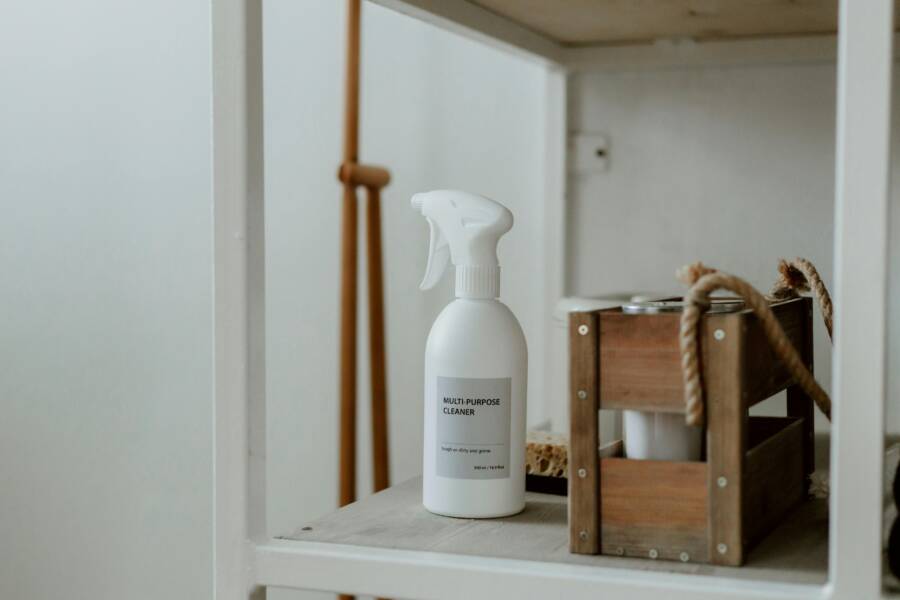
Renters often face the same hurdle: how to keep a small living space organized without committing to permanent fixtures. The good news is you can build flexible, affordable storage using ready-made solutions from Home Depot. With a mix of portable bins, modular shelves, wall storage, and smart labeling, you can reclaim floorspace, protect belongings, and move with ease when the time comes to relocate.
This guide breaks down practical ideas you can implement this weekend. It focuses on simple, sturdy options you can mix and match to fit any apartment, condo, or rental home. The aim is clear: more usable space, less clutter, and less stress when you’re unpacking in a new place.
Assess your space and plan Before buying anything, take a quick inventory of what you need to store and where you’ll place it. Start by cataloging items by category: clothes, kitchen gear, documents, seasonal decor, hobbies, and tools. Note their sizes and how often you access them. This helps you decide which solutions will be most effective.
A practical plan includes a rough map of your rooms. Mark corners that could host overflow storage and identify wall areas that can hold lightweight shelves. If you’re renting, you’ll want options that are easy to install and remove without leaving marks or holes. Look for products that emphasize portability and adaptability.
Key steps to plan now
- Measure ceilings, doorways, and closets to ensure new pieces fit.
- Prioritize vertical storage to free up floor space.
- Choose units that can be disassembled or moved with you.
- Label containers when you stock them to speed up future moves.
Storable containers that travel well Containers are the backbone of temporary storage. They protect, organize, and make it easy to stack and stack again as needed.
Stackable plastic totes Clear, stackable totes from Home Depot let you see what’s inside without opening every box. Choose lids that seal and can be latched securely. Use universal labels or color codes to group items by season or category. For small apartments, clear bins are a must because they make the space feel more open.
Under-bed storage boxes Under-bed totes maximize unused space. They slide in and out with little effort, and many are designed with low profiles that still offer sturdy support. These are ideal for off-season clothing, extra linens, or rarely used gear. Pair them with a slim dresser or a shallow bin for quick access.
Fabric storage bins Fabric bins on shelves or a closet rod give a softer, flexible look. They’re lightweight, easy to move, and great for hobbies or kids’ supplies. Label the front so you can grab what you need without emptying the whole row.
Smart labeling and organization Labels turn a good system into a great one. When you mix bins, shelves, and totes, clear labeling saves time and reduces the need to move everything when you’re searching for a specific item.
- Use a simple color code for major categories.
- Put a short list on the bin lid with contents and date stored.
- Keep frequently used items in easily reachable locations.
- Update labels as you rotate seasonal items.
Freestanding shelving and cabinet alternatives If your space allows, freestanding storage offers robust organization without permanence.
Adjustable wire shelving Wire shelving systems are versatile and straightforward. They can be reconfigured as needs change, making them ideal for renters who might move or rearrange frequently. A tall, modular setup can hold canned goods, cleaning supplies, or clothing. Add casters to create a portable system you can roll into a closet or hallway.
Modular storage cabinets Low-profile cabinets with doors help conceal clutter while still staying within a rental’s rules. Look for options with adjustable shelves so you can adapt to items of different heights. If you borrow a temporary cabinet, ensure it has a solid back panel to prevent items from tipping forward.
Carts on wheels A rolling cart can relocate work or hobby spaces as needed. Use it for a temporary bar area in a dining space, a craft station, or a mini pantry. When you move, you can take the cart with you and reassemble it in a new place.
Wall and door storage to free floor space Walls can become a second set of hands when you rent. By mounting storage rather than stacking on the floor, you open up precious floor area.
Pegboard systems Pegboards offer a flexible way to store tools, kitchen implements, or craft supplies. Use hooks, bins, and trays that fit your items. A pegboard mounted near a work surface makes it easy to grab what you need and return it quickly. When it’s time to move, you simply unscrew the board and take it with you.
Wall-mounted shelves Slim or medium depth shelves anchored to studs hold books, decor, or pantry staples. For renters, it’s wise to use hardware that won’t drill new holes on every wall. If permitted, choose a shelf system with removable anchors or temporary track mounting.
Over-the-door organizers Doors don’t have to hold only a knob. Over-the-door organizers create storage without taking up wall or floor space. They’re ideal for shoes, cleaning supplies, or pantry overflow in compact kitchens.
Tension rods and curtain tracks Tension rods provide instant hanging space for clothes or towels in a closet or bathroom. A curved curtain track can create a shallow, portable wardrobe in a small bedroom or entryway.
Portable and multi purpose storage Flexibility matters for renters who move often. The best portable solutions keep items organized and ready to travel.
Rolling storage units Rolling storage bins and carts give you a robust mobile option. Keep them in your living room to hold remote controls, chargers, and cables, then roll them into a bedroom or closet when needed.
Storage ottomans and benches A storage ottoman or bench can hide blankets, extra pillows, or seasonal gear while doubling as seating. Look for units with a easy access lid and sturdy construction.
Collapsible crates Foldable or collapsible crates are perfect for seasonal gear or kid toys. They take minimal space when not in use but can expand to meet demand. Pair crates with a portable label system so you know where everything belongs.
Seasonal and gear storage Seasonal items tend to pile up in closets and corners. Temporary storage should make seasonal swaps painless.
Clothes and textiles Use slim garment racks or portable closet systems that can stand on a balcony, a laundry alcove, or a spare corner. Zip bags or climate-controlled bins protect fabrics from moisture and dust. When you rotate coats, sweaters, and swimwear, a labeled system makes it quick to switch.
Holiday decor Store ornaments in small compartment boxes arranged inside a larger bin. Label each container by holiday and year. Stack the bins in a corner of the closet or under a bed to keep fragile items safe.
Sports and hobby gear Sports equipment can be bulky. Use tall bins for balls and accessories and a rugged rolling cart for smaller items like gloves, nets, or maintenance supplies. A pegboard or wall rack for gear like helmets or paddles can free up floor space in a garage or entryway.
Smart tips for renters These practical tips help you get the most from your Home Depot purchases without permanent changes.
- Choose no-drill options when possible. Look for freestanding units, removable hooks, and adhesive-friendly solutions.
- Think modular from day one. Easy-to-expand units prevent you from outgrowing a storage plan.
- Prioritize accessibility. Put items you use often in low, reachable spots.
- Favor clear or labeled containers. Visibility reduces the time spent searching.
A few careful, cost-effective setups
- In a small hallway, install a narrow shelf above a coat rack. Use the shelf for hats, gloves, and seasonal accessories.
- In a bedroom closet, add a slim wire shelving kit and a couple of fabric bins for shoes and small items.
- In a living room, place a rolling cart beside the sofa to hold remotes, chargers, and magazines. It doubles as a temporary side table.
What to buy at Home Depot If you’re shopping in person or online, these categories tend to be reliable for renters who want flexible storage without a big investment.
- Clear plastic totes with secure lids and gaskets for moisture control.
- Fabric storage bins with sturdy handles for lightweight items.
- Adjustable wire shelving kits with sturdy brackets.
- Pegboard panels and a set of hooks, cups, and bins for a customizable wall system.
- Rolling carts with locking casters for stability.
- Over-the-door organizers for closets or bathrooms.
- Clear storage drawers for documents, photos, and small keepsakes.
- Vacuum storage bags for bulky textiles in tight spaces.
Practical steps to implement
- Start with the essentials. Pick one or two container types and a small shelving or cart to test how they fit your space.
- Build a vertical plan. Add shelves or a pegboard to a wall to reclaim floor space.
- Move items by category. Group like items and store them in clearly labeled bins.
- Revisit after a month. If you’re moving soon or just reorganizing, adjust the layout to fit your current needs.
A simple example setup
- A tall wire shelf next to a closet offers three levels of storage for off-season clothes and accessories.
- A rolling cart holds sewing supplies and craft materials; it can be tucked behind a door when not in use.
- A pegboard on a garage or laundry wall keeps tools and cleaning supplies organized and accessible.
Durability, safety, and care Temporary storage should protect belongings without requiring heavy installation. Pay attention to the weight limits on shelves and bins. Avoid overloading containers or shelves, which can cause warping or tipping. If you’re in a rental with moisture concerns, select sealable bins and use moisture absorbers in seasonal storage zones.
- Keep heavy items on lower shelves to maintain balance.
- Use wall anchors when mounting any heavy shelf or pegboard, and remove them if you need to relocate.
- Check labels and warranty information. Some Home Depot products come with limited warranties that can help if a piece wears out during a move.
Moving with storage in mind If you anticipate moving within a year, design storage so it travels well. Favor lightweight, modular pieces with simple assembly. Use removable labels and keep a small toolkit in your rolling cart for quick disassembly. When you unpack, you’ll be surprised how smoothly a well-planned system transfers.
Final thoughts for renters A well-structured storage system makes a rental feel bigger and easier to manage. You don’t need permanent fixtures to create space. With the right mix of containers, shelving, wall solutions, and mobile units, you can accommodate all the gear life throws at you.
Renters who plan ahead gain two clear advantages. First, you create a tidy, functional home now. Second, you simplify moving later, which saves time, money, and stress. The right Home Depot products give you a practical toolkit to build a space that adapts to your life.
Conclusion Temporary storage for renters is about reducing clutter while staying flexible. Start with clear containers and modular shelving. Add wall storage to keep floor space open. Choose portable options whenever possible so you can move with ease. The goal is simple: a home that feels bigger, organized, and easy to live in, even when you’re awaiting the next change in your address.
If you’re ready to start, map your space, pick a couple of modular essentials, and set a goal for this weekend. A few smart purchases can make a big difference in how you live today and how you move tomorrow.