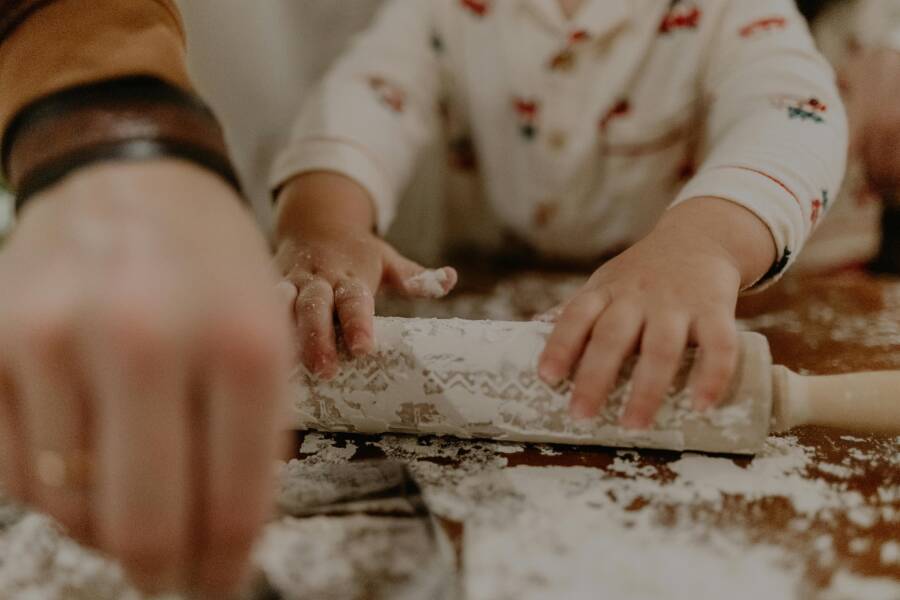
Getting kids into do it yourself projects teaches problem solving, planning, and patience. It also builds confidence when they see real results they can touch and share. You don’t need fancy gear or expensive kits to start. With safe items from Home Depot, you can set up simple, kid friendly projects that stay within a parent’s comfort zone and a child’s abilities. This guide shows how to choose safe supplies, create a small makerspace at home, and run through three enjoyable projects that spark curiosity without pushing limits.
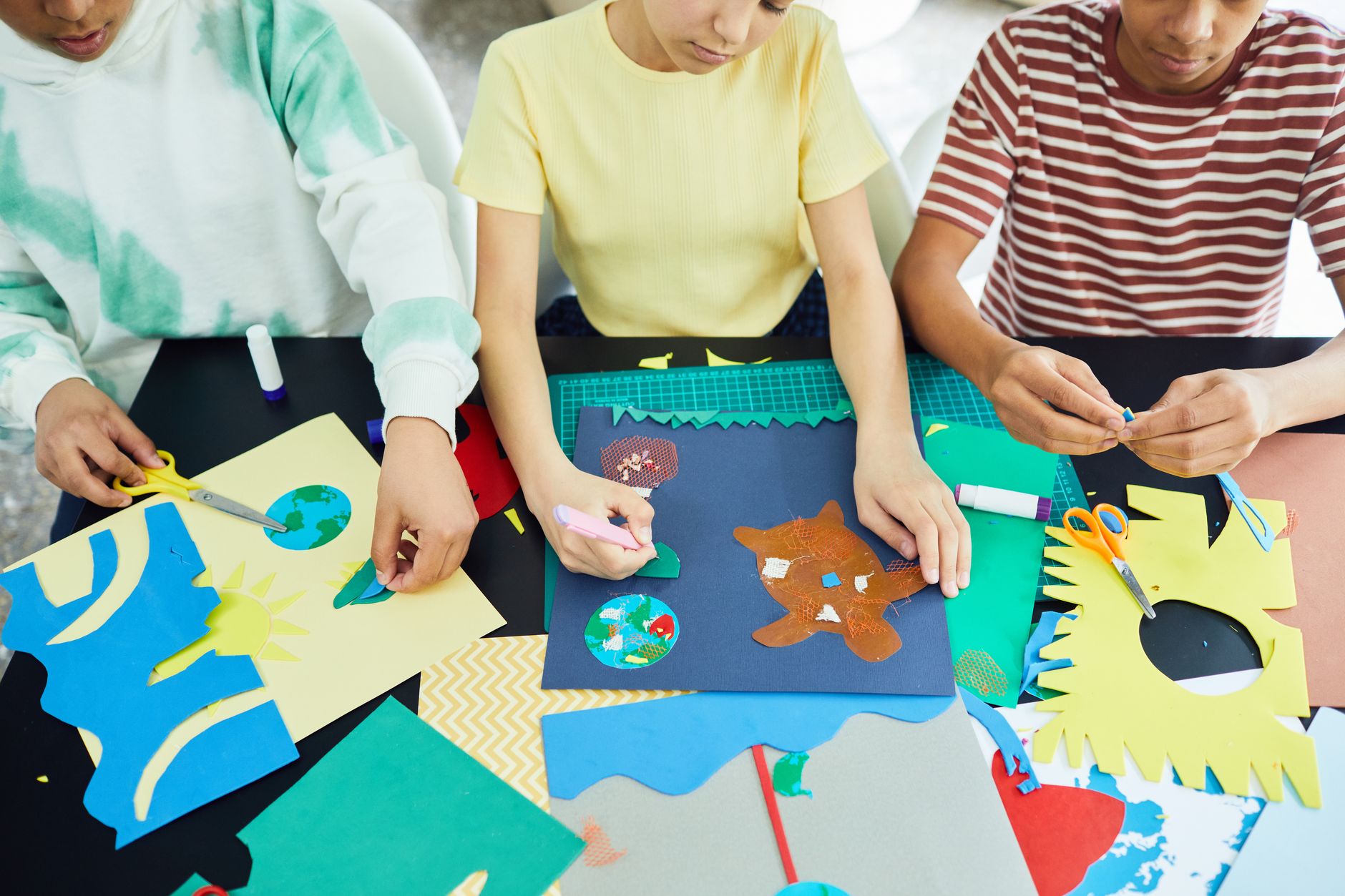 Photo by Vanessa Loring
Why Safe DIY from Home Depot Makes Sense
Parents often worry about safety and mess when kids want to build something. The good news is that Home Depot carries a wide range of kid friendly tools and non toxic supplies designed for simple projects. When you select items with a clear label for ages, you give kids room to experiment while staying within safety guidelines.
- Safety first, always. Look for items labeled non toxic, water based, or kid safe.
- Age appropriate tasks. Tiny kits and predrilled shapes remove some of the frustration while teaching essential motor skills.
- Clear planning. Home improvement stores offer practical supplies that translate to real projects at home, from plan to finish.
- Budget friendly. Projects can be assembled with common components you already have at home or can reuse later for new crafts.
A well organized space makes a big difference. A small table, a drop cloth, and a simple tool tote keep work contained and calm. Kids learn to tidy up after themselves and to respect gear that helps them create. Creating a routine around quick cleanup turns DIY time into a pleasant habit rather than a chaotic exception.
Safety Essentials for Young Makers
A strong safety habit should be part of every project. Start with a basic, kid friendly equipment list and build from there as kids gain confidence.
Gear to have on hand
- Safety goggles or glasses that fit comfortably.
- Washable, age appropriate gloves for handling materials and light sanding.
- An apron or old shirt to protect clothing.
- Non toxic, water based paints and brushes for easy cleanup.
- Painter’s tape and masking tape for clean edges and design patterns.
- Sandpaper in a few grits to smooth rough edges.
- Plastic, kid sized tools such as a hammer with a rubber head and a lightweight screwdriver set.
- A small saw not for cutting wood by kids, but for adult supervision when needed.
- A sturdy glue that dries clear and is safe for children.
- A finishing spray or sealant labeled safe for indoor use and low odor.
Age appropriate tools and projects
- Younger kids may work with pre cut wood shapes, large dowels, and glue.
- Older kids can handle simple screws, brads, and a small hammer under adult supervision.
- Always pair a project with a clear task card showing the steps and expected outcomes.
A simple safety routine
- Set a clear workspace with adequate lighting.
- Review the plan aloud before starting, then check for hazards.
- Use the right tool for the job and keep hands away from cutting edges.
- Stop if something doesn’t feel right and recheck instructions.
- Finish with a quick cleanup and a moment to reflect on what was learned.
Three Beginner Projects That Build Confidence
Project 1: Painted Plant Pots and Seed Starter
What you’ll use from Home Depot
- Terracotta pots in assorted sizes
- Non toxic acrylic paint and brushes
- Painter’s tape for clean lines
- Clear sealant safe for indoor use
- Soil and easy to grow seeds or herbs
- A small tray to catch spills
Steps
- Clean the pot and dry it completely. A quick wipe helps paint grip.
- Plan a simple pattern on the pot and apply tape to create geometric shapes.
- Paint one color per panel, letting it dry between coats.
- Remove the tape and touch up any edges.
- Add a light layer of sealant if the child is old enough to handle it.
- Fill with soil and plant seeds. Water gently and place where it gets adequate light.
Learning outcomes
- Color mixing and design thinking.
- Fine motor control from painting and taping.
- Responsibility through plant care.
Project 2: Wooden Desk Organizer Kit
What you’ll use from Home Depot
- Unfinished wooden blocks and small crates or a simple wooden tray
- Sandpaper in fine grit
- Wood glue and a small bottle of water for clean brushes
- Non toxic paint in several colors
- Paint brushes of varying sizes
- Small metal hinges or magnets (optional) for adjustable pieces
- Clamps or a heavy book to hold pieces while drying
Steps
- Sand all surfaces to remove rough edges.
- Plan the layout on a flat surface and lightly mark where pieces will connect.
- Glue the pieces together in a simple three pocket organizer or a tray with dividers.
- Clamp and let dry according to glue directions.
- Paint with simple, bold patterns. Let dry completely.
- Add optional hardware to create a small shelf or a magnetic strip for notes.
Learning outcomes
- Spatial planning and measurement.
- Patience as glue dries.
- Finishing techniques that improve attention to detail.
Project 3: Bird Feeder Craft Using Wood Block and Rope
What you’ll use from Home Depot
- Small unfinished wood block or block shaped base
- A wooden dowel for a perch
- Rope or strong twine for hanging
- Non toxic wood glue
- A few brads or small nails with child friendly heads (used only by adults)
- A light coat of sealant for weather resistance (optional for outdoor use)
Steps
- Attach the perch to the block with glue. A shallow hole helps keep the dowel in place.
- Create a small notch to hold the feeder seed or treat.
- Drill a tiny hole near the top to thread the rope, then tie a secure knot.
- Decorate with paint if desired, using non toxic colors.
- Hang the feeder in a safe, visible spot and observe birds in the days ahead.
Learning outcomes
- Cause and effect as birds respond to feeding stations.
- Fine motor skills from gluing and tying knots.
- Outdoor observation and care for wildlife.
Stock image credit after this section: The image above demonstrates kids engaging in hands on crafts. It is a great reminder that DIY at home can be fun and educational.
Shopping List to Grab at Home Depot
- Safety gear: kid sized safety goggles, gloves, apron
- Painting supplies: non toxic acrylic paints, brushes, painter’s tape
- Wood basics: unfinished wood shapes or small crates, wooden blocks, dowels
- Adhesives: kid safe wood glue, clear sealant
- Tools: small rubber headed hammer, kid friendly screwdriver set, sandpaper
- Plant supplies: terracotta pots, soil, seeds or starter kits
- Misc: small trays, storage bins, twine or rope
Tips to make shopping easier
- Look for items with age appropriate labels.
- Choose water based paints for easier cleanup.
- Pick up a masking tape roll and sandpaper in one trip to avoid backtracking.
How to Turn Home Depot Supplies into a Routine
- Set up a dedicated “maker corner” in a quiet room or a kitchen corner.
- Keep a simple toolkit nearby with essentials so you don’t hunt for items mid project.
- Use a whiteboard or paper to write the steps for each project before starting.
- Schedule short sessions, 30 to 45 minutes, to maintain focus and reduce frustration.
- End with a quick show and tell to celebrate the day’s work.
Promoting Safety Without Cutting Fun
Children learn best when safety feels natural, not punitive. Here are some simple ways to keep things smooth and enjoyable.
- Use a timer to signal transitions from one step to the next.
- Demonstrate each step once and then have the child repeat it.
- Keep tools within easy reach but out of reach when not in use.
- Praise specific milestones like finishing a pattern or sanding smoothly.
- Rotate projects to keep enthusiasm high and prevent fatigue.
Encouraging Creativity and Critical Thinking
DIY projects at home aren’t just about making something pretty. They are chances to practice problem solving. Ask guiding questions during the process, then step back and let kids make decisions.
- What color would you mix to get a new shade?
- Where should the pot be placed so it dries evenly?
- How will you measure to fit the desk organizer pieces together?
- If a piece doesn’t fit, what could you change rather than start over?
Kids gain confidence when they own the plan and see it through to the end. It also helps them see mistakes as a normal part of learning rather than a failure.
A Practical Timeline for Early DIY Education
- Week 1: Pick one project and assemble the materials.
- Week 2: Finish the project and add personal touches.
- Week 3: Add a new design twist to the same project or start a second project.
- Week 4: Reflect, share, and plan a future project together.
This rhythm helps kids build momentum without feeling overwhelmed. It also creates steady opportunities to practice new skills and to learn from each other.
Maximizing Learning Beyond the Project
While completing a project is satisfying, the real value lies in the skills it builds. Use each project as a doorway to broader lessons.
- Math: Measure lengths, count pieces, compare weights.
- Science: Observe how materials react to glue or paint drying.
- Literacy: Read simple instructions and label parts or steps with names.
- Social skills: Work together, take turns, and celebrate shared success.
A Child Friendly Shopping Guide to Home Depot
- Look for “Kids Safe” already on product pages to quickly identify suitable items.
- Choose starter kits that introduce tools in a controlled way.
- Favor items with simple instructions and fewer steps to complete.
- Prioritize products with low odor and water based finishes.
- Ask a store associate for a quick demonstration on how to use a tool safely with children.
Conclusion
Starting with safe items from Home Depot makes DIY projects accessible and enjoyable for kids. By building a small, well equipped workspace and choosing age appropriate tasks, you can turn a simple afternoon into a meaningful learning experience. The projects outlined above foster creativity, teach planning, and reinforce safety habits that will serve kids well in years to come. With a little guidance, curiosity becomes a habit, and every finished project becomes a story to tell. Ready to start your first family DIY today? Gather your supplies, set up the space, and watch your child discover how much they can create with their own hands.