
He Was Drowning in Bills and Burnout Until a Simple Daily Ritual Rewired His Brain for Wealth in Less Than a Week
>>> Start Your Shift Today <<<

Picture a cozy family game night in a suburban US home. Dad pulls out the paddles and sets up the table in the basement. One kid yells, “Let’s play ping pong!” while Mom corrects, “It’s table tennis.” Confusion erupts. Sound familiar? Many Americans swap the terms without a second thought. Yet real gaps exist in rules, gear, and play style.
Table tennis stands as the official sport with strict standards. Ping pong serves as the casual backyard version. These differences matter if you play in clubs or just for fun. This post breaks it down. You’ll learn the history behind both names. See how rules clash in serves and scoring. Spot gear that sets pros apart from party players. Get the scoop on today’s US scene too. Whether you grab a paddle weekly or plan to start, clear facts help you pick the right game.
History: How Table Tennis and Ping Pong Started
Table tennis began in England as a parlor game. Wealthy folks mimicked lawn tennis indoors on dining tables. They used books for nets and golf balls for play. The sport spread fast to Europe and beyond.
Soon, companies sold kits with proper gear. One firm gave it the name “ping pong” as a catchy brand. That name stuck for fun sets sold in stores. Table tennis kept its formal title for competitions.
He Was Drowning in Bills and Burnout Until a Simple Daily Ritual Rewired His Brain for Wealth in Less Than a Week
>>> Start Your Shift Today <<<
In the US, both took root in the early twentieth century. Families set up tables in garages and rec rooms. Tournaments popped up in cities. The sport grew with immigrants from Europe.
Ping pong boomed through clever ads. Board game makers pushed cheap sets for homes. Table tennis drew serious players to clubs.
Table Tennis Goes Global
Groups formed to set rules worldwide. The sport joined the Olympics as a medal event. In the US, the Table Tennis Association started to run national events. Clubs multiplied across states.
Ping Pong Hits American Homes
Marketers sold ping pong kits at low prices. Postwar booms filled rec centers with tables. Families bonded over casual matches. It stayed loose, unlike structured table tennis.
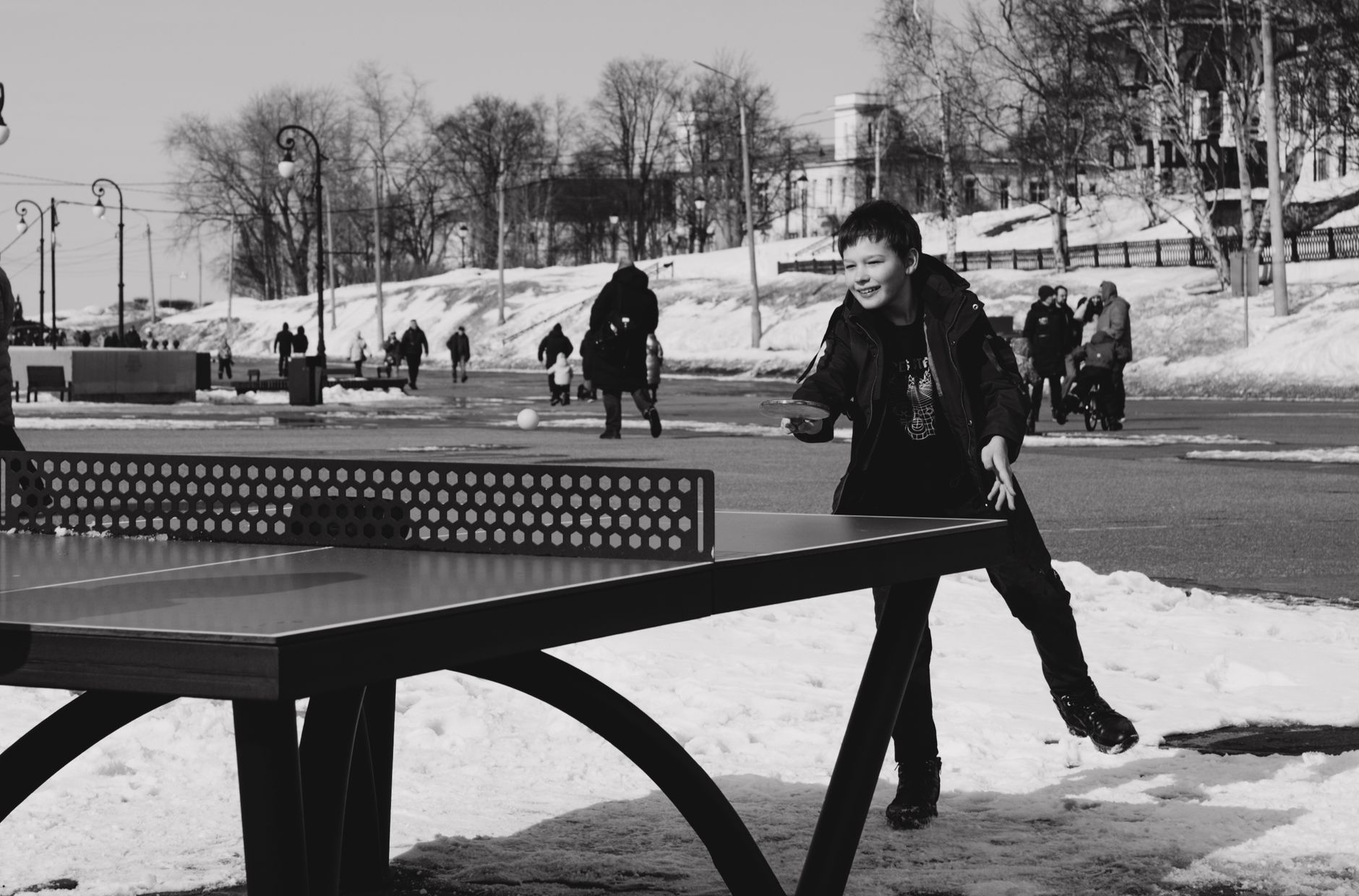
Photo by Georgy Druzhinin
Rules Showdown: Table Tennis vs Ping Pong Play
Rules split table tennis from ping pong most. Clubs follow global standards for table tennis. Home games tweak them for ping pong fun. Key clashes hit serves, scoring, and faults.
Table tennis games run to 11 points. Win by two if tied at 10-10. Singles play best of five or seven. Doubles add partner switches.
Ping pong often goes to 21 points. Casual rules let serves bounce twice. Faults get ignored for flow.
US table tennis clubs stick to official play. Your local YMCA might mix house rules for ping pong nights.
Serving and Scoring Basics
Table tennis serves toss the ball 6 inches up. Keep it visible over the net. Palm stays open; no hiding. Alternate serves every two points.
Ping pong serves from the side. Ball can graze the net on “let” serves. No strict toss height. Games stretch longer to 21.
Example: In table tennis, a bad serve faults right away. Ping pong lets you retry for fun.
Scoring ramps quick in table tennis. Rallies end fast. Ping pong builds points slow with longer exchanges.
Game Pace and Faults
Table tennis demands speed. Feet stay behind the end line. Touch the table during play? Fault. Ball must clear the net fully.
Thousands of People Were Struggling With Money Until They Discovered This One Ancient Secret Hidden in Sound
>>> Unlock It Now <<<

Ping pong chills the pace. Step over the line? Often no call. Double bounces ok on receives. Faults slide for laughs.
Pros rally 20 shots or more in table tennis. Casual ping pong tops out at five. Strict faults keep table tennis sharp.
Equipment Differences You Can Spot
Gear tells table tennis from ping pong at a glance. Official tables match exact sizes. Balls and paddles meet pro specs.
Ping pong uses backyard setups. Tables fold small. Paddles feel light and cheap.
US shops stock both. Brands like Butterfly suit table tennis stars. Stiga works for home ping pong.
| Feature | Table Tennis | Ping Pong |
|---|---|---|
| Table Size | 9 ft long, 5 ft wide, 2.5 ft high | Often smaller, outdoor folds |
| Net Height | 6 inches on all sides | Matches or loose |
| Ball Size | 40 mm, seamless plastic | 38-40 mm, sometimes dimpled |
| Paddle Weight | 6.5 grams rubber sides | Foam or wood, under 5 grams |
Pick Butterfly for clubs. Grab Stiga for parties on a budget.
Table and Net Specs
Table tennis tables hit precise marks. Edges rise 1 inch for bounce. Green tops mimic grass courts.
Ping pong tables vary. Outdoor plastic holds up in rain. Nets clamp loose.
Paddles and Balls Compared
Table tennis paddles glue red and black rubber. They spin shots wild. Balls switched to plastic for safety.
Ping pong paddles use foam grips. Balls dimple like golf for casual bounce. Less spin, more smack.
Table Tennis and Ping Pong in the US Today
Table tennis thrives in over 300 US clubs. The national group hosts leagues and nationals. Olympic hopefuls train daily. Players like Kanak Jha chase medals.
Ping pong rules parties and gyms. Colleges stock tables in unions. Rec centers host open play. Post-pandemic, home setups surged.
Fitness perks shine for both. Quick matches burn calories. Improves hand-eye skills. Low impact suits all ages.
Find spots via club directories. Start casual with ping pong. Level up to table tennis leagues. US growth hits rec leagues hard.
Conclusion
Table tennis marks the competitive sport with tight rules and pro gear. Ping pong brings loose, joyful play to US homes and parties. History shows table tennis as global standard; ping pong as branded fun.
Now you spot the gaps. Grab a set for your next game night. Join a local USATT club for real matches. Or tweak rules for backyard laughs.
There Is a Frequency That the Wealthiest Families Have Used for Generations and Most People Will Never Know It Exists
>>> Open the Door <<<

Which do you prefer? Share your stories in comments. Try both and see the buzz. Your paddle awaits.
He Was Drowning in Bills and Burnout Until a Simple Daily Ritual Rewired His Brain for Wealth in Less Than a Week
>>> Start Your Shift Today <<<