
He Was Drowning in Bills and Burnout Until a Simple Daily Ritual Rewired His Brain for Wealth in Less Than a Week
>>> Start Your Shift Today <<<

Table tennis is a game of quick decisions and tiny margins. When you face a pusher, the margin shrinks even more. Pushers rely on steady blocks, careful ball control, and a low error rate to wear you down. If you want to win consistently, you need a plan that targets their habits and keeps you at the center of the rally. This guide breaks down the pusher style and gives you practical, repeatable steps to break through.
Understanding the pusher mindset helps you stay calm and execute. A pusher thrives on keeping the ball low and safe, rotating the pace with minimal risk, and forcing you to chase. They set up near the table, absorb pace, and rely on precise returns to prevent you from finding your own rhythm. The goal is simple: push you off balance, make you overhit or miss, then reel you back with another safe return. The better you understand this approach, the easier it is to counter it.
A quick picture can help. A pusher does not want to win with powerful rallies. They win by shrinking your options, rewarding small mistakes, and forcing you to adjust at the wrong moment. Your job is to keep the pressure on them by varying the pace, direction, and spin. You’ll find that consistency becomes your ally once you add some unpredictability to your game.
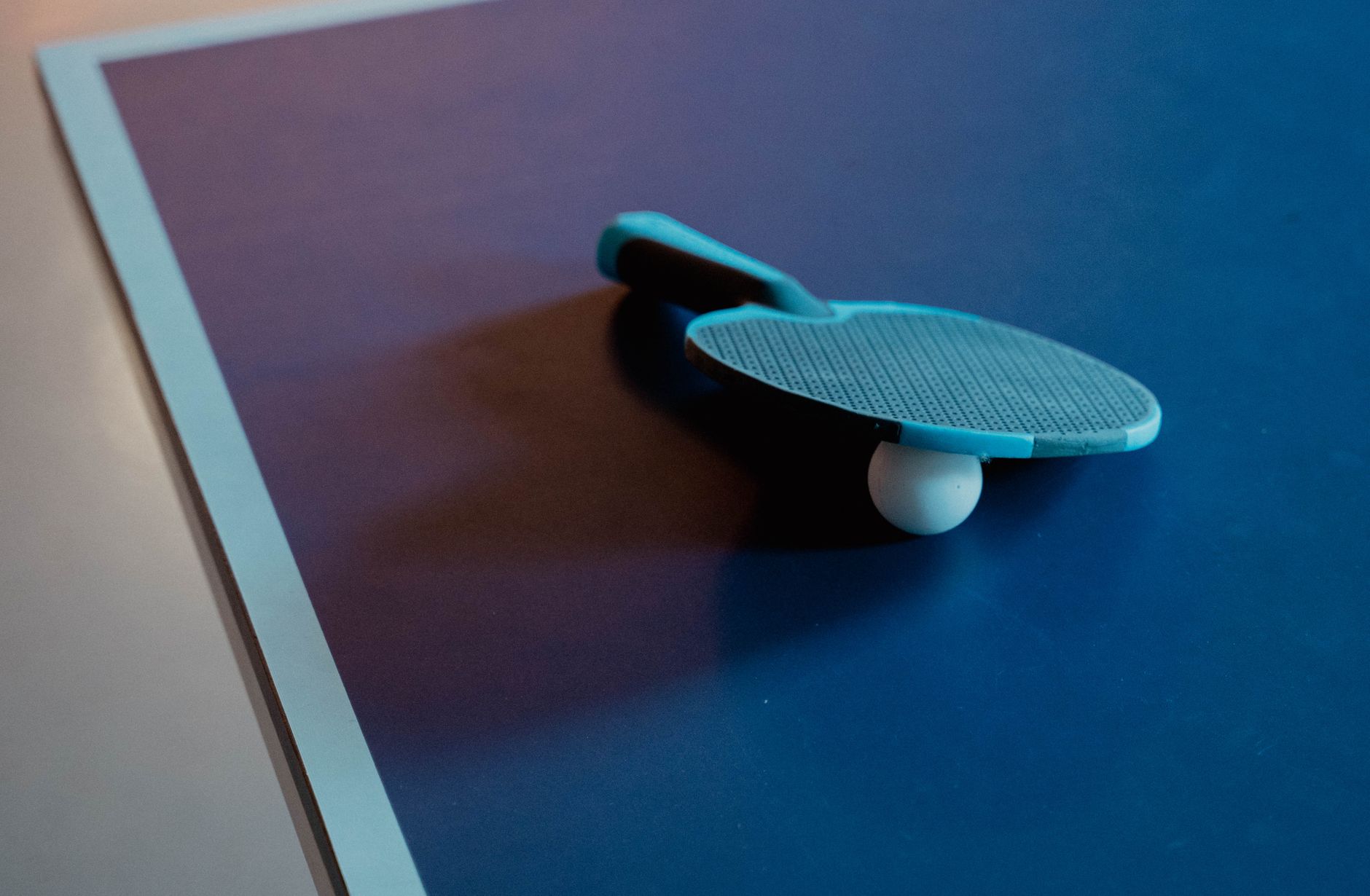 Photo by Vladimir Srajber
What If the Only Thing Between You and the Life You Deserve Is a Hidden Wealth Code Waiting to Be Activated
>>> Open the Door <<<

Understanding the pusher style
Pushers rely on three core strengths:
- Close-to-the-table control: They win the exchange by making you play the shot you don’t want to hit.
- Low risk shots: They keep the ball low and fast, then push you into decisions you don’t like.
- Rhythm disruption: They keep rallies short and steady, breaking your flow when you try to swing freely.
If you accept that a pusher is not chasing a flashy finish, you can design a game that disrupts their plan. The aim isn’t just to hit hard, but to disrupt the rhythm they depend on. The rhythm to look for is you changing tempo and location, not raw power.
Key principles to keep in mind:
- Attack the space behind the push: Pushers often hold near the middle of the table. Move just off the center line to create angles.
- Vary spin and depth: A combination of backspin, sidespin, and deep topspin makes even a compact block tough to handle.
- Build a plan, then adjust: Start with a simple approach and adjust based on what the pusher does.
Core tactics that beat a pusher
Positioning and footwork
- Stand slightly wider than your stance when you start the point. This gives you options and keeps you from being trapped in a corner.
- Use small, quick steps to move into the ball rather than big lunges. Small steps let you redirect pace without losing balance.
- When the pusher returns a ball, your first move should be to create a preferred angle. Don’t chase the ball. Instead, set up a target area on the opposite side of the table.
Spin variation
- Mix backspin with topspin on your returns. The pusher’s strength is absorbing pace and staying in control; introducing spin makes it harder to keep the ping pong ball exactly where they want it.
- Use subtle changes in spin on your push and attack shots. A touch more topspin on a block can push their block wide, inviting a weaker reply.
- Learn a consistent forehand loop against short balls. A controlled loop changes the pace and keeps you near the center of the table, where you can direct play.
Attack timing and rhythm
- Time your attacks when the ball is rising off the bounce. This gives you the best chance to drive the ball with control.
- Break their tempo with occasional rallies that go a little longer. A longer sequence can pull the pusher out of their comfort zone and open gaps.
- Use short balls to force a misread. A short, low return often invites an overhit or a shallow push, giving you the chance to attack.
Serve strategy
- Start with a variety of serves that produce low, short returns. A reliable short receive makes it easier to set up a controlled attack.
- Change the spin and angle of your serves. Pushing players rarely adapt well to multiple options at the start of a point.
- Target the body or the wide forehand with a surprise serve occasionally. This creates openings for your first attack.
Mental approach
- Treat each rally as a puzzle rather than a duel. Focus on solving small problems at a time.
- Keep it simple when you’re behind. Pick one tactic you know will work and commit to it.
- Stay patient. Pushers aren’t likely to give you a free point; you must earn it.
Practical drills to counter a pusher
Drill 1: Short serves, long return
- Practice serving short with low return depth. Aim to keep the ball 5–10 cm from the net.
- Return with longer, controlled strokes that push the ball to the corners.
- Do 10 minutes of this to build a repeatable pattern.
Drill 2: Spin variety exchanges
- Alternate backspin, sidespin, and no spin on serves and returns.
- Focus on keeping the ball low and directing it to the wide corners.
- Repeat for 8–12 minutes to develop consistency under pressure.
Drill 3: Patchwork rallies
- Start a rally with a neutral ball, then control the pace with a mix of blocks and loops.
- The key is not power but variety. Move between short, mid, and long exchanges.
- Do 5 sets of 3 minutes with 30 seconds rest between sets.
Drill 4: Angle creation practice
- Return each shot to an intended angle across the table.
- Build a pattern that makes the pusher defend wide and short. This creates space for a follow up attack.
- Practice for 6 minutes, then switch to a new angle.
Drill 5: Off the bounce loops
He Was Drowning in Bills and Burnout Until a Simple Daily Ritual Rewired His Brain for Wealth in Less Than a Week
>>> Start Your Shift Today <<<
- When a ball comes off the table, execute a controlled topspin loop.
- The goal is to surprise the pusher with pace and height at the same time.
- Do 5 sets of 4 points, focusing on keeping control.
Scenarios and adjustments you’ll encounter
Close-to-the-edge rallies
- The pusher will often give you tiny margins. Stay calm and aim for precision over power.
- Use longer, deeper strokes to push the ball off the table and force a mistake.
Deep blocks with a forward push
- If they push deep, step in and take the ball earlier. Don’t wait for it to bounce twice.
- A compact topspin drive to the far corner can break their rhythm.
Edge of the table exchanges
- When you’re trying to stay aggressive, you may end up at the edge. Move back a little and reset with a controlled block.
- From there, you can reintroduce spin and pressure.
What not to do
- Don’t overcommit to one shot every time. Pushers wait for predictable patterns and punish them.
- Don’t chase every block. If you overrun a return, you’ll lose balance and give away an easy point.
- Don’t rely on power alone. Spin and placement win more points than sheer speed in this style.
Common mistakes and fixes
- Overusing power on push returns: Fix by focusing on placement and spin. A slower, well-placed ball is often harder to handle than an aggressive shot that misses.
- Missing the angles: Build two or three go-to targets on the diagonal. Working these angles consistently makes the pusher stretch and misjudge.
- Falling into a passive stance: Stay proactive. Even when the rally is short, keep your feet moving and look for the next opportunity.
Equipment considerations that help against pushers
Paddle and grip
- A balanced blade with moderate stiffness helps you control pace and spin without overreacting to pace changes.
- A comfortable grip allows quick changes in angle and direction, which matter when you’re facing a pusher.
Rubber and spin
- A rubber combination that gives you reliable spin on both backhand and forehand helps you vary pace without losing control.
- Keep your rubbers clean and optimized for quick service returns and controlled loops.
Strategy in practice
A well-rounded approach blends defense and attack. Your defense keeps you in the point, while your attack creates openings. The pusher will test both aspects. Your success depends on how you mix tempo, spin, and placement.
- Begin with control: Ensure your first two shots set up a favorable angle.
- Introduce rhythm changes: A sudden increase in pace or a slight change in spin often unsettles the pusher.
- Finish with purpose: Don’t swing randomly. Aim for a clear target on each finishing shot.
Case study: a simple game plan against a common pusher pattern
A pusher typically uses a short backspin return to prevent an easy attack. Your plan is to apply pressure with a short serve, then vary the second ball to move the rally off the center line. You begin with a short, low serve to the backhand corner. The return comes down, and you push to the opposite corner with a slight topspin. The pusher blocks, and you follow with a controlled loop to the open forehand corner. A few rallies like this, with gradual tempo increases, will force a weak reply into an opportunity shot. The key is to stay balanced, keep the ball on the table, and avoid chasing unnecessary balls.
He Was Drowning in Bills and Burnout Until a Simple Daily Ritual Rewired His Brain for Wealth in Less Than a Week
>>> Start Your Shift Today <<<
Putting it all together in a match
In a real match, you’ll cycle through a few core ideas:
- Start with smart serves that produce short returns.
- Use spin variety to keep the pusher guessing.
- Target the wide angles to create openings.
- Adjust pace based on the pusher’s responses and avoid falling into a single pattern.
Your training plan should reflect this. Spend time on the drills that focus on spin variation, angle creation, and tempo changes. The more you practice these, the more natural your counters will feel during a match.
Conclusion
Beating a pusher consistently is not about overpowering them; it’s about outsmarting them. Control the table, vary spin and pace, and place the ball where it forces a mistake. Keep your footwork light and proactive, and stay patient as you build opportunities. Remember, every rally is a puzzle you can solve with the right mix of strategy and practice.
If you want to take your game further, schedule regular drills that mix short serves, spin variation, and angle work. Track your progress over a few weeks and note which tactics produced the best results. Share your experiences in the comments or with a training partner. The more you practice, the tighter your control becomes, and the more you’ll see your win rate rise against pushers.
Photo by Vladimir Srajber
There Is a Frequency That the Wealthiest Families Have Used for Generations and Most People Will Never Know It Exists
>>> Open the Door <<<
