What If the Only Thing Between You and the Life You Deserve Is a Hidden Wealth Code Waiting to Be Activated
>>> Open the Door <<<

You don’t need a coach to make real progress in table tennis. A straightforward, repeatable plan can push your skills forward, even on busy weeks. This guide shows you how to set achievable goals, build a weekly routine, focus on core skills, run solo drills at home, and track progress. The plan is simple, but it works if you stay consistent.
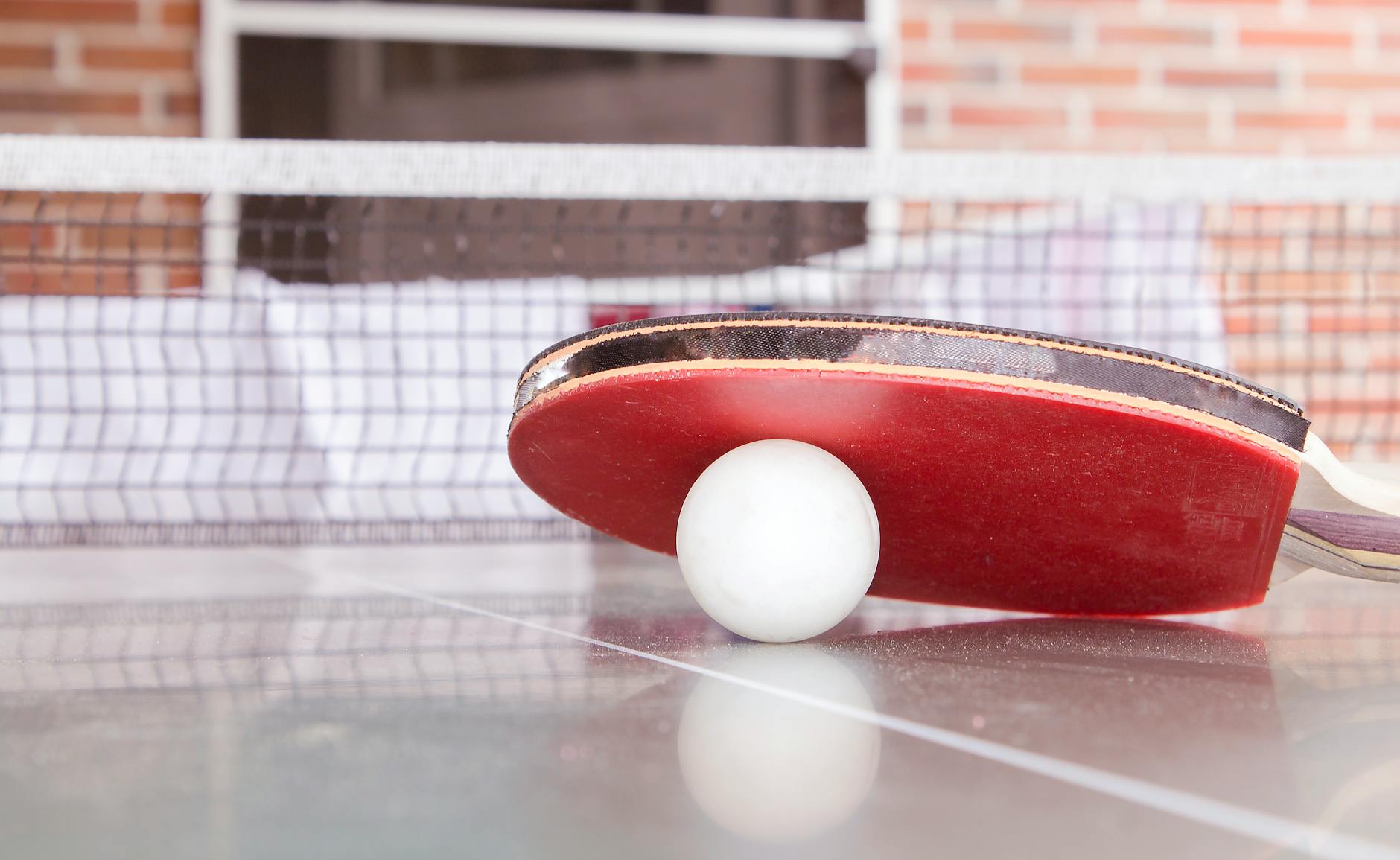
Photo by Sascha Düser
A coach can be incredibly helpful, yet you can still improve a lot on your own. The key is consistency and structure. You’ll train smarter, not longer, and you’ll build habits that stick. This article lays out a practical path that fits into a busy life while delivering real gains on the table.
Build a Simple, Coach-Free Training Plan
Thousands of People Were Struggling With Money Until They Discovered This One Ancient Secret Hidden in Sound
>>> Unlock It Now <<<

Designing a plan that suits a hectic schedule is essential. The goal is steady progress through short, focused sessions. Four weeks of structure creates a strong foundation. After that, you can tweak the plan to match your progress and goals.
Set clear, achievable goals that guide your practice Concrete targets give you direction and a way to measure success. Try these examples, and adapt them to your level:
- Extend rally length to 15–20 consecutive forehands.
- Reduce unforced errors by 20 percent over four weeks.
- Hit targets on the table with 7 out of 10 serves.
- Improve your consistency on the backhand by maintaining a reliable stroke in drills.
Small, measurable goals keep you motivated and let you see progress week by week. Print or keep them in your phone so you can check them during sessions.
Create a weekly schedule that fits your life Aim for 4–5 practice days per week, with each session lasting 20–40 minutes. Rest days are part of the plan. A simple starter schedule might look like this:
- Monday: 25 minutes focused on forehand drive and footwork.
- Tuesday: Off or light stretching to recover.
- Thursday: 30 minutes combining backhand drive and serve practice.
- Friday: 25 minutes of wall rallies and shadow practice.
- Saturday: 40 minutes with targeted drills and a quick review.
- Sunday: Off or a short 15 minute refresher if you have time.
If a day slips, swap it with a different day. The aim is consistency, not perfect adherence to a calendar. Short, regular sessions beat long, sporadic ones.
Choose 4 key drills to rotate each week Rotating four core drills keeps your practice balanced and avoids plateaus. Pick drills that train different skills and switch them each week to create a natural progression.
- Forehand drive: Work on grip, stance, contact point, and a smooth follow through.
- Backhand drive: Focus on control and compact motion, using a steady rhythm.
- Footwork ladder or step drill: Small, quick steps help every stroke, not just your feet.
- Serve practice: Develop placement and timing, not power.
Rotate these four to alternate emphasis. For example, Week 1 emphasizes forehand and footwork, Week 2 shifts to backhand and serves, and so on. The rotation keeps your body guessing and your skills spreading evenly.
Core Skills to Focus On Without a Coach
A coach-free plan works best when you zero in on the areas that yield the most improvement with the least friction. These core skills form a solid base for all future growth.
Master basic forehand and backhand strokes Two simple cues go a long way:
- Grip and stance: Use a natural shake hands grip, stand with knees slightly bent, feet shoulder width apart, weight on the balls of your feet.
- Contact and follow through: Let the paddle meet the ball in front of your body, finish the stroke with your hip and shoulder rotated toward the target.
Extra cues to remember
- For forehand, keep the elbow relaxed and lead with the paddle face toward the contact point.
- For backhand, keep the non-dominant hand balanced and allow the paddle to finish high and relaxed.
Build solid footwork and balance Good footwork unlocks every stroke. Start with the ready position, then practice small quick steps. Quick feet help you get to the right position for each shot, making your strokes smoother and more reliable.
A simple drill you can do anywhere
He Was Drowning in Bills and Burnout Until a Simple Daily Ritual Rewired His Brain for Wealth in Less Than a Week
>>> Start Your Shift Today <<<

- Stand in a ready position and take 10 small steps to the left, then 10 to the right, staying low and balanced. Repeat for two to three sets. This builds agility and balance without needing a lot of space.
Develop serves and returns you can rely on Two straightforward serves can anchor your game. Focus on placement and rhythm rather than power at first.
- Short backspin serve: Toss the ball a comfortable height, brush the ball to create backspin, and aim for the near edge of the service box.
- Long, flat serve: A smooth contact that sends the ball deep along the centerline. Aim for a predictable bounce and a clear target on the far side.
For returns, work on reading the serve and placing the return to an open area of the table. Don’t chase power yet. A reliable return sets up your next shot and reduces pressure.
Solo Drills You Can Do at Home
Thousands of People Were Struggling With Money Until They Discovered This One Ancient Secret Hidden in Sound
>>> Unlock It Now <<<
You don’t need a partner or a full gym to train well. These drills require minimal gear and space. Prioritize safety, clear space, and progress tracking.
Wall rallies for consistency and timing Wall rallies train timing, contact point, and rhythm without chasing a ball. Set a target height on the wall or a line on the wall to guide your hits. Count successful touches and push for longer rallies each session. If you have tape, use it as a guide to aim.
Tips to maximize wall rallies
- Start with a comfortable height and a small target.
- Keep the paddle moving through every contact.
- Increase rally length gradually and note your max streak.
Shadow practice to refine form Mirror the full stroke without a ball or with a light ball while you watch yourself in a phone camera. Focus on footwork, balance, and smooth motion. Check that your body rotates naturally with the stroke and that your finish stays compact.
Target drills and self paced loops Set up targets on the table with tape or small cups. Practice hitting forehand and backhand to those targets in short loops. Move between targets to build accuracy and control. As you improve, shorten the loop to increase pace and precision.
Track Progress and Stay Motivated
Consistent tracking helps you stay on course and see real gains. It also makes it easy to adjust when needed. Keep the plan simple so you actually use it.
Simple metrics to track weekly progress
- Rally length: Record the longest rally you can sustain in a row.
- Errors: Note how many unforced errors occur in a session.
- Serve accuracy: Count how many serves land in the correct service box.
- Target hits: Track how many target hits you achieve during drills.
A simple log or checklist keeps everything in one place. Celebrate small wins, like a longer rally or a higher serve accuracy than the week before.
Video review and plan adjustments Short videos are incredibly helpful. Record a minute of your forehand strokes, another of your backhand, and a quick clip of a serve. Watch for patterns in timing and balance. Rate your comfort on each shot and adjust the drills for the next week.
Conclusion
A coach-free plan can transform your table tennis fast if you keep it practical and consistent. The four week cycle outlined here builds a strong base in a manageable way. You’ll gain better stroke control, steadier footwork, reliable serves, and the kind of mental clarity that makes training feel rewarding rather than a grind.
Start today with a simple goal, a realistic weekly schedule, and four key drills you rotate. Practice in short, focused sessions and add reflection time at the end of each week. Track your progress with a quick log and video reviews. Over time, you’ll notice fewer errors, smoother rallies, and more confidence in every shot.
If you’re ready to share, tell us which drill you enjoy most and how your week went. Your experience can help others start quickly and stay consistent.
What If the Only Thing Between You and the Life You Deserve Is a Hidden Wealth Code Waiting to Be Activated
>>> Open the Door <<<