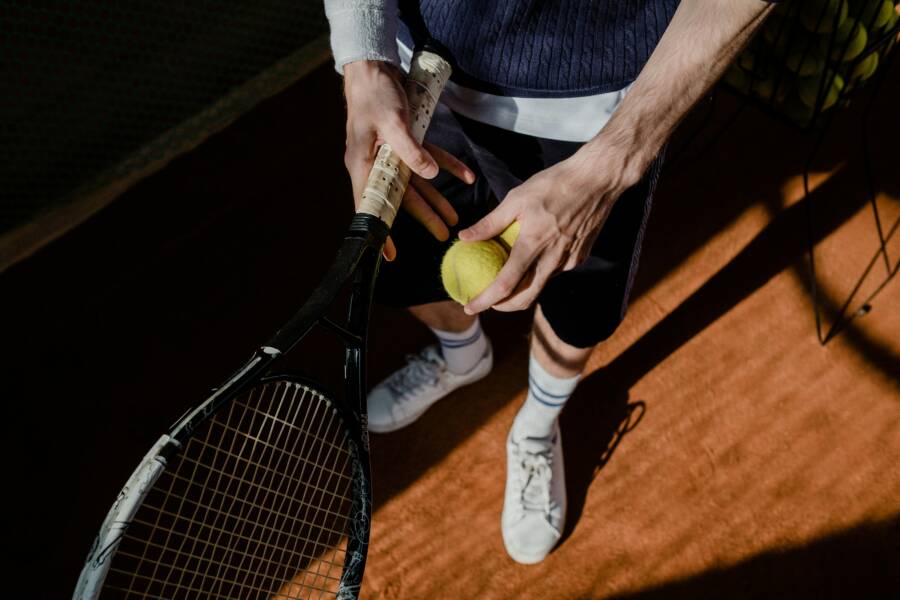
A tight moment seals a winner or a loss. At 9-9, the server holds a rare chance to dictate the rally, while the returner eyes a possible edge. This guide cuts through the nerves and shows practical ways to serve with clarity, disguise, and control when the pressure is highest.
The best serves at deuce are not lucky breaks but deliberate actions. They mix pace, spin, and placement to force a weak reply or set up a strong follow up. You can train the mindset and the mechanics so your serve becomes a trusted weapon in any close game.
The pressure moment explained
When the score is 9-9, every decision carries weight. A single good serve can create a favorable rally, while a poor one opens a fast counter attack. The key is routine. A clear pre serve ritual, a predictable timing window, and a compact contact point reduce hesitation. Masters of pressure don’t chase perfection. They chase consistency, then add variation to keep the opponent honest.
Mental preparation in this stretch is as crucial as technique. A simple breath on the toss, a check of foot position, and a quick visual scan of the opponent’s cues can steady the mind. Think in terms of micro outcomes: aim to win the point with the first shot, or at least win the rally by forcing a weak return. Clear goals beat vague hope every time.
Building a serve that survives pressure
Versatile short serves
A short serve that barely arcs over the net forces a quick, low return. In a game point, a tight short serve to the backhand corner can push the opponent to lift or push. The key is depth control and a deceptive finish. Don’t give away the exact spin with a visible toss. Keep the contact area compact and the wrist relaxed.
Hidden spin and disguise
Disguise is a quiet superpower. Use a slightly different contact point or paddle angle to hide the spin you actually put on the ball. One method is to brush the ball with a subtle twist that looks similar on contact but behaves differently after contact. The goal is to make the opponent pause and misread the speed or spin. Practice with a mirror or video to confirm that your motion looks similar on multiple serves while delivering different outcomes.
Varying spin for constant pressure
Spin options at 9-9 should feel natural, not forced. A backspin serve that skims the net and dies on the table, followed by a sidespin or topspin variation, keeps the receiver guessing. The mix stops the returner from setting up a reliable push or flip. When you mix spins, your goal is to create awkward returns rather than chase a perfect shot every time.
Placement that keeps the rally honest
Placement is the unglorified engine of your serve. Aim for the corners, the body, and the middle line to disturb the opponent’s rhythm. A well placed serve to the body can jam a player who likes to take the ball late, while a deep corner serves can force a crosscourt return into your best attacking position. A strategic routine is to alternate between deep serves and short serves, always changing up the pattern by one option so the opponent remains uncertain.
Toss control and contact
Toss height and the point of contact are often overlooked. A consistent toss that stays level and a compact follow through help you maintain rhythm under pressure. Keep the toss height steady, not too high, not too low. Your contact point should be close to the body for quick recovery and a ready stance for the next shot. A stable base prevents you from rushing your finish when the pressure peaks.
Deception and speed to keep the opponent off balance
Deception can turn a routine serve into a momentum shift. Combine speed with a slight change in direction to create a moment of doubt for the receiver. A fast serve to the backhand with a light sidespin can land and float away from the expected return path, making the opponent miss or misread the pace. Pair this with a slower second ball to push a misstep into your favor.
Footwork and balance as foundations
Footwork is the quiet enabler of every high pressure serve. The stance should be balanced, not rigid. Feet shoulder width apart keeps you ready to pivot toward the next shot without losing rhythm. A small forward lean helps you reach the table as you make contact, while a stable base prevents you from staring down at the paddle after the serve. The tossing arm should stay relaxed; a rigid motion invites predictable returns.
Grip and paddle orientation
Grip choices influence how cleanly you generate spin and how easily you disguise it. A flexible grip that allows a small wrist flick helps you vary ball rotation without changing the entire stroke. The angle of the paddle at contact should favor controlled speed and net clearance rather than raw power. Train to pivot slightly at contact, then re-center quickly for the return.
From practice to match play: a practical drill plan
Drill 1: Target zones with a purpose
Set up four targets on the service box: two near the body, two wide to the corners. Alternate serves to each target, focusing on depth and control rather than pace. Keep a steady rhythm and check your toss, contact, and follow through. Do this for 10 minutes, then switch to a faster tempo for 5 minutes.
Drill 2: Short and hidden
Work on a short serve that lands a few inches from the edge of the table. Immediately switch to a serve with a hidden spin look. The goal is to make both serves feel similar in flight but behave differently after bounce. Watch for cues in your opponent’s body language as they decide how to attack the ball.
Drill 3: Pressure point simulation
Create a simple scoreboard with a partner. If you win the rally, you keep serve; if you lose the rally, your partner takes over. Keep sets tight and treat each serve like a critical moment. This drill builds mental stamina and precise execution under real world pressure.
Drills can be mixed with footwork patterns to train fast recovery after the serve. The mejor outcome is a consistent contact that you can rely on even when nerves spike.
Managing variety without losing rhythm
The aim is not to complicate the motion beyond recognition. Instead, add small changes that matter. A slightly different contact point, a marginal shift in paddle angle, or a quick change in the timing of the toss can alter the ball’s trajectory enough to keep the opponent from settling into a single reply.
In match play, you benefit most from a simple, repeatable routine. When you can trust a few core serves, you free mental space to read your opponent’s next move. The ability to switch between a reliable short ball and a deceptive longer ball becomes your best weapon in the last minutes of a set.
An in game scenario: 9-9 from a point of view
Imagine you are serving at 9-9 in a tight set. Your plan starts with a quick breath and a clean pre-serve routine. You call the shot in your mind before you contact the ball. The steps unfold like this:
- Stand with a comfortable base, knees slightly bent, weight balanced toward the balls of your feet.
- Keep the toss consistent and close to your body to avoid tipping off the receiver about spin.
- Choose a serve that you know your opponent struggles with. You might start with a short, backspin serve to the far corner.
- Follow through with a compact paddle angle. Do not whip the paddle in a way that betrays spin too early.
- Watch for the first motion from your opponent. If they stretch to lift, prepare to drive a third ball to their backhand corner.
- If the return is short, press with a second ball that forces a weak reply to your next shot.
- If the return travels long, be ready to step in and attack, keeping the rally under your control.
This sequence emphasizes discipline. You should not throw in too many spins at once or chase a perfect shot. The point is to keep the ball moving, force a return error, and stay ready for the next action.
Mental edge that seals the deal
Pressure is largely psychological. A few simple routines help you stay calm and focused. Small pauses between the toss and contact can prevent rushed decisions. Develop a ritual that you perform before every serve in the tunnel moment of a set. It can be as simple as a breath, a glance at the corner of the table, or a last check of your stance.
Set micro goals for the moment. Instead of aiming to win the point outright, aim to win the next two balls. A clear target reduces the impulse to overthink the result and keeps you moving with intent.
The power of preparation also shows up in your practice habit. If you drill scenarios that mimic late game pressure, you turn nerves into knowledge. You will find yourself performing the same mechanics under stress because your body recognizes the rhythm.
How to avoid common pitfalls
- Overcomplicating the serve: Keep your motion compact. Add variation only when it serves a clear purpose.
- Losing balance: Maintain a low, stable base and avoid falling into a side lean as you finish the stroke.
- Predictable toss: Vary the height enough to keep your opponent unsure, but keep the toss consistent enough to avoid errors.
- Telegraphed spin: Practice disguising your spin so the opponent cannot read it by eye alone.
Why this approach works for players at all levels
This approach balances consistency with variability. Beginners gain reliability, learning the importance of a steady pre-serve routine and solid contact. Intermediate players gain the ability to mix spins and placements in a controlled way, creating tough returns without sacrificing rhythm. Advanced players benefit from disguise and precision that make every serve a weapon rather than a trap.
In many matches the difference between a good and a great serve at 9-9 is not pace but control. When you control the ball, you control the tempo of the rally. You can dictate when to press, when to keep the point alive, and when to attack. Control reduces the chance of giving away free points and increases your opponent’s uncertainty.
A concise recap of actionable tips
- Keep a reliable pre-serve routine and a consistent toss.
- Use short serves to the backhand or wide corners to force weak returns.
- Mix spins with subtle disguise to confuse the receiver.
- Vary pace and depth but stay within a repeatable contact point.
- Build a small set of drills that emphasize accuracy and mental focus.
- Practice with a partner to simulate late game pressure and develop rhythm.
- Develop a mental plan for deuce points, focusing on micro goals rather than the outcome.
The broader lesson: practice with purpose
If you want to improve your 9-9 serves, practice should mirror match pressure. Treat each drill as a step toward a single outcome: a reliable, deceptive, and ready to execute service game plan. The more you replicate the feel of a close score, the more your nerve control translates to actual match success.
A final note on consistency and growth
Consistency is the backbone of late game serves. Start with a solid base and a few well chosen variations. As you grow, you will learn when to press and when to conserve energy through precise, safe plays. The key is to build a clear mental map for each serve that you can follow under stress.
Conclusion
In table tennis, every 9-9 moment is a chance to shape the rally with intention rather than luck. A well prepared serve in this moment sets the tone for what follows. Embrace a tight routine, master a few deceptive spins, and place the ball with purpose. By combining calm preparation with smart variation, you turn pressure into an edge rather than a cliff. Keep practicing the same core serves and add one thoughtful twist at a time. Your confidence at the last moment will grow, along with your win rate in tight sets.
If you want to take this a step further, try a focused weekly routine that blends three core serves with two practice drills and a short mental routine before every serve. After a few weeks, you will notice more points starting with your serve and fewer points slipping away on the first contact. The best players are not luckier. They are better prepared, and that begins with how they serve at 9-9.