She Pressed Play on a Strange Audio Track and Within Days Her Financial Reality Started Shifting in Ways She Could Not Explain
>>> See How It Works <<<

Building a strong table tennis game starts long before the first rally in a match. The best players treat practice as a real competition, with pressure, variety, and clear goals. This guide shows you how to shape your training so it mirrors the tempo and decision making of a tournament. You’ll learn to drill with purpose, simulate match formats, and build the mental toughness that wins key points.
When you train like you compete, you develop a rhythm that carries over to game time. Your serves become sharper, your returns smarter, and your footwork more economical. The result is a game that feels less like repetition and more like consistent performance under pressure.
Why practice like a tournament matters
Tournament-style practice gives you three big advantages. First, it improves decision speed. In a real match you must decide on placement, spin, and tempo in a split second. Second, it builds what a pro would call “pressure tolerance” under time and score constraints. Even tight games become less intimidating when you’ve trained through similar endings. Third, it creates a reliable routine. Consistency in warm ups, drills, and match simulations reduces the unknowns on competition day.
He Was Drowning in Bills and Burnout Until a Simple Daily Ritual Rewired His Brain for Wealth in Less Than a Week
>>> Start Your Shift Today <<<

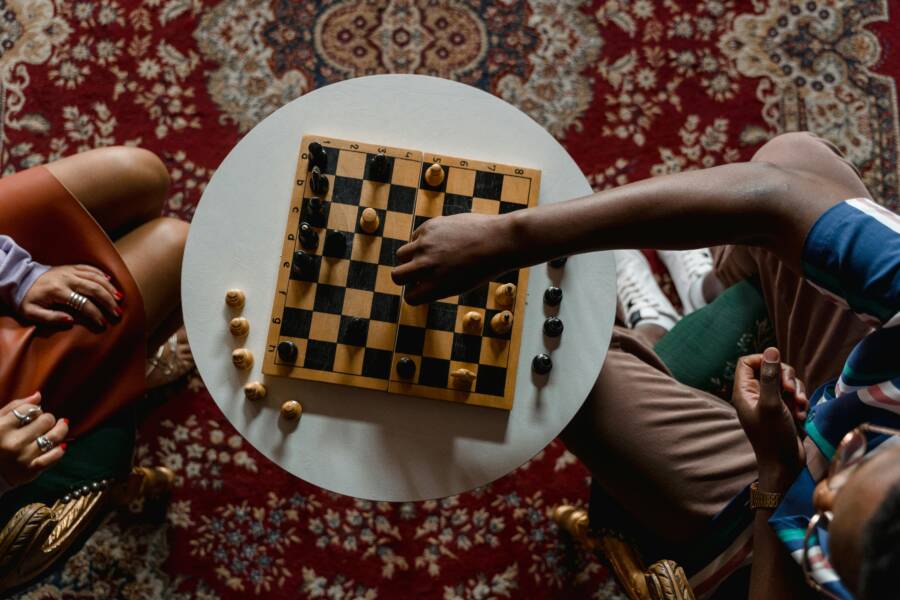
Photo by Kripesh adwani
 Photo by Kripesh adwani
Plan a practice week that mirrors a tournament cadence
A solid weekly plan blends drilling with match play. Think of your week as a mini tournament cycle. Start with a high-intensity practice focused on skills you struggle with, then rotate to formats that mimic real scoring and pressure. End with lighter days that help you recover while still sharpening your touch.
- Build a three-block structure: warm up, skill blocks, and match simulations.
- Include rest and recovery between intense sessions to prevent burnout.
- Vary the drills so you train reflexes, not just repetition.
A practical week might look like this: two hard skill days, one match-pace day, one light recovery day, with a rest day every week or two depending on your schedule. The key is consistency, not perfection in every session.
Creating a tournament-like session
There are three core elements to replicate tournament pressure in practice:
- Time and score pressure: Treat drills as timed games and set a target score.
- Unpredictability: Mix drills so you never know what comes next.
- Competitive stakes: Play with someone who challenges you and keeps score honestly.
Start each session with a brisk warm up to loosen shoulders, wrists, and legs. Then move into drills that push you in different directions. Finally, finish with a short match simulation to cement the day’s work.
Drills that mirror match play
Here are essential drills to incorporate into a tournament-style practice. They cover serve and return, rally building, and finishing plays. Use focused intent rather than mindless repetition.
Serve and receive mastery
- Target serves: Practice different serves to specific zones on the opponent’s side. Aim for short serves to the front corners and deeper serves that push the opponent back.
- Return pressure: Serve returns force you to adapt quickly. Have a partner vary the spin and speed of the serves you must handle.
- Serve plus one: After a serve, immediately step into a controlled rally. Keep the ball in play with a clear plan for the next shot.
Rally consistency under pressure
- Fence rally drills: Build a long rally with a fixed target in the middle of the table. If the shuttle goes out, you reset the count. Improve consistency before variety.
- Spin variations: Practice forehand and backhand topspin while the ball is spinning. Then switch to sidespin or backspin to challenge timing.
- Pattern drilling: Create repeatable patterns like forehand loop to backhand block, then mix in a surprise shot to break rhythm.
Finishers and point closers
- Controlled finishing: Practice ending points after a long rally with a precise down the line or wide angle.
- Kill shot labs: Work on a fast, decisive finish when you’re in control of the rally. Focus on location and speed to prevent predictable returns.
- Recovery after finish: Immediately reset into defense after a finishing shot so you’re ready for the next rally.
Tournament-style match simulations
- Short format matches: Play 3 games of 11 points with a strict time limit for each point. Emphasize fast decision making and efficient footwork.
- 5-minute sprints: Each player must win as many points as possible in five minutes. This hammers concentration and stamina.
- Handicap rounds: If you’re newer to the sport, add a small handicap for your practice partner so you stay competitive and engaged.
Mental toughness that travels from practice to match
Mental strength is not a mystery. It comes from predictable practice scenarios, a calm routine, and a plan to reset after mistakes. Try these mental cues during practice:
- Breathing and cadence: In tense moments, breathe steadily and keep your movements deliberate.
- Positive self-talk: Replace frustration with practical cues like “prepare, adjust, attack” to stay focused.
- Post-point reflection: After each point, quickly analyze what worked and what didn’t, then apply it on the next ball.
An atmosphere that matches the arena
To simulate tournament ambiance, adjust your environment. Use a timer, play with a scoreboard, reduce interruptions, and maintain a similar pace to competition. If you train with a partner, agree on fair scoring so both players stay committed to the outcome.
What If the Only Thing Between You and the Life You Deserve Is a Hidden Wealth Code Waiting to Be Activated
>>> Open the Door <<<

He Was Drowning in Bills and Burnout Until a Simple Daily Ritual Rewired His Brain for Wealth in Less Than a Week
>>> Start Your Shift Today <<<
Tracking progress and setting targets
Progress in table tennis is measurable. Track more than wins and losses. Record the following after each session:
- Serve success rate by target area
- Rally length and key turning points
- Time under pressure during matches
- Movement quality and recovery speed
- Mental notes on concentration and nerves
Review these weekly to spot trends. If your serve accuracy drops during a simulated match, refine the setup drills and recheck your footwork.
Equipment, environment, and a winning setup
A tournament-ready practice space resembles a real court more than a casual garage setup. Aim for a table at standard height with a consistent lighting level to reduce glare. Use a reliable ball machine or a practice partner to ensure consistent feed. Have a timer handy and a small whiteboard or app to track scores and notes. The right setup reduces distractions and keeps your focus sharp.
Common mistakes and how to fix them
Even serious players fall into quick traps. Here are frequent missteps and how to fix them:
- Overemphasizing drills over match play: Balance drills with regular match simulations to keep the pressure real.
- Skipping warm ups: A poor warm up leads to stiff shoulders and slower reactions.
- Chasing one shot type: A varied game beats a single style every time, so mix spin, speed, and placement.
- Ignoring recovery days: Rest is part of progress; it helps you absorb what you train.
A ready-to-use practice plan you can copy
- Warm up (10 minutes): light jog, dynamic arm swings, shoulder circles, gentle footwork steps.
- Serve and return block (15 minutes): 4 serves to different zones, each followed by a controlled return.
- Rally drill block (20 minutes): choose two patterns and cycle through them 6 times each.
- Finisher drill (10 minutes): quick, decisive shots aimed at the corners; finish each rally with a fast winner.
- Simulated match (15 minutes): 3 games of 11 points, switching sides after each game.
Consistency beats intensity in the long run
Consistency matters more than a single explosive session. When training for a tournament mindset, your aim is to be ready for the moment when you must decide in an instant. Small, regular improvements accumulate into big gains. A steady routine builds confidence and reduces the fear that can derail a good day on the table.
Incorporating rest and nutrition
Your best practice is not just on the table. Short breaks, hydration, and proper nutrition sustain performance through long sessions.Hydration helps maintain focus and reaction time. A balanced snack plan keeps energy stable, preventing dips that slow your footwork. Sleep is equally important; it repairs motor memory and sharpens focus for the next day’s work.
Concrete steps to turn practice into tournament readiness
- Design every session with a clear objective. Start with a question like, “What will decide the match here?”
- Schedule at least one full match simulation weekly. Treat it as a real tournament game and record the results.
- Rotate practice partners. A partner with a different style forces you to adapt and improve versatile play.
- Rehearse under pressure. Add timers, limited windows for decisions, and scorekeeping to every drill.
- Review and adapt. End each week with a quick reflection on what worked and what needs changing.
Real-world example: a tournament-style session
A club player starts with a 12-minute warm up, then spends 20 minutes on serve and return patterns. The next 20 minutes are rally drills that mix spin and placement. Finisher work follows for 10 minutes, then a 15-minute simulated match with honest scoring. The session ends with five minutes oflight cool down and notes on performance. This structure gives a clean arc from physical readiness to mental focus and match application.
A closing note for steady growth
Progress in table tennis comes from intentional practice that mirrors the demands of competition. By combining targeted drills, realistic match formats, and a disciplined cadence, you’ll see improvements in your timing, spin control, and nerve handling. Keep a simple log, stay patient, and let your practice evolve with your game.
Conclusion
Training with a tournament mindset isn’t about chasing perfection in every drill. It’s about building a dependable routine that mimics the pace, pressure, and variety of real play. With purposeful drills, regular match simulations, and a clear plan to track progress, you’ll enter every match confident and ready. Start small, stay consistent, and watch your decision making sharpen under pressure.
If you’re ready to take the next step, map out your week around three core sessions: serve and return, rally consistency, and a full match simulation. Keep your goals clear and your practice honest, and you’ll see the payoff when the lights come on and the crowd noise rises. Are you prepared to design your next practice week around tournament-style sessions and see your game rise to the occasion?
She Pressed Play on a Strange Audio Track and Within Days Her Financial Reality Started Shifting in Ways She Could Not Explain
>>> See How It Works <<<