There Is a Frequency That the Wealthiest Families Have Used for Generations and Most People Will Never Know It Exists
>>> Open the Door <<<

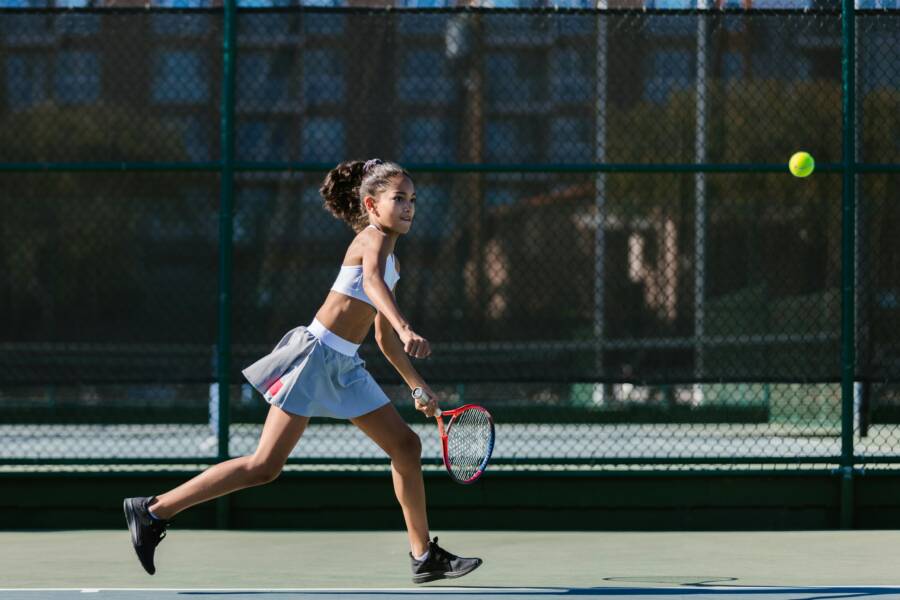
A smooth forehand should feel like a natural extension of your body. When balance slips, even a great shot loses its rhythm and opens the door for errors. The good news is that balance is something you can train with intention. With the right stance, timing, and drills, you can stop tipping off the court and keep your rallies steady.
This guide cuts through the noise with practical steps you can apply today. You’ll learn why you lose balance after your forehand, how to set a solid stance, how to transfer weight without wobbling, and which drills to lock in the habit. Expect clear cues, simple cues, and drills you can do at home or in a club.
Understand Why You Lose Balance After Forehand
Balance in table tennis starts with the feet. When you scratch out a powerful forehand, your body naturally shifts weight forward. If that shift happens too early, or if your feet aren’t positioned to absorb it, you’ll stumble after contact. Common culprits include
- A stance that’s too narrow or too wide for your size
- Locking the knee on the front foot instead of staying softly bent
- Over rotating the hips or twisting the torso before the ball leaves the paddle
- Eyes tracking the ball too late, causing the body to lurch toward the stroke
Think of balance as a snapshot of posture and timing at contact. If your feet, hips, and eyes line up with the ball, you’ll recover quickly and be ready for the next shot. If any piece is off, you feel the wobble and you may fall off balance.
Thousands of People Were Struggling With Money Until They Discovered This One Ancient Secret Hidden in Sound
>>> Unlock It Now <<<

A simple cue helps many players: keep your weight stacked over the middle of your stance and let a tiny forward push come from the knees, not from a single leg. This soft loading lets your body react to the ball without tipping.
Build a Solid Stance to Ground Your Forehand
Your stance is the ground you stand on when you swing. A sturdy base reduces drift and keeps you from tipping forward after contact.
Feet Position and Weight Distribution
Place your feet roughly shoulder width apart. Your dominant side should be ready to push off and recover, but avoid leaning too much on one leg. Distribute weight evenly across the balls of your feet. A comfortable, athletic stance means you can spring into motion or settle back with little delay.
He Was Drowning in Bills and Burnout Until a Simple Daily Ritual Rewired His Brain for Wealth in Less Than a Week
>>> Start Your Shift Today <<<

- Keep your toes active; they should grip the floor as you move.
- Maintain a slight bend in both knees. This acts like a spring for quick recoveries.
- Let your head stay level and eyes forward, not down at the ball the moment you strike.
Stance Width and Knee Flexion
Your stance should give you room to move side to side without losing balance. If you’re too narrow, you’ll tip easily when the ball comes wide. If you’re too wide, your recovery is slow. A good rule is a stance width that matches your shoulder width or slightly wider, with knees softened to absorb movement.
- Avoid locking the knees; keep them flexible.
- Practice small, controlled shifts from heel to toe as you step into forehand.
Shoulder and Hip Alignment
Keep your shoulders over your hips, not dumped forward. When you rotate into a forehand, let the rotation come from the hips and torso, not from leaning the upper body forward abruptly. A stable core supports the arms and keeps your balance intact after contact.
- Imagine a straight line from your ear through your shoulder, hip, knee, and ankle.
- After your shot, let your hips lead the recovery back to the center.
Master Gentle Weight Transfer and Contact Timing
Weight transfer is the bridge between a solid stance and a balanced recovery. If you push hard forward too early or drift too late, you’ll find yourself off balance after your forehand.
When to Move and How to Shift
Move with purpose and keep your steps short and quick. The goal is to arrive in position, strike, and return to balance without tipping the body.
- Start in a relaxed ready position. Your weight sits slightly forward on the balls of your feet.
- As the ball approaches, take a short step with your front foot to meet the ball.
- Let the rest of your body follow the step in a smooth arc. Don’t rush the movement.
A common mistake is to rush the forward step while the paddle is still behind you. That creates a moment where gravity drags you forward and you lose balance after contact. Slow, deliberate placement is more efficient in the long run.
Forehand Contact Point and Follow Through
Hit the ball in front of your body, not too close or too far away. The contact point matters for balance. As you strike, transfer weight through the ball and finish with a partial return to your center.
- The finish should feel like you are re-centering, not leaning toward the direction of the shot.
- A compact finish helps you reset quickly for the next rally.
- If you’re chasing the ball after contact, you’re likely overreaching and losing balance.
A reliable cue is to ride the natural arc of your follow through back toward your midline. It helps you stay ready for the next ball rather than topple off balance.
Drills That Sharpen Balance On the Move
Repetition builds steady balance. Try these drills in sets of short rounds. Focus on how your body feels at the end of each stroke, not just how hard you hit the ball.
Shadow Forehand With Balance Focus
No ball, just your swing. Practice a slow, controlled forehand from ready position. Emphasize staying centered and keeping the head aligned with the spine.
- Stand in a ready stance.
- Move into a forehand without turning the torso too early.
- Return to center and reset, keeping the knees soft.
Do 2 rounds of 60 seconds each, with a brief rest between.
Lateral Footwork With Centered Posture
Move side to side along the length of the table while staying balanced. This trains your recovery and helps you keep a centered stance when the ball comes wide.
What If the Only Thing Between You and the Life You Deserve Is a Hidden Wealth Code Waiting to Be Activated
>>> Open the Door <<<

- Step to the left with the left foot, then bring the right foot to meet it.
- Step to the right with the right foot, then bring the left foot to meet it.
- Keep your upper body quiet, with shoulders level and hips stable.
Complete 4 cycles of 30 seconds each. Rest briefly between cycles.
Forehand Drive With Quick Reset
Partner or wall drill. Alternate forehand drives with a quick reset to center after each shot.
- Hit a controlled forehand drive, then step back to center.
- Do not overextend or lean into the shot.
- Focus on balance during the return to center.
Do 3 sets of 12 balls. The emphasis is balance, not pace.
Balance Board or Cushion Drill (optional)
If you have access to a balance board, add short balance holds between shots. Keep movements small and controlled.
- Stand on the board in your ready stance.
- Perform a forehand, then hold the position for a second before returning to center.
- Use the board to train ankle stability and core control.
Balance drills train the body to absorb weight shifts without tipping. The goal is tactile memory: when you feel the ball, you react with a stable, controlled movement.
Equipment and Surface Considerations
The environment where you train or play affects your balance more than you might think. Small changes can yield big improvements.
Footwear for Traction
Choose shoes with a non slip sole and a snug fit. The right footwear keeps your feet from sliding and helps you recover faster after each shot.
- Look for shoes with a flat, grippy sole and good lateral support.
- Avoid shoes that pinch or cause the foot to slide inside the sole.
Table and Floor Surface
Dry floors are essential. A damp or dusty floor makes it hard to plant and recover. If you play on a wooden floor, small mats can help.
- Check the floor for moisture before practice.
- If you use a mat, ensure it sits flat and doesn’t slide.
Balance Aids and Props
A balance board or a soft mat can boost balance training. Use these tools to condition your ankles and core. They are optional but helpful for beginners who want a gentler progression.
- Start with short holds and light reps.
- Move to real play once you feel steady on both feet.
Integrating Balance Into Match Play
Balance is not a separate drill. It should feel natural during live rallies. Here are practical ways to weave balance into your game.
Footwork Patterns for Forehand Rallies
Develop consistent step patterns that keep you centered.
- Start with a small forward step as you attack, then recover quickly.
- When you have to move wide, take a compact sidestep rather than a long lunge.
- After each shot, bring your feet back to the middle before the next swing.
Recognizing Early Signs of Losing Balance
Learn to read the body signals that balance is slipping.
- The shoulders dip or the head tilts forward.
- The front foot stays planted too long and the back foot shifts too far.
- The paddle path becomes stiff and less controlled.
When you notice these signs, pause briefly to re center before continuing.
Quick Fixes During Points
If you feel off balance during a rally, reset with a micro step rather than a big lunge.
- Take a small step toward the center from your stance.
- Return your weight to a balanced position before you swing again.
- If you must, take a quick breath and refocus before the next shot.
These quick fixes help you stay on course and avoid giving away points because of a stumble.
When to Seek Coaching
If you consistently struggle with balance despite practicing, a coach can help. A focused session can uncover subtle issues in footwork, stance, or timing. Look for a coach who emphasizes fundamentals and progressive drills. Even a few guided sessions can accelerate improvement and reduce frustration.
- Ask for specific balance-focused drills you can take home.
- Request video feedback to see your posture and footwork in action.
- Set small, measurable goals for balance in each practice session.
Conclusion
Stability after the forehand is a skill built step by step. Start with a solid stance that supports quick recovery, then refine the timing of weight transfer so your body moves with the ball rather than against it. Use simple drills to train balance in a way that transfers to live play. With consistent practice, you’ll notice fewer slips, steadier rallies, and greater confidence on the table.
Remember, balance is not about being motionless. It’s about controlled movement and fast recovery. Keep your feet active, your core engaged, and your eyes on the ball. Bring everything back to center after each shot, and your forehand will feel consistent, reliable, and ready for the next rally. If you want to keep improving, schedule a short practice block this week focused on balance and re apply these cues in your next match. The result will be a smoother, more confident game that keeps you in control from the first stroke to the last.
She Pressed Play on a Strange Audio Track and Within Days Her Financial Reality Started Shifting in Ways She Could Not Explain
>>> See How It Works <<<
