
Picture this: you’re in a local tournament, facing a looper who rains heavy topspin shots from both wings. Your blocks float long, and points slip away fast. That player just keeps looping until you crack. Loopers dominate table tennis with their spin-heavy attacks that arc high over the net and dip sharply. They force you to lift the ball or mishit entirely.
Good blocking keeps you in the rally. Smart placement turns defense into chances to attack. You absorb their power, place the ball where they struggle, and watch them falter. This guide shows you how to block loopers in table tennis and counter with placement. We’ll cover spotting loops, key block techniques, prime spots on the table, and drills to build skills. Practice these, and you’ll handle even the toughest loopers.
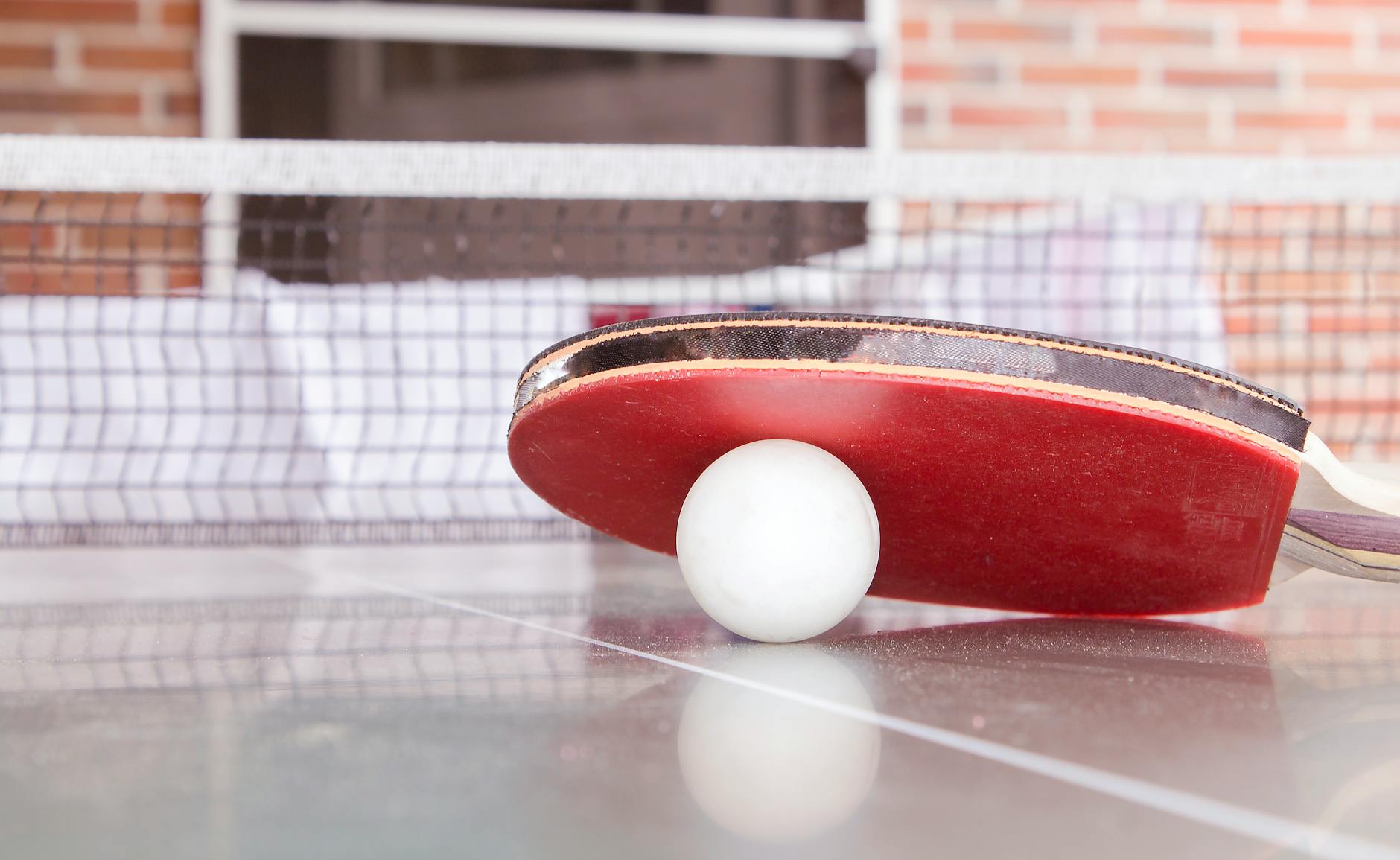
Photo by Sascha Düser
Understand Loopers and Their Powerful Attacks
Loopers thrive on topspin loops. These shots start with a forward brush on the ball, creating heavy spin that makes the ball kick up after the bounce. The arc clears the net easily but drops quick due to gravity and spin. Blockers face a nightmare: attack it, and the spin sends your return high; block passive, and it might still sail long.
Forehand loops pack power from the elbow drive. Backhand loops snap quick from the wrist. Loop drives mix speed and spin for mid-distance rallies. Pros like Fan Zhendong face loopers often. He reads their body early and blocks tight. Loopers challenge you because the dip forces upward motion, leading to pops or errors.
Spot the Signs of an Incoming Loop
Watch for cues to prepare your block. A closed racket angle signals topspin. The body turns sideways for forehand loops; feet point out for backhand. Wrist snaps forward at contact.
Footwork gives direction: wide stance means crosscourt loop; narrow aims straight. Prep your block stance as they wind up. Time it right, and you’ll meet the ball at peak spin.
Key visual signs:
- Racket brushes low to high.
- Elbow leads the stroke.
- Shoulders rotate before contact.
Practice spotting in warm-ups. It cuts reaction time.
Why Placement Beats Power in Defense
Raw power rarely works against loops; their spin eats aggressive smashes. Placement disrupts rhythm instead. Aim where the looper can’t loop back easy, like short to their body or wide corners.
This forces weak returns or errors. Power blocks tire you out. Smart spots keep energy high and rallies long. Next sections show exact techniques and zones.
Master Blocking Techniques Against Heavy Loops
Blocking starts with setup. Use a firm grip, not too tight. Stance: feet shoulder-width, knees bent, weight on toes. This gives balance for side shuffles.
For heavy loops, close your racket face at 45 degrees. Angle it back slightly to counter topsin. Forehand block: racket forward from elbow, short motion. Backhand: wrist firm, punch across.
Passive blocks absorb spin; racket stays still, arm relaxed. Active blocks meet the ball early with a punch. Both work, but mix them.
Common errors: open racket too much (pops up), or step back (loses control). Pick rubbers with high grip, like inverted with tacky topsheet, for better spin handling. Build confidence stroke by stroke.
Step-by-Step Passive Block Guide
Relax your arm fully. Let the ball hit the sweet spot.
- Face the incoming loop squarely.
- Close racket, tilt back 10 degrees.
- Use soft touch; stroke just 2-3 inches.
- Follow through low toward table.
Practice against a wall: bounce loops, block back low. Do 50 reps per side. This builds touch for spin absorption. Soon, heavy loops feel tame.
Shift to Active Block for Better Control
Punch the ball early, before full dip. Roll wrist down for stability.
Compare: passive reacts; active controls depth. Grip loose at first, tighten on contact.
- Step into position with side shuffle.
- Accelerate racket forward quick.
- Angle for backspin; finish low.
- Aim precise from the start.
Drill with a partner feeding loops. Hit 20 clean blocks, rest, repeat. Active blocks shorten rallies and set up counters.
Counter Loopers with Smart Placement Strategies
Placement wins rallies. Send blocks wide crosscourt to stretch their feet. Or drop short to their playing hand side. Loopers hate short balls; they loop high and give attacks.
Crosscourt covers more table, harder to attack. Straight down line pins them back. Add sidespin by brushing racket sideways; it pulls their returns wide.
Transition to offense: block wide, then loop their weak backhand. Ma Long masters this. He blocks precise, then drives winners. Try this next rally: place two wide, one short.
Prime Placement Zones to Target
Divide the table mentally.
Deep corners: Force running loops, easy errors. Short to body: Limits swing, weak pushes. Wide forehand: Stretches them, opens backhand.
Each zone exploits looper stance. They crouch low; short balls lift awkward. Hit edges for unpredictability. Practice aiming these in shadow strokes.
Mix Placement with Spin for Counters
Blend backspin into blocks for loops back. Time it: block passive first, then flick loop.
Add chop for low bounces. Wrist twist creates sidespin drifts.
Try this combo: Wide backspin block, follow with drive. Timing key: read their recovery. Pros flick short blocks into kills. Your counters surprise loopers every time.
Practice Drills and Fix Common Errors
Drills turn theory into skill. Start with multi-ball: coach feeds 10 loops, you block to zones. Vary spin and speed.
Random feeds mimic matches. Partner places balls anywhere; block smart. Simulate full points: block three, attack one.
Fix errors: don’t step back; stay at table. Avoid over-hitting; focus control. Track hits in a notebook. Practice 20 minutes daily; gains stack quick.
Top Drills to Build Block Muscle Memory
Drill 1: Partner loops (10 mins). They loop forehand; block crosscourt. Goal: 80% in zone. Switch sides.
Drill 2: Robot heavy spin. Set high arc loops. Block passive 50 reps, active 50. Builds touch.
Drill 3: Match sim. Play to 5 points, only block first three shots. Forces placement under pressure.
Rest 30 seconds between sets. Video your form; adjust weekly.
Conclusion
You’ve got the tools: spot loops early, master passive and active blocks, target key zones, mix in spin counters. These steps let you neutralize loopers and steal points.
Practice one drill this week. Hit the table, share your wins in comments. Subscribe for more table tennis tips to level up your game. Block smart, place sharp, and watch rallies turn your way.