He Was Drowning in Bills and Burnout Until a Simple Daily Ritual Rewired His Brain for Wealth in Less Than a Week
>>> Start Your Shift Today <<<

It’s incredibly annoying when your phone decides to change its ringtone without your permission. You set your favorite sound, only to find out five minutes later that it reverted back to the default tone or something else entirely. Don’t worry; this frustrating issue rarely signals a major hardware problem with your smartphone.
This behavior is almost always caused by a software conflict or a misplaced setting on your device. We’ll walk you through exactly how to stop these unwanted sound changes for good. You won’t need special tools, just a few minutes to check system preferences on your phone.
This guide offers a straightforward, step-by-step plan covering solutions for both Android and iPhone users. We’ll tackle permissions, conflicting modes, and corrupted files that might be messing with what you hear. Getting your preferred alert sound back is simpler than you think.
The Usual Suspects: Common Reasons for Unwanted Ringtone Switches
It feels like you just set that awesome new custom sound, and suddenly your phone rings with the boring, default tone again. This experience is incredibly common across both iOS and Android platforms. When your smartphone decides to silently unsubscribe from your preferred audio alerts, the cause usually boils down to a handful of predictable software behaviors. It’s seldom random; instead, it’s often the direct result of system maintenance, third-party app intrusions, or cross-device management gone awry. We need to investigate these top culprits to lock down your sound settings permanently.
What If the Only Thing Between You and the Life You Deserve Is a Hidden Wealth Code Waiting to Be Activated
>>> Open the Door <<<

Major Software Updates Resetting Your Sound Preferences
Operating system updates are necessary for security and new features, but they are notorious for being abrupt housekeepers. Think of a major software update like a complete remodeling of your phone’s architecture. During this massive overhaul, system files might get reorganized, and sometimes, your custom sound files get misplaced or temporarily inaccessible.
When iOS or Android undergo a large version jump, the system often defaults to the factory settings for things that aren’t strictly user data. This is especially true for sounds. The operating system might move custom ringtones from a user-accessible folder to a more restricted area, or it might simply lose the pointer telling the phone where to find your chosen sound. The phone, unable to locate the custom file, reverts to the safest option: the built-in default tone. For Android users, recent changes, particularly around enforcing how custom tones are stored—often requiring files to be placed exactly in the Ringtones folder—mean an update can easily wipe that connection clean. If you use a custom MP3, the OS update may treat it as an ordinary media file rather than a recognized alert option until you re-establish its status. The process for setting ringtones might change slightly after these patches, so you may need to re-select your tone manually after installing a major update on your smartphone.
When Apps Take Control of Your Phone’s Alert Sounds
Your phone isn’t just running the main operating system; it’s hosting dozens of applications, many of which communicate with you constantly. Communication apps, like WhatsApp or dedicated utility apps, often demand permissions during setup that allow them to manage alert sounds. This is particularly true on Android devices where app permissions are granular.
These apps sometimes interpret their own internal notification settings as overriding the main system settings. For example, you might set a unique ringtone for calls on the main phone settings, but if a messaging app has a strict internal setting enabled, it might take over the sound for its notifications, or in some cases, temporarily hijack the main alert assignment. You must remember to check the sound preferences inside the app itself, not just in the main phone settings. This is a common point of confusion because users assume the system-level change is universal. If you change your overall smartphone ringtone, but the app remains set to its own internal default, the app’s preference will often win out when that specific app tries to notify you.
Here’s what you need to check within demanding apps:
- App Notification Channels: Modern Android versions use notification channels. Confirm that the channel associated with incoming calls or general alerts within the application isn’t pointing to a different sound file.
- Third-Party Permissions: Review the application permissions in your main phone settings. While less common for ringtones, sometimes overly broad permissions can cause unexpected behavior if the app processes an incoming signal.
- App Updates: Just like OS updates, an update to a major messaging application can sometimes reset its internal sound preference to its own newest default setting, overriding what you previously configured.
The Mystery of Synchronization Conflicts Between Devices
If you use multiple Apple devices, you’ve likely encountered the synchronization headache. Changing a setting on your iPhone, only to find your iPad (or vice versa) adopted the change without your input, is the hallmark of cloud sync services doing their job, perhaps too well. In the scenario of unwanted ringtone switches, iCloud synchronization is often the hidden factor.
There Is a Frequency That the Wealthiest Families Have Used for Generations and Most People Will Never Know It Exists
>>> Open the Door <<<

When you set a custom ringtone on one device, if that tone is recognized by Apple’s system (meaning it was purchased from the Tone Store or created correctly via GarageBand), iCloud attempts to push that exact preference across all linked devices signed into the same Apple ID. The conflict arises when one device doesn’t properly register or store the assigned tone. For instance, someone might set a custom tone on their iPad, but because the iPhone handles tones slightly differently or the purchase history is momentarily out of sync, the iPhone reverts to the last recognized system tone for that contact or general call. This creates a frustrating loop where setting the tone on Device A causes Device B to immediately revert to a different tone, which might then sync back to Device A. If you’ve purchased custom tones, check that they appear consistently across every device associated with your account, as noted by other users experiencing this exact issue on Apple support forums. Fixing this requires ensuring your smartphone and other devices are running the latest software and that all purchased tones are fully downloaded onto each unit, or temporarily disabling sync features related to personalization while setting the tone.
Fixing Custom Ringtone File Issues on Your Smartphone
It’s infuriating when your carefully chosen audio alert disappears, leaving you with the standard beep or chime. This isn’t magic; it’s usually a simple breakdown between where your phone thinks the file is and where it actually lives. When your smartphone constantly resets your tone, the problem almost always involves file location or system registration. We can often fix this with basic file checks and a few taps in the settings menu. Let’s examine the most common reasons your custom ringtone vanishes and how to lock it back in place.
Checking If Your Custom Sound File Still Exists
The number one reason a custom ringtone reverts to default is simple file absence. If you move, rename, or delete the audio file you used to create the ringtone, your phone loses the reference link. It can’t play what isn’t there, so it intelligently switches back to a sound it knows exists, which is the factory default.
You must verify that the audio file remains in the correct location accessible by the operating system. Where this file lives depends heavily on your device manufacturer and operating system version.
For most Android users, custom tones should ideally reside in a specific directory:
- Navigate to your File Manager application.
- Look inside your Internal Storage.
- You need to locate the dedicated folder named
Ringtones. If your file isn’t here, the system might struggle to find it after a restart. Newer Android security settings often make placing files in this precise location very important.
Apple’s iOS handles custom tones differently. If you created the tone on your iPhone, it should appear in the Sounds & Haptics settings list. If you synced it from a computer, the file is often buried deeper within the phone’s structure or tied directly to your iTunes/Music library sync profile. If you see the tone listed in settings but it won’t play, the actual .m4r file might have been removed from the sync profile during a computer update. For example, if you used an application like GarageBand to create the sound, check that the project is still exported and saved as a playable ringtone asset on your smartphone.
Re-setting the Tone: The Simple Re-Save Trick
If you have confirmed the file is present and correctly located, the next approach is often surprisingly effective: re-selecting the tone. This sounds too simple, doesn’t it? However, this action forces the operating system to re-read the file path and re-establish the connection between the sound setting and the audio asset.
Even if your desired custom tone appears selected in the sound menu, try going through the process one more time. This is especially helpful if you’ve just installed an OS update or migrated data to your smartphone.
Follow these steps to force the system to re-register the path:
- Go to your main Settings menu.
- Tap on Sound & Vibration (or similar wording depending on your device).
- Select Phone Ringtone.
- Scroll through the list and de-select your custom tone, choosing a default tone temporarily, such as “Simple Pop.”
- After a moment, scroll back up and re-select your preferred custom file.
This process effectively clears the temporary pointer that might have become corrupted or confused. It tells the system, “This is the valid location for the incoming call sound right now.” Sometimes, this simple command resets the internal registry pointing to that specific custom audio file, solving the mystery of the vanishing sound preferences. If you are using a specific tone for a particular contact, repeat this sequence within that contact’s individual settings as well.
Solving Profile and Schedule Glitches That Auto-Change Alerts
It’s common to find your carefully chosen smartphone ringtone suddenly reverting to something else, especially when specific system modes activate. These automated profile changes are usually not random; they stem from scheduling features designed to manage when you receive notifications. When these features are accidentally set up or misconfigured, they take precedence over your manual sound selection. We need to systematically disable or adjust these programmed settings to restore command over your device’s audio alerts.
Disabling Automatic Sound Profile Switches (Focus Mode, Work Mode)
Modern operating systems include sophisticated tools to silence your phone when you are busy or sleeping. These tools, often called Focus Modes (iOS) or Modes/Do Not Disturb (Android), are programmed to override your standard settings, including your ringtone, based on time or location. If your ringtone keeps changing, check these modes first.
On iPhones, Focus Modes allow you to customize which people and apps can notify you, and under what circumstances. If you have a “Work” Focus set up, for example, it might be linked to a specific screen or a silent profile. When the phone believes you have entered that scheduled environment, it switches the associated sound profile. You must check the customization screen for any active Focus Mode. Look specifically at the “Customize Screens” or “Allowed Notifications” settings within each Focus profile to see if a specific sound configuration is being forced upon activation.
What If the Only Thing Between You and the Life You Deserve Is a Hidden Wealth Code Waiting to Be Activated
>>> Open the Door <<<
Android systems use Modes & Do Not Disturb features to limit interruptions. As outlined in Android support documents, these modes silence your phone on a schedule or when certain conditions are met. If you scheduled your “Driving” or “Sleep” mode, it might apply a sound profile that silences everything except urgent calls, or it might momentarily switch to a non-preferred ringtone until the mode turns off. You can access these settings usually by swiping down from the top of the screen to reveal Quick Settings, then tapping the specific Mode icon, or by going into the main Settings menu under “Sound & Vibration.” Review any scheduled times associated with these modes. For instance, if you set a “Bedtime” mode to begin at 10 PM, it should revert to your normal settings at a set wake-up time; if the revert fails, your selected tone remains suppressed or switched. You can review how to manage these interruptions on Android devices by looking at official guidance on limiting interruptions with Modes & Do Not Disturb on Google’s support site.
Here are the key areas to scrutinize on your smartphone:
- Schedules: Verify that no recurring time slot is activating a profile that uses a different ringtone.
- Location Triggers: If a mode activates based on connecting to your car’s Bluetooth or arriving at work, this too can trigger a sound switch. Disable these triggers if you want consistent tones everywhere.
- App Overrides: Some third-party apps offering enhanced notification management might override the system settings, so check those separately.
Reviewing Power Saving and Battery Optimization Settings
Sometimes, the problem isn’t a dedicated profile but aggressive system management trying to save juice. Operating systems, particularly Android, use battery optimization features that can throttle background processes to extend battery life. When these optimization routines run aggressively, they can sometimes misinterpret sound services or profile management processes as non-essential, causing them to pause or reset unexpectedly.
This issue is more apparent immediately after a reboot or when the battery level drops significantly low. The system prioritizes core functions and might temporarily revert custom settings, like a third-party application managing your sound profiles, to their most basic state. If you use third-party apps to manage sound profiles, those apps might be forced into hibernation by the operating system’s battery manager. You might find user discussions pointing to this specific issue where software designed to manage sound profiles resets after a reboot due to optimization settings on developer forums.
To combat this behavior on your smartphone:
- Go to your Battery Settings.
- Look for Battery Optimization or App Power Management.
- Locate any app you suspect might be controlling your sound profiles (or system services related to audio if possible).
- Change the setting for that app from “Optimized” or “Restricted” to “Unrestricted” or “Do Not Optimize.”
This tells the system to treat the sound management process as a high-priority background task, making it less likely to be shut down or reset by low-power routines. While this might cost you a tiny fraction of standby battery life, it often results in stable, consistent ringtone performance.
Operating System Specific Troubleshooting Steps
If resetting your general sound preferences or rebooting your phone didn’t fix the persistent ringtone change, the issue is likely hardwired into how your specific operating system manages audio assets or permissions. Both iPhone and Android handle default settings and third-party applications in distinct ways. Addressing the problem requires understanding your device’s environment. We must isolate whether the system defaults or an installed application is hijacking your desired alert sound. This targeted approach usually reveals the culprit hiding in OS-specific configurations.
iPhone Fixes: Checking Notification Grouping and Default Settings
When an iPhone continues to swap your ringtone, the setting likely involves a specific contact override or confusion between the general Ringtone and Alert Tone settings, especially if a third-party app installed recently. You need to confirm which level of sound preference is actually active.
First, check your default sounds. Go to Settings, then Sounds & Haptics. Under the Sounds and Vibration Patterns section, confirm that your desired tone is actively selected for Ringtone. Sometimes, users accidentally select a desired sound under Text Tone or another alert type, and the system defaults to a different sound for incoming calls.
Next, examine individual contact ringtones. If you set a unique tone for a specific person, that contact’s specific setting generally overrides the system-wide default. Check the contact card of the person whose call always triggers the wrong sound. If their tone is set to “Default,” it should follow the system setting you just confirmed. If it’s set to something else, make sure that assigned tone isn’t the one reverting. You can review how to set these specialized tones for contacts on Apple support sites.
Finally, consider application conflict. If a third-party communication app seems to be triggering the change, you must distinguish between the Ringtone and the Alert Tone.
- Ringtone: This is for phone calls coming directly through the standard Phone app.
- Alert Tone: This is used by most other applications for notifications, including things from third-party calling or messaging services trying to mimic a phone call.
If an app is misbehaving, it might be incorrectly mapping its notifications to the Ringtone slot instead of the Alert Tone slot. Navigate to Settings > Sounds & Haptics and confirm the Alert Tone is not set to the sound that keeps appearing randomly. If you are running an iOS beta, this is a prime suspect; betas often have temporary bugs where system preferences don’t stick until a final release builds the necessary security framework.
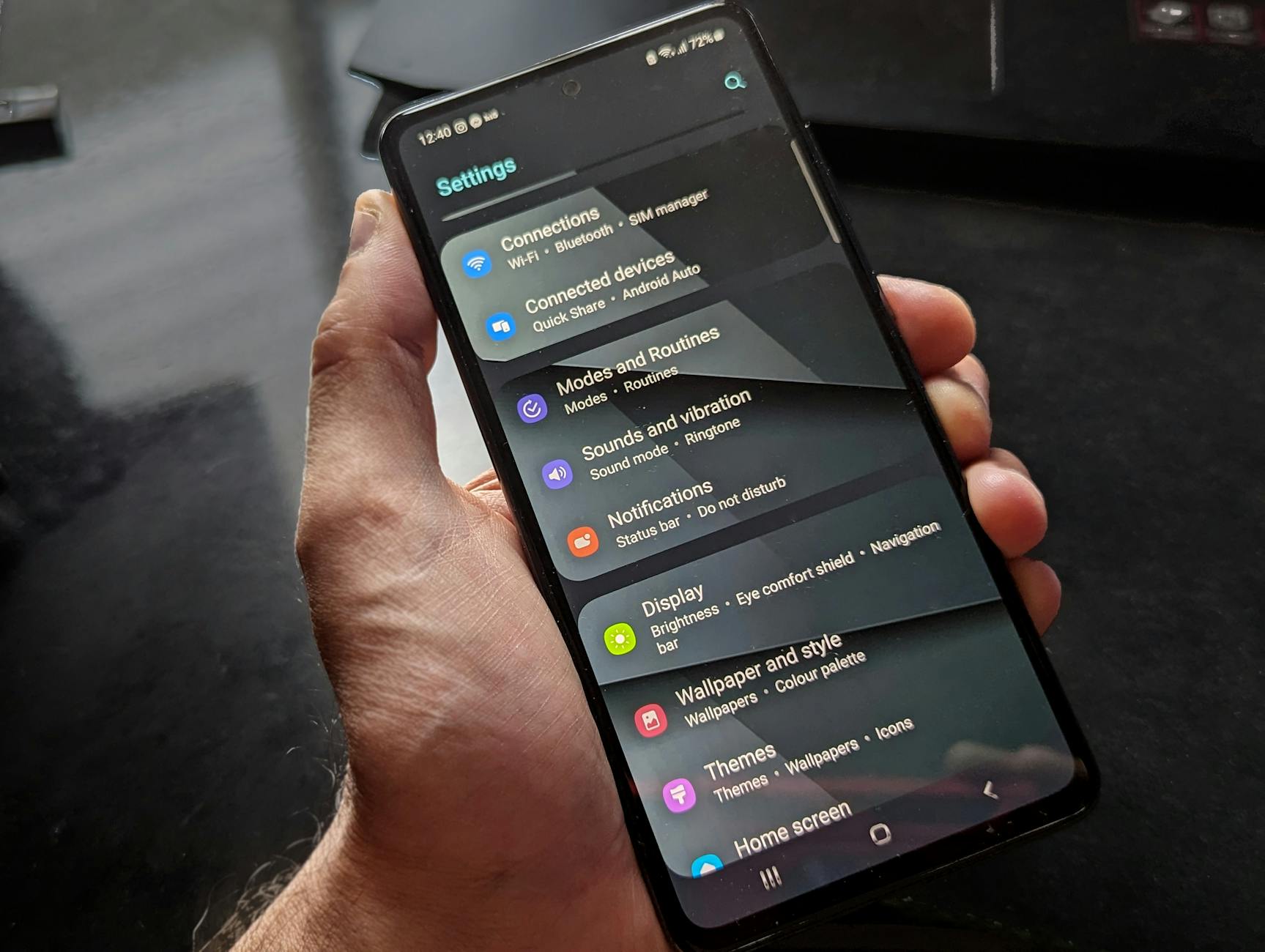 Photo by Watford London Media on Pexels
Android Fixes: Safe Mode and Default App Settings Check
Android’s openness is great for customization, but it also provides more avenues for third-party applications to interfere with system behaviors, including ringtone assignments on your smartphone. Before attempting complex settings resets, we need to determine if an installed app is the actual source of the problem. Booting into Safe Mode is the fastest way to test this theory.
Safe Mode is a diagnostic state where your Android device starts up using only the original system software and preloaded apps. All third-party applications you downloaded remain inactive. If the unwanted ringtone change stops completely while your phone is in Safe Mode, you have found your guilty party—one of your downloaded apps is causing the conflict.
Here are the general steps to activate Safe Mode on most Android devices. Keep in mind the exact button combination can vary slightly by manufacturer, so checking your specific device support page might be necessary.
- Press and hold the Power button until the power options appear on the screen.
- Press and hold the “Power off” option on your screen until a prompt appears.
- Tap the Reboot to Safe Mode option that displays on the screen.
- Your device will restart, and the words Safe Mode should appear clearly, usually in the bottom corner of the screen.
Test your ringtone settings immediately. If the ringtone stays put while in Safe Mode, you know the issue lies with an app. The next logical step is to remove recently installed applications one by one or focus on apps that handle notifications heavily. If you see community reports regarding sound issues, check those specific applications mentioned, as that often points to known bugs. If the problem persists even in Safe Mode, the issue is likely deeper within the core operating system files or a system application that wasn’t fully restored during a recent patch. You can learn more about using safe mode to identify problematic applications on the Android support site.
When All Else Fails: Resetting Only Sound Settings
If you have confirmed that no specific contact is overriding the setting, and booting your smartphone into Safe Mode didn’t solve the problem (meaning a third-party app isn’t the likely cause), you might have corrupted system preference files specifically related to audio. Before resorting to a full factory reset, which wipes all your photos, messages, and apps, you have a less extreme option: resetting system settings.
Both iOS and Android possess options to reset foundational settings without deleting your personal files. This action clears preferences for Wi-Fi passwords, Bluetooth connections, background data settings, and, critically, all sound profiles and accessibility configurations, forcing them back to the initial state without touching your core data. This is a powerful last resort.
On iOS, look for Reset All Settings. This option is found under Settings > General > Transfer or Reset iPhone > Reset. Choosing this will prompt you to confirm that you want to reset only settings. Your applications and media will remain untouched. It forces the operating system to recreate its preference database for sounds, which often resolves lingering glitches where the preference flags are set incorrectly.
On Android, this reset option is commonly labeled Reset Network Settings or sometimes Reset App Preferences. If you only select the option related to network or general preference resets, your ringtone data should be flushed and rebuilt upon reboot. Be aware that you will have to re-enter Wi-Fi passwords after using this troubleshooting path. This step specifically targets system configuration errors; if the ringtone still reverts after this, the corruption is likely deeper than a simple preference flag, making a full factory data reset the next, unavoidable major step.
Conclusion
You’ve reviewed the major fault lines where your phone settings go rogue, from confusing software updates to aggressive app permissions. Remember that stopping the unwanted ringtone resets usually involves consistency across several fronts. Pay close attention to automated profiles like Focus Modes on your iPhone or various Modes on your Android; these profiles frequently override your manual selections to manage interruptions automatically. If the tone file itself is fine, investigate app interference, especially after new installations or updates. Solving this puzzle requires patience, but by methodically checking system defaults, contact exceptions, and power-saving overrides, you regain control over your smartphone audio experience. Maintain vigilance over your personalized settings, and that unique sound will stay put, giving you the reliable auditory feedback you expect from your device.
Thousands of People Were Struggling With Money Until They Discovered This One Ancient Secret Hidden in Sound
>>> Unlock It Now <<<
