You’ve sent texts all day without a hitch, but every call drops or fails to connect. It’s a top frustration for smartphone owners, yet it doesn’t mean your phone’s broken. Simple network glitches or overlooked settings cause most cases.
Good news: quick fixes solve about 80% of these issues, based on user reports from forums and guides. Texts rely on data or basic SMS channels that still work, while voice calls need a stable cellular voice path.
This post walks you through step-by-step solutions for Android and iPhone users. Start with easy checks like signal strength and Airplane Mode. Then move to restarts, key settings toggles, and platform-specific tips.
If basics don’t cut it, we’ll cover network resets and when to contact your carrier. Most people get calls ringing again in under 30 minutes. Let’s fix yours now.
Why Texts Work But Calls Fail on Your Phone
Ever notice your smartphone buzzing with texts in spotty coverage, yet calls won’t connect? This mismatch stems from how networks handle each service. Texts send tiny packets of data that retry if needed, slipping through weak signals. Calls demand a constant audio stream, which drops at the first hiccup. Weak spots reveal this gap fast. Let’s break down the top culprits and fixes.
Signal Strength Tricks Texts But Not Calls
Texts thrive on one-bar signals because they use minimal bandwidth, around 140 bytes per message. Networks queue and retry them until they go through, even below -85 dBm. Calls fail here since they need steady strength above that level for clear audio; dips cause choppy sound or disconnects.
Your phone shows bars as a rough guide, but real strength hides in dBm values. Think of texts as postcards dropped in a weak wind, while calls resemble a live video feed that stalls instantly.
Start simple: move outside or to higher ground. Buildings block signals, and elevation gets you closer to towers. Face the direction of your nearest cell tower for a boost.
If that fails, try these quick checks:
- Toggle Airplane Mode for 10 seconds to reset your connection.
- Check true signal strength: On Android, dial
*#*#4636#*#*and tap Phone info. On iPhone, dial*3001#12345#*for Field Test mode (press any key to exit). - Switch to Wi-Fi Calling in settings if you’re near internet.
Users report calls ringing again after these steps in fringe areas. Test in your trouble spot; carriers differ by location. (152 words)
Silent Modes Block Calls Quietly
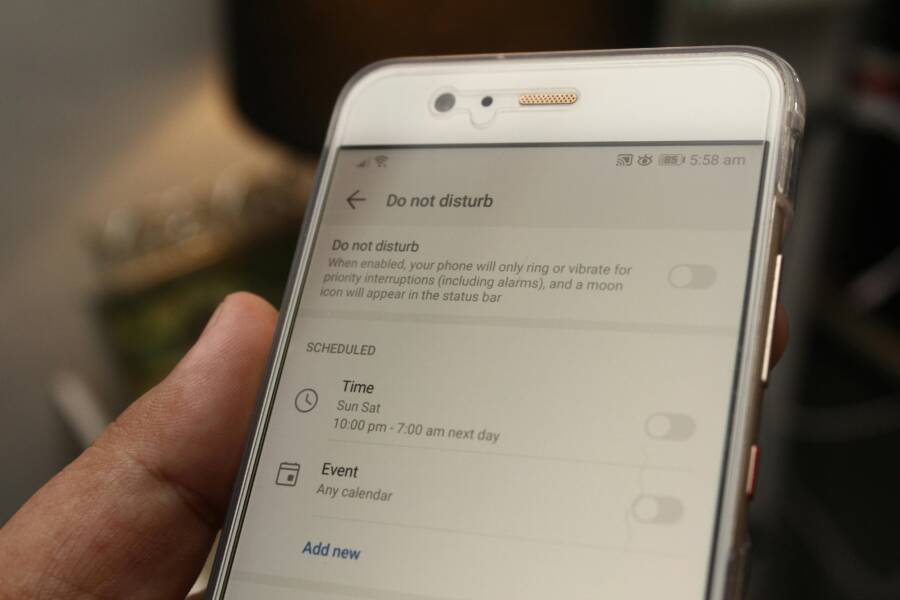
Your smartphone might sit in Do Not Disturb or Focus mode, muting calls while texts slip through. These settings silence ringtones and vibrations for incoming calls but let SMS notifications appear, especially if you allow messages from contacts.
On Android, swipe down for Quick Settings and check the crescent moon icon. Tap it to turn off, or go to Settings > Sound & vibration > Do Not Disturb > turn off. Review exceptions to ensure calls aren’t blocked.
For iPhone, open Control Center (swipe down from top-right) and tap Focus to disable. Or Settings > Focus > turn off all modes. Check Allowed Notifications to confirm calls ring.
A quick toggle often revives missed calls. Double-check after changes; some apps override defaults. (102 words)
Quick Settings Checks to Restore Calls Fast
When calls fail but texts still go through, a quick pass on a few settings can save minutes of frustration. This section covers fast, practical checks you can run on both Android and iPhone. You’ll learn how to reset connectivity, verify key toggles, and know when to try a backup option. Think of these steps as a safety net you can perform in under a minute, often restoring reliable voice service without a full reboot or a contact to your carrier.
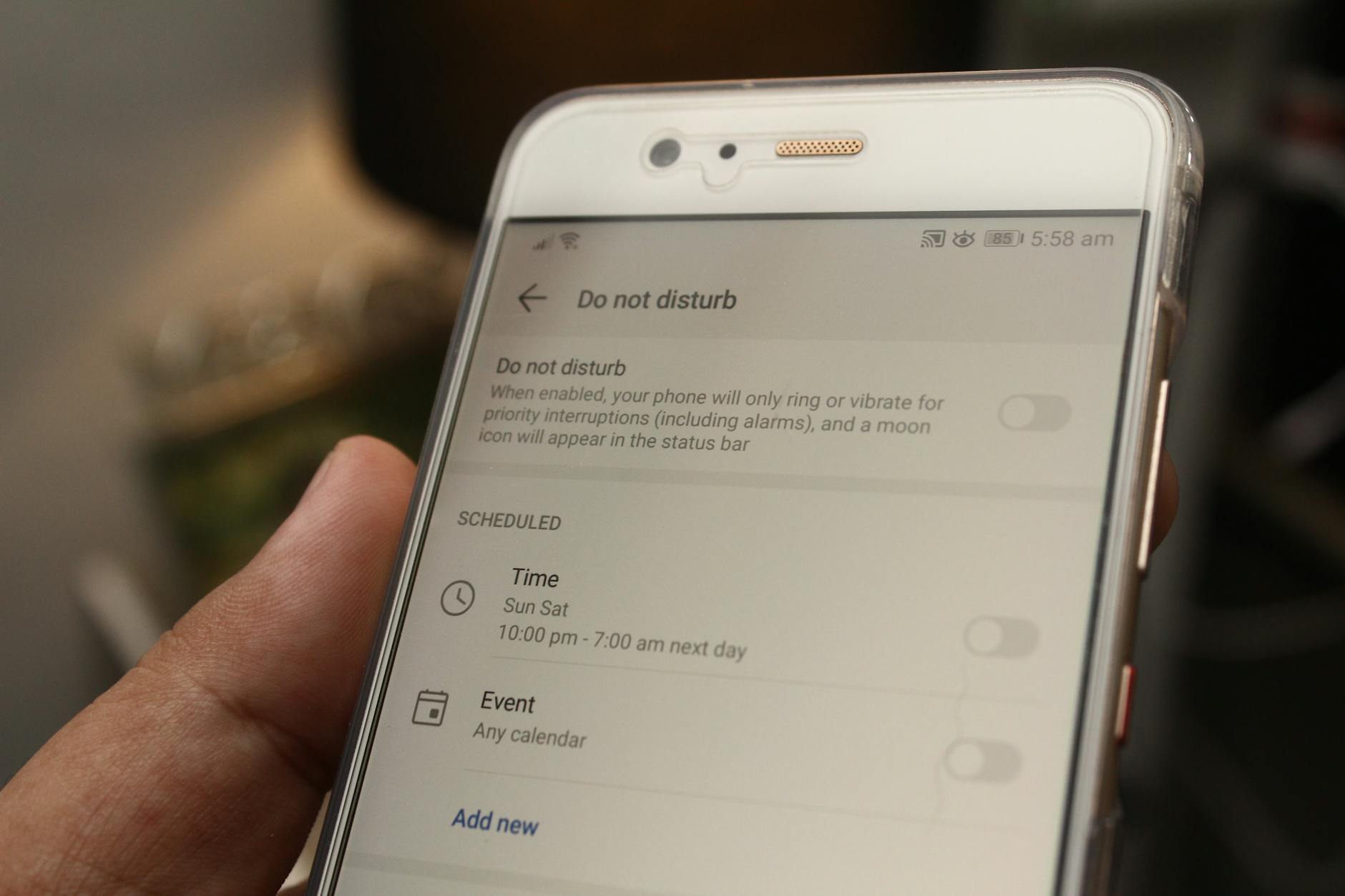 Photo by Daniel Moises Magulado
Turn Off Airplane and Do Not Disturb
A fast check is to disable Airplane Mode and Do Not Disturb on both platforms. Airplane Mode cuts the phone from all networks; turning it off reestablishes the cellular link. Do Not Disturb can mute incoming calls even when you have network access, so turning it off restores ring alerts without changing other settings.
- Android: Open Quick Settings and tap the Airplane Mode icon to disable it. Then swipe down, tap Do Not Disturb, and set it to Off. If you rely on Focus Rules, ensure calls are allowed from your favorites or everyone.
- iPhone: Open Control Center and tap the airplane icon to turn off Airplane Mode. Then reopen Control Center and tap Focus or Do Not Disturb to turn it off, or go to Settings > Focus > Do Not Disturb and disable it. Verify that the Allowed Notifications include calls from your contacts.
After turning these off, place a test call to confirm the line is clear again. If you still don’t hear a ring, retry with Airplane Mode on for 10 seconds and off again to force a fresh network bind. This tiny reset resolves many local glitches and is often enough to restore reliable calling.
Test WiFi Calling as Backup
If your cellular signal is weak but you have a solid data connection, WiFi Calling can be a lifesaver. It routes calls over your internet connection instead of the cellular voice path, which helps in buildings with poor signal or in basements.
- Android: Go to Settings > Network & Internet > WiFi calling. Turn it on, then test a call to see if audio routes through WiFi. If you use a carrier app, you may need to enable it there as well.
- iPhone: Go to Settings > Phone > WiFi Calls and toggle on. If prompted, confirm your address for emergency services. Place a test call to verify audio switches to WiFi cleanly.
Benefits show up quickly in crowded areas or environments with weak cell towers. If your primary network is unreliable, WiFi Calling can keep you connected for all critical calls, including emergency contact. If the feature remains unavailable, confirm carrier support and ensure your device is updated to the latest software.
Restart and Reset Your Phone for Better Connections
When calls misbehave but texts still go through, a quick restart or a targeted reset often clears the glitch. This section explains two reliable moves you can perform in minutes. First, a power cycle plus a software update; second, a safe reset of network settings. Think of these as a fresh coat of polish for your phone’s connection paths. A well-tuned device can mean crisper calls and steadier data, even in spotty areas. And yes, you’ll still want to keep your smartphone up to date with the latest builds because updates fix bugs that quietly impact voice and data paths.
Power Cycle and Update Software
Restarting your device gives the radios a clean bind to the cell towers and Wi-Fi. It flushes temporary glitches that can cause dropped calls or choppy audio. After the restart, check for software updates; manufacturers routinely push fixes that improve connectivity and network handling.
- Power cycle (both platforms):
- Android: Hold the power button, choose Restart.
- iPhone: Quick press of volume up, quick press of volume down, then hold the side button until the Apple logo appears.
- Check for updates:
- Android: Settings > System > System update, then Download and Install.
- iPhone: Settings > General > Software Update, then Download and Install if available.
- Why this helps: updates often address known network quirks and improve how the phone registers with towers. A fresh boot clears minor radio stack issues that can block calls while leaving texts intact.
Reset Network Settings Safely
If a power cycle and updates don’t fix the problem, a network reset is worth trying. This clears stored networks, Bluetooth pairings, VPNs, and APN details. It resets how your phone connects to data and voice networks without erasing personal files. After the reset, you’ll need to rejoin Wi-Fi networks and re-pair devices, but most people notice clearer calling and steadier data after the reset.
- iPhone (iOS 11+): Settings > General > Transfer or Reset iPhone > Reset > Reset Network Settings. Enter the passcode, then let the phone restart.
- Android (stock/near-stock like Pixel): Settings > System > Reset options > Reset Wi-Fi, mobile & Bluetooth > Reset settings.
- Samsung/other Android variants: Settings > General management > Reset > Reset network settings > Reset settings.
- What this fixes: issues with no Wi-Fi, weak cellular signal, dropped calls, and inconsistent SMS delivery caused by outdated or corrupted carrier profiles.
After the reset, reconnect to Wi-Fi, re-enable mobile data, and test calls. If SMS still misbehaves, verify APN settings with your carrier or SIM, and consider a quick carrier reboot if available. A properly performed reset can restore reliable voice badly needed in busy areas.
Android-Specific Fixes for Stubborn Call Issues
If you’re an Android user and calls refuse to cooperate while texts still behave, you’re not alone. Some fixes are device specific, and a few quick toggles can restore reliable voice service. This section focuses on practical, Android-first steps that address stubborn call problems without overhauling your setup. You’ll learn how to quiet VoLTE quirks, then how to isolate app conflicts by booting into safe mode. Ready to get your phone back to making solid calls? Let’s.
Tweak LTE Calling Features
HD Voice and VoLTE can misfire in certain networks or with particular SIMs. Turning these features off can stabilise calls when data paths seem fine but voice paths stumble. On many Android phones, you’ll find the option under your SIM or mobile networks settings. Look for “VoLTE” or “HD Voice” and toggle it off. After you switch it off, place a test call to see if the audio path returns to normal. If the problem remains, re-enable VoLTE and try a quick network reset. Sometimes carriers push updates that require a fresh voice path; a simple toggle often fixes it. If you’re using Samsung or Pixel devices, the steps are similar but the menu labels may vary slightly. (100 words)
Boot Safe Mode to Spot App Conflicts
Third party apps can interfere with how calls are routed, especially after big updates or new installs. Safe mode runs the phone with only essential system apps, making it easier to spot conflicts. To enter safe mode on most Android devices: press and hold the Power button, then tap and hold Power off until the Safe mode prompt appears. Confirm to reboot into safe mode. Once loaded, try placing a test call. If it connects clearly, an app is likely causing the issue. Reboot to exit safe mode, then uninstall recently added apps or disable suspicious ones, testing calls after each removal to pinpoint the culprit. (101 words)
Still No Calls? Time to Call Your Carrier
If your texts go through but calls keep failing, the next move is often a quick chat with your carrier. They have tools and tests that can pinpoint whether the problem is on their end, with your SIM, or in your account. This section helps you prepare for the call, what to expect, and how to speed up resolution. Think of it as arming yourself with the right questions and the right data so you don’t waste time on hold.
Gather the right information before you call
A smooth troubleshooting call starts with solid facts. Have these handy:
- Your account number and the best callback number.
- The last known time you experienced the issue and the approximate location.
- Your device model, OS version, and carrier.
- Whether WiFi calling works as a backup and if the problem occurs indoors, outdoors, or both.
- Any recent changes you made, like a new SIM, a software update, or a new app.
Preparing this data saves you back-and-forth and helps the agent reproduce the issue quickly.
Clarify the scope and pattern of the problem
Carrier representatives work faster when they understand the pattern. Describe:
- If only certain numbers fail or all outgoing/incoming calls fail.
- Whether calls fail immediately or drop after a few seconds of ringing.
- If you notice simultaneous data issues or if SMS remains stable.
- Any error messages you see (for example, “Call Failed,” “No Service,” or voicemail misrouting).
A concise description helps the agent map your issue to a network component—voice core, roaming, or a specific tower.
Explain your location and network context
Your location matters. Dropped calls often point to weak coverage, a congested tower, or a regional outage. Mention if you’re in a building with thick walls, a basement, or a rural area where towers are far apart. If you travel, note whether the problem follows you or only happens in specific places. This helps the agent decide if a site-level fix is needed or a broader network check.
Verify your device and line settings with the agent
Ask the representative to review:
- Your SIM status and provisioning: confirm your line is active and not paused.
- VoLTE and WiFi calling settings on your account side.
- Roaming and international calling eligibility if you travel.
- APN and carrier profile updates that may be delayed or queued on their end.
Getting a confirmation that these are aligned with the network helps rule out account or provisioning issues.
What to expect during the call
A typical support session follows a predictable flow:
- Quick assessment: the agent asks you to reproduce the issue and perform a few on-the-fly checks.
- Network checks: they may ping towers, check for outages, and review your device’s provisioning.
- Resolution steps: you might be guided through a reset, SIM reinsert, or a carrier-side update.
- Verification: you test a call, then confirm whether the issue is resolved or if further steps are needed.
If the problem requires a network repair, expect a timeline and potential follow-up. Most issues improve after a carrier reset or a scheduled maintenance window.
What you can do if the agent suggests a carrier-wide fix
- Schedule a follow-up: ask for a case number and a timeframe for the next update.
- Check outage dashboards: many carriers post real-time status pages for voice problems.
- Enable temporary workarounds: in some cases, WiFi calling or a temporary alternate number is recommended while the fix processes.
- Confirm impact on features: ensure voicemail routing, call forwarding, and emergency SMS alerts remain functional during the fix.
When to escalate or switch carriers
If you’ve given the carrier a fair chance and the problem persists beyond a reasonable window, consider escalation:
- Request a supervisor or technical specialist.
- Ask for a line-level trace or a provisioning trace that can be shared with your device maker.
- Compare outage history in your area with other carriers to verify if it’s location-specific.
- If feasible, test a SIM swap with a known-good SIM from the same carrier to isolate the issue.
Escalation helps you escalate faster and helps carriers prioritize the fix. If you’re consistently facing poor call reliability and the carrier cannot resolve it promptly, it may be worth evaluating a switch in coverage or plan.
How to keep the process efficient after you hang up
- Record details from the call, including who you spoke with and any reference numbers.
- Apply any recommended settings or updates exactly as directed.
- Re-test calls at different times of day to confirm consistency.
- Maintain a short log of ongoing outages or changes you notice.
With the right preparation and clear communication, you can cut through the noise and get your voice service back in shape quickly.
Conclusion
Summarize key fixes by starting with settings checks, then proceed to resets. Testing after each step is essential to confirm progress and avoid chasing false positives.
If the issue persists, move to restart and network resets, then consider carrier tools and WiFi calling as backups. Each step can restore voice paths without wiping data. Keep the steps practical and time efficient.
Engage readers by inviting them to share results in the comments. If a fix worked for you, tell others which step saved the day. Your experience helps readers tailor the approach to their location and device.
Bookmark this guide for future trouble, and return when you face call failures again. The tips here are written to be quick, repeatable, and easy to follow on a busy day. If you’re using a popular smartphone, you’ll find the path to reliable calls faster by sticking to the sequence.
If you want to stay prepared, log the outcomes and plan a quick test routine after software updates. Your calls will connect soon.