
A fresh stain can transform a worn fence in a weekend. It adds color, blocks moisture, and makes metal gate hinges look new again. You don’t need a pro to get a solid finish. With the right stain from Home Depot and a simple plan, your fence will look better and last longer.
The goal here is a straightforward, practical refresh. You’ll learn how to pick the right stain, prep the wood, apply the stain evenly, and care for the fence so the project pays off for years to come.
Why refresh a fence with stain
A fence endures sun, rain, dirt, and wind. Over time, the finish wears away, turning wood gray or reddish, depending on the wood type. Staining does more than add color. It protects the surface by slowing water absorption, reducing cracking, and limiting sun damage. With a proper coat, you’ll notice less warping and fewer splinters when you run your hands along the rails.
Staining is also a smart DIY option. It’s affordable, relatively quick, and forgiving. If you pick a semi transparent or solid stain, you can adjust the look to match your home’s exterior. Home Depot stocks a range of stain options that fit most fences, from cedar to pressure treated lumber.
Key takeaways:
- A stain acts as a protective shield against moisture and sun.
- Semi transparent finishes show wood grain while adding color; solid stains provide the most coverage.
- Doing the job in dry, moderate weather speeds up drying and curing.
Plan and prep for a smooth refresh
A good plan keeps the project on track and saves time. Start by assessing the fence condition and the plan for color.
- Inspect for damage. Look for rotten boards, loose nails, and splinters. Replace any damaged boards before staining.
- Decide on the finish. Transparent or semi transparent stains reveal wood grain and are easier to touch up. Solid stains hide wood imperfections and offer stronger color.
- Check the weather. The ideal window is several dry days with temperatures between 50 and 85 degrees Fahrenheit. Direct sun can dry the stain too fast, leading to lap marks.
- Gather supplies. You’ll need stain, brushes or stain pads, a roller with an extension pole, painter’s tape, drop cloths, a scrubbing brush or plastic scraper, sandpaper, a bucket, and rags. Don’t forget gloves and eye protection.
- Clean the fence first. Dirt and mold reduce stain adhesion. A simple wash with a mild detergent and a stiff brush works well. If mold is heavy, a diluted chemical cleaner may be needed.
Where to shop for stain
- Home Depot carries a wide selection of deck and fence stains from well known brands. Look for products labeled for exterior wood, with a weather resistant film that resists UV exposure. If you’re unsure, ask a store associate for color and coverage guidance. A typical fence application uses one to two coats, depending on the wood type and stain type.
Smart buying tips:
- Choose a stain labeled for exterior wood and for fences. It should resist UV rays and mildew.
- Pick a color that matches your home and yard. Lighter tones brighten the fence, darker tones hide dust, and medium tones balance with surrounding landscaping.
- Buy a little extra stain for touch ups and drips. It costs less to have a spare can than to race to the store mid project.
Photo by Pixabay
Photo by Pixabay
Surface prep to ensure lasting color
Surface prep is the quiet part of the job. It sets the stage for even color and a longer lasting finish.
- Clear the area. Move furniture, potted plants, and stakes away from the fence. Lay down drop cloths or plastic sheeting to catch drips.
- Remove dirt and mold. A rotating scrub brush or stiff broom with soap and water lifts the grime. For mold or mildew, a diluted solution of water and household bleach can help. Rinse thoroughly and let dry completely.
- Address peeling spots. Scrape away loose fibers with a scraper. Sand rough edges lightly so the stain can grip the surface.
- Allow to dry. Wood often dries within 24 to 48 hours, but it depends on humidity and temperature. Check that the boards feel dry to the touch before applying stain.
If the fence is newly installed pressure treated lumber, give it extra time to dry before staining. Some builders suggest waiting a full season to avoid uneven color due to moisture release.
Choosing the right stain and color
The choice comes down to how much grain you want to show and how much protection you need.
- Transparent stains. These are the most natural looking. They let the wood grain show through and provide mild color. They require the least maintenance but offer thinner protection.
- Semi transparent stains. These balance wood grain visibility with stronger color and better coverage. They resist fading while keeping a natural look.
- Solid stains. These resemble paint more than stain. They hide more wood texture but provide the best color and protection against weather. They also show dirt less easily.
Consider these factors when you shop at Home Depot:
- Wood type. Cedar, pine, and pressure treated boards often respond well to semi transparent or solid stains.
- Maintenance. If you prefer a longer interval between reapplications, lean toward a solid stain. For a lighter aesthetic, pick a semi transparent.
- UV protection. Look for formulas with UV blockers to slow color fading.
- Mildew resistance. A good outdoor stain should resist mold and mildew growth.
Color strategy:
- Match or complement your home exterior. Light colors brighten the yard, while mid toned hues blend with natural surroundings.
- For older fences, a mid tone or darker stain can hide age more effectively than a light shade.
- Test a small, inconspicuous area first. If you love the look, proceed with the rest of the fence.
Application step by step
With prep done, the actual staining is straightforward. A steady pace and even strokes produce the best results.
- Stir the stain well. Do not shake the can; air bubbles can form. Stir until the pigment and binder are evenly mixed.
- Start at one end. Work in sections to keep the finish fresh. Use a brush for edges and between slats; a pad or roller handles flat surfaces.
- Apply with the grain. Brush or roll long, even strokes in the direction of the wood grain. This helps the stain absorb evenly and minimizes lap marks.
- Back brush for evenness. After applying a section, go over it with a light pass in the direction of the grain to remove ridges and ensure even coverage.
- Watch for drips and runs. If you see a drip, brush it out immediately. Wipe excess with a rag to prevent pooling.
- Use the right tools. A stiff bristle brush works well for older boards; a foam or microfiber pad spreads color evenly on newer wood. For large flat areas, a roller with a long handle helps reach higher sections without a ladder every few feet.
- Protect nearby surfaces. Use painter’s tape to guard against stains on posts, hardware, or shrubs. If you miss a spot, touch up later.
- Apply second coat if needed. A second coat provides better protection and richer color. Allow the first coat to dry thoroughly before applying a second pass.
Image placement A short hands on photo can help illustrate this step. The image below shows a person applying stain to a wooden fence with a brush, giving a clear sense of technique.
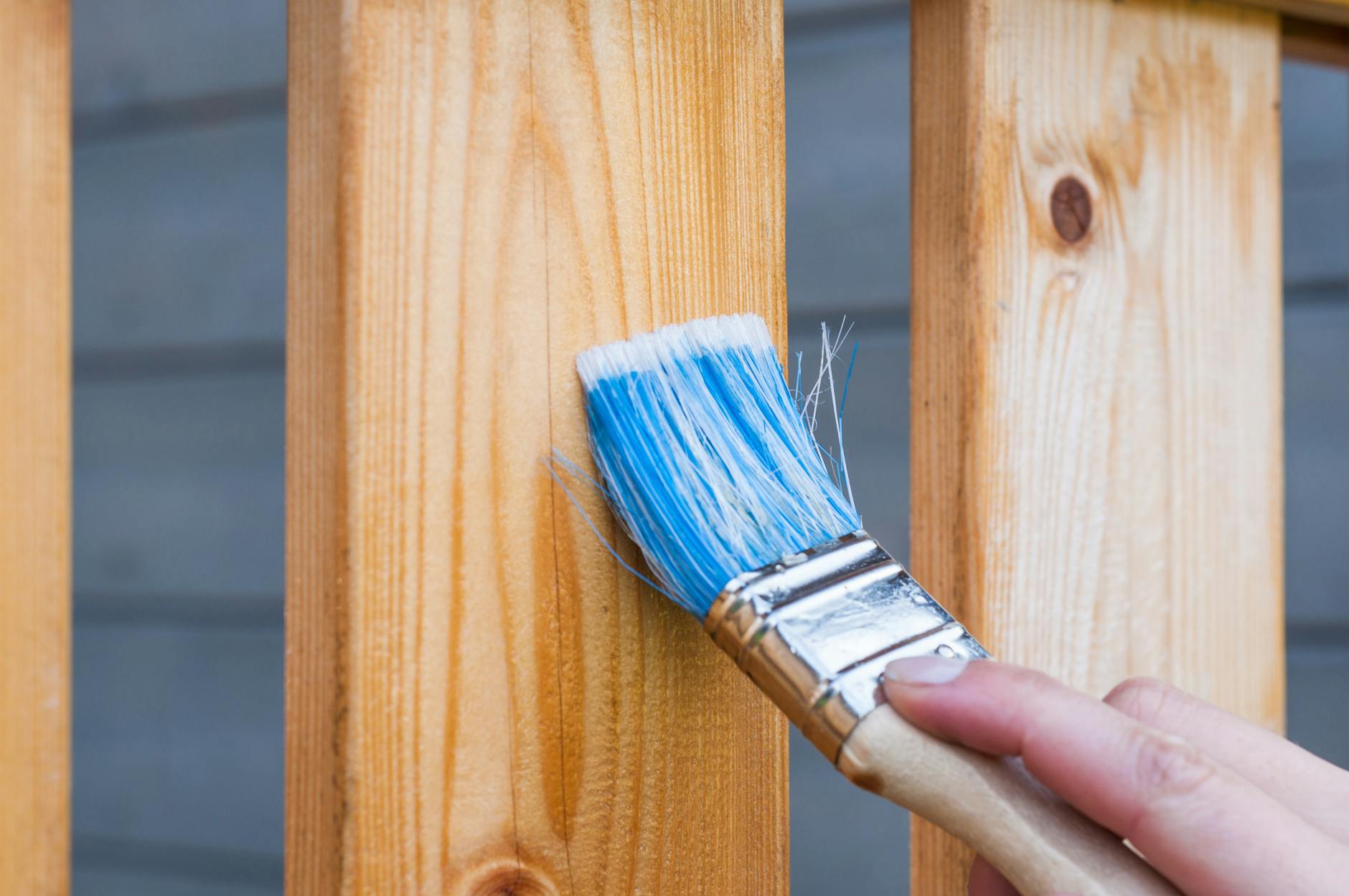 Photo by Pixabay
Timing and weather notes:
- Allow each coat to dry fully before applying the next one. Drying times vary, but plan on at least 4 to 6 hours or more in warm, dry weather.
- Keep the fence dry during the curing period. Rain soon after staining can weaken the finish and lead to blotchy color.
- A second coat in the right conditions maximizes protection and color depth.
What about brushes and cleanup?
- Clean brushes and pads with soap and warm water. If you used a solvent based stain, follow the manufacturer’s cleanup instructions on the label.
- Store leftover stain in a cool, dry place. Seal the can tightly to prevent skin from forming on the surface.
Drying, curing, and maintenance
Drying and curing are not the same thing. Drying means the surface is no longer wet to the touch. Curing is when the finish reaches its full hardness and resistance.
- Drying times vary by product and weather, but expect 4 to 8 hours for the first coat in optimal conditions.
- Recoat windows differ by product; many stains allow a second coat within 4 to 24 hours. Check the label for specifics.
- Protect the finish after painting. Keep foot traffic light for at least 24 hours if exposed to a lot of foot traffic in the area.
Maintenance is simple:
- Inspect annually for peeling or fading and touch up small areas rather than repainting the entire fence.
- Clean the fence occasionally to prevent dirt buildup that can dull color.
- Plan a full refresh every 3 to 5 years for most outdoor fences, depending on weather, sun exposure, and the stain you chose.
Budget and scheduling considerations
For a typical wood fence, most homeowners spend a modest sum on stain and supplies. The exact price depends on the fence size and the stain type.
- Stain cost. A quart covers roughly 100 square feet for a clear coating. A larger fence may need two or three quarts for a single coat, with extra for a second coat if desired.
- Tools. Brushes, pads, or rollers are reusable and can be used on future projects. Expect a larger initial investment if you don’t already own tools.
- Prep costs. If your fence needs repair or replacement boards, budget for materials in addition to stain.
Time wise, a weekend project is common for a standard sized fence. If you have many rails or complex sections, you may spread it over two weekends. The payoff is durable color and long lasting protection.
Quick tips for success
- Do a small test patch. It helps you see how the color will look in natural light.
- Work in shade when possible. Direct sun dries stain too fast and creates uneven patches.
- Wear old clothes and gloves. Stain can stain fabric and skin for hours.
- Keep a damp rag handy. You can wipe off drips quickly and maintain a clean edge.
- Label each can with the date it was opened. Fresh product performs better.
Aftercare and long term care
After you finish, the fence becomes part of your outdoor space. A little routine care goes a long way.
- Clean up debris and tools promptly. Store ready to use for future projects.
- Check for signs of wear after heavy seasons. A quick retouch in high wear areas can prevent more extensive work later.
- Consider adding a UV resistant top coat if your climate sees strong sun. A protective layer helps preserve color longer.
- Repaint or restain only when you notice dull color, peeling, or increased moisture absorption.
Conclusion
Refreshing a fence with stain from Home Depot is a practical, satisfying project. It protects wood, restores curb appeal, and can be finished in a weekend with the right plan. Start by choosing the stain type that matches your wood and weather conditions, then prep properly, apply evenly, and care for the finish as it cures. With a little effort, your fence will look fresh, last longer, and brighten your yard for seasons to come. If you’re starting a new project, take time to test color on a small area and follow the manufacturer’s drying guidelines. That small step can save you from surprises later and give you a confident, durable result.