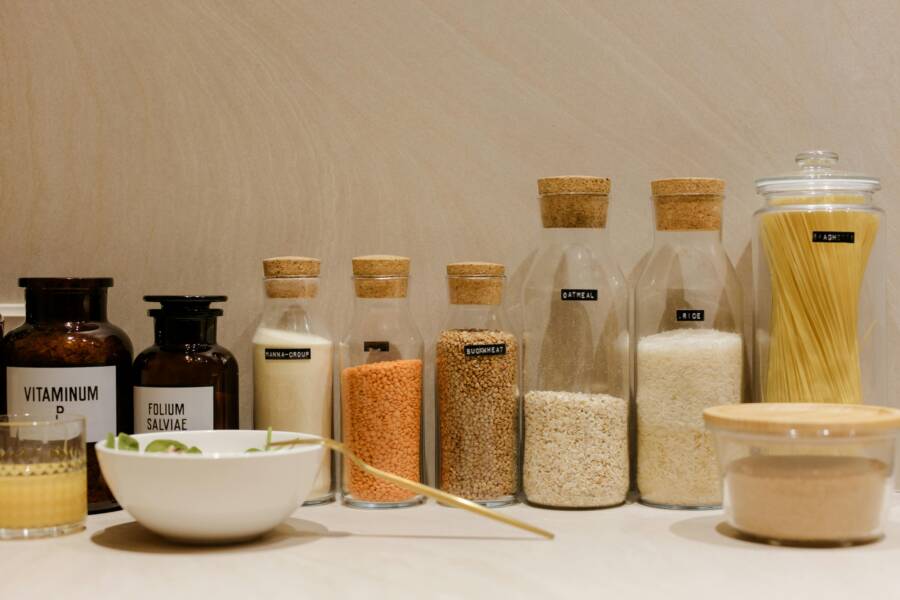
Set Up a Pantry Organization System with Home Depot Items
A tidy pantry saves time and cuts food waste. With a thoughtful plan and practical storage solutions, even a small space can feel open and organized. This guide shows you how to build a pantry system using common, durable items you can find at Home Depot. You’ll learn how to measure, plan, and implement a setup that stays neat week after week.
Start with a clear plan and smart shopping list. Before you touch a box, map your space. Note the width, height, and depth of shelves and corners. Decide which items belong in easy reach and which can live higher up. Think in zones: daily staples, baking supplies, snacks, canned goods, and bulk dry goods. A good plan reduces clutter and makes restocking fast rather than frustrating.
Assess Your Space and Define Zones
Begin by sketching a simple layout of your pantry. Include doors, shelves, and any irregular corners. Mark zones with color or simple labels so you know where each item lives. For example, put breakfast cereals and granola near the front for quick mornings. Reserve a section for baking essentials like flour, sugar, and baking powder. A separate area for snacks keeps kids and guests from rummaging through everything at once. Don’t forget a small space for nonfood items such as kitchen towels or spare plastic wrap.
With zones in place, decide how much you need for each area. A rule of thumb: lighter items go higher, heavier ones lower. Use this as a guide when you choose shelving and bins. If you have a narrow pantry, plan for slim, stackable storage rather than a bulky system. The goal is to maximize visibility and access while keeping the space flexible for seasonal changes.
Choose a Flexible Shelving System
A modular approach pays off in the long run. Look for adjustable wire shelving that can be reconfigured as your needs shift. Wire shelves are sturdy, easy to clean, and allow air to circulate around foods. For tight corners or odd angles, use corner shelves or shallow pantry organizers that fit the space without crowding.
Home Depot offers a wide range of shelving options. Consider chrome or epoxy-coated units for durability and a clean look. Pair shelves with risers to create additional tiers on the same shelf. This simple trick doubles usable space without buying more shelves. If you have a tall pantry, consider a pull-out wire basket system. It gives you easy access to cans and jars at the back of the shelf without digging.
Clear bins and airtight canisters turn a cluttered shelf into a visual map. Use a mix of sizes to accommodate different foods. Small bins are perfect for snacks, sealed goods, or packets. Larger bins work well for bulk items like bags of rice or pasta. Clear containers let you see contents at a glance, reducing the time you spend searching.
Store smarter with adjustable shelf dividers and labels. Dividers separate baking sheets or cutting boards when stored upright. Labels on each bin or canister speed up restocking. A well-planned shelf layout makes daily routines smoother and helps you maintain order.
Organize with Clear Bins, Canisters, and Lids
Clear storage is a pantry organizer’s best friend. When you can see what’s inside, you’re less likely to buy duplicates or let items go stale. Use a mix of containers to fit your items:
- Canisters for dry staples like flour, sugar, and coffee. Look for airtight lids to keep moisture out.
- Stackable bins for cereals, chips, and snack packs. Choose bins with smooth lids so you can slide them in and out easily.
- Small containers for spices, seeds, and baking ingredients. Use uniform shapes to keep shelves looking tidy.
- Bulk storage for grains, rice, and pasta. Deep bins or wide-mouth containers work well here.
Labeling and color coding add another layer of clarity. A simple label maker attaches to each container, or you can use preprinted labels. If you like visuals, color-coded lids help family members identify zones at a glance.
Create Zones by Category
A well defined zone makes the pantry feel calmer and more predictable. Here’s a practical layout you can adapt:
- Everyday grains and breakfast items near the front. Think oats, cereal, pancake mix, and syrup.
- Cans and jars in a middle zone for quick meals. Group vegetables, beans, tomato products, and soups by category.
- Baking station with flour, sugar, baking powder, and extracts. Use a dedicated bin or drawer to keep these from drifting into savory shelves.
- Snacks and kid favorites in a lower, reachable shelf. Use bins with clear fronts so kids can grab what they want without creating a mess.
- Bulk items in deeper containers toward the back or on higher shelves. This reduces the chance of spills and keeps heavy items stable.
With zones clear, you’ll see how many shelves or bins you need and where to place them. A clear map makes restocking straightforward.
Maximize Vertical Space and Accessibility
Vertical storage is a pantry saver. Use adjustable shelves to tailor height for different container sizes. Add slim pull-out drawers near the front for snacks and small items. These keep things visible and reachable without digging through stacks.
Over-the-door organizers can add storage without using shelf space. If your pantry doors swing inward, a compact organizer can hold spices, tea, or packets. Magnetic strips or peg boards near the entry can keep scissors, bottle openers, and measuring spoons tidy and off the countertop.
Use stackable bins to multiply space. Place the bins in a way that you can remove the top bin without disturbing the bottom one. A small lip or edge on the bin helps you grab it easily. For very tight spaces, consider corner pockets or angled shelves that fit irregular corners.
Labeling and a quick inventory routine make this system even more effective. A short weekly check keeps you from losing track of staples. When you notice a running low item, you can restock before it runs out.
Practical Shopping List for Home Depot Items
To build this system, you can pick up a set of practical items at Home Depot. Here’s a starter list you can tailor to your space:
- Adjustable wire shelving in chrome or epoxy finish
- Shelf risers to create extra tiers on existing shelves
- Clear stackable storage bins in multiple sizes
- Airtight canisters for flour, sugar, and coffee
- Small labeled containers for spices and baking supplies
- Slim pull-out organizers for snacks and small packets
- Over-the-door or wall-mounted organizers for spices and toppings
- Label maker or preprinted labels for easy identification
- Rubberized shelf liners to prevent slippage and keep items in place
If you’re unsure about which sizes fit your shelves, measure twice and check product dimensions before purchasing. It saves time and avoids returns.
Set Up a Realistic, Small-Pantry Example
Let’s apply the plan to a typical apartment pantry that’s 5 feet wide and 8 feet tall. Start with two adjustable wire shelves on the left, a row of clear bins in the middle, and a small pull-out for snacks near the front. Put a three-tier rack on the right for baking supplies. In the lower cabinet, reserve a bin for bulk items like rice and pasta.
Put the daily breakfast items at the front of the top shelf for quick access. Behind them, place canned goods in a two-tier wire basket so you can see every can at a glance. In the middle, use uniform clear canisters for flour, sugar, and coffee, with lids that seal tightly. The back row holds bulk items in deeper bins. The bottom shelf stores snacks in a couple of lower, easy-to-reach bins.
Label each bin and canister. A concise label set will help family members return items to the right place. If you notice a favorite item always ends up on the wrong shelf, rearrange the zones until the flow feels natural.
Maintenance Routine That Sticks
A system only works if you maintain it. Schedule a monthly quick audit to:
- Check for expired or stale items and remove them
- Wipe down shelves to remove dust and spills
- Reorganize shelves so heavier items are lower
- Restock from your pantry inventory to avoid duplicates
- Adjust bins and labels as your family’s needs change
For ongoing ease, keep a small whiteboard or sticky note on the door that lists items to buy. When you see something low, add it to the list. This habit keeps your pantry from slipping back into chaos.
Tips to Personalize Your System
- Color and label schemes: Use color to indicate zones. For example, red lids for baking goods, blue for cereals, and green for snacks. It’s an easy cue for kids and guests.
- Accessibility rules: Place the most used items at eye level. Less frequently used items can sit above or below. This minimizes rummaging and keeps the space calm.
- Seasonal adjustments: In fall, stock up on baking supplies. In summer, you may need more snack bins. Designed to adapt, your pantry should flex with the seasons.
- Cleaning cadence: A quick wipe after every spill reduces staining and makes the space feel fresh.
Visual cues matter. Use uniform containers with clean lines and matching lids. A cohesive look makes maintenance feel natural rather than a task.
Realistic Expectations and Budget Tips
Pantry upgrades can be affordable. Start with essential items that make the biggest difference in daily use. If you’re working with a tight budget, prioritize:
- Clear bins for staple items
- Adjustable shelves to fit your space
- Labels to reduce misplacement
You can spread the project across a few weeks. Buy the corral pieces first, then fill in with bins and lids as you find them on sale. Small, deliberate upgrades reduce overwhelm and still deliver a big payoff in daily life.
How to Keep the System Scalable
As meals and routines change, your pantry should adapt. A scalable approach uses modular pieces that can be reconfigured. If you move to a larger kitchen, you can transfer the same shelving plan and bins. Obviously, measure again before buying new items, but keep the same logic. The system should grow with your family.
What to Avoid in a Pantry Makeover
- Overcrowding shelves with too many small items
- Using mismatched containers that don’t seal well
- Ignoring the need for air flow, which can promote spoilage
- Skipping labels, which leads to confusion and mess
By keeping these pitfalls in mind, you protect your investment and enjoy long-term order.
A Quick Checklist to Finish on a High Note
- Confirm the space and zones on a simple floor plan
- Install adjustable shelving and pull-out baskets where needed
- Fit clear bins and airtight canisters for visibility and freshness
- Add labels and a simple inventory system
- Schedule a monthly maintenance routine to stay on top of things
With this approach, your pantry stays neat, functional, and pleasant to use every day.
Conclusion
A well planned pantry makes cooking easier and shopping less wasteful. By using versatile Home Depot items like adjustable shelving, clear bins, and pull-out organizers, you can craft a system that fits your space and your habits. Start with a simple layout, add modular pieces, and keep it visible and labeled. With time, your pantry becomes a reliable tool for everyday meals, quick weekday breakfasts, and weekend batch cooking.
If you’re ready to begin, visit your local Home Depot or check their online catalog for the specific items listed here. Measure carefully, choose a few core pieces, and then fill in with the right bins and labels. A tidy pantry is not just about storage; it’s about saving time, reducing waste, and enjoying a calmer kitchen.
Your turn. What space in your home could use an organized pantry makeover this month? Share your setup ideas or photos in the comments, and let’s inspire each other to turn clutter into clarity.