
There Is a Frequency That the Wealthiest Families Have Used for Generations and Most People Will Never Know It Exists
>>> Open the Door <<<

A quick story shows why this matters. A friend forgot to reset an old phone before giving it away and later found personal messages and saved logins surfacing on the new owner’s device. It was a privacy wake up call that cost time and trust to repair.
This guide explains how to protect yourself and the new user by performing a proper reset. You’ll learn why backing up data first matters, how to remove accounts on both Android and iPhone, and what to check after the reset. The goal is a clean, fresh slate for the next owner and a smoother sale or gift.
A key benefit is complete privacy; sensitive data won’t travel with the device. A factory reset smartphone creates a clear starting point for the new user, reducing support questions and fears about hidden apps or tied accounts. The steps are simple and fast, making it easy to swap old hardware for peace of mind.
First, back up what you want to keep, then sign out of all accounts and remove device protections. Next, perform the factory reset on Android or iPhone, and finally verify that no personal data remains and that the device boots to the default setup screen. Following these steps helps you reset old phone before giving away with confidence.
There Is a Frequency That the Wealthiest Families Have Used for Generations and Most People Will Never Know It Exists
>>> Open the Door <<<
Why Reset Your Old Phone Before Giving It Away
Before you hand over a device, a quick factory reset protects you and the new owner. It’s more than just erasing photos; it’s about removing accounts, clearing sensitive app data, and ensuring the phone boots to a clean setup screen. A proper reset reduces the risk of personal information slipping into the wrong hands and saves the next user from chasing leftover logins and misconfigured settings. Think of it as handing over a fresh box rather than a cluttered drawer.
 Photo by Castorly Stock
Protect Personal Privacy
Your phone holds a treasure trove of personal data. Messages, photos, location history, saved passwords, and app data can all be exposed if you skip a proper reset. A factory reset eliminates most of this information from the device itself, creating a safer handoff. It also helps you avoid the uncomfortable moment of discovering an app logged in with your credentials still active on the recipient’s device.
- Do a full backup of anything you want to keep first, then wipe the device.
- If you use two factor authentication, make sure backup codes and recovery options are updated on the accounts you plan to keep.
- Remember that some data may be stored in the cloud rather than on the device; verify you’ve signed out from those services too.
For more on removing personal information before giving away a phone, see guidance from consumer protection resources such as the FTC: How To Remove Your Personal Information Before You Get Rid of Your Phone. This helps you confirm you’ve covered the most common data types and keeps you aligned with best practices. https://www.consumer.ftc.gov/articles/how-remove-your-personal-information-you-get-rid-your-phone
Prevent Residual Data and Accounts
Even after you erase everything, some residual data can linger if the device isn’t reset properly. Signing out of each account first and removing device protections (like screen locks, fingerprints, or Apple/Google account protections) prevents automatic reactivation or recovery by the new owner. This step also minimizes the chance of remote access or the device being reactivated by mistake after it lands in someone else’s hands.
- Sign out of your Google or Apple account.
- Deregister or unlink any services tied to the device, such as streaming apps or payment apps.
- Remove any paired devices or Bluetooth connections that could reconnect without your knowledge.
If you want to know more about data safety during this transition, Checkbook’s guide on wiping data before selling or donating a device offers practical steps and considerations. https://www.checkbook.org/national/consumers-notebook/articles/How-to-Wipe-Your-Data-Before-You-Sell-Donate-or-Recycle-Unwanted-Computers-and-Smartphones-7535
Keep the Next Owner Safe
A clean reset isn’t just about privacy; it also helps the new user set up the phone quickly and with fewer hiccups. When the device boots to the default setup screen, the new owner can personalize it from scratch without hunting for stray accounts or hidden configuration files. This simple clarity reduces questions and support needs for both sides.
- The new owner benefits from a device that starts fresh.
- You reduce the chance of app conflicts or login issues after transfer.
- The overall experience feels trustworthy, which matters if you’re selling or gifting.
Skeptical about whether a factory reset truly wipes data? It’s wise to verify after the reset. On Android and iPhone devices, a quick check to ensure the screen shows the initial setup prompt and that no personal apps appear is a good sign. If you’re unsure, reputable guides walk you through post-reset checks to confirm data is gone. See Securis’ article Is Your Smartphone Data Safe after a Factory Reset for more details. https://securis.com/blog/is-your-smartphone-data-safe-after-a-factory-reset/
What a Reset Actually Does
A factory reset returns the device to its out-of-the-box state. It removes installed apps, resets system settings, and clears user data stored in the device’s internal storage. While a reset does not necessarily guarantee the complete removal of every byte on the drive, it does remove most personal data and makes recovery by an average user very difficult.
- It restores system settings to their defaults.
- It removes all user data, apps, and accounts from the device.
- It prompts the setup wizard on startup, signaling a clean slate for the next owner.
If you want a deeper understanding of how to wipe data before giving away a device, consumer guides provide a thorough walkthrough. For example, Checkbook’s guide explains why a simple delete is not enough and what steps to take to minimize risk. https://www.checkbook.org/national/consumers-notebook/articles/How-to-Wipe-Your-Data-Before-You-Sell-Donate-or-Recycle-Unwanted-Computers-and-Smartphones-7535
Quick Quick-Check List
Before you hand the phone over, run through this concise checklist to ensure you didn’t miss anything:
- Back up what you want to keep.
- Sign out of all accounts and remove device protections.
- Perform a factory reset (Android or iPhone).
- Verify the device boots to the setup screen and shows no personal data.
- Wipe the device’s memory again if you used a card or external storage.
- Remove SIM and memory cards (if applicable) and clean the exterior.
If you’re curious about whether your device is truly secure after a reset, consider reviewing industry perspectives on data safety after a factory reset. The FTC and other consumer guides offer practical tips and checks you can perform. https://www.consumer.ftc.gov/articles/how-remove-your-personal-information-you-get-rid-your-phone
Real-World Considerations
In practice, you’ll see a smoother handoff when you follow a clear reset protocol. A well-executed reset reduces back-and-forth questions from the new owner and lowers the risk of data exposure. It also protects you from potential liability if personal information surfaces after a sale or gift. The effort pays off in trust and peace of mind.
- If you’re donating the device, some programs require a factory reset and proof of wipe.
- If you’re selling online, a clean reset supports a higher resale value and smoother checkout.
- If you’re gifting, a reset ensures the recipient can start fresh without any clutter from your side.
For a broader view on data privacy during device handoffs, consult resources that cover the process from start to finish. The midPenn Bank article Trading or selling your old phone? Safeguard your data first offers practical steps and context. https://midpennbank.com/trading-or-selling-your-old-phone-safeguard-your-data-first/
By following these steps, you protect both yourself and the next user. A factory reset is more than a gesture; it’s responsible tech stewardship that keeps personal data out of sight and helps smartphones live on with a clear, fresh start.
Back Up Your Data to Keep What Matters
Backing up your data before resetting a phone is a small step with big payoff. It ensures you don’t lose precious memories, important contacts, or critical work files. In this section, you’ll find practical, easy-to-follow guidance for both Android and iPhone users. Think of a backup as a safety net that lets you start fresh without leaving your life behind on the old device. As you read, consider how a well-executed backup supports a smooth, private handoff when you upgrade or gift your device.
How to Back Up an Android Phone
Backups on Android can run in the background, but you’ll get the most reliable results by turning them on manually and verifying what is saved. Start by enabling automatic backups, then confirm exactly what data is included. For most people, photos, contacts, and basic app data are the essentials, while some app data may not back up unless the app itself supports cloud storage.
- Turn on backup: Open Settings > Google > Backup, then enable “Back up to Google Drive.” If you’re using a Galaxy device, Samsung’s Smart Switch makes it easy to transfer data to another phone or to local storage. See Samsung’s official guidance for step-by-step instructions and options to back up and restore data on Galaxy devices.
- What gets backed up: Your Google account data, device settings, and app data tied to your Google account typically back up automatically. Photos and videos often upload through Google Photos, while contacts can sync with Google Contacts. If you use Samsung Cloud or other services, check those settings as well.
- External storage and caveats: If you rely on an SD card, copy important files manually to the card or to a computer. Remember that not all app data is guaranteed to back up; some apps store data locally or require reauthorization after restore.
- WhatsApp and chat histories: WhatsApp chats can be backed up to Google Drive, but you must enable and schedule backups within the app. If you don’t back up chats, you risk losing conversations when you move to a new device.
Screenshots ideas:
She Pressed Play on a Strange Audio Track and Within Days Her Financial Reality Started Shifting in Ways She Could Not Explain
>>> See How It Works <<<

- Show Settings > Google > Backup with the toggle on.
- Display a screenshot of Google Photos backup status and a separate image of Samsung Smart Switch in action.
- Include a small image illustrating an SD card copy or file explorer showing backup folders.
Common mistakes to avoid:
- Forgetting to back up WhatsApp messages or other chat apps.
- Assuming app data is always included; some apps store data locally and won’t back up automatically.
- Skipping verification after the reset to confirm data presence.
Useful resources:
- Back up and restore data on your Galaxy phone or tablet: https://www.samsung.com/us/support/answer/ANS10002780/
How to Back Up an iPhone
iPhone backups give you a reliable safety net when you replace a device or need to restore after a reset. You have two solid options: iCloud backups and computer-based backups via Finder (macOS) or iTunes (Windows). Each method has its own strengths, so you can choose what fits your setup and how you use your iPhone.
- iCloud backup: Go to Settings > [your name] > iCloud > iCloud Backup, then turn on iCloud Backup and perform a manual backup. This keeps your data in the cloud and makes restoration on a new iPhone quick, as long as you have enough iCloud storage.
- Computer backup: On a Mac with Finder or on a PC with iTunes, back up the iPhone to your computer. This method captures most data, including some sensitive information that might not be included in iCloud backups unless you enable encryption.
- What gets backed up: iCloud backups typically include most device settings, app data, messages, photos, and videos if you’ve enabled iCloud Photo Library. Computer backups can include Health data and other sensitive information if you encrypt the backup.
- Pros and cons: iCloud offers convenience and off-device storage, but requires ongoing storage fees if your library is large. A computer backup is offline and can be faster to restore, but it requires a physical connection and enough disk space.
Tips for large photo libraries:
- If you have a big photo collection, enable iCloud Photos to keep originals in the cloud while keeping a smaller local library; for restoration, a local backup can speed things up.
- Regularly verify backup sizes to confirm everything important is included.
Helpful resources:
- Back up iPhone – Apple Support: https://support.apple.com/guide/iphone/back-up-iphone-iph3ecf67d29/ios
- Backup methods for iPhone or iPad: https://support.apple.com/en-us/108771
Remember, a dependable backup is the foundation of a clean, private reset. It gives you confidence that you can restore what you need later while keeping your personal life separate from the device you’re giving away or selling.
Remove All Personal Accounts and SIM Card
Before you hand over an old device, take a minute to remove every personal account and the SIM card. This section gives clear, practical steps for both Android and iPhone users. The goal is a clean handoff that protects your privacy and makes setup easy for the new owner. You’ll be signing out of services, removing cards, and performing a proper reset that starts the next user with a fresh slate.
Sign Out on Android Phones
On many Android devices, the fastest way to ensure accounts don’t linger is to sign out from each Google or Samsung account, then proceed with a factory reset. Start with a full sign out from the main accounts and then check apps individually for signed-in states. Depending on your device, some apps may still require you to sign out before the reset in order to avoid reactivation issues later.
- Steps you can follow: Settings > Accounts > remove Google and/or Samsung; then review apps one by one to sign out if needed. If a device blocks the reset because an account remains attached, try removing the account from the device settings first, then perform the reset.
- App-by-app sign out: Open each app that stores credentials (banking, email, social apps) and sign out. This reduces the chance of automatic re-login after the device is reset.
- Why this helps: It prevents automatic restore of old data from cloud backups and reduces the risk of a forgotten credential reactivating after you give away the phone.
For further guidance on data removal before selling or donating an Android device, you can review consumer guidance that explains the importance of wiping data, including practical sign-out steps. https://www.consumer.ftc.gov/articles/how-remove-your-personal-information-you-get-rid-your-phone
- After you sign out, you can proceed with the factory reset. If the device blocks the reset, you may need to remove the Google or Samsung account from the settings and then try again. This sequence minimizes post-transfer questions and helps the new owner start fresh.
When you’re done, verify the device boots to the initial setup screen and no personal apps appear. A quick post-reset check confirms that data has been removed and the device is ready for its new owner. If you want a quick visual reference, Samsung and Google both provide official steps that can help you confirm you’re following the right sequence on Galaxy and other Android phones.
He Was Drowning in Bills and Burnout Until a Simple Daily Ritual Rewired His Brain for Wealth in Less Than a Week
>>> Start Your Shift Today <<<

Photo by Silvie Lindemann
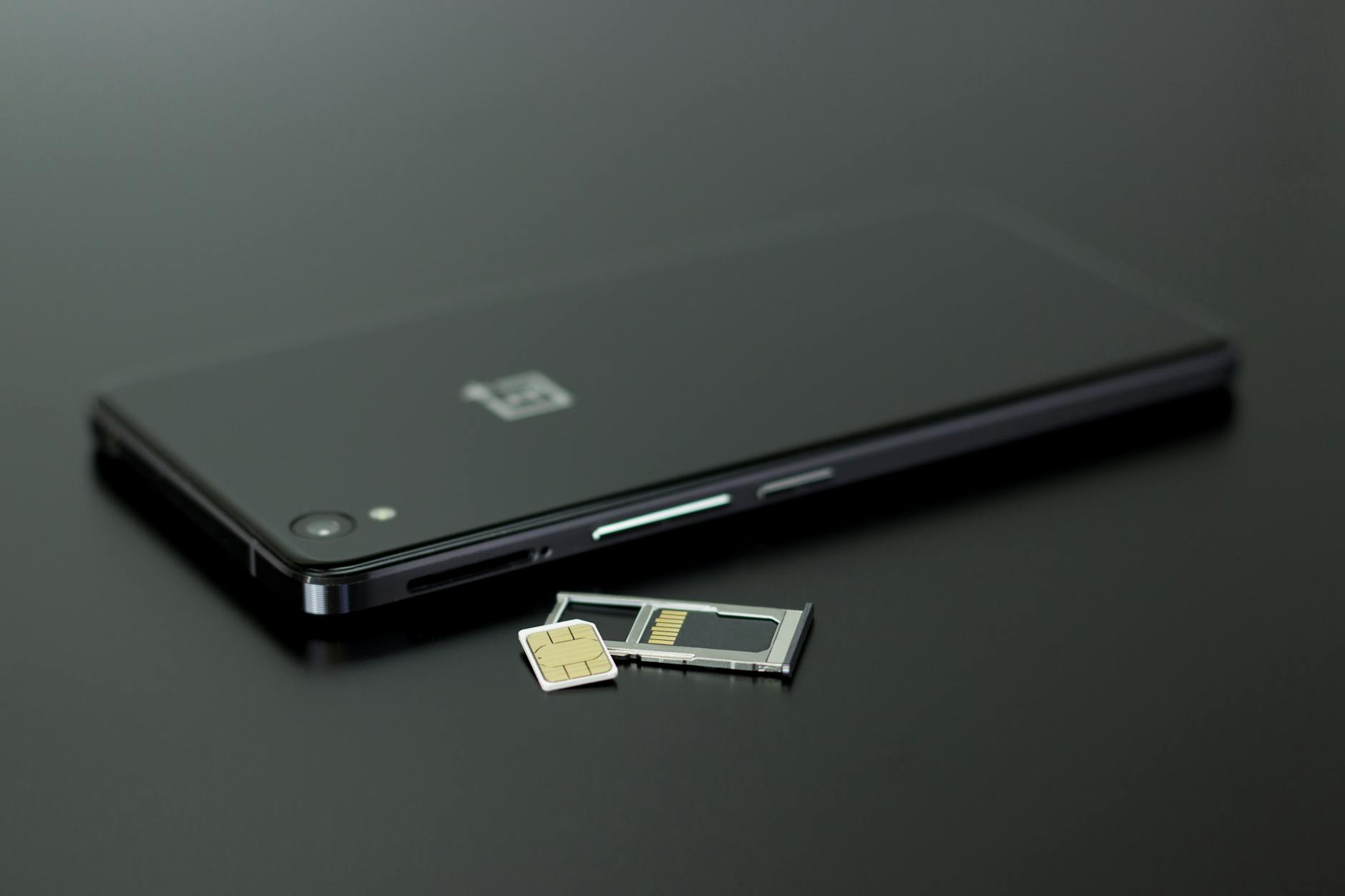 Photo by Silvie Lindemann
Sign Out on iPhones
If you’re handing over an iPhone or iPad, signing out of Apple services is essential. Start with Find My iPhone off, then sign out of your Apple ID from Settings. This ensures iCloud data, device backups, and activation locks won’t stay attached to the old device. After Apple ID is signed out, remove cards and passes from Wallet to prevent accidental payments or card linking on the new owner’s device.
- Sign out steps: Settings > your name > Sign Out. If you’re asked for your Apple ID password, enter it to turn off Find My iPhone and sign out completely.
- Remove from Wallet: Open Wallet, then remove any credit or debit cards, passes, or transit cards. This prevents any card sharing or accidental payments after the handoff.
- Additional checks: If you use iCloud, consider turning off iCloud services you don’t want on the device you’re giving away. You’ll find these options under Settings > [your name] > iCloud.
Before you reset, verify Find My iPhone is off and that the device shows the setup screen after erasing. Apple’s official guidance covers these steps thoroughly and helps you avoid common pitfalls. https://support.apple.com/en-us/109511
- If you still have multiple devices linked to your Apple ID, sign out on each one and remove the device from your account. This prevents the next owner from seeing your devices in Find My and ensures a clean start for them. For a clearer explanation of signing out and erasing, you can also check Apple’s instructions on signing out of iCloud and erasing devices. https://support.apple.com/en-us/104958
- After signing out, you can safely perform a factory reset. The process returns the device to its default setup state, which makes it easy for the next user to begin anew.
If you’re curious about removing SIM cards before giving away a phone, remember that the SIM card holds your mobile number and can carry some linked data. Removing it is a best practice before the transfer. You can read guidance from reputable sources on whether to remove the SIM card before handing over a phone. https://webuytek.co.uk/blog/should-i-remove-sim-card-before-selling-phone/
Photo by Silvie Lindemann
Photo by Silvie Lindemann
Factory Reset Your Phone Step by Step
When you’re ready to hand off your device, a clean factory reset is your best line of defense for privacy and a smooth transition. These two sections walk you through the exact steps for Android and iPhone, with quick notes on what to expect after you reset. Follow along to ensure every personal trace is gone and the new owner starts with a true fresh slate. This is the kind of practical guidance that makes gifting or selling a phone stress free.
Factory Reset Steps for Android
Performing a factory reset on an Android phone returns the device to its default state. The exact path can vary by manufacturer, but the core steps are consistent and easy to follow. On most devices, you’ll find the reset option under Settings, but if you’re locked out, recovery mode is a fallback. A successful reset should boot to the setup screen, ready for a new user. If you own a Samsung or Google Pixel, there are slight path differences worth noting.
- Core path: Settings > System > Reset > Erase all data. For Samsung devices, you may see Settings > General management > Reset > Factory data reset. Google Pixel users often follow Settings > System > Reset options > Erase all data.
- Recovery mode option: If you’re locked out or the device won’t boot, you can use recovery mode to perform a hard reset. The procedure varies by model, but you typically press a combination of power and volume buttons to access the recovery menu, then choose “Wipe data/factory reset.”
- What to expect after reset: The device will restart and present the initial setup screen. Apps, photos, and personal data are removed, and system settings return to default. Reconnecting to Wi‑Fi lets you sign in again and restore data from backups if you choose.
- Manufacturer guidance: For Pixel devices, follow Google’s steps exactly, and if you run into issues, check device-specific guidance. If you use a Samsung Galaxy, you can follow Samsung’s official steps for a Galaxy factory reset.
For deeper steps and the exact button combinations for your model, see Google’s guidance on factory resetting a Pixel phone and Samsung’s official reset article. These resources cover model variations and common prompts you’ll encounter during the process.
- Google Pixel reset: https://support.google.com/pixelphone/answer/4596836?hl=en
- Android factory reset general guidance: https://support.google.com/android/answer/6088915?hl=en
- Samsung Galaxy reset: https://www.samsung.com/us/support/answer/ANS10002030/
Image
 Photo by Castorly Stock
Erase All Content on iPhone
Erasing all content on an iPhone is a straightforward process, but it pays to verify Activation Lock and the final setup prompt. The goal is a device that starts fresh at the setup screen, with no personal data left behind. If Activation Lock is active, you’ll need to sign in with the Apple ID that was previously used on the device or follow Apple’s steps to remove it. After the erase, you should see the setup screen welcoming the next user.
- Steps to erase: Settings > General > Transfer or Reset iPhone > Erase All Content. Confirm your choice and allow the device to erase completely.
- Activation Lock removal: If Activation Lock appears, you must enter the Apple ID and password that were used to set up the device. If you don’t remember the credentials, Apple’s support can help you recover access.
- Post-erase setup: The device reboots to the setup screen. The new user can begin from scratch, choosing language, Wi‑Fi, and other preferences without any of your data present.
- Important checks: Ensure Find My iPhone is off and iCloud is signed out as part of the reset process. If you’re handing over multiple devices, repeat the steps for each one to avoid lingering links.
Official guidance and step-by-step instructions from Apple can help you avoid common pitfalls. See Apple’s resources on Activation Lock and erasing devices for the most current procedures.
- Remove Activation Lock: https://support.apple.com/en-us/108934
- Erase iPhone: https://support.apple.com/guide/iphone/erase-iphone-iph7a2a9399b/ios
- Remove a device from Find My on iPhone: https://support.apple.com/guide/iphone/remove-a-device-ipha94b7686e/ios
Image
Photo by Silvie Lindemann
What’s next after you reset is just as important as the reset itself. Make sure the device boots to the setup screen, and confirm there are no personal apps or data visible. If you’re unsure, Apple and Google provide clear post-reset checks to verify data is gone. This practice protects both you and the person receiving the device.
Final Checks Before Handing Over Your Phone
After you complete a factory reset, a quick set of final checks ensures you and the next owner share a clean, frustration-free handoff. Think of this as the last mile in the data security journey. The goal is to confirm the device boots to the setup screen, no personal data remains, and all links to your accounts are severed. A thorough finish saves time, reduces support questions, and protects your privacy.
Verify the device boots to the setup screen
A true reset should launch the initial setup flow. If you land back in a familiar home screen or see lingering apps, something went off track. Power the device off and on again to confirm you’re greeted with the welcome prompts. This visual cue signals a clean slate for the next user.
- On Android, you should reach the welcome flow where you can pick language and connect to Wi Fi.
- On iPhone, you should see the “Hello” setup screens and the option to restore from a backup (not your data).
If the device doesn’t boot to the setup screen, consult model specific guides from Apple, Google, or Samsung to resolve boot issues before handing it over. Apple’s guidance on selling or trading in can help you confirm the right state for an iPhone. https://support.apple.com/guide/iphone/sell-give-away-or-trade-in-your-iphone-iph415eb3fe5/ios
Confirm Find My Activation Locks are removed
Activation Lock or Find My features bind the device to your account. If these remain active, the new owner may struggle to set up or activate the phone. Double check that the lock is off and the device is signed out of your account.
- For iPhone users, ensure Find My iPhone is off and sign out of your Apple ID. Apple provides clear steps to remove devices from Find My and erase data. https://support.apple.com/en-us/109511
- For Android users, sign out of your Google account and any device protection services. If you encounter a reactivation prompt, revisit the account settings and remove the device from your Google or Samsung account.
A quick post-reset check confirms Activation Lock is gone and the setup screen is ready for the next user. If you’re unsure, trusted guides from Apple and major Android manufacturers walk you through the exact steps. This prevents any lingering links to your data.
Remove SIM card and external storage
The SIM card holds your number and can carry account links. Remove it before handing over the phone. If you used an SD card or other external storage, wipe or remove it as well. This prevents the recipient from inheriting your carrier association or hidden files.
- Remove SIM card with a gentle eject tool or pin.
- If you used an SD card, copy any needed files to a computer before removing, or perform a final wipe if you want to keep the card for the new device.
Guidance on SIM removal and data safety during handoffs is available from reputable sources. If you want a formal checklist, consumer protection guidance covers removing personal information before you get rid of your phone. https://www.consumer.ftc.gov/articles/how-remove-your-personal-information-you-get-rid-your-phone
Check for residual accounts and cloud data
Even after a reset, some services might linger if you skipped signing out of apps or cloud accounts. Open the settings and scan for any linked accounts, then sign out or remove them.
- Review app accounts: Email, banking, social apps, and any services that may still be signed in.
- Check cloud ties: Ensure no backups or stored data remain attached to the device, including photo libraries or drive backups.
If you want a structured approach, several reputable outlets outline post-reset checks to verify nothing personal remains. A simple read through these can give you extra confidence. https://www.checkbook.org/national/consumers-notebook/articles/How-to-Wipe-Your-Data-Before-You-Sell-Donate-or-Recycle-Unwanted-Computers-and-Smartphones-7535
Confirm no personal data appears on the device
This is the moment to do a final sweep. Open a few apps to ensure they’re not open with your credentials, and confirm the home screen shows no personal files or icons that belong to you. A clean setup screen is your best friend here.
- If you use Apple or Google services, sign out from the accounts before erasing, not after.
- Recheck essential services like Wallet or payment apps to verify no cards or passes remain on the device.
For practical steps that align with this final verification, Apple and major Android guides provide a solid checklist you can follow step by step. https://www.apple.com/support/sell-give-away-or-trade-in/
Provide a clean handover with basic documentation
A short, practical handover note helps the new owner start smoothly. Include:
- A reminder to complete initial device setup and restore from their own backups.
- Your last backup date and what was saved if they want to recover anything you kept.
- A note about any accessories you’re including, such as a charger or USB cable.
Optional but helpful: include links to official setup guides for the new owner’s reference. This keeps the handoff feeling thoughtful and professional.
Real-world post reset sanity checks
After you finish, it helps to perform a quick sanity check like a friend doing a test handoff. If you’ve followed these steps, you’ll likely avoid post-transfer questions. A well-executed final pass reduces back and forth and protects both sides from privacy mishaps.
- Don’t forget to re-seat or remove memory cards as needed.
- Ensure the device is ready for a fresh user, with none of your data or apps left behind.
- If you donated or recycled the device, confirm the recipient’s requirements and any return policies from the program you chose.
If you want extra confidence, reputable sources on data privacy during device handoffs offer practical tips and checks you can perform. https://midpennbank.com/trading-or-selling-your-old-phone-safeguard-your-data-first/
What you’ve completed here isn’t just about wiping data. It’s about treating the new owner to a seamless, trustworthy experience. A phone that starts fresh invites confidence and reduces questions, making your gesture of giving or selling a smart, privacy-minded choice.
Conclusion
Reset old phone steps protect your privacy and make the handover smooth. Back up what matters, sign out of accounts, then run a proper reset, and finish with a careful post reset check. This simple sequence gives you peace of mind and sets the stage for a confident, clutter free handoff.
A clean reset prevents personal data from slipping into the next owner’s hands and helps the new user begin with a fresh setup. It also reduces support questions and avoids awkward moments when someone discovers old logins or saved data. When you verify the device boots to the setup screen and shows no personal data, you know you did the job right.
If you’re unsure, share your tips or a quick checklist with friends who are upgrading. A quick note about backup dates or which apps you saved can help them follow your example. By embracing this approach, you extend the life of your devices and support safe, responsible reuse of smartphones. Try it now and spread the word about a clean, privacy minded handoff.
There Is a Frequency That the Wealthiest Families Have Used for Generations and Most People Will Never Know It Exists
>>> Open the Door <<<