Are you packing for a trip and want your smartphone to stay charged, secure, and ready for anything? This Phone accessories checklist for travelers keeps your tech simple, reliable, and easy to manage on the road. You’ll learn which items truly matter, how they fit in a compact kit, and how to avoid common travel tech hassles.
A well rounded kit starts with a solid travel charger and a universal adapter, both small enough to slip into a pocket or day bag. Add a protective case with a wallet to hold essentials, and consider an eSIM tip to stay online without hunting for SIMs at the border. These essentials cut clutter and reduce stress when you’re moving between airports, trains, and hotels.
Beyond the basics, think about travel tech essentials that boost everyday use. A power bank with enough capacity to cover long travel days, a sturdy screen protector, and lightweight accessories like a compact stand can make long waits more comfortable. With this checklist, you’ll travel lighter and stay connected, no matter where your adventures take you.
Phone accessories checklist for travelers: smart packing basics
A well-rounded packing list keeps your smartphone powered, protected, and ready for anything a trip throws at you. This section covers essential items that fit in a compact kit, cut clutter, and avoid tech hassles on the road.
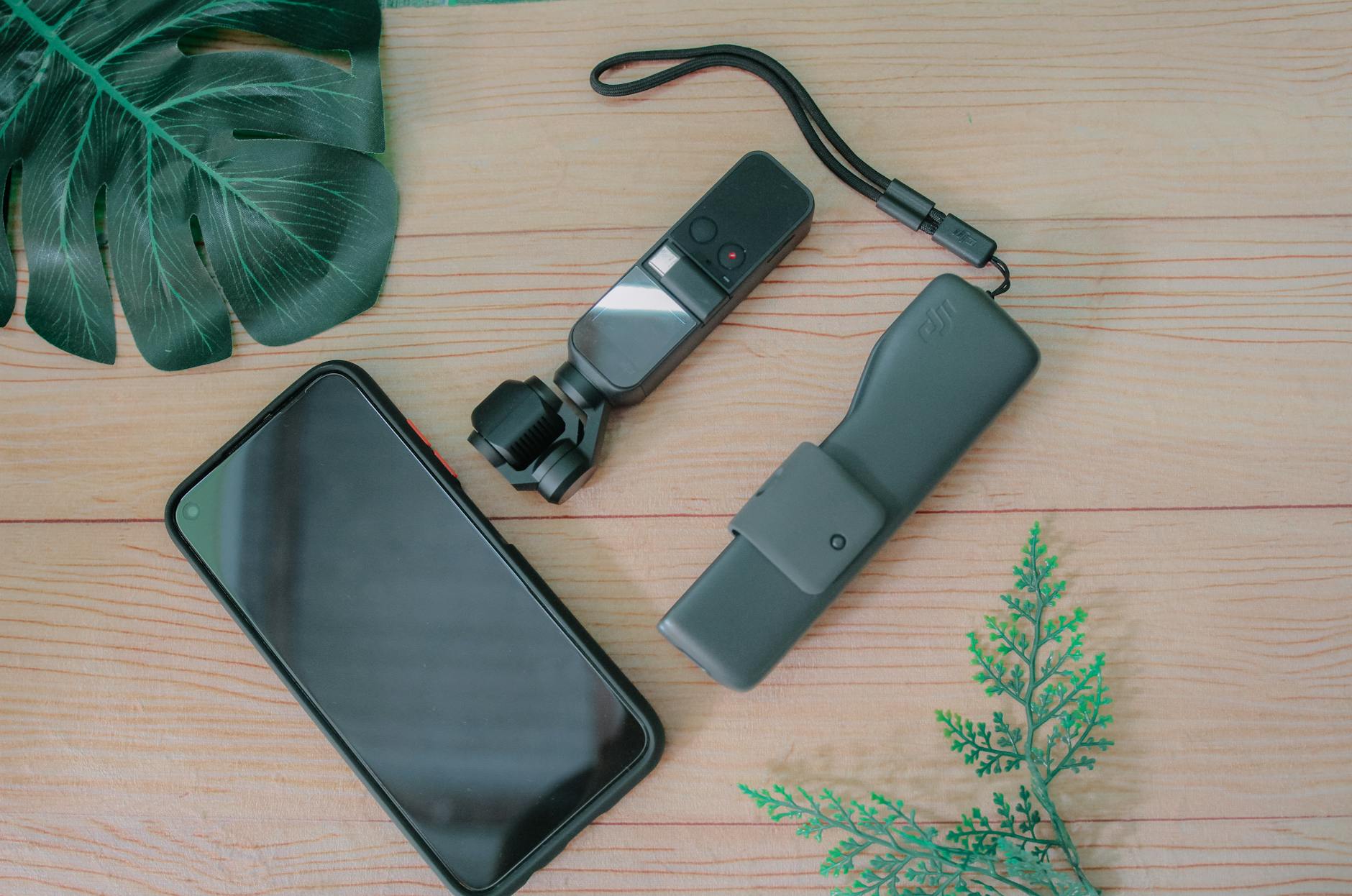
Photo by Pok Rie
Portable chargers and power banks
Long travel days mean you need a reliable power source away from outlets. A high-capacity power bank keeps your smartphone alive through flights, layovers, and long sightseeing days. Aim for at least 20,000 mAh; that level typically lets you recharge a modern phone two to three times on a single charge.
Weight matters. Look for models under 12 ounces so the charger doesn’t feel bulky in your bag. Safety features are non-negotiable: overcharge protection, short-circuit protection, and a reputable safety certification (UL or equivalent) reduce risk in crowded airports or hotel rooms.
Fast charging speeds save time. A USB-C Power Delivery (PD) port can push 20W or more, letting you top up quickly between activities. If you travel with multiple devices, a power bank that supports pass-through charging is a big plus; you can charge the bank and your devices at the same time, which is handy when outlets are scarce or shared.
Packing tip: keep the power bank in a dedicated pocket or small pouch within your carry-on. It makes it easy to grab at security and prevents it from getting buried under clothes or cables.
For trusted picks and up-to-date reviews, see reputable guides like Travel + Leisure’s TSA-approved portable chargers and curated recommendations from other travel tech resources.
Universal travel adapters with USB ports
A compact universal adapter is a traveler’s best friend. It lets you charge multiple devices at once and eliminates hunting for the right plug abroad. Look for models that support worldwide voltage ranges and feature built-in USB ports to reduce the number of bricks you carry.
Key features to prioritize:
- Built-in USB ports for multiple devices without extra adapters
- Broad voltage conversion (100-240V) for global use
- Safety protections such as surge, fuse, and overheating safeguards
A slim, foldable design helps it slip into a front pocket of your carry-on. Keep one adapter in a readily accessible carry bag so you’re set the moment you land.
For solid options and additional guidance, consider checking trusted roundups like Epicka’s universal travel adapter lists and real-world user feedback to find a model that suits your gear.
Extra cables and multi-port charging options
A compact, sturdy cable kit saves you from scrambling for a charger when one cable frays or a plug is hard to reach. Pack short USB-C and Lightning cables with braided protection to resist wear from frequent folding and packing.
A multi-port charger is a power hub for the whole crew. Look for a total output of 30W or more, with intelligent power distribution that allocates current to each device as needed. This setup lets you power your phone, earbuds, and a tablet at once without swapping adapters.
To stay organized on the go, color-code cables. A quick system like red for charging cables and blue for data cables makes it easy to grab the right cord in a hurry and reduces tangling in your bag.
If you’re shopping, browse durable options and user-tested picks from reputable outlets such as Travel + Leisure and other travel tech guides that compare multi-port chargers and their longevity on the road.
Screen protection and device armor
A screen protector and a rugged case dramatically reduce travel mishaps. A tempered glass protector defends the display from scratches and minor impacts, while a rugged case absorbs shocks from accidental drops or luggage bumps.
Consider a privacy screen in crowded transport or public spaces to keep your notifications away from prying eyes. If you carry cards, a wallet-style case can replace a separate wallet, keeping essential IDs and cards within easy reach.
Choosing the right protection means balancing weight, bulk, and accessibility. Look for cases with reinforced corners, responsive buttons, and easy access to ports. For in-depth reviews of travel-tough cases, turn to trusted tech sources that test drop protection and usability in real-world scenarios.
For further reading on rugged cases and screen protection, see PCMag’s reviews of travel-friendly cases and protective accessories.
If you’d like, I can tailor these subsections further to align with your brand voice or add localized tips relevant to US travelers or readers from Taiwan and nearby regions.
Protection, security, and peace of mind
Traveling with your phone means more than just staying powered. It means protecting personal data, guarding valuables, and moving through airports with confidence. In this section, you’ll find practical ideas to reduce risk and stay steady whether you’re wandering city streets or boarding a red-eye. Each tip focuses on real-world use, quick setup, and keeping your kit lightweight.
Protective cases with wallet features and RFID blocking
A case with a built-in wallet helps reduce clutter by replacing a bulky wallet with a slim, single carry option. When you only need essentials, you can keep cards, a bit of cash, and your ID tucked neatly in a card slots compartment. This simplification makes it easier to move through security lines and hop between modes of transport without juggling multiple pouches.
RFID blocking adds a layer of defense for travelers. If your cards sit on an RFID-enabled surface, they can be read at a distance by would‑be skimmers. An RFID‑blocking wallet case prevents this without adding noticeable bulk. It’s a simple, effective way to protect yourself in crowded spaces like trains, markets, and bus terminals.
Tips for attaching cards you frequently need:
- Place your transit card and the card you use for hotel check-ins in easily accessible slots. This speeds up boarding and hotel check‑ins.
- Use a dedicated slot for a backup ID or a credit card you rarely use for purchases. That keeps your primary card safe while still within reach.
- Rotate cards based on your itinerary. For example, keep your hotel key and essential payment card in the outer pocket when you’re out exploring.
For readers who want to compare options, explore credible reviews and product roundups that highlight RFID blocking abilities and real-world usability. One helpful resource is a comprehensive guide to travel wallet cases that emphasize RFID protection and everyday practicality. If you’re curious about specific models, there are reputable lists that surface well‑known brands with strong bump protection and easy access to ports.
External references:
- RFID blocking phone cases and wallets: https://www.travelandleisure.com/style/travel-accessories/travel-wallet-phone-cases
Phone trackers and smart tags for luggage
Small trackers are a simple safeguard for both bags and devices. A tracker attached to your luggage lets you locate it quickly if it gets misplaced or rerouted. Many trackers pair with your phone via Bluetooth or Wi‑Fi and rely on a network of nearby devices to update location when you’re apart from your own access to the device.
Pairing with your phone is straightforward. Install the tracker’s app, follow the on-screen instructions to link the tag to your account, and name the item (for example, “Checked Bag” or “Carry-On”). Before you travel, ensure location services are enabled on your phone so location updates are accurate when you’re in airports, terminals, or unfamiliar streets.
A note on the best options: AirTag and competing trackers have distinct strengths. AirTag benefits from Apple’s expansive network, delivering precise location in many scenarios. For Android users, or for those who want alternatives, consider trackers that offer cross-platform compatibility and robust range.
In practice, a tracker lets you find a missing bag, a misplaced backpack, or even a lost phone. It’s peace of mind that’s easy to justify when you’re juggling transit lounges, security checks, and boarding calls. If you’re shopping for options, look for a tracker with a long battery life, reliable range, and clear app instructions.
External references:
- The best Bluetooth trackers and how they compare: https://www.nytimes.com/wirecutter/reviews/best-bluetooth-tracker
- The best Bluetooth trackers tested: https://www.pcmag.com/picks/the-best-bluetooth-trackers
- Android focused tracker guidance: https://www.androidauthority.com/bluetooth-trackers-android-samsung-galaxy-smarttag2-3539097/
Lanyards, grips, and secure hold accessories
In crowded places, a secure grip is a practical form of protection. Lanyards, wrist straps, and grip rings give you a confident hold on your device, reducing the risk of accidental drops when you’re navigating busy terminals, platforms, or stairways.
Lanyards let you keep your phone within easy reach, which is handy during transfers or long queues. Grip accessories—such as finger rings or non-slip pads—improve one‑handed use. That’s especially useful when you’re juggling a boarding pass, a coffee, and a rental car key at the same time.
These add-ons aren’t just about safety. They also save time by enabling quick extraction from pockets or bags, so you’re ready to capture a photo or check a map without fumbling. When you pick grips or lanyards, choose materials that feel comfortable in your hand and won’t scratch your device. Look for reinforced attachments that stay secure even with daily wear.
If you want a quick win, choose a lightweight lanyard with a breakaway feature for extra safety in busy spots. For most travelers, a modest grip or strap improves one-handed operation and reduces the chance of a slip in crowded environments like airports and train stations.
External references:
- If you’d like a broader look at protective accessories and grip solutions, start with reputable gear roundups and hands-on reviews from trusted outlets.
Plan your setup with a focus on ease of use, durability, and little daily friction. The right combination of case, tracker, and grip can transform travel days into a smoother, more confident experience.
Would you like these subsections tailored to reflect your brand voice or adapted for specific travel patterns, such as domestic US travel or trips that involve multiple international flights?