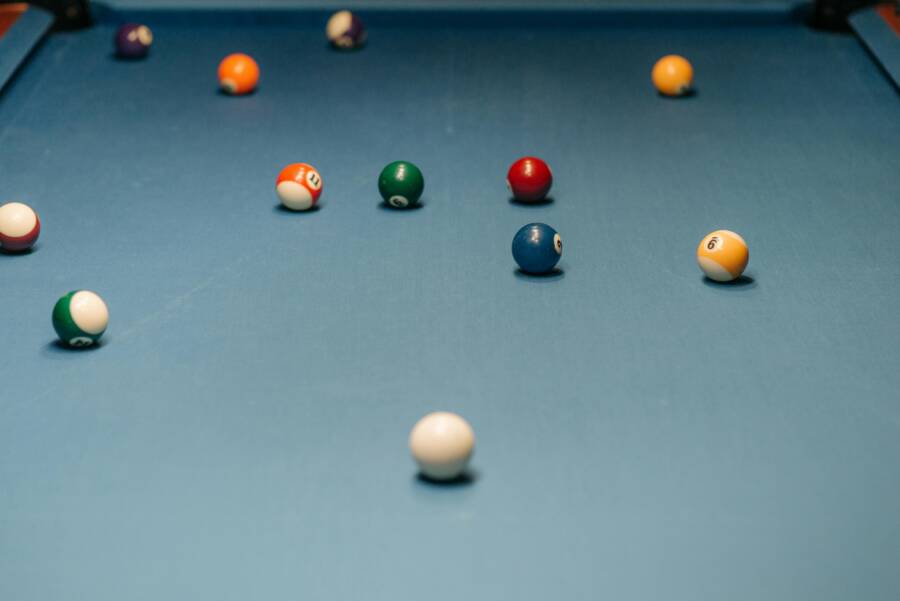
In a sport built on precision, the mind can swing a match as surely as the cue ball. Marty Reisman earned a reputation for turning mental pressure into a weapon at the table. His approach blended focus, timing, and a healthy dose of competitive swagger. This analysis unpacks how Reisman used psychological warfare, why it worked, and what modern players can learn from his tactics.
Marty Reisman rose to prominence during a dynamic era for billiards. He stood out not just for skill but for his belief that the mind determines many outcomes. While he faced fierce competition, he often forced opponents to misread the moment. The lessons from his mental play remain relevant for players who want to improve their own mental game in any cue sport.
The psychology of rivalry in billiards
Billiards demands quiet concentration and a steady hand. Yet pressure rises quickly when a match tightens. In that moment, the mind becomes a battleground. Players must juggle memory, attention, and emotion all at once.Successful competitors train their focus, control pace, and manage responses to adversity. Reisman contributed to that tradition by showing how psychological tactics can influence decision making on the table.
Tempo and tempo disruption are core tools. A player who speeds up a rhythm can push an opponent to rush. Slow play can invite hesitation and second guessing. The best mind games in billiards blend timing, tone, and body language. They create a sense that the moment belongs to one player alone. Reisman was known for using these elements to shape the arc of a match.
Reisman’s tactical toolbox
What made Reisman’s approach distinctive was how he mixed verbal cues with nonverbal signals. He did not rely on brute force. Instead he aimed to alter the opponent’s internal clock and focus. Here are the tactics attributed to his style, framed for modern readers.
- Tempo manipulation: Reisman matched or altered the pace of play to gain control of the game’s rhythm. By slowing down, he could invite misjudgments. By speeding up at the right moment, he could force a rushed decision and a miscue.
- Ritualized routines: Consistent pre-shot checks, deliberate stance, and deliberate practice motions made his presence predictable yet unsettling for an opponent. Routines can anchor a player’s confidence while unsettling someone else who is unsure of the pace.
- Verbal edge: Some observers recall moments of light or pointed banter. The aim was to shift the opponent from one emotional state to another. The intent is not to humiliate but to tilt the odds in the shooter’s favor.
- Nonverbal signaling: Eye contact, pauses, and controlled breath supply sent messages. A calm exterior can signal superiority and erode an opponent’s trust in their own nerves.
- Strategic risk taking: Reisman would often pick shots that tested an opponent’s willingness to gamble. This pressure tests the line between confident play and overreach.
- Focus on the moment: He reminded himself and sometimes others that success rests on the next shot, not the last. That mental reset can be powerful in a sport where one miscue chains into another.
These elements combined to form a persona that others perceived as mentally formidable. The aim was not to win every single shot with power, but to win the frame by shaping the mental landscape around it.
Why these tactics were effective
Psychological warfare in billiards works by changing what the other player believes and how they behave. Reisman’s approach touched several levers:
- Cognitive load: When an opponent juggles pace, gaze, and talk, their working memory fills up with distractions. This can slow decision making at the crucial moment.
- Emotional regulation: A composed, confident demeanor can spread doubt. If one player looks calm while the other appears unsettled, the unsteady player may second guess even simple shots.
- Perceived control: When a player sets the tempo and sticks to a routine, it signals mastery. That perception can undermine the opponent’s sense of control.
- Risk calculus: By choosing shots that demand commitment, Reisman forced opponents to weigh the fear of error against the odds of success. That calculus often leads to mistakes under pressure.
- Momentum psychology: Small wins on critical shots can build a psychological streak. Reisman aimed to disrupt the opponent’s momentum and seize it for himself.
It is important to note that psychological tactics are part of a broader skill set. They work best when paired with solid fundamentals like shot selection, cue control, and pocketing accuracy. Reisman did not rely solely on mind games; his technical foundations gave his mental pressure genuine weight.
How opponents responded and adapted
Some players thrived under pressure, while others cracked. The response to Reisman’s style varied with experience, temperament, and preparation. Here is how top competitors commonly countered mind games in this era and today.
- Develop a personal routine: A predictable routine becomes a shield. It creates a mental anchor that distractions fail to disrupt.
- Control the pace yourself: When you own the rhythm, you reduce the other player’s leverage. Slowing down can neutralize attempts to rush you.
- Mentally rehearse shots: Pre-visualizing outcomes helps a player stay calm when pressure spikes. It keeps focus on the present shot.
- Neutralize trash talk with humor or detachment: Responding without reacting helps maintain control. A calm reply changes the tone of the exchange.
- Study patterns: Observing how a rival uses tempo and talk can reveal weaknesses to exploit in future matches. Adaptation is a strong counter move.
- Strengthen the basics: Great mental games rely on clean fundamentals. Sharper cueing, better sight lines, and consistent shotmaking reduce susceptibility to mind games.
These strategies show that psychological warfare is not a trap to trap. It is a tool to complement skill, not replace it.
The ethical line in competitive mind play
Psychological tactics in sports walk a fine line. On one side, smart competitors use mental strategies to gain a fair advantage. On the other, tactics that feel hostile or unfair can alienate fans and wear down players over time. Reisman’s era embraced bold play, but today players often emphasize a respectful approach that still protects their mental edge.
The key is to keep the focus on the next shot and the game plan. Verbal taunts should be light and non-abusive. Body language should convey confidence, not harassment. When players cross the line, penalties and reputational costs follow. Clean competitors build a reputation that lasts longer than a single match.
Lessons for the modern player
Reisman’s psychological play is a case study in how a strong mental game supports technical skill. Here are practical takeaways that fit modern training routines.
- Build a solid routine: Your pre-shot routine should be consistent and simple. It anchors attention and reduces noise.
- Practice tempo control: Vary pace in practice to learn when to accelerate and when to slow. A well timed pace can disrupt a rival more effectively than a flashy shot.
- Cultivate calm under pressure: Breathing exercises and short mental resets help keep nerves in check during crucial moments.
- Use selective talk sparingly: If you talk at all, keep it friendly, brief, and non-distracting. Your voice should not become a weapon on the table.
- Study opponents’ habits: Watch how others respond to pressure. Learn which cues tend to fluster them and which calm them.
- Stay focused on fundamentals: Mental power amplifies clean technique. Solid cue work and pocketing accuracy always come first.
These habits translate beyond billiards. In any sport or competitive activity, a strong mental game supports performance, reduces errors, and creates a clear path to consistent success.
Reisman’s lasting impact on mind games in billiards
Reisman helped shape a culture that values the mind as much as the stroke. His approach echoed through coaching rooms and tournament tables. Players who study his style gain a frame of reference for how to balance psychology with technique. The interplay between mental discipline and tactical choice remains central to high level play.
Additionally, Reisman’s story offers a broader lesson: success in cue sports often comes from controlling the space around a shot as much as mastering the shot itself. The best players set up an atmosphere that invites the right kind of decision making from themselves and discourages it from their opponents.
A balanced view of the mind in competition
No single tactic guarantees victory. The most reliable advantage comes from blending mental control with consistent practice. Reisman showed that a clear frame of mind can elevate a good shot into a winning frame. The mind does not win alone, but it can set the stage for technical excellence to shine.
In modern scenes, coaches emphasize cognitive skills alongside drills. Players use focused breathing, attention control, and goal setting to maintain clarity during long matches. Reisman’s early experiments with mind games align with this approach. His work reminds players that mental strength is not a bonus skill; it is a core component of performance.
Conclusion: honoring a nuanced approach to mental play
Marty Reisman left a legacy that blends command of the game with strategic psychological strength. His method shows how tempo, routine, and controlled speech can influence how a match unfolds. He was part of a tradition that treats the mind as a vital tool, not a secondary element, in competitive billiards.
For today’s players, the takeaway is simple. Practice your fundamentals with intention. Build a routine that keeps you grounded under pressure. Use psychological tools to support focus, not to attack opponents. When done well, mind games respect the rhythm of the sport and elevate your performance without compromising integrity.
What remains clear is that a well managed mental game can tilt a tight frame in your favor. Reisman demonstrated that a calm manager of the moment can turn the smallest edge into a meaningful advantage. As you train, remember that the best approach blends steady precision with disciplined psychology. The table rewards players who master both.