He Was Drowning in Bills and Burnout Until a Simple Daily Ritual Rewired His Brain for Wealth in Less Than a Week
>>> Start Your Shift Today <<<

Set up your phone for language learning success
Getting your phone ready to learn a language is half the battle. When your device is organized, focused, and supportive, every 5 to 15 minute chunk you invest translates into real progress. This section shows you how to create a learning-friendly setup, pick the right tools, and keep momentum without overwhelm.
Define clear learning goals
Clear goals provide a map for daily practice and long-term milestones. Start with two kinds of targets: what you want to achieve this month and what you want to accomplish in six months.
- Short-term example 1: Practice for 10 minutes every day this week using a core language app. Track with a simple checkmark each day.
- Short-term example 2: Learn 50 new words this month and review them weekly to reinforce recall.
- Long-term example 1: Hold a 5-minute basic conversation with a native speaker by the end of three months. Use a structured lesson plan and a language buddy.
- Long-term example 2: Reach a B1 level in listening comprehension within six months by combining listening drills with real-life conversations.
To keep goals practical, adopt SMART style targets: Specific, Measurable, Achievable, Relevant, and Time-bound. For example, “Practice 10 minutes daily for the next 30 days” is specific and time-bound. It’s also easy to measure with a calendar check. If you want more guidance, see resources that break down SMART goals for language learning and offer concrete templates you can adapt to your routine. For inspiration, you can explore practical examples and frameworks at these trusted sources: How To Set S.M.A.R.T Goals For Language Learning, The Best Language Learning Apps Ranked, and community discussions that share real-world goals from other learners.
- Quick takeaway: write your goals down somewhere you’ll see them every day, like a notes widget or a dedicated goals section in your habit app. Revisit and adjust them at the end of each week.
To keep motivation steady, pair goals with a simple milestone system. For example, after you complete 15 days of 10-minute sessions, reward yourself with a small treat or a new learning vowel card.
He Was Drowning in Bills and Burnout Until a Simple Daily Ritual Rewired His Brain for Wealth in Less Than a Week
>>> Start Your Shift Today <<<
Short, consistent practice that fits your day
Small, steady steps beat big bursts of effort. By pairing brief sessions with a consistent schedule, you build language momentum without burning out. This section breaks down how to design bite-sized routines that you can fit into mornings, commutes, and evenings. The goal is reliable progress, not overwhelming intensity.
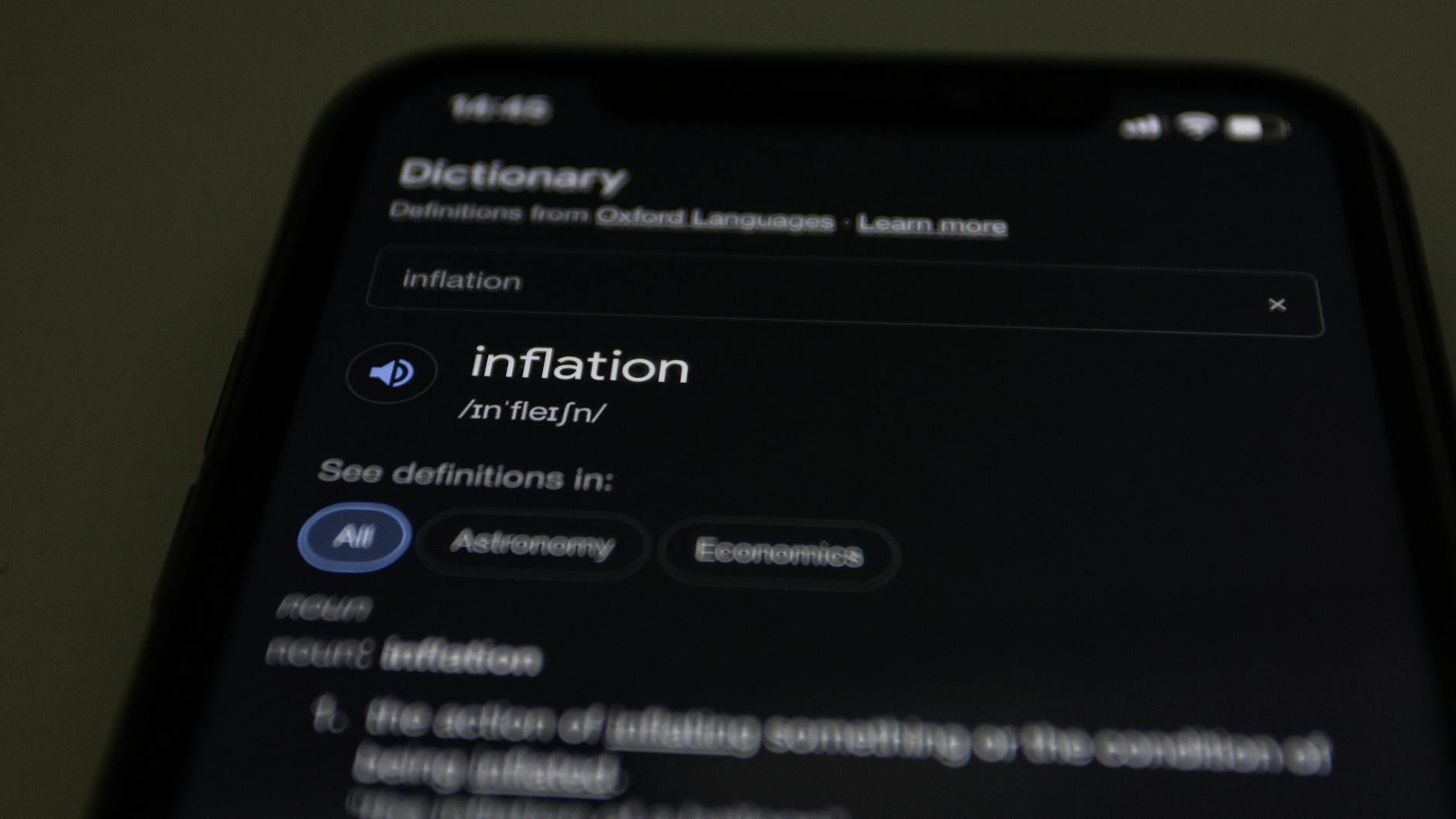 Photo by Bastian Riccardi
He Was Drowning in Bills and Burnout Until a Simple Daily Ritual Rewired His Brain for Wealth in Less Than a Week
>>> Start Your Shift Today <<<
Plan a daily routine
Create a simple, repeatable sequence that you can do every day. Consistency matters more than how long you practice at one time. A practical routine might look like this: 5 minutes of flashcards in the morning, 5 minutes of listening during a commute, and 5 minutes of quick writing before bed. Keep it light so you actually show up.
Thousands of People Were Struggling With Money Until They Discovered This One Ancient Secret Hidden in Sound
>>> Unlock It Now <<<

- Use a plain checklist to track completion. A simple yes/no mark keeps your brain from overthinking and builds a daily rhythm.
- Schedule each slot at roughly the same time. The predictability makes practice almost automatic.
- Pair activities with real-world cues. For example, review flashcards during coffee lines or while waiting for a bus.
A daily routine with clear boundaries helps your brain build a habit. If you want a proven framework, consider SMART goals to ensure your targets are specific and doable. For reference, see resources
Speaking, listening, reading, and writing on the go
Daily language progress hinges on turning moments of life into mini language drills. When you can practice while commuting, walking the dog, or waiting in line, learning becomes a seamless part of your day. This section covers practical ways to use voice input, listen on the move, read with captions, and write with quick prompts. Each approach builds confidence and keeps momentum without adding friction.
Speak with voice input and real conversations
Voice input is a powerful shortcut to real language use. Start by enabling speech features in your language apps and use them to practice pronunciation, phrases, and common responses. For simple conversations, begin with everyday topics like greetings, asking for directions, or describing your day. Apps that support voice chat with native speakers can provide immediate feedback and realistic practice scenarios.
- Begin with short, guided chats. Say hello, introduce yourself, and cycle through a few routine questions.
- Use pronunciation guides as a first pass. Repeat until your cadence and intonation match the target language.
- Practice regularly with friends or a language partner. Regular sessions reinforce memory and reduce the fear of speaking.
If you want to explore trusted app options that emphasize speaking and live conversation, see resources that compare top language learning apps and highlight features for voice input and native speaker chats. For example, reviews and roundups offer practical guidance on choosing a platform that fits your goals and budget. The NYT Wirecutter guide to the best language learning apps provides helpful context on which apps emphasize speaking and conversation, while community discussions can share real-world experiences with voice features.
Listen to content on the move
Listening on the go anchors comprehension and builds a natural feel for rhythm, pronunciation, and tone. Prioritize content that matches your level and gradually increases in difficulty. Short-form audio fits commuter routines, while longer audio books can sit nicely on weekend workouts.
- Podcasts and audio lessons are ideal for daily habit formation. Choose topics you enjoy to stay motivated.
- Short videos and clips provide visual cues that reinforce understanding.
- Audio books extend listening stamina and introduce authentic language use in longer formats.
Tips to maximize listening without frustration: turn on captions or transcripts while you listen during commutes or workouts. Pausing to repeat tricky sections helps cement new sounds, while re-listening to the same episode builds confidence. When you’re ready for new
Conclusion
Using your smartphone for language learning puts real progress within reach, every day. Start by a simple setup, then win momentum with brief, focused sessions you can fit into mornings, commutes, and evenings. Your phone becomes a powerful tool when you use it with a clear plan, practicing speaking, listening, reading, and writing in small, steady steps on the go. Begin today, keep it simple, steady, and enjoyable, and watch your confidence grow as your new language takes shape.
There Is a Frequency That the Wealthiest Families Have Used for Generations and Most People Will Never Know It Exists
>>> Open the Door <<<
