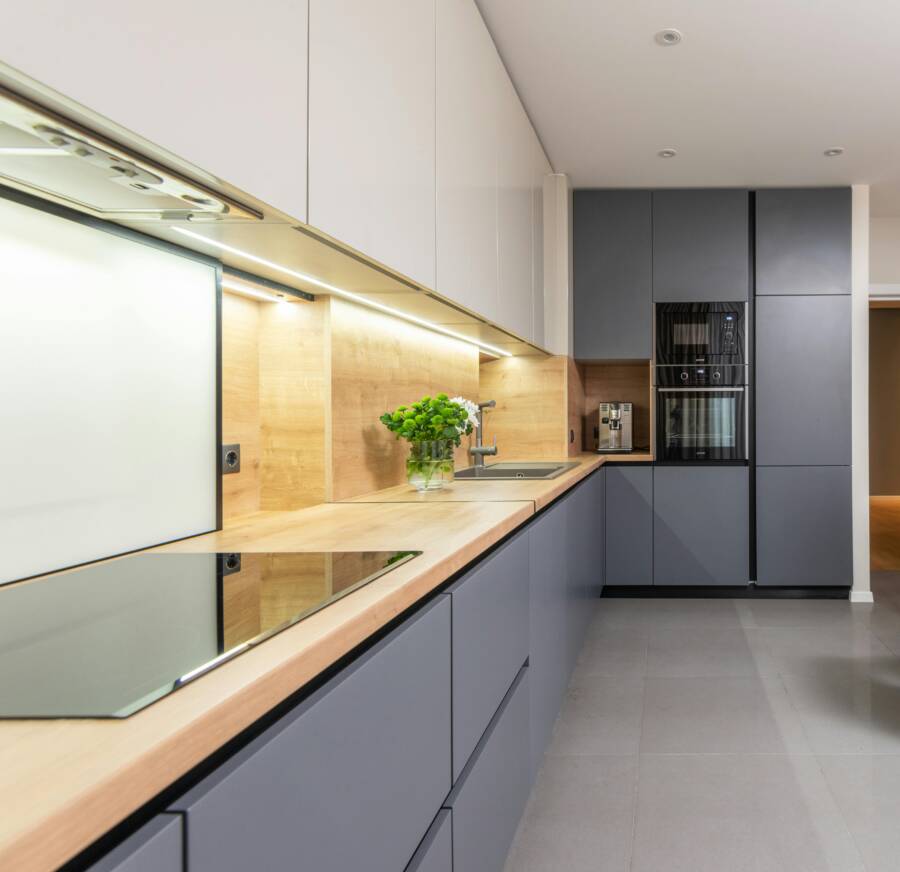
Planning a kitchen remodel can feel overwhelming. The good news is that Home Depot offers design services meant to guide you from idea to installation. This article explains what you can expect when you explore kitchen design services at Home Depot, from the initial consultation to the final upgrade.
Why choose Home Depot for kitchen design
Home Depot stands out for many homeowners who want a practical, one-stop approach to a kitchen makeover. The design team can pair layout ideas with a broad catalog of cabinets, countertops, appliances, and finishing touches. Accessibility matters too; you can start with an in-store visit or opt for a virtual design session. Availability varies by location, so it helps to check what your local store offers. The goal is to turn your vision into a clear plan you can execute with confidence.
Services typically offered
Kitchen design services at Home Depot cover several core components. The exact mix depends on your store and region, but you can expect to encounter the following options.
- In-store design consultations: A design professional will listen to your goals, take measurements, and begin sketching layout ideas. This is a hands-on way to see options in person.
- Virtual design and online tools: If you prefer not to visit the store, you can often start with online questionnaires, digital measurements, and virtual mood boards. The experience remains collaborative, with designers providing feedback remotely.
- Space planning and layout concepts: Expect practical layouts that prioritize workflow, storage, and access to appliances. The classic work triangle concept often informs these plans, ensuring routines like cooking, cleaning, and prep are efficient.
- 3D renderings or visualizations: Some packages include three dimensional views to help you picture how cabinets, countertops, and lighting work together in your space.
- Material and finish guidance: Designers can bring samples or references for cabinet styles, door finishes, countertop materials, backsplashes, and hardware. This helps you compare textures and tones side by side.
- Measurements and space assessment: Accurate measurements are essential. A designer will verify dimensions and note any architectural quirks that could affect installation.
- Budgeting and procurement planning: You’ll receive a plan that aligns design ideas with a realistic budget. The plan may include a shopping list and a recommended sequence for ordering products.
- Project management and coordination: In many cases the designer helps coordinate with installers or approved contractors, scheduling milestones to keep the project on track.
- Timelines and lead times: Expect a clear outline of when decisions are due, product availability, and expected completion windows.
The exact services you encounter will depend on your local store and the scope of your project. It’s wise to ask upfront what’s included in each option and whether there are any additional fees or minimum purchase requirements.
The design process in practical steps
A kitchen design project usually follows a straightforward path that keeps momentum from start to finish.
-
Initial consultation
A designer asks about your goals and daily routines. They want to understand what you like about your current space and what you want to change. They may discuss style preferences, material priorities, and your financial plan. -
Measurements and site review
Accurate measurements are essential. The designer visits your space to check room dimensions, door openings, window placements, plumbing, and electrical layouts. If you already have architectural drawings, sharing them helps. -
Concept development
You’ll see early layout ideas. The designer suggests cabinet configurations, appliance placements, and work zones. They begin to build a framework you can refine. -
Material selection and styling
Samples for cabinetry, countertops, backsplashes, and hardware appear in the negotiation. Designers guide you through color stories, finishes, and textures to create a cohesive look. -
Visualizations and revisions
If 3D views or mood boards are part of the package, you’ll review these visuals and adjust as needed. Small changes in color, height, or detail can have a big impact on the final result. -
Budgeting and procurement plan
You’ll receive a detailed estimate that ties design choices to costs. The plan outlines order dates, delivery windows, and any trade coordination needed for installation. -
Final design package and next steps
A comprehensive plan is presented, including floor plans, elevations, materials list, and a suggested installation sequence. The designer explains how to move forward, whether you handle purchases through Home Depot or separately.
A clear, well-documented plan makes it easier to compare quotes from installers and to track progress through the build phase.
What to expect during a design session
When you sit down with a designer, the session is a chance to translate ideas into a practical plan. Here are common touchpoints during a visit.
- Clear questions and listening: The designer asks about must-haves and nice-to-haves, while you share must-avoid items and deal-breakers.
- Space walkthrough: They’ll examine the room layout, noting columns, doorways, and any obstructions.
- Workflow emphasis: Expect talk about cooking zones, prep areas, cleanup, and the path between refrigerator, sink, and stove.
- Appliance alignment: If you’re replacing or upgrading appliances, you’ll discuss sizes, utilities, and compatibility with the layout.
- Cabinet and door styles: You’ll explore door profiles, finishes, and storage solutions like pullouts and one-touch organizers.
- Countertop choices: The discussion includes durability, maintenance, and edge profiles tailored to your lifestyle.
- Lighting strategy: Task lighting, ambient lighting, and under-cabinet options come into play for both function and mood.
- Finishing touches: Hardware, backsplashes, and decorative details that harmonize with the room.
- Realistic timelines: You’ll hear about lead times and scheduling windows for order fulfillment and installation.
Always remember to ask questions. A good designer will explain options in plain language and show how each choice affects budget and schedule.
Choosing the right design package for you
Home Depot offers different service levels, so think about what fits your project best. If you’re simply exploring ideas for a possible update, a lighter in-store or virtual consultation may be enough. If you have a complete remodel in mind, a fuller design package with measurements, visuals, and a procurement plan could be more efficient.
Key considerations when choosing a package:
- Project scope: Are you updating one cabinet run or doing a full kitchen overhaul?
- Budget clarity: Do you need a detailed cost forecast and a shopping list that keeps you on track?
- Timeline pressure: Is installation date tied to a move or a specific event?
- Preference for involvement: Do you want to handle purchases and scheduling yourself or rely on the designer for coordination?
Ask for a written description of what’s included in each option. This helps ensure you’re comparing apples to apples and avoids surprises down the line.
How to prepare for your design appointment
A little preparation goes a long way. Here are practical steps to get the most from your session.
- Gather existing plans: If you have drawings, bring them. Anything that shows room dimensions helps.
- Take photos: Front, back, and close-up shots of any problem areas or awkward corners can guide the designer.
- List your musts and nice-to-haves: Write down priorities such as extra storage, integrated lighting, or a particular countertop material.
- Measure key elements: Door swings, window clearances, existing utilities, and height restrictions matter for a precise plan.
- Think about your budget: A rough cap for cabinetry, countertops, and appliances helps the designer tailor options.
- Prepare questions: Inquire about lead times, warranty coverage, and what guarantees come with the design plan.
This preparation makes the visit more productive and reduces the back-and-forth later.
Costs, value, and what to expect on pricing
Pricing for kitchen design services varies by location, scope, and the level of detail in the plan. A few factors influence the final cost.
- Scope of work: A simple layout revision costs less than a full kitchen redesign with new cabinetry and countertops.
- Materials included in the plan: If the package includes material samples and a lot of shopping assistance, it may be priced higher due to added support.
- Installation coordination: If the design package promises installer coordination, you should expect this to be reflected in the price.
- Lead times and availability: Projects that require specialized materials or custom items may have longer timelines and higher costs.
While the price is important, focus on value. A thorough design plan can save you money by preventing costly changes during construction and by helping you select items that fit your space well.
Customer support and aftercare
A strong design service leaves you with more than just choice and plans. Look for post-session support that helps you stay on track. This can include:
- Access to a project manager or designer for questions during procurement
- Updates about order status and delivery windows
- Guidance on installation schedules and contractor coordination
- Clarifications about warranties for cabinets, countertops, and hardware
- A clear point of contact if issues arise after delivery
Clear communication reduces stress and helps keep your project moving forward smoothly.
Realistic expectations and common limitations
Kitchen design services are a powerful tool, but it helps to have realistic expectations. A few realities to keep in mind:
- Not every store offers every service everywhere: Availability depends on location and product lines.
- Some projects require external contractors: If a space has plumbing or electrical constraints, you may need licensed help outside the design team.
- Permits may be necessary: Local rules could require permits for major changes, especially when plumbing or wiring is altered.
- Product substitutions are possible: Availability can shift between the plan and the final order, so keep flexibility in mind.
- Change orders can impact timeline: Midcourse changes may add time and cost.
Understanding these limits helps you navigate the process without frustration and keeps your project moving forward.
A practical scenario to illustrate
Imagine you live in a condo with a compact kitchen and an awkward corner that crowds the flow. You want brighter lighting, more storage, and a quartz countertop. A Home Depot designer visits, takes precise measurements, and sketches a U shaped layout that opens the space and creates a comfortable work triangle. They present two countertop options and three cabinet configurations with pull out organizers. The 3D renderings help you compare how each option affects traffic and the feel of the room. You choose a mid tone oak cabinet with a light gray quartz and a glass tile backsplash. The plan includes a phased installation schedule and a shopping list that aligns with your budget. In the end you have a space that feels larger, works better, and reflects your style.
What to do after the design session
Once you have a final plan, your next steps are straightforward. Confirm the layout and materials you want to proceed with. Review any trade or installation options, and ask for a written estimate. If you plan to manage purchases yourself, you can use the plan as a shopping guide. If you prefer a hands off approach, ask about coordinating installation through Home Depot or its approved partners. Finally, schedule the work with confidence and keep communication channels open to address any questions or changes as they arise.
Tips to maximize the value of Home Depot kitchen design services
- Focus on a cohesive design: Choose a cabinet style, a countertop material, and a backsplash that share a common theme. A harmonious palette makes the space feel larger and calmer.
- Prioritize function: Storage solutions like tall pantry pullouts, corner lazy Susans, and pullout spice racks can dramatically improve daily use.
- Think about lighting in layers: Include task lighting under cabinets and ambient lighting in the ceiling to avoid harsh shadows while you cook.
- Check warranty and service terms: Understand what is covered and for how long, especially for major components like cabinets and countertops.
- Plan for the long run: Consider how the space will adapt to aging in place or changing family needs over time.
Conclusion
Home Depot’s kitchen design services offer a practical route from idea to installation. With in-store and virtual options, you get professional layouts, material guidance, and a clear plan that matches your budget. By preparing thoughtfully and engaging openly with the designer, you maximize value and reduce surprises along the way. If you’re ready to reimagine your kitchen, a design session can be the first concrete step toward a space you’ll enjoy every day. Consider reaching out to your local store to learn what options are available and how they can fit your needs. Your next kitchen update starts with a conversation, and the right questions lead to a confident, well-planned outcome.